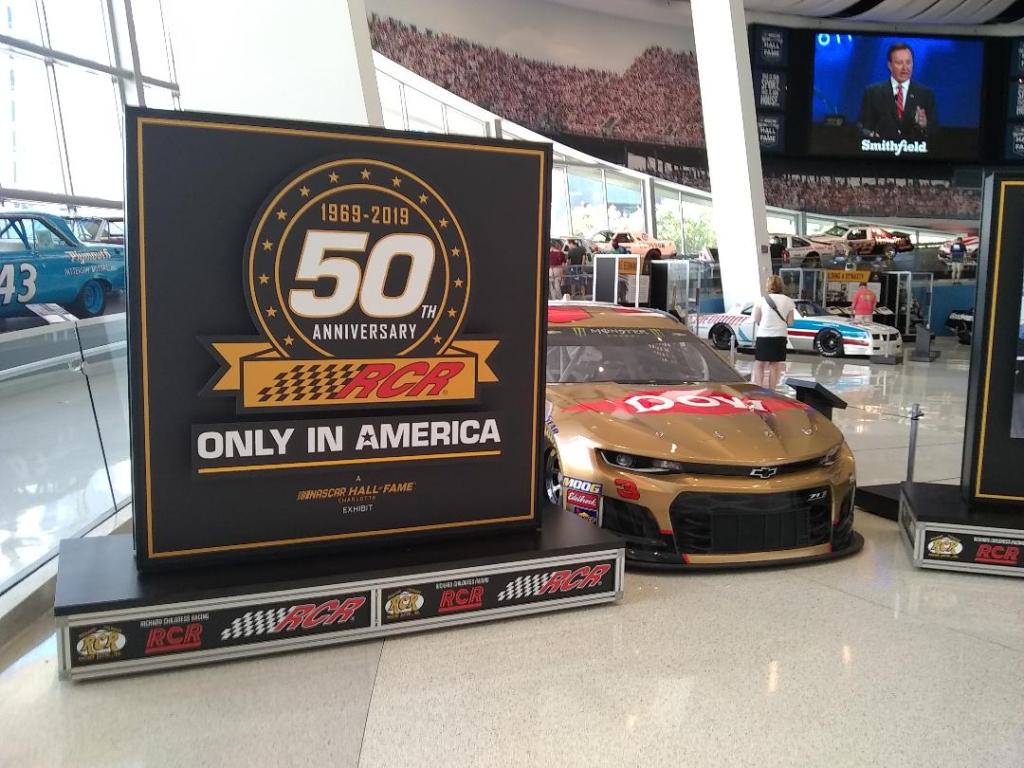
Nascar Museum in Charlotte

As the bio of the Nascar Museum states this museum is a shrine to the history and heritage of Nascar. Nascar began in the South with moon shiners and bootleggers developing cars to out pace police vehicles.
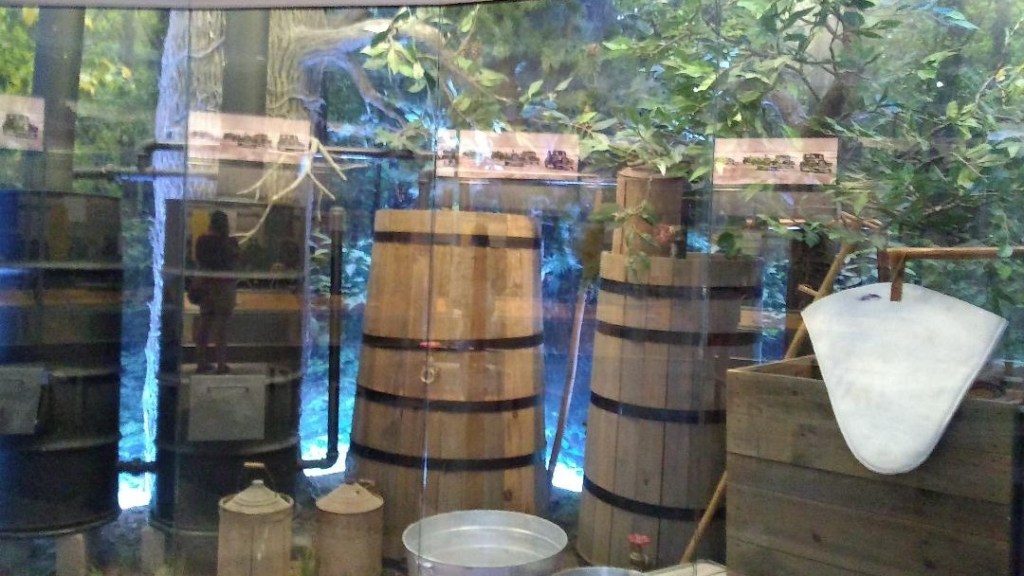
The actual still of one of the bootleggers.

Illegal booze was an industry in the South which fed the family so it was key to not be caught by police as delivery of product occurred. The faster the car the less likelihood of being caught.

First Cars

From this home town racing began and in 1947 a man named Bill France got folks together to develop an organized and regulated sport. Since cars were racing on Daytona Beach this was the ideal place to start. Later a racetrack was created nearby which developed into a prestigious race, the Daytona Beach 500. All this is covered to in the museum’s introductory movie so make sure to stop and see that first.

Nascar Founders

The museum hours are 10 to 6 with Tuesday their black out day. Admission is from $25 to $49 with the higher admission giving an opportunity to sit in a car and race on video. Parking is available on the street and in garages. All that said, let’s look further at the place.
After the movie the doors open on to an actual track with race cars. Every 3 months the cars are changed. There are 100 Nascar tracks across America and each one has a different incline and turf.

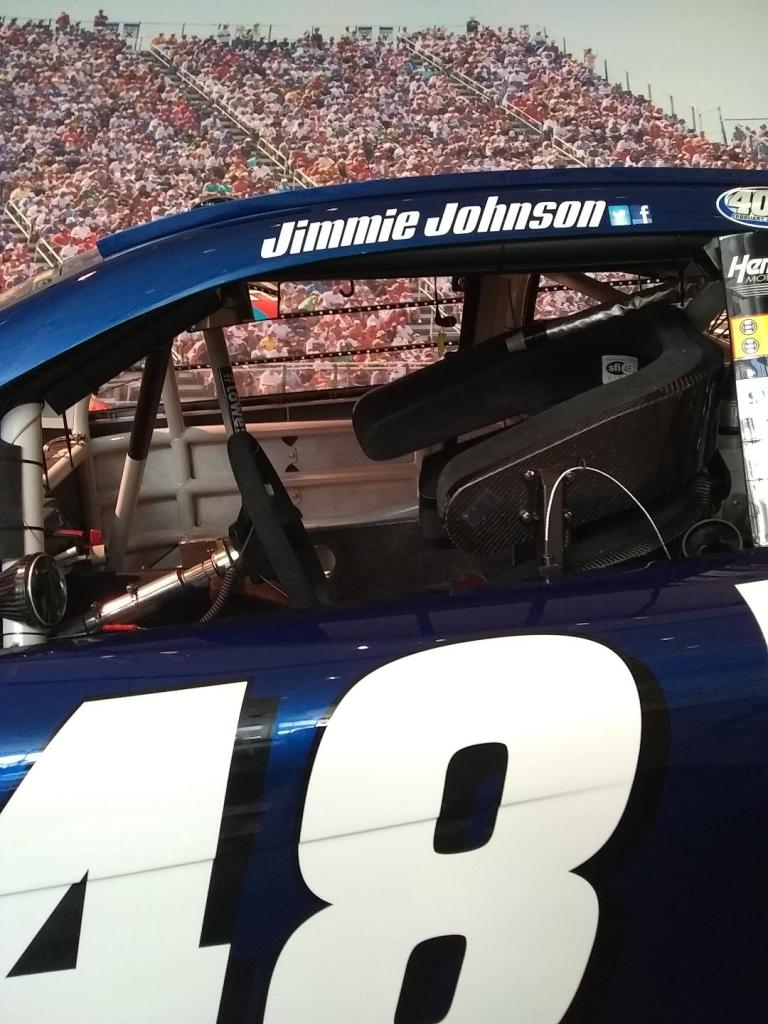
Cockpit safety is key for this industry and has dramatically reduced injuries. A pit stop for cars during the race takes 12 seconds with 4 tires being changed during this time. On each car sponsors are listed and they range from Cheerios, Wranglers, Staples, Lowe’s, 3M, to Oreos. This is an expensive sport built on rivalry and competition, the American way.

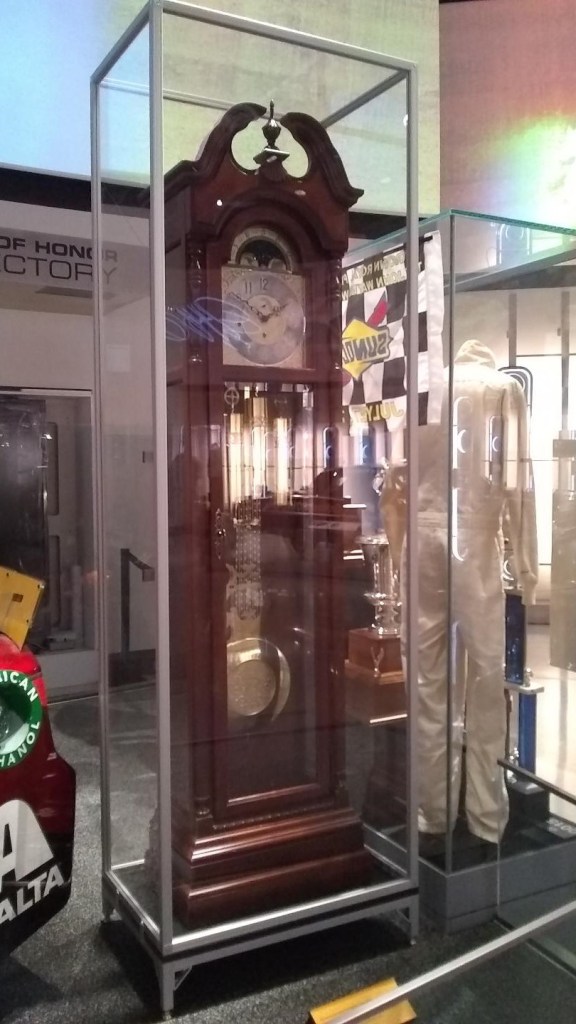
The Hall of Fame where the race lives on allows patrons to hear their favorite drivers speak along with a list of their accomplishments. Below is a case of prizes awarded.

The Martinburg track gives a grandfather clock to the winner. Wonder what you’d do if you won the race 7 times? Alot of clocks to gift others with. 🙂
And then there is the clothing…

All in all, a fun visit and a must see for car enthusiasts. And to think how it all started.
Fort Mose

On US 1 north, shortly before the City of St. Augustine, stands Spanish soldiers on each side of the route. These soldiers protect the entrance to one of my favorite places in the area, Fort Mose. A small, serene, and scenic state park, it holds much history. The area was established as a refuge for Negro slaves in 1688. Then in 1738, with St. Augustine then under Spanish rule the King freed the slaves and had Fort Mose created for their protection.

While my short summation does not describe the many nuances of this period, a trip to the museum at the park surely does. The interactive exhibits will interest and intrigue young children, as well as adults wishing to learn of this colonial history. Cost of admission is $2 for adults with children under 6 free. The museum is open daily from 9 a.m.

Besides the museum there are trails to walk, places to picnic, and interesting vegetation to observe. Fort Mose also has several living history events throughout the year. In June there is a reenactment of the Bloody Battle of Fort Mose with uniformed soldiers and muskets firing. Then in February the Flight to Freedom reenactment has costumed participants explaining the journey to Fort Mose. Escaping slaves, bounty hunters, and priests tell their tale in blocking or assisting these individuals as they journeyed toward freedom.

Fort Mose is currently undergoing a $500,000. Capital Campaign to represent portions of the 1738 Fort and further develop their living history programs. I look forward to seeing the Park additions.

Donations may be sent to:
Fort Mose Historical Society
P.O. Box 4230
St. Augustine, Fl. 32085
Attention: TJ Jackson

NYC Summer 2019: The Cooper Hewitt Museum

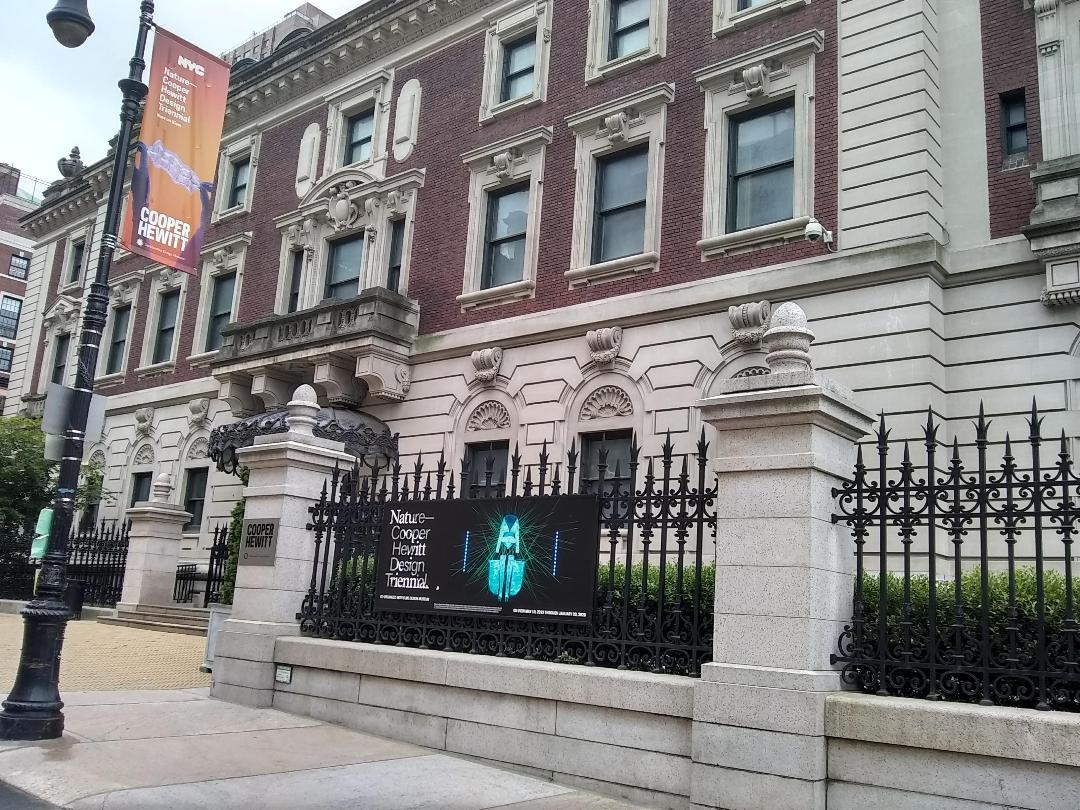
On the east side of Manhattan on 2 East 91st Street, is a museum jewel, The Cooper Hewitt Museum. This museum is the Smithsonian Design Museum and housed in the family’s former mansion. It is home to the Target Design Center.

Peter Cooper, (1791-1883), patriarch of the Cooper-Hewitt family, was an inventor, manufacturer, and philanthropist. He is probably best known for “Tom Thumb,” the first steam locomotive. He wished to benefit society by helping his fellow man, and was much loved. The first free institution of higher education for young men and women in the nation, Cooper Union for the Advancement of Science and Art, was created by Cooper, and he ran as a 1876 presidential candidate in the Greenback Party. Did I also mention he created jello? Well, he did.

Cooper and his wife, Sarah, had one daughter, Sarah Amelia, (known as Amelia), and in 1855 she married Abram Steven Hewitt. Hewitt, son of a fine cabinet maker, later became a businessman, and mayor of New York City in 1887. There were 6 children from this union.

It was a busy social life for the Hewitt children as successful and prominent people of the era were often at their homes in New York City, and Ringwood, New Jersey. All were immersed in the arts and education.

Hewitt’s daughters, Sarah and Eleanor, wanted to fulfill their grandfather’s long dream of a museum and began to purchase items on trips abroad for later inclusion in the museum. The decorative art items purchased were books, drawings and textiles. By 1897, the dream was achieved and the museum began.

Sarah and Eleanor never married but had fulfilling lives in their work and travels. Besides the museum home there is a fascinating Cooper-Hewitt summer home in Ringwood, New Jersey, which can be toured.

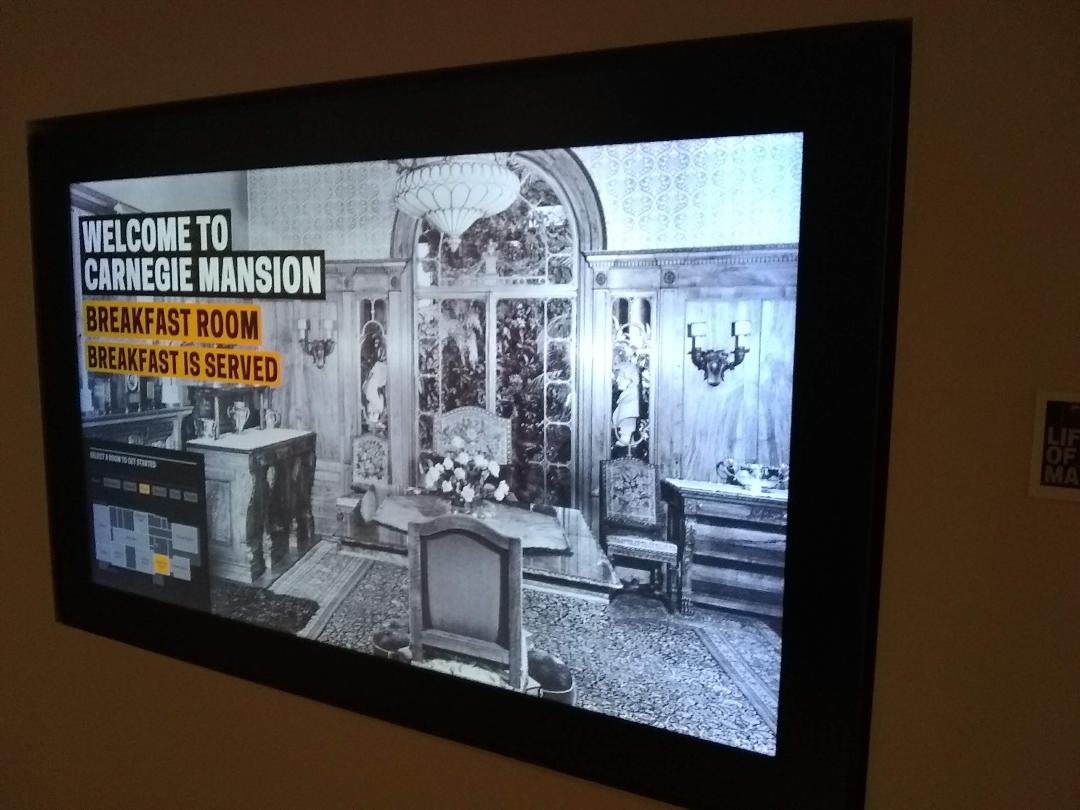
I began the tour with the video on the home in its prime which was hidden on the second floor to the left of the staircase. It is a must see.

Much of the mansion furnishings are in storage, however, pieces are brought out for display on occasion. The Cooper Hewitt collection has more than 210,000 objects and are digitalized. For questions as you tour feel free to ask security staff as they are knowledgeable and accessible.

On the museum ground floor items are displayed from the winners of the National High School Design Competition. Here’s a design winner which is now located in the museum gardens. Surprisingly, the chair was a comfortable and fun seating. Love the color..

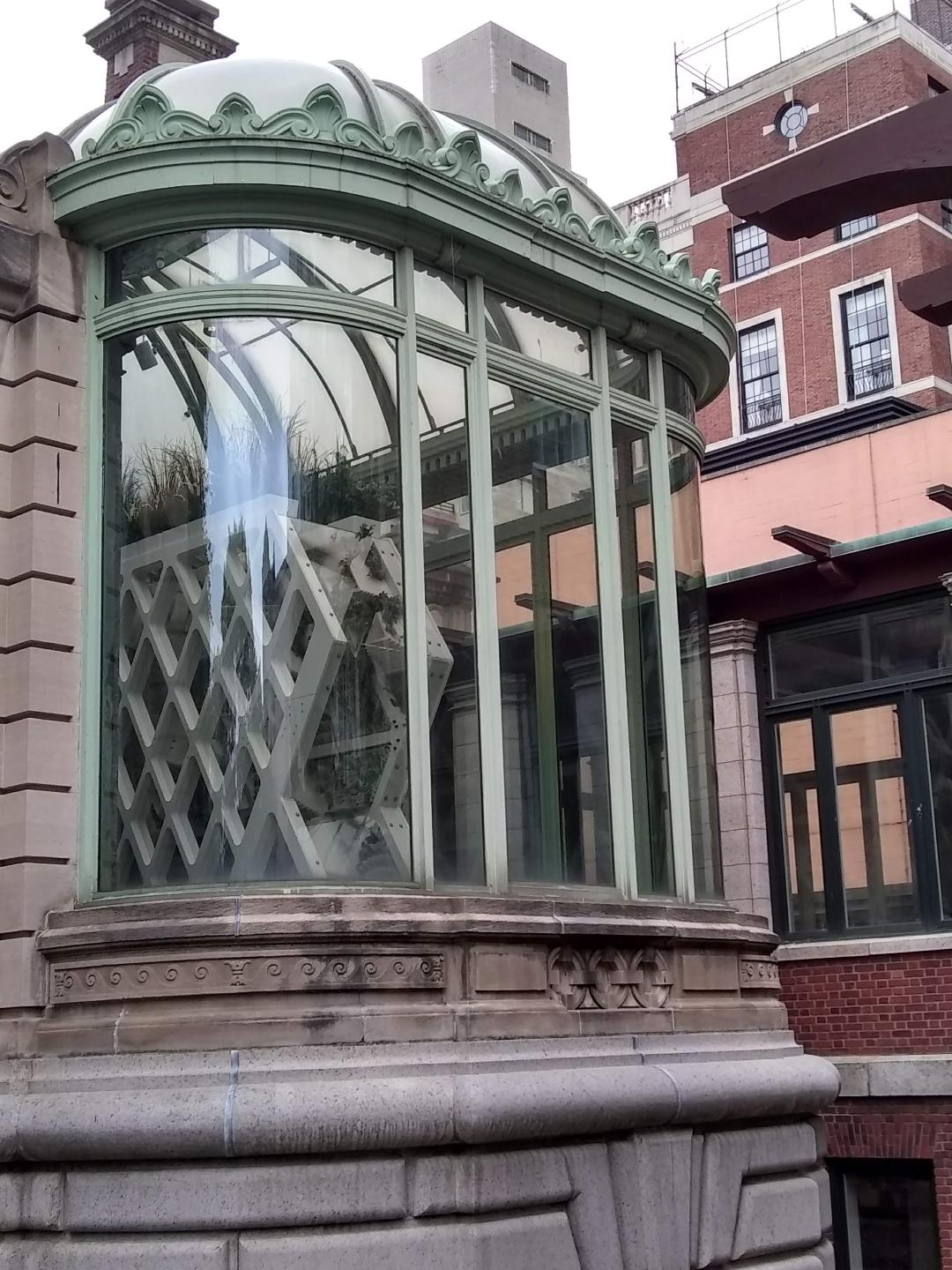
Cooper wanted the theme of his museum to be for the advancement of science, and in this first floor wing it certainly is. Multi-colored DNA pictures are posted along with video explanations. I was unaware of the beautiful colors of DNA. There was also an orthotic electrical hand on display. But, perhaps my favorite was the hydroponic growing system seen behind this glass enclosure.


On the second floor patrons are allowed to develop their own designs via computer. These designs are then broadcast on the walls of the room. Works can be reclaimed or forwarded to home ports.

Textiles and the history of the paisley print was also displayed on this floor. The Hewitt sisters, Sarah and Eleanor, were known for their eccentric qualities. Perhaps this is best seen in the 1865 Steerhorn Chair from San Antonio.

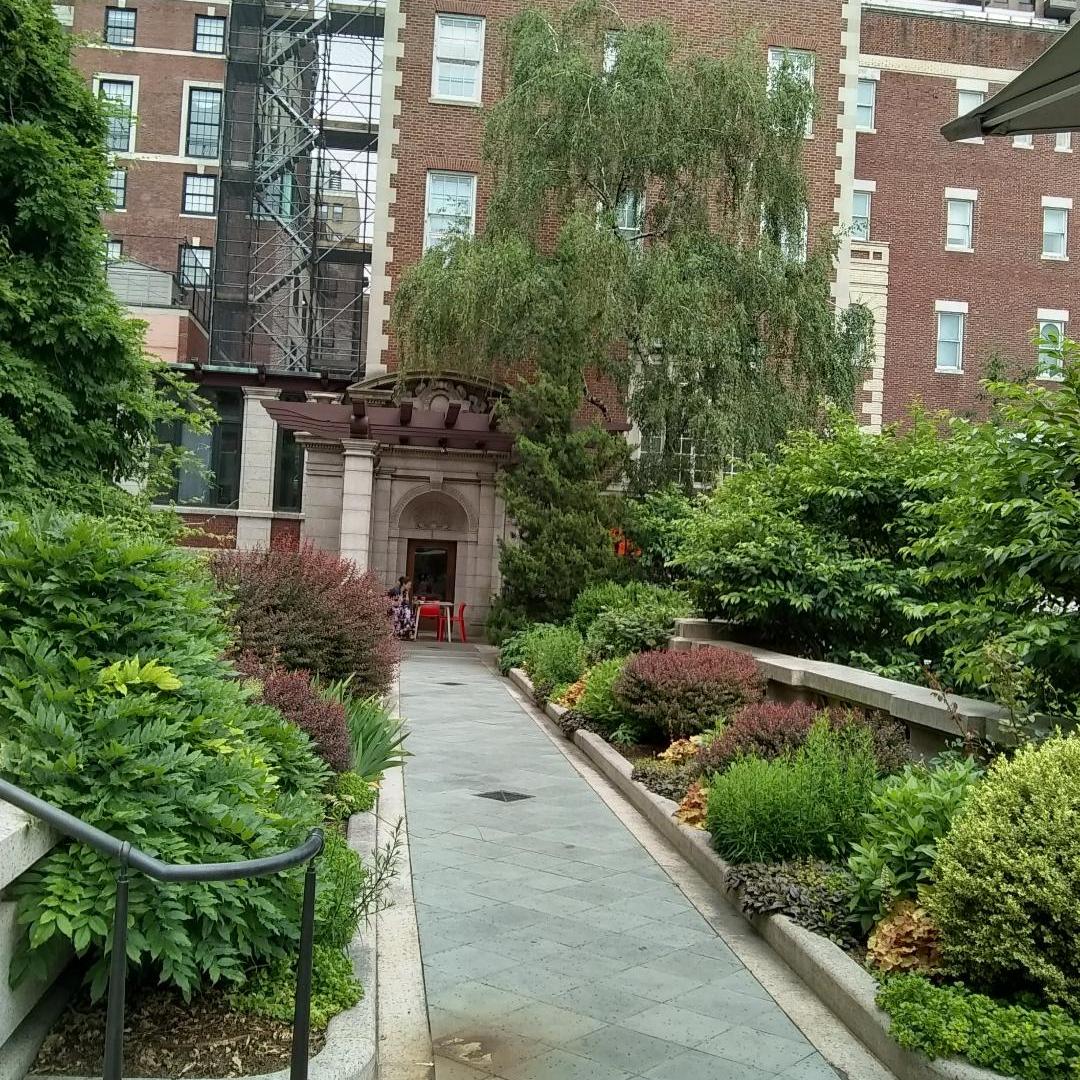
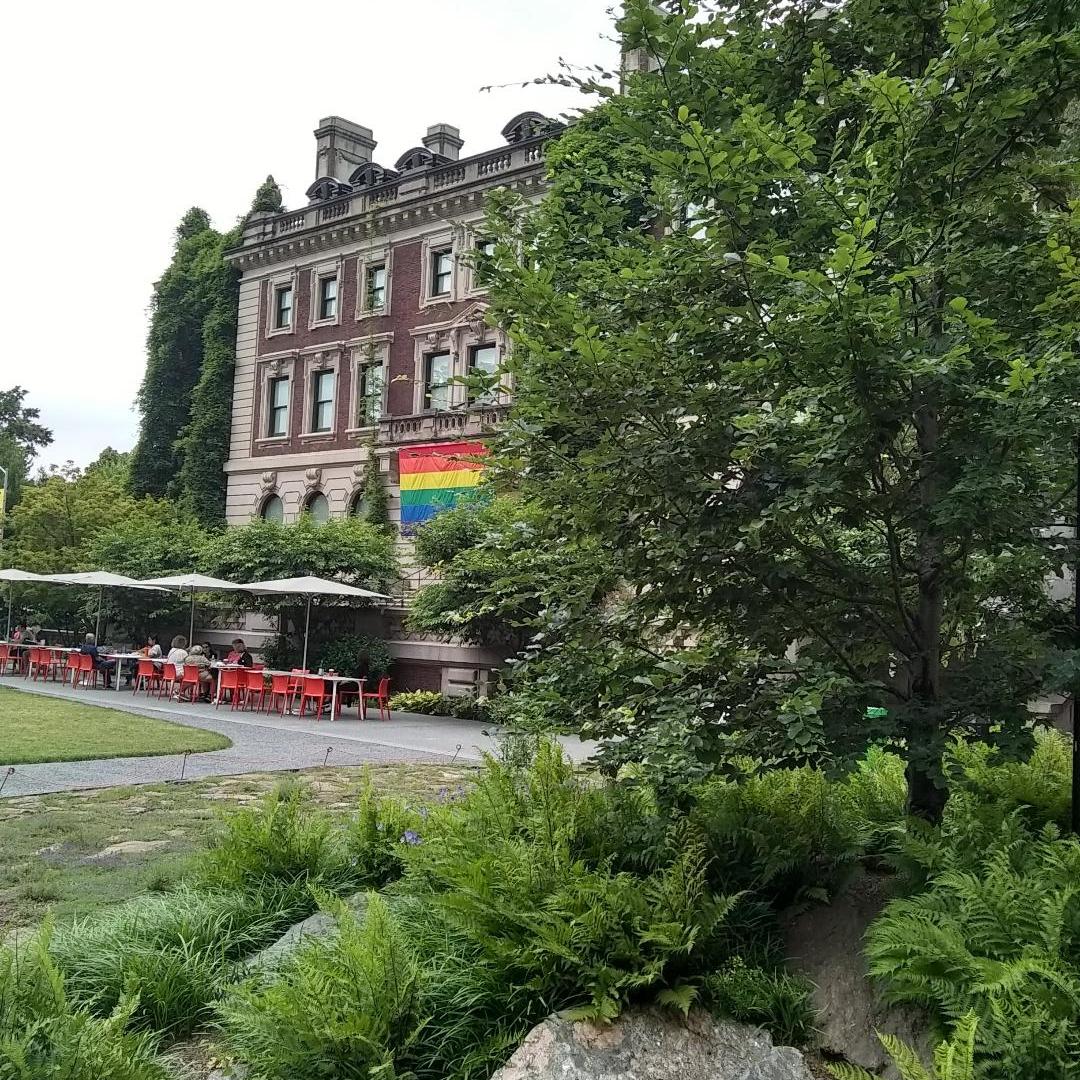
And as you depart take time to stop by the gardens. Science and nature are here at its best.