Montezuma Refuge

Went with a group from the Baltimore Woods Nature Center to visit Montezuma. It was a cool and crisp day providing great camaraderie and many bird sightings. This 9000 acre preserve off the New York State Thruway is managed by the federal government and provides a stop off site and feeding ground for a variety of bird species.
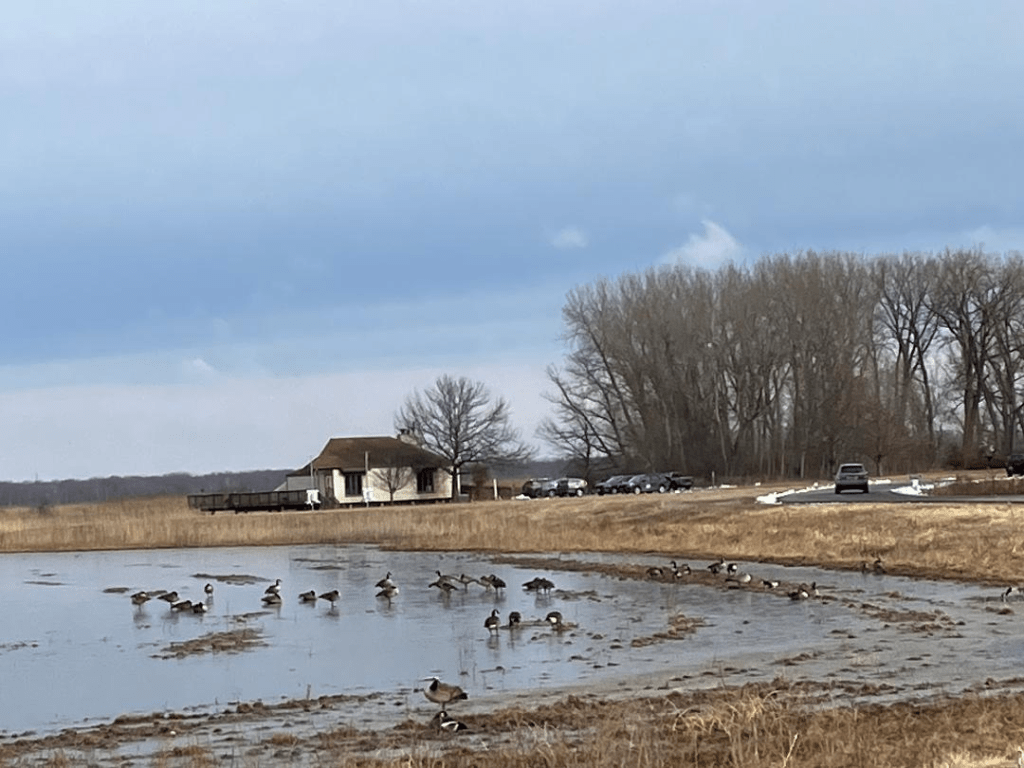
The Visitor Center was currently closed, however, we were able to use the deck for viewing.

The Bird Watching Group

We saw a great variety of birds during our visit:

  • Green Wing Teal
  • Canadian Geese
  • Bald Eagles
  • Pintail Ducks

Some interesting bird houses on the site for Purple Martins.

For more information – here is the summary of our Visit from Anna Stunkel of the Baltimore Woods organization.

She says it best!

Hello:

Thank you for coming to the Spring Field Trip to Montezuma! 

We hope you enjoyed seeing the incredible bird diversity at this refuge. Here is a list of the bird species that we observed this morning:

Great Blue Heron

Tundra Swan

Trumpeter Swan

Canada Goose

Snow Goose

Mallard

American Black Duck

Northern Pintail

Gadwall

American Wigeon

Blue-winged Teal

Green-winged Teal

Canvasback

Ring-necked Duck

Bald Eagle

Turkey Vulture

Northern Harrier

Sandhill Crane

Ring-billed Gull

American Crow

Horned Lark

Eastern Bluebird

Red-winged Blackbird

Here are GPS points for the locations that we visited today, along with a few other birding locations of interest that were mentioned during the program:

Montezuma NWR visitor center

Tschache Pool observation tower

Savannah Mucklands

Morgan Road marshlands

Honeywell Visitor Center– Bald Eagles can be observed in the surrounding areas here

Johnson Road– many Short-eared Owls and Northern Harriers can be seen at dusk in late winter. Please be respectful of the birds and if they are flying close to the road, observe them from your car.

We encourage you to learn more about the birds that we saw today by checking out the Cornell Lab of Ornithology’s All About Birds website. There, you can search for individual species and find out more about their life history, calls, and ID tips.

I strongly recommend revisiting the Savannah Mucklands as the temperatures warm up to observe the Snow Geese later this month. To see just how important Central New York wetlands and fields are along the journey of Snow Geese, take a look at this interactive map: https://explorer.audubon.org/explore/species/1501/snow-goose/migration?sidebar=collapse&layersPanel=expand&zoom=3&x=807469.093080872&y=3208026.7411663136&hide=migration-journey-graphics&range=0.6925%2C0.7125 

You can also search for other bird species to learn more about their migration routes with this amazing map tool above, created by the National Audubon Society and its many partnering organizations.

You can contribute to citizen science and help keep track of bird movements by submitting your observations to eBird. Sightings can be submitted via their website, or by downloading the free eBird app.

The Merlin app is also free, and it is an excellent and convenient bird guide resource.

For bird survey reports and other Montezuma news, take a look at the Friends of the Montezuma Wetlands Complex Cattails page.

We would love to hear your feedback about this program and our program offerings in general, and would greatly appreciate it if you can fill out this brief survey:

https://www.surveymonkey.com/r/BWNC2017

Hope to see you soon, and thanks for supporting Baltimore Woods Nature Center!

Anna Stunkel, Environmental Educator

Another great Central New York visit!

Wine Talk at the Ward O’Hara Center by CJS Winery Owner

Here I learned much of the Finger Lakes wine region in a talk given by a man who began his wine making journey in the Bronx where his family produced small quantities of wine for their personal pleasure.

Tastings and Delicacies Following The Talk

A Little History..

The Finger Lakes region was birthed by glaciers some 2 million years ago in the Ice Age. Ice filled pockets later created what is now known as the Finger Lakes. Due to the rich mineral deposits from the glaciers the soil of this region now promotes the growth of a variety of grapes. 144 wineries are located in the Finger Lakes making New York State # 3 in wine production following the states of California and Washington, with New York fast approaching #2.

CJS began their operation in 1995, with a Seneca Lake vineyard, and began selling in 2001, (need 3 years of production prior to selling). They built a tasting center in 2003, at their Owasco Lake site.

There are 4 types of grapes in the Finger Lakes..

Grapes are often cross bred to increase flavor and increase toleration to cold weather, however, hybridization in France in the 1860’s almost destroyed their entire grape population. This was caused when the French “borrowed” US vines causing disease to their plants. Since then France has remained with pure vines.

Much research is done with grapes and other fruits. In New York State Cornell spearheads this work. However, other states are also involved in research. CJS produces a wine with a grape from Minnesota which can support -30 degree temperatures.

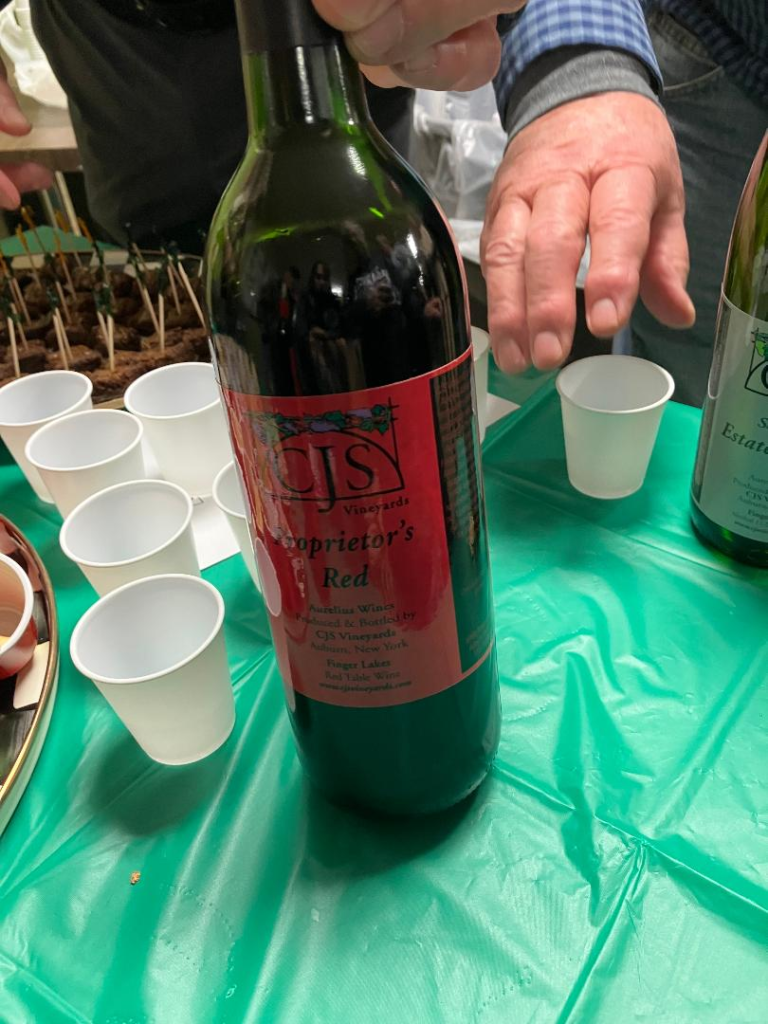
This is CJS Proprietor’s Red, what a delicious blend from the Minnesota grapes.

Grapes favor the following conditions:

  • sunshine – especially late day sun – West facing planting improves grape ripening
  • planting vine rows in North – South direction – again for ripening
  • dry leaves to prevent mildew
  • dry feet – grapes don’t like wet feet
  • vines are trained to grown upward promoting air circulation assisting grape growth
  • classical music – CJS plays this in their vineyard as does many Italian growers.

Some history of the region..

In 1860, Finger Lakes wineries began in Hammondsport, New York. Later in 1883, Taylor Winery began first to make barrels for the wineries then later began their own wine production. Throughout the 1880’s a Geneva group which was part of Cornell University began to help wineries elevate to world class production, however, 1918 brought Prohibition and production ceased, but by 1933, 19 wineries were back in production. And in 1976, under the Governor Carey administration small wineries were allowed to sell to the public without distributors. This literally changed the game for small wineries. Another prominent year was 1982, when Finger Lakes wineries began the Cayuga Wine Trail, the first in the the nation.

So, all that said – how is wine made?

  • For white wines – the grapes are crushed, pressed, and the product tanked in a cold process.
  • Samples then go to the lab for sugar testing.
  • Yeast is added and fermentation begins..

For red wine it is a bit different.. ferments are not pressed and the process is “hot.” The grapes then sit for 7-14 days.

And what do barrels have to do with the process?

Barrels provide flavor to the grapes. An oak barrel is favored with its effect lasting 8 years, but stainless steel can also be used. While tannins provide some health benefits their bitterness can affect wine taste. Barrels soften tannins through the aging process.

Then there is the bottles and closures for wine bottles? Some Fun Facts..

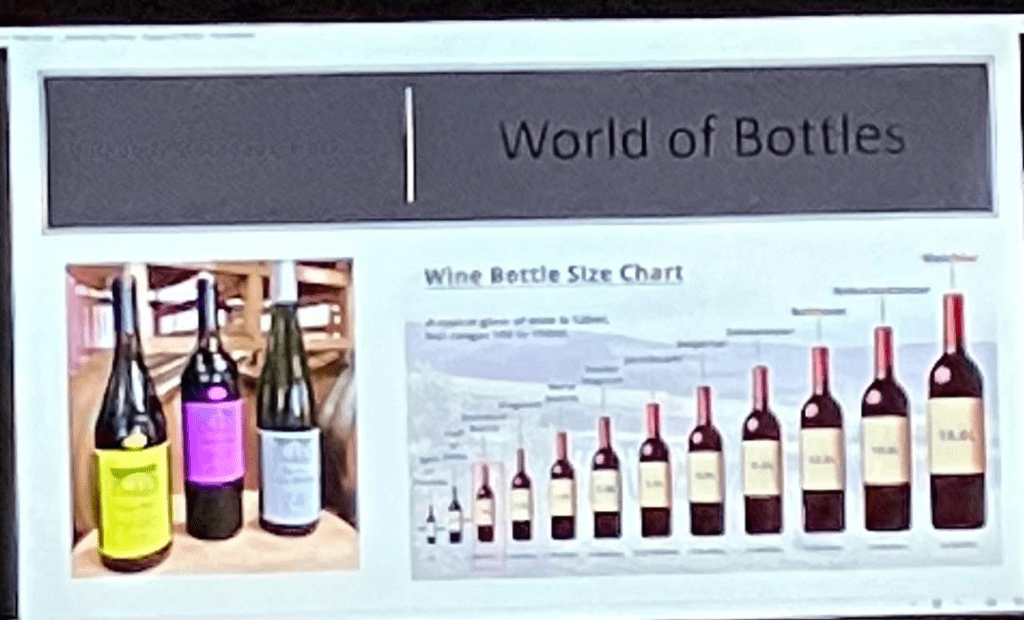
Bottles come is all sizes and thickness.

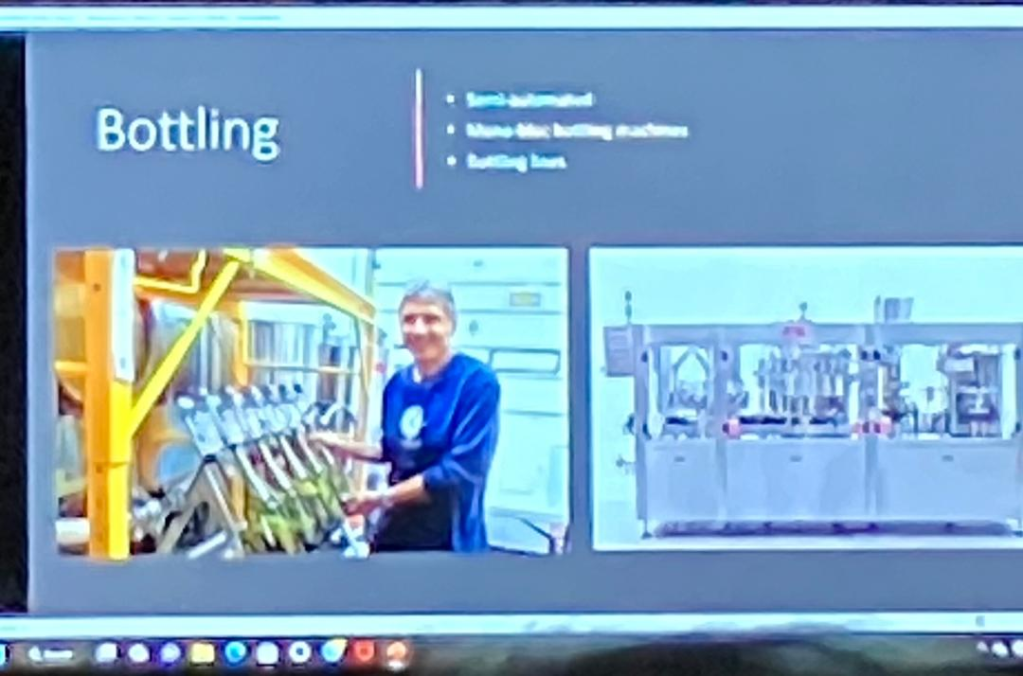
The largest bottling company in the states is in Waterloo, N.Y.

Air is the enemy of wine as it changes the flavor. This is why an opened bottle of wine should be consumed in a week.

Cork remains the main “friend,” of wine bottle closure, and most corks are a blending of fibers.

CSJ processes 7-800 cases of wine annually.

http://www.cjsvineyards.com/

What a fascinating talk.. Hope you learned much, I did.

Connie Cook, A Documentary

Central New York has always been a hot-bed of female rights beginning with the Suffragettes voting rights work in the early 19th century.

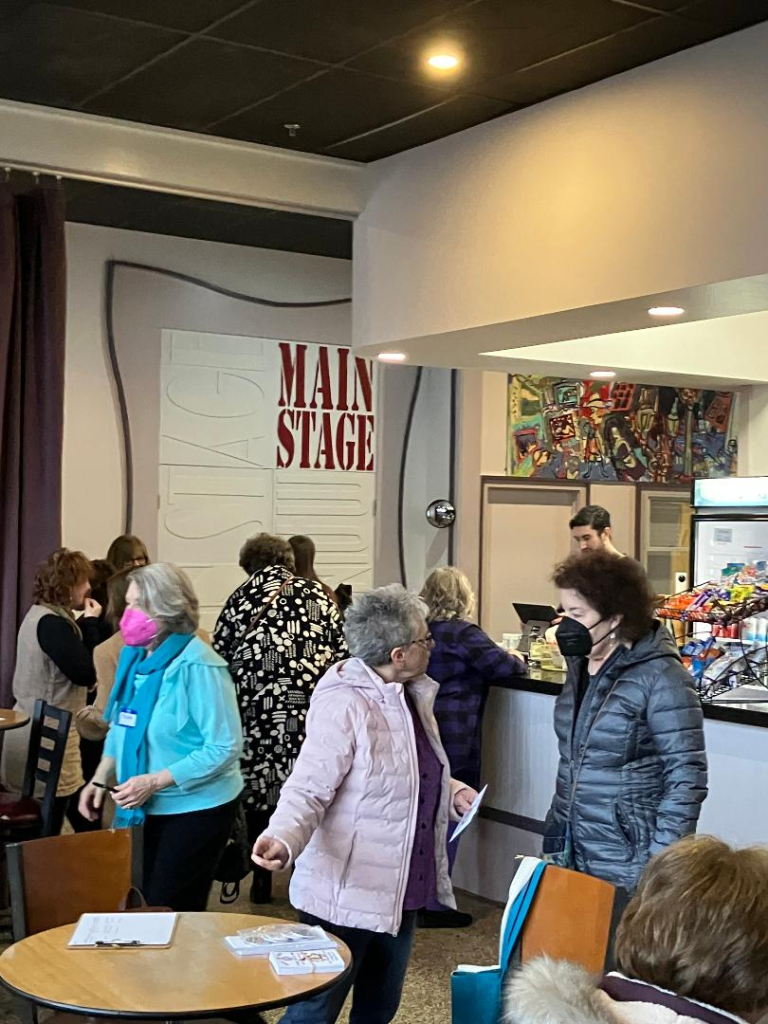
At the Auburn Public Theater during this weekend a documentary filmed in 2015 on the life of the woman who began reproductive rights legislation in New York State was shown. This Theater is a public organization with theater, movies, art education programs, and a Cafe.

It was only appropriate that here the documentary on Constance Cook, a republican leader, legislator, advocate, reformer, and

A Woman Ahead of Her Time was shown.

Sponsored by the Democratic Women of Cayuga County, this film documented Connie Cook’s life and achievements as a republican New York State legislator. She sponsored the New York State legislation which later went on to be the landmark Roe vs. Wade decision.

Connie began her education at Hunter College High School in New York City. She later attended Cornell University where she studied graduating with a law degree in 2 years. With the advent of WW II in 1941, she worked in the New York City corporate world, then also for Governor Thomas Dewey. Disgruntled with that path and lack of money in government work, she journeyed to Norway studying as a Fulbright scholar. Upon her return there were no Washington DC jobs for female lawyers so she returned to her home base in Ithaca, New York.

Here she became involved in politics, and married. Her husband cared for the home, and raised their 2 children. Her daughter, Cathy, spoke in the film stating her mother always felt an obligation to make things right and fix things.

Sue Perigut, the film Director/Writer, and Lee Michaels. Lee’s father ,George, gave the deciding vote for the NYS Abortion laws acceptance. After this he lost his seat in the NYS legislature and was shunned by his community for several years. He was a Democrat who was the first since the Civil War to hold a seat in the NYS legislature from his district. Since that time there have been no other Democrats from that district.

xxxxxx

Connie also worked to change Episcopal laws to allow for female ministers, worked to improve the NYS college system, and on many environmental issues.

What a mover and shaker! Recommend all to view this amazing documentary.
Seward House

What a treat to finally find this historic home open. Was closed for the winter, and opened this weekend with “shocking stories from the family archives.”

What a beautiful home with many priceless relics. The family stories were a bit unsettling, but what family doesn’t have cobwebs in their closet?.

Here’s the man himself painted while Governor of New York, of which he had 2 terms. A graduate of Union College, he came to Auburn to work for a man whose daughter he eventually married. During a hiatus from Union College he taught school in Georgia, In his later years he received a letter from a slave who stated she was his daughter. He never responded to the letter.

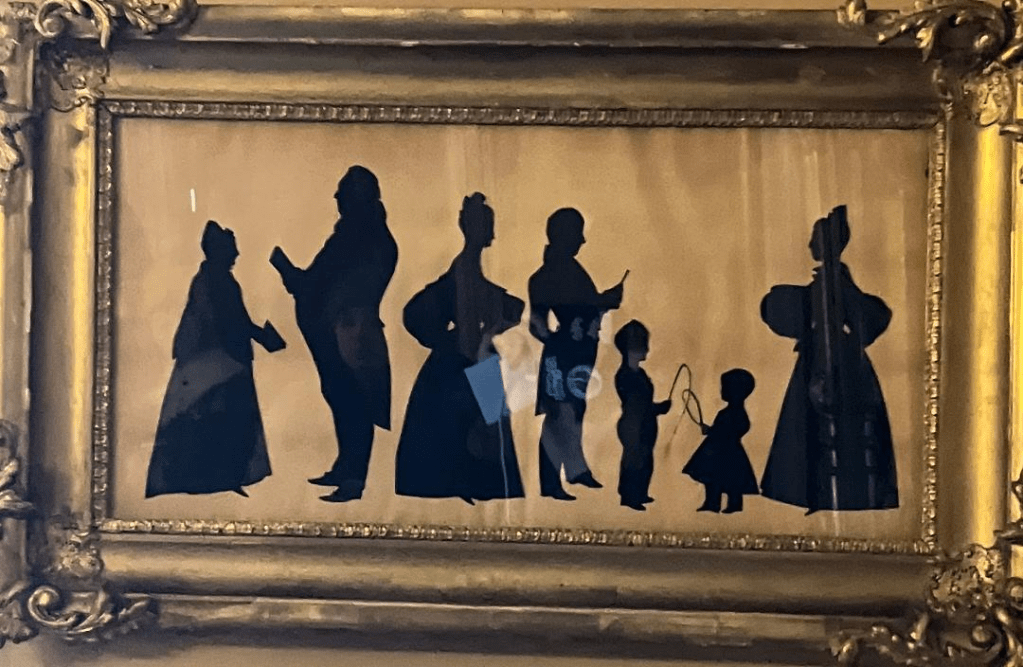
The Family

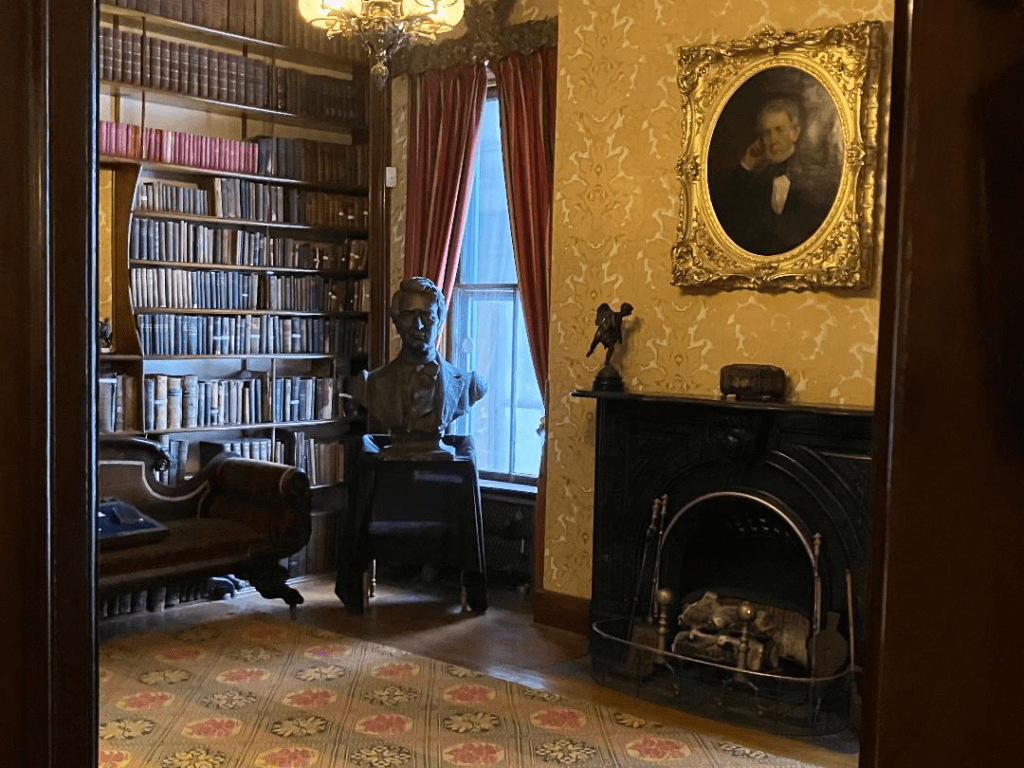
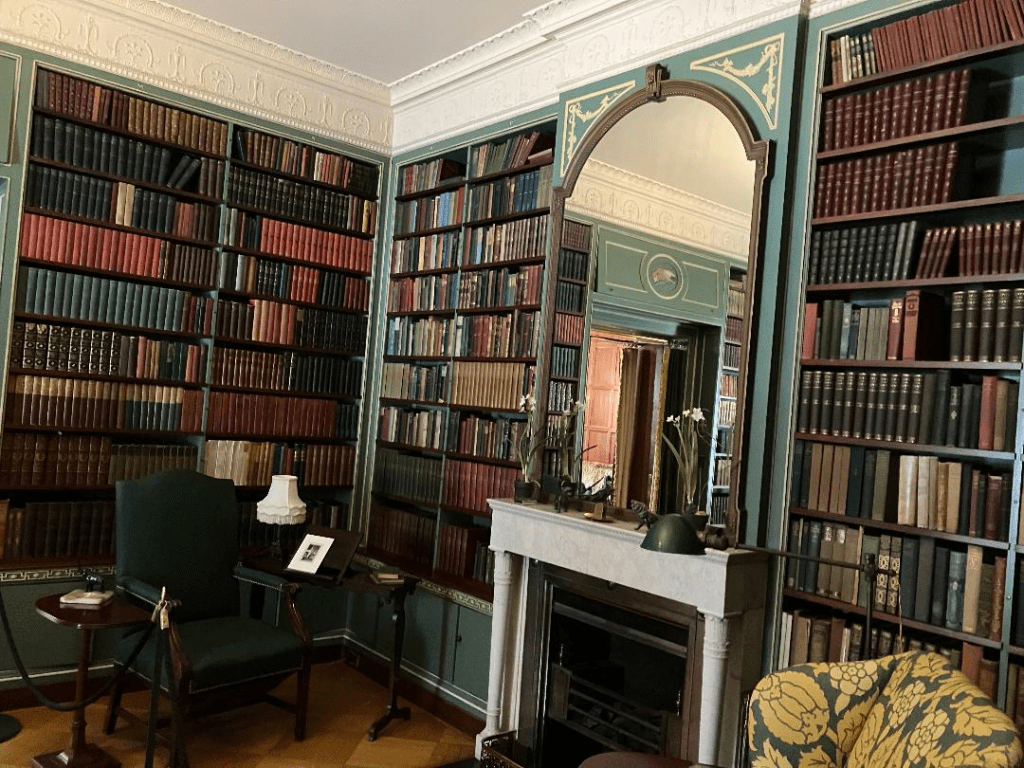
The Library

Seward was a chain cigar smoker often smoking up to 7 cigars per day.

The Parlor

Seward ran against Lincoln and lost. While his wife told him to stay home and campaign he took a trip to Europe during this time. Bad move, however, Lincoln did appoint him Secretary of State. He continued journeying the globe in this position.

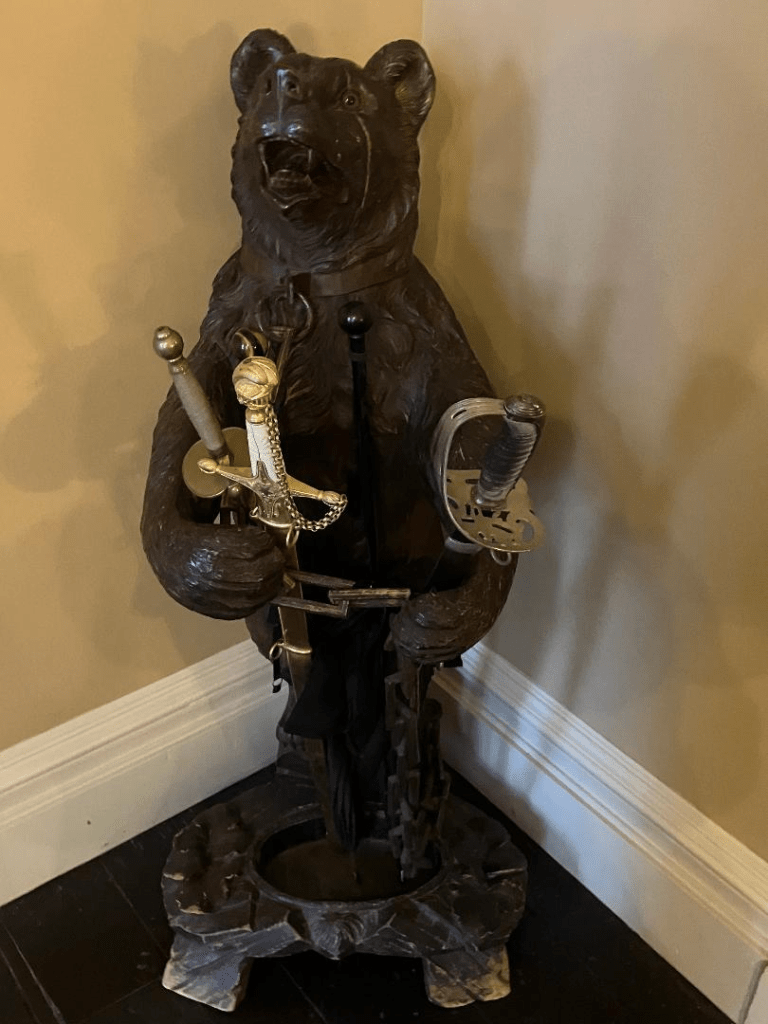
One of the many beautiful items acquired from Seward’s journeys.

And one for levity.

What a gorgeous stair.

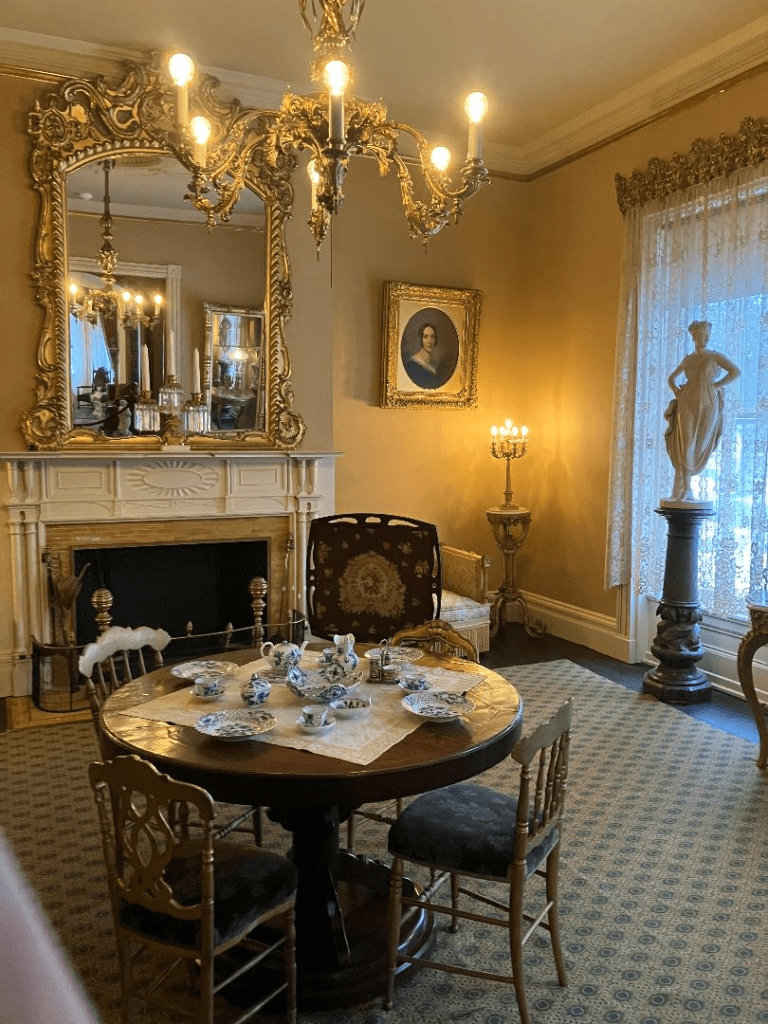
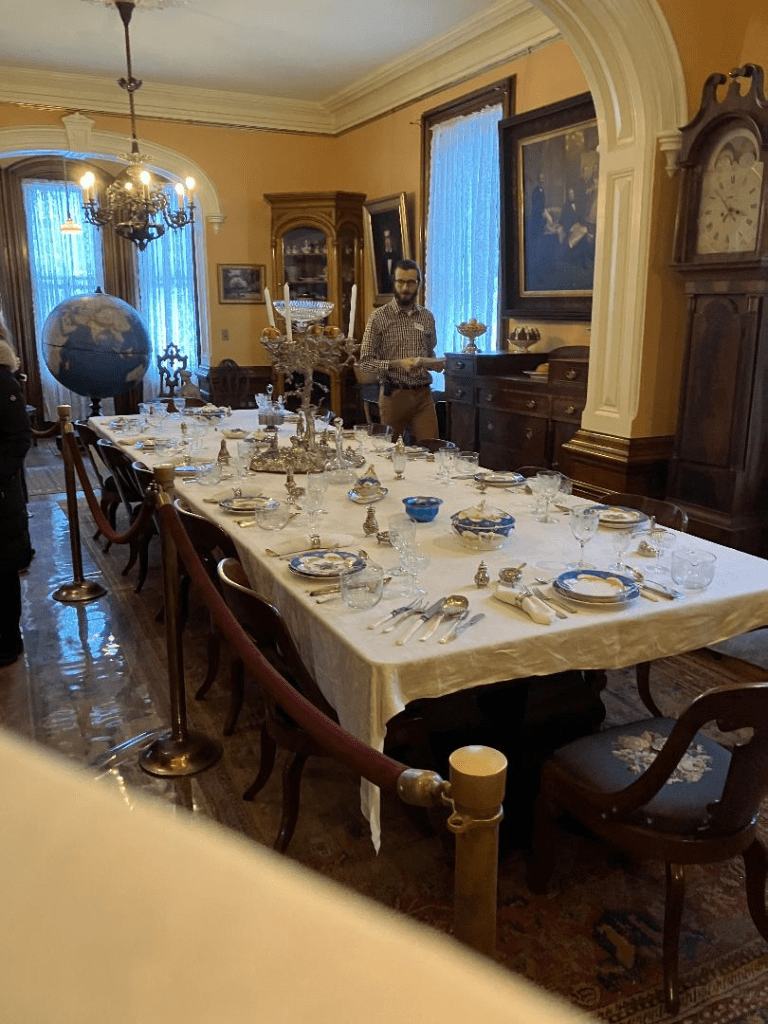
The Dining Room – 2 views

Note the small blue dish on the table, a Tiffany classic. There are several Tiffany pieces in the home.

A better picture of the far end of the Dining Room.

One of Seward’s sons was known to have eaten lead based paint as a child and was brain damaged from this incident.

Another son became a career military man, and since the family were pacifists he remained on the periphery of the family and was ridiculed.

Mrs. Seward was cruel to her servants, especially the Irish of which were 80% of the servant population. It was stated she was a spiteful and outspoken critic of many people. On a trip to the White House Mrs. Lincoln refused to meet with Mrs. Seward.

The upstairs parlor and our very eloquent docent.

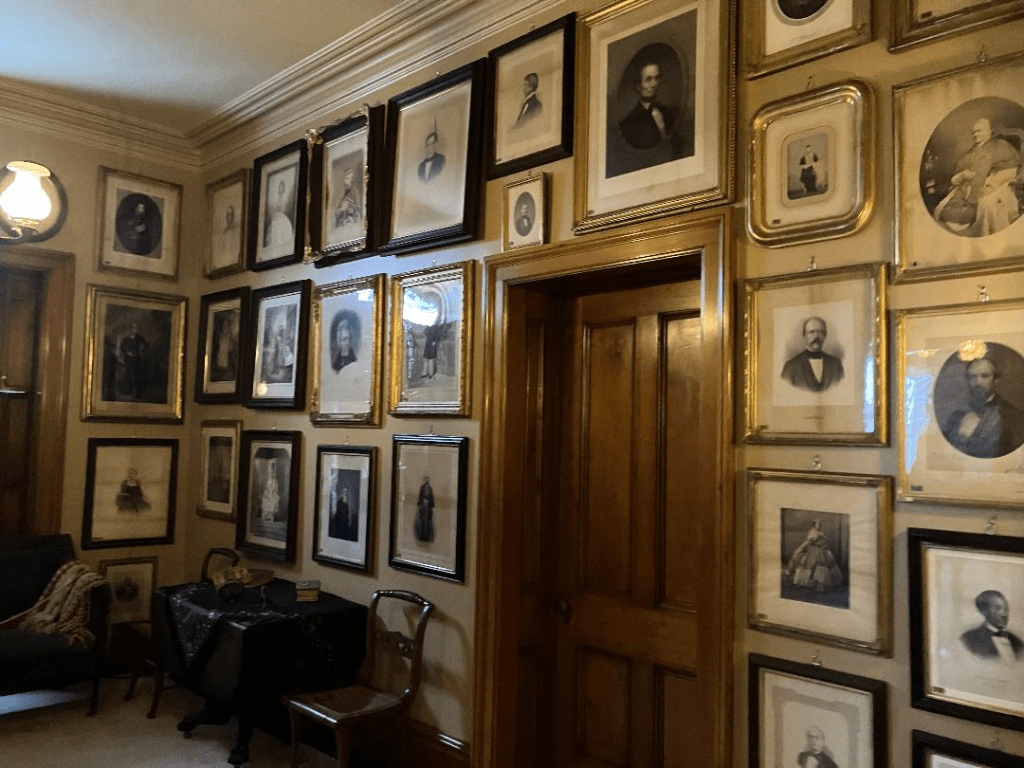
The second floor landing with an array of portraits.

The Kitchen – in the basement of the home.

And we ended the tour in Seward’s office. Picture on the wall is his wife, Frances.

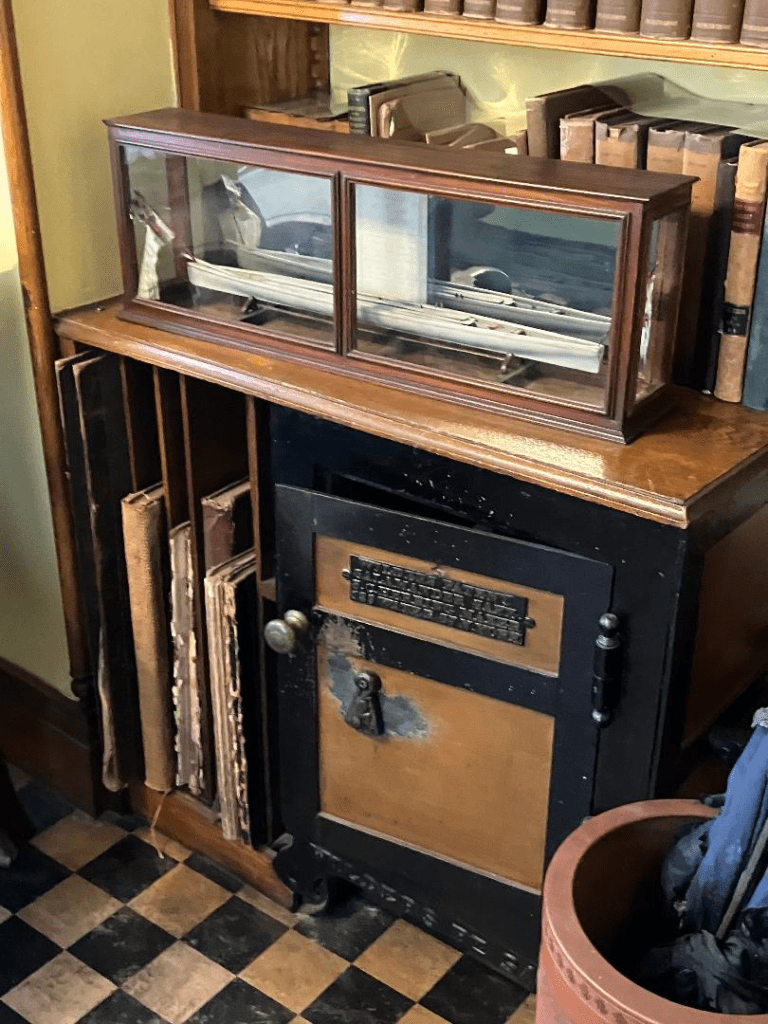
The office safe.

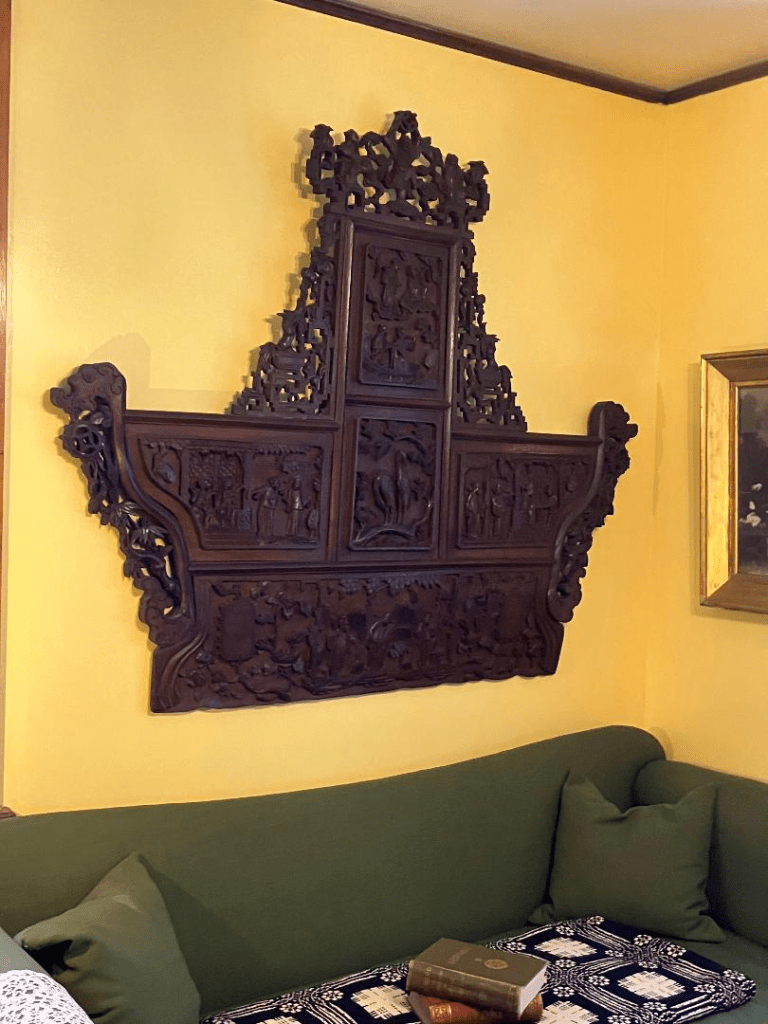
A gift from a visit to China hangs above the couch.

\XXXX

A unique visit to this former Secretary of State’s home..

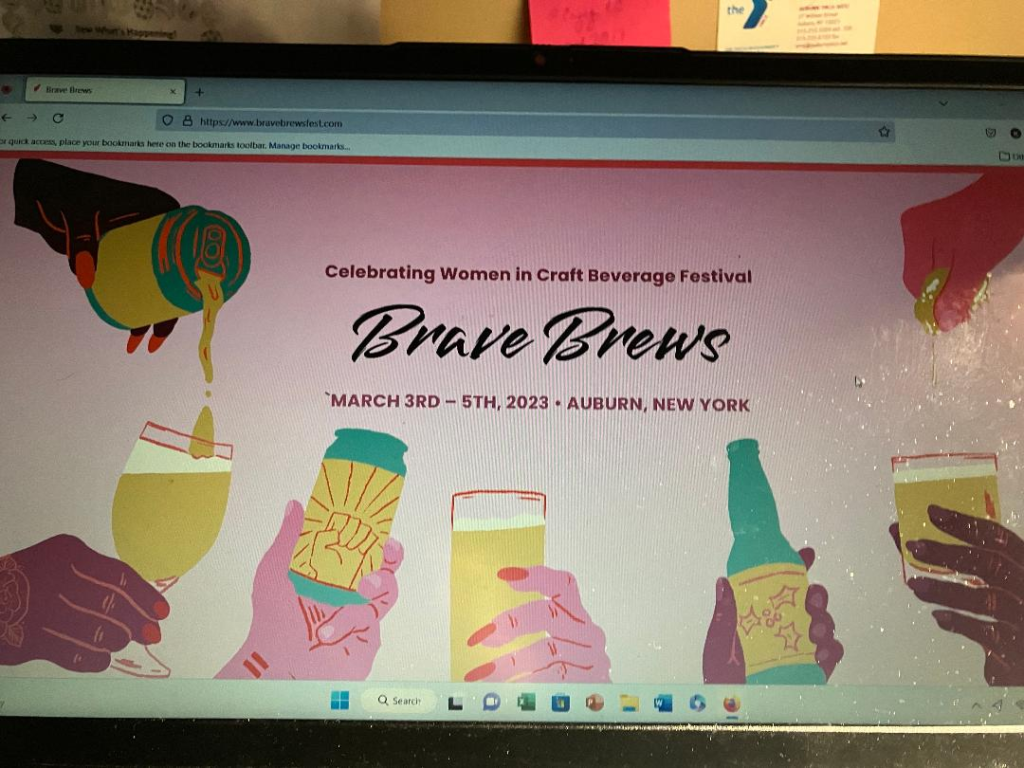
Brave Brew Weekend

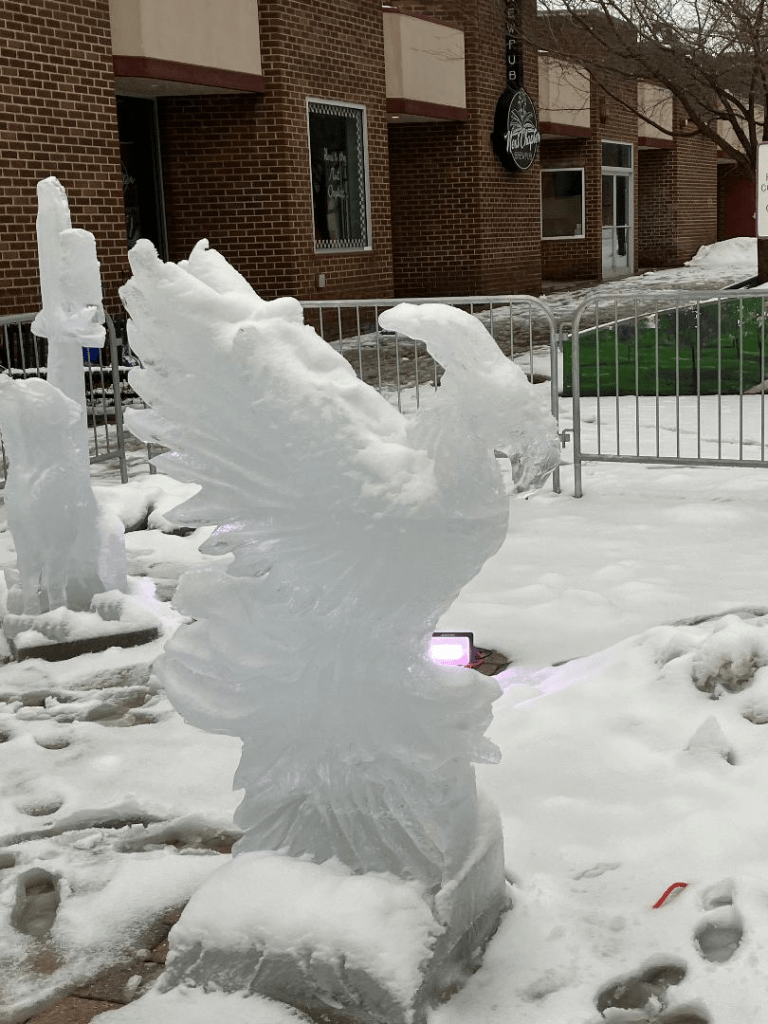
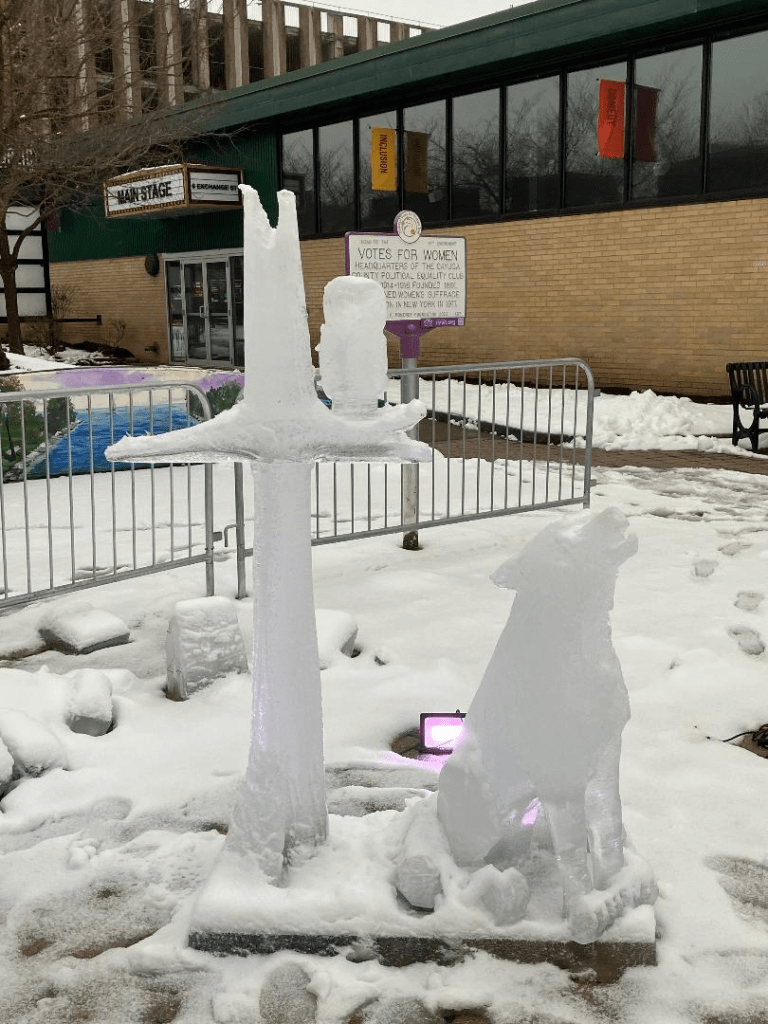
The first weekend in March the City of Auburn sponsored this fun event. Let’s continue with the ice sculptures..

And on to a late morning sampler of 5 – 5 oz beers with bagels for $15. at Prison City Brew Pub.

Then on to a new pop-up Jamaican buffet spot. Yum…

And next stop the newly reopened Seward House with family stories…

The George Eastman House

What a beautiful home, my favorite even including the Newport Mansions! Here it is in pictures..

Entrance to the home is through the Museum.

The Dining Room

What a warm and elegant room.

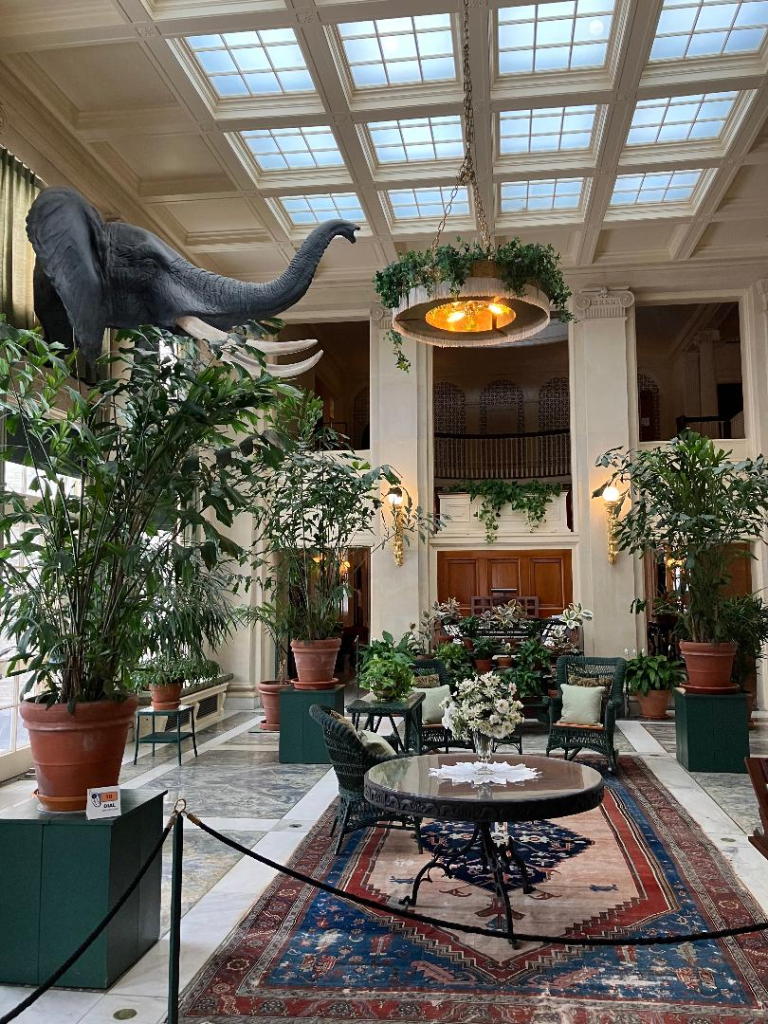
The Conservatory

In the rear of the room is an organ which plays throughout the home visit.

The Billiard Room

Fireplace in the Billiard Room

The Library

The entrance and stairs to the second floor. The home is available for weddings. One can imagine how breath taking it must be to see a bride and bridal party photographed on these stairs.

The Living Room area

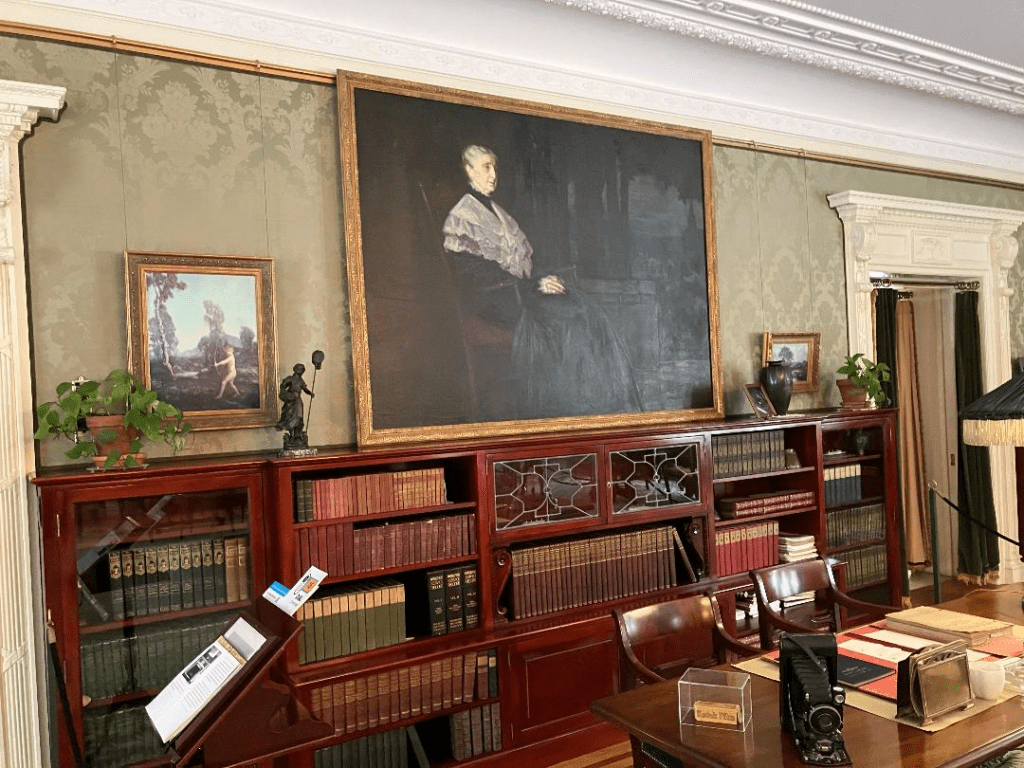
A portrait of George’s mother above the bookcase.

More of the living room, George’s desk. 85% of the items in the home are original.

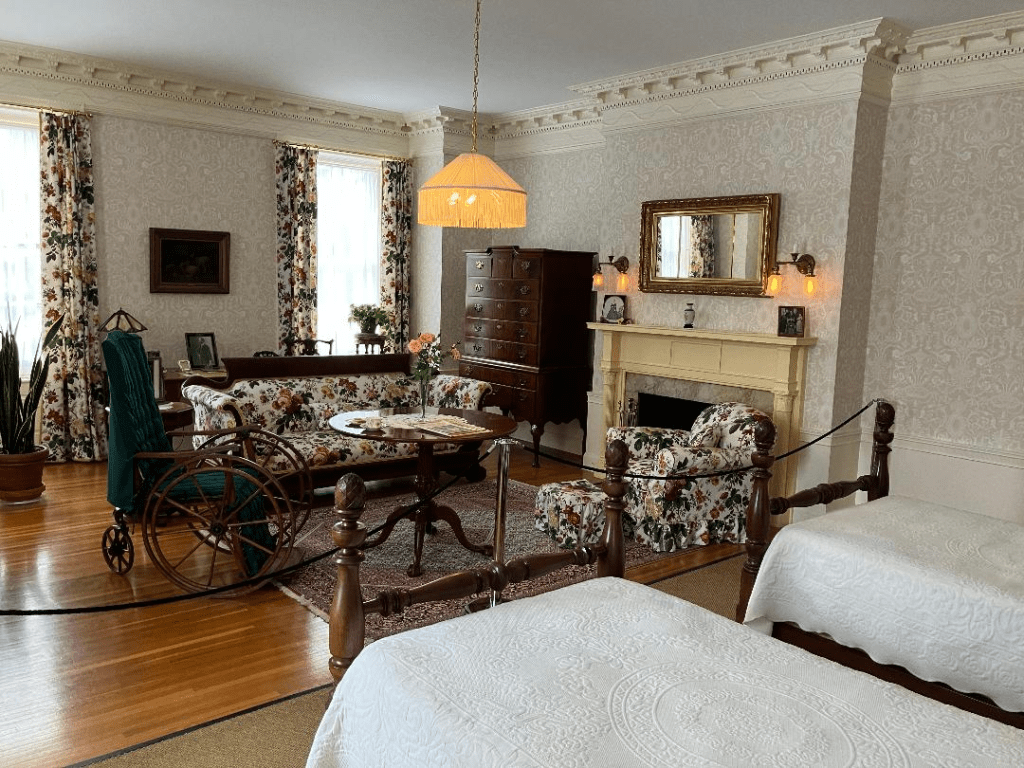
George’s mothers bedroom and bath

In the remaining rooms there are camera exhibits, a children’s room, and home movies Eastman took of the home and farm. These films give a fascinating glimpse into Eastman’s life.

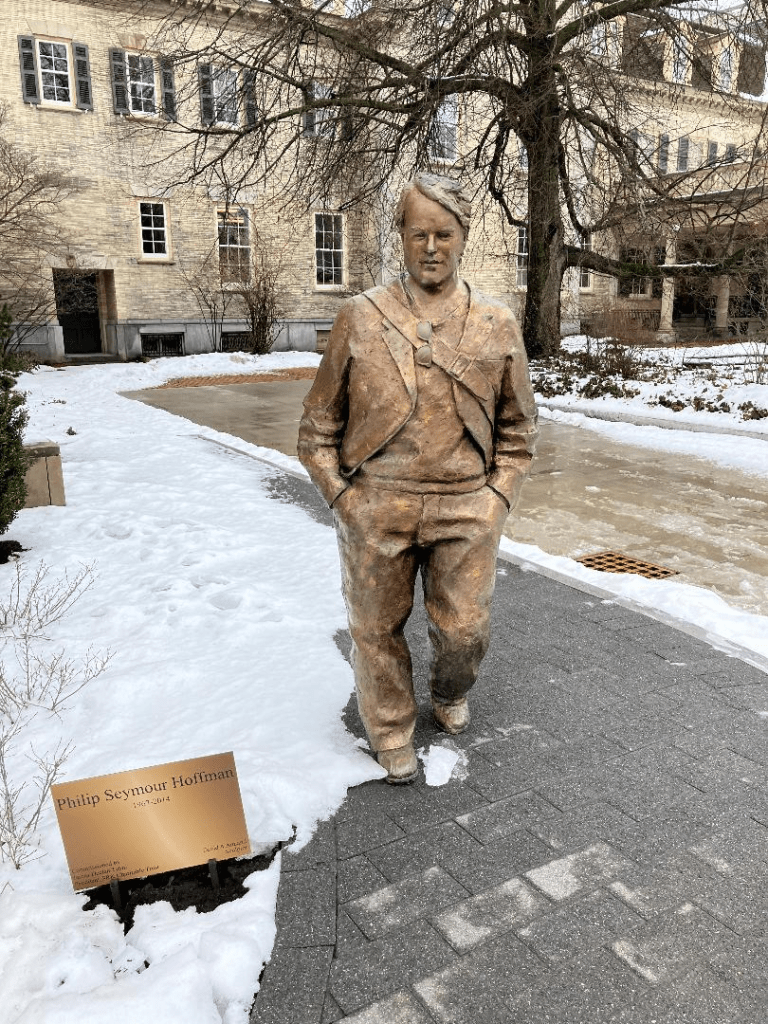
What a phenomenal visit. Upon leaving came across this statute of Phillip Seymour Hoffman in front of the Eastman Cinema. Originally from Fairport, New York, he is known to be one of the most talented and versatile actors of his time. He left us tragically at 46, and his eldest son, Cooper, recently was seen in Licorice Pizza. Captivating tribute to an amazing actor.

Exhibits: Marcia Resnick and Alan Ekberg

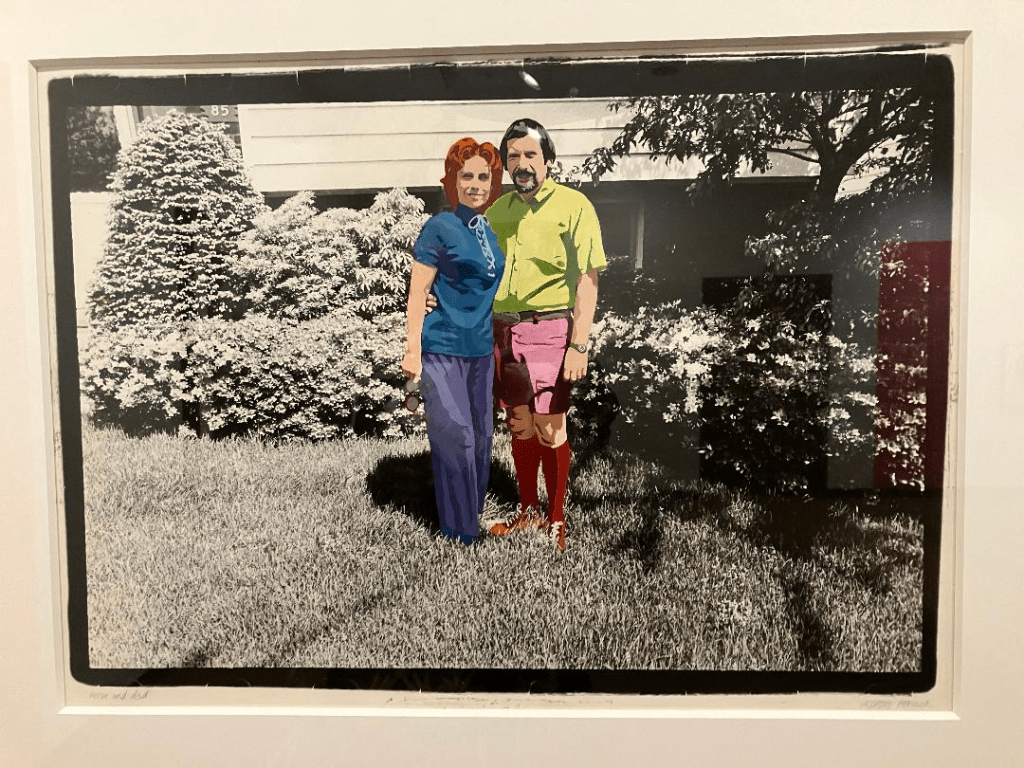
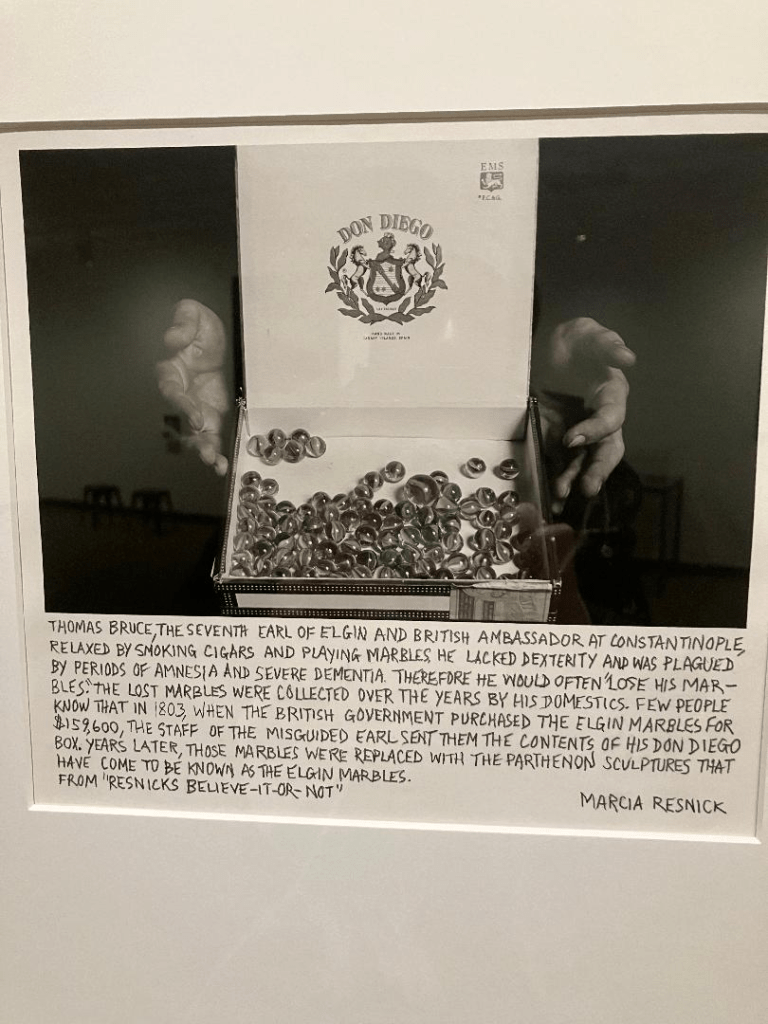
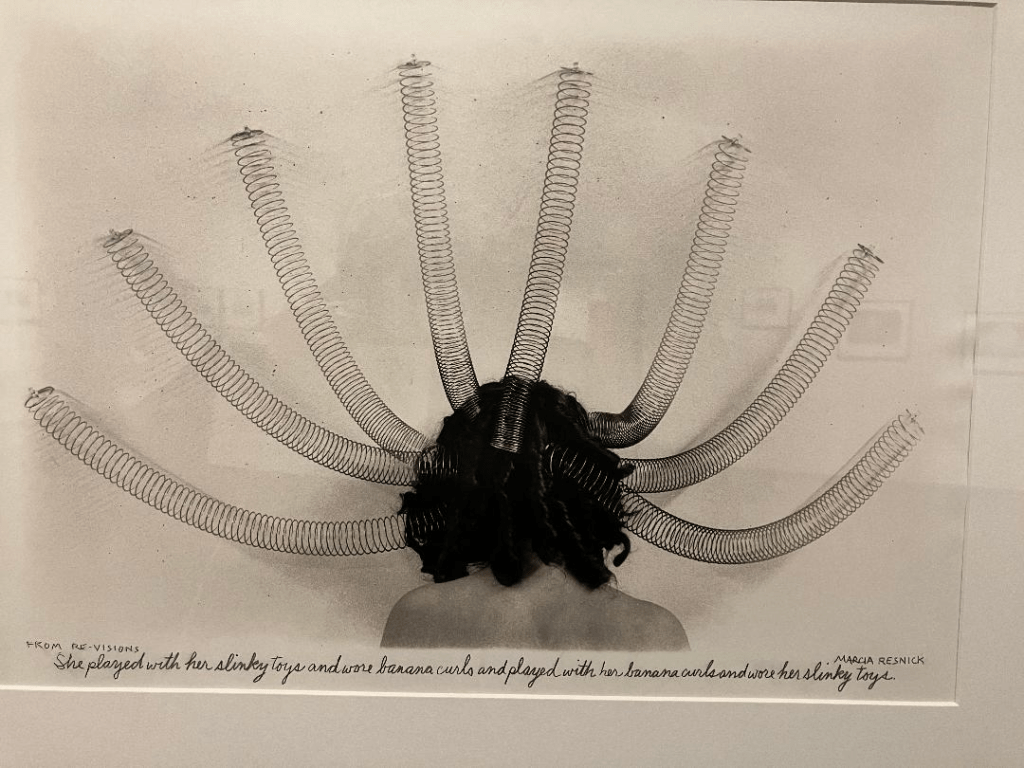
Marcia Resnick is a NYC Bohemian of the 1970-1980’s and still alive at 72. She is unorthodox and avant garde, born in Brooklyn. Educated at NYU, and Cooper Union, she then moved to California for further education at the California Institute of Art but returned to NYC. She has written books, and has an eccentric sense of humor. This is seen in her cartoons and writings.

Growing up in the 1970’s, she began her career photographing Viet Nam War demonstrations. She embellished her photos with gelatin color and metallics. While her works in this exhibit only included the 1970’s, she is still alive and kicking. Interesting woman.

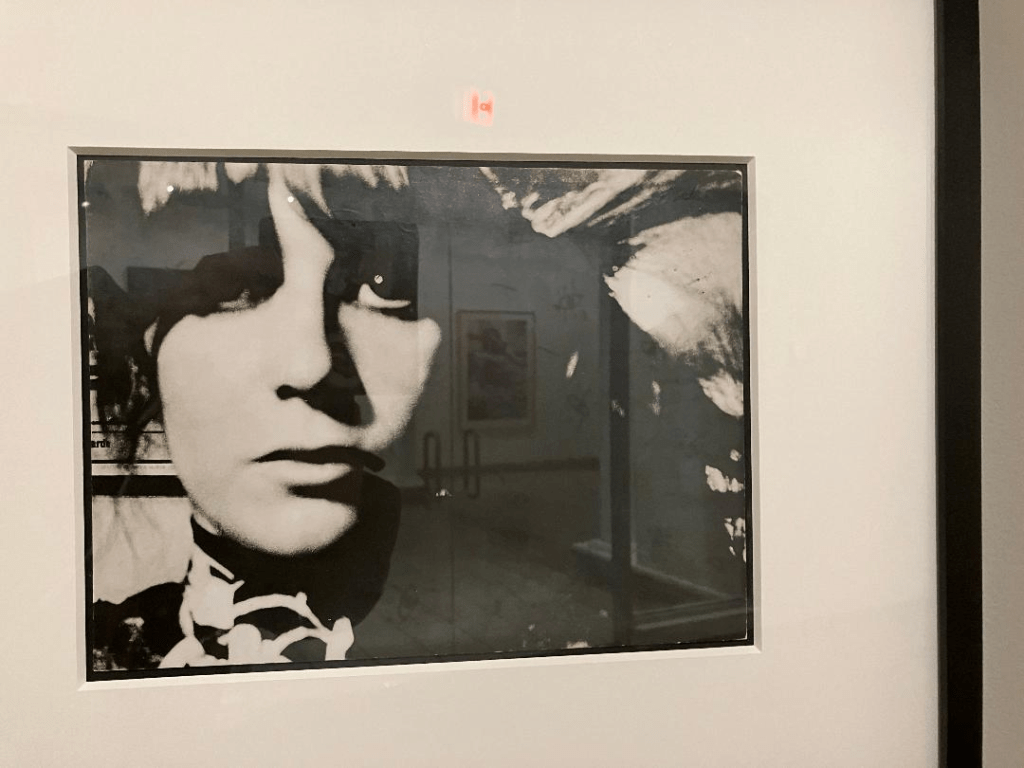
Marcia at the time of these photographs

Her parents – note the color style..

A Travel Photo

The Grand Canyon

Her humorous side

Photo of a friend, John Belushi

Another friend and activist – Susan Sontag

One of her cartoons.

And let’s end with a final joke..

ALAN EKBERG

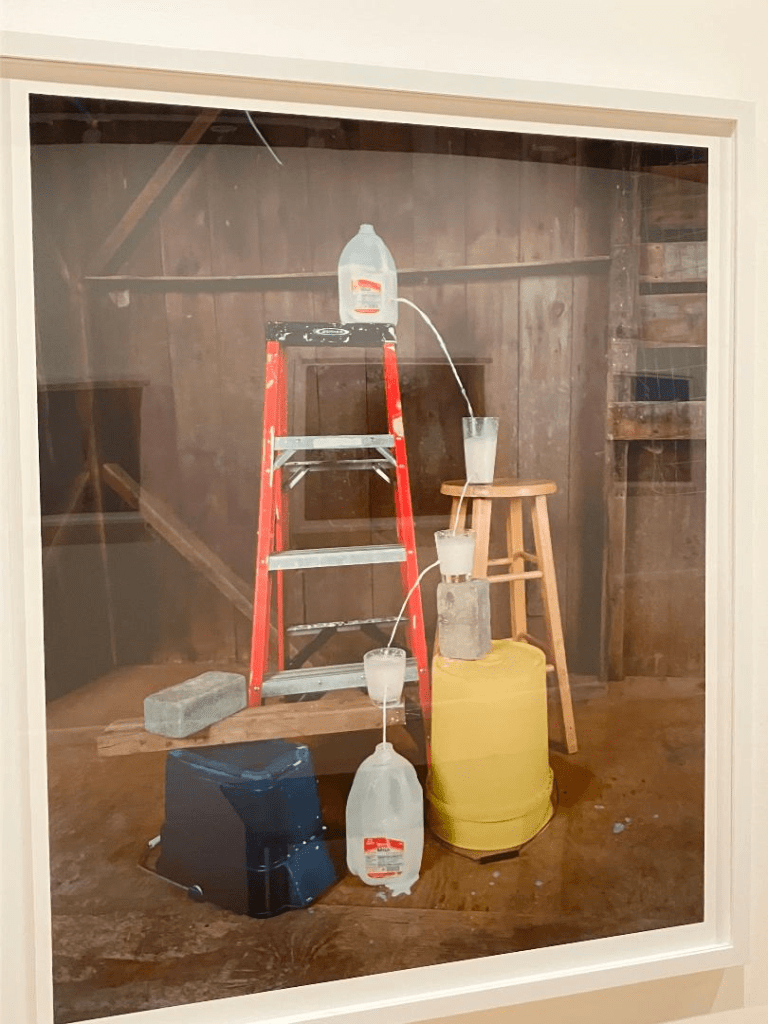
Photographs of whimsy was seen in this exhibit. Alan draws his work then develops photographs from these drawings. Interesting and unique, here they are:

Next: George Eastman’s Home

Eastman Kodak Exhibits

In the hallway leading to the Museum exhibits were some interesting historical cameras and paraphernalia associated with photography. Let’s take a look.

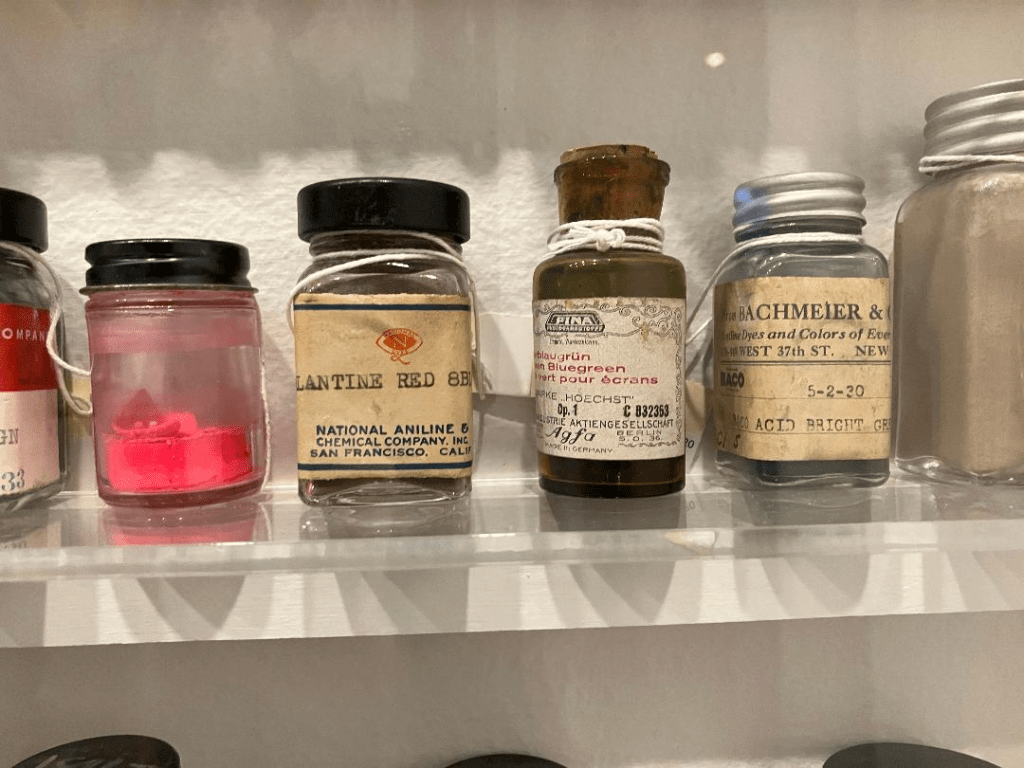
This wall contains bottles of color for the films. And a close up..

My how things have changed..

And some cameras for filming movies and beyond..

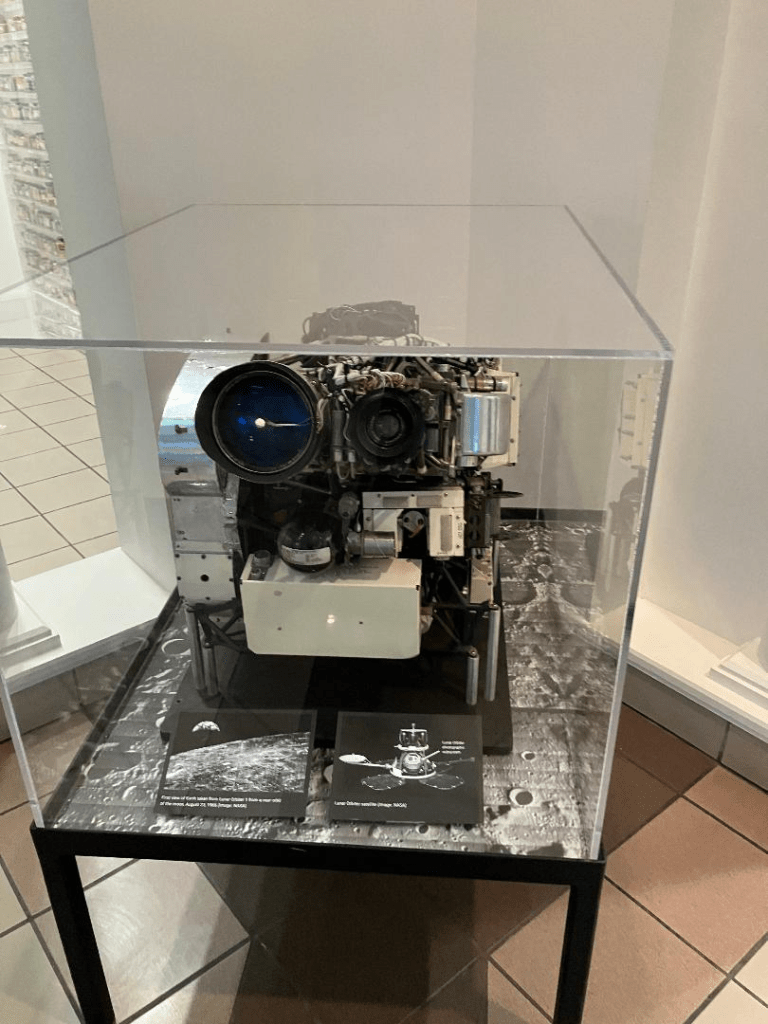
This 1967 gem was used in the Lunar Orbiter Program photographing both sides of the moon. Its pictures helped decide where the lunar landings would be for the Apollo space program.

Now, the historic cameras..

The Motiograph Deluxe Projector, circa 1928, was one of the last projectors used in the silent film industry.

Panaflex Gold II 35 mm camera. was a wide screen camera system created for MGM. Julia Roberts has also attended the Museum, and am sure her husband, a camera man, also visited to view these fascinating historic cameras.

xxxx

The first exhibit was a collection of war photographs. Below are photos from the Civil War. Beyond this were photographs from other past wars. For war buffs they would be of interest, however, found them disturbing and will only include the below selection.

It is a revolving exhibit.

Next: Modern Photographers

George Eastman Home and Museum

Really enjoyed this Museum, and if Rochester gets their act together with some fast EV chargers would like to return to the area for the May lilac festival, and to visit this Museum’s gardens in bloom. The Eastman home is beyond lovely, and at one point in time was 8.5 acres in size, and a working farm. It is a must see.

George Eastman

George Eastman began his life as a bank clerk. He became obsessed with creating an easier way to make photographs. Spending all his free time in this endeavor, he created a process. Calling the company Kodak, as he liked the letter K, and randomly placed the rest of the consonants and vowels he came up with a name which remains a standard recognized world wide.

xxxx

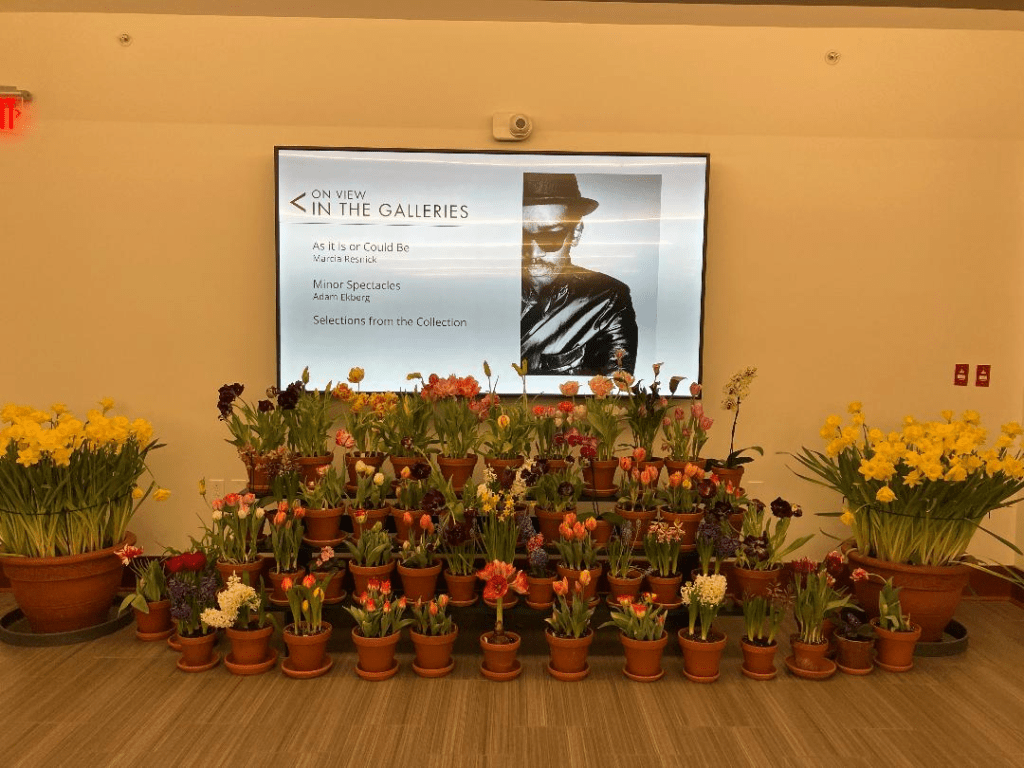
The Museum has many events with films shown several times a week in the evening. Above is remnants of their flower exhibition had just closed.

xxxx

The tour information stated George’s company went from his mother’s kitchen to the globe, and how true a statement.

Once the Kodak trademark was registered in 1888, the camera was sold with film for 100 pictures for $25. Upon completion of the film it was returned to the Rochester factory for developing and printing for $10. The owner received the camera with a fresh roll of film. It is said the camera made excellent pictures.

The camera that began it all. Reminds me of a bird house, wouldn’t you say?

George was excellent to his employees giving health care benefits, and even tuition reimbursement. He was a major philanthropist giving away $100 million prior to his death, and at his death bequeathing the remainder of his fortune to MIT, University of Rochester, and Tuskegee Institute. His home was given to the University of Rochester president for 10 years upon his death, however later became a Museum as the cost of maintaining the home was prohibitive.

xxxx

The Museum foyer has a cafe and small gift shop.

Was told Rita Moreno visited recently.

xxxx

Eastman never married, however, did have a female companion who accompanied him on his far reaching journeys. He always thought women were after him for his money, and was consumed by his business, philanthropic, and community responsibilities.

For those camera enthusiasts there are displays of every type of camera throughout the Museum.

Next: More Museum