Erie Canal Museum

What a fascinating visit and step back in history.. Long before the Eisenhower Road System this Canal was a dream of our first president, George Washington. He wanted a canal system linking Washington D.C. through to New York City and beyond. The plan lay dormant with his death, and Thomas Jefferson who followed shortly after had no use for a canal system. Since Jefferson’s block was mainly political, as he wished Virginia to be the main port rather than New York City, it fell to De Witt Clinton of New York to find funding to build this Gateway to the West.

A Canal Boat with the back drop of the Albany State Capitol Buildings

DeWitt Clinton held many positions in New York politics, and as Governor he presided over the construction of the Erie Canal from 1817 to 1825. He believed infrastructure improvements could improve American life, and it did.

Map of the first version of the Erie Canal

The Erie Canal Today – now known as the Canal System which is mainly used for recreation and tourism.

In 2025, major celebrations are planned for the 200th anniversary.

This hand dug canal was created mainly by farmers using elementary farm tools. It was 4 foot in depth and 40 foot wide. In 1862, the Canal was enlarged to 7 foot depth and 70 foot wide.

So how did the Canal work? It moved through the waters via horse power with young boys pulling the horses. In rough and uneven waters locks were created to raise and lower the water height.

The Barge approaching the lock.

The doors to the lock close behind the barge and the water level is elevated.

Rising waters are fed through a series of “windows” on the side of the lock.

An aerial representation of the barge in the lock. The Canal created many jobs and small towns blossomed with its industry. The barge also transported people to the West (Buffalo). While not all who took this ride appreciated it due to inclement weather, it was a quick transport of 5 days from Albany to Buffalo.

The building of a lock.

In 10 years with a series of tolls the Canal paid for itself. The Museum currently sits on the last remaining Weighlock Building, which was one of the 7 weigh stations on the Canal where these tolls were collected..

The Weighlock Building and below pictures of the interior.

Let’s end with some pictures of an actual barge and its interior.

What a fun visit and a must see, especially if you have kids..

Syracuse Stage

,Attended the Sunday matinee of Espejos: Clean. The play acted in Spanish and English portrays the lives of 2 women from varied socioeconomic backgrounds who harbor the same secret. Well acted and staged, the 2 1/2 hour production gave insights into these women who while culturally diverse held similar demons.

Am sure much more will come from this young playwright, Christine Quintana.

The Syracuse Stage originally began as the Regent Movie House in 1914, and since 1974 it transitioned to a non-profit professional theater company producing over 300 plays and musicals. It is an integral part of the Syracuse University Department of Drama.

Great service and reasonable prices at their bar. Love that Saranac Root Beer, also many wines and liquors available.

The Lobby

xxxx

The play runs through March 5.

Tickets $35.

820 E Genesee St, Syracuse, NY 13210

(315) 443-3275

stageboxoffice@syr.edu

http://www.SyracuseStage.org

Baltimore Wood Nature Center

This Nature Center is 270 acres of forests, fields, and wetlands, as according to their trail information. Recently, an additional 90 acres have been added through donor contributions. The Center also has children’s and adult programs.

The Nature Interpretive Center – worth a look especially if bringing young children..

And some watercolors from a local artist, Sally Stormon.

The Trails

Looking forward to a spring visit.

Skaneateles, New York

Skaneateles lies on one of the several Finger Lakes. It is an affluent community of much beauty. Derek Jetter is rumored to be building a home here. Founded in 1830, it was originally part of the town of Marcellus, and was incorporated as a village in 1833.

According to the Skaneateles history page Irish immigrants came here to work in factories, industries, and on the Erie Canal. Others became farmers or merchants. Many wealthy New York City residents summered here due to the climate and beautiful waters.

Take a look..

The Historic Sherwood Inn

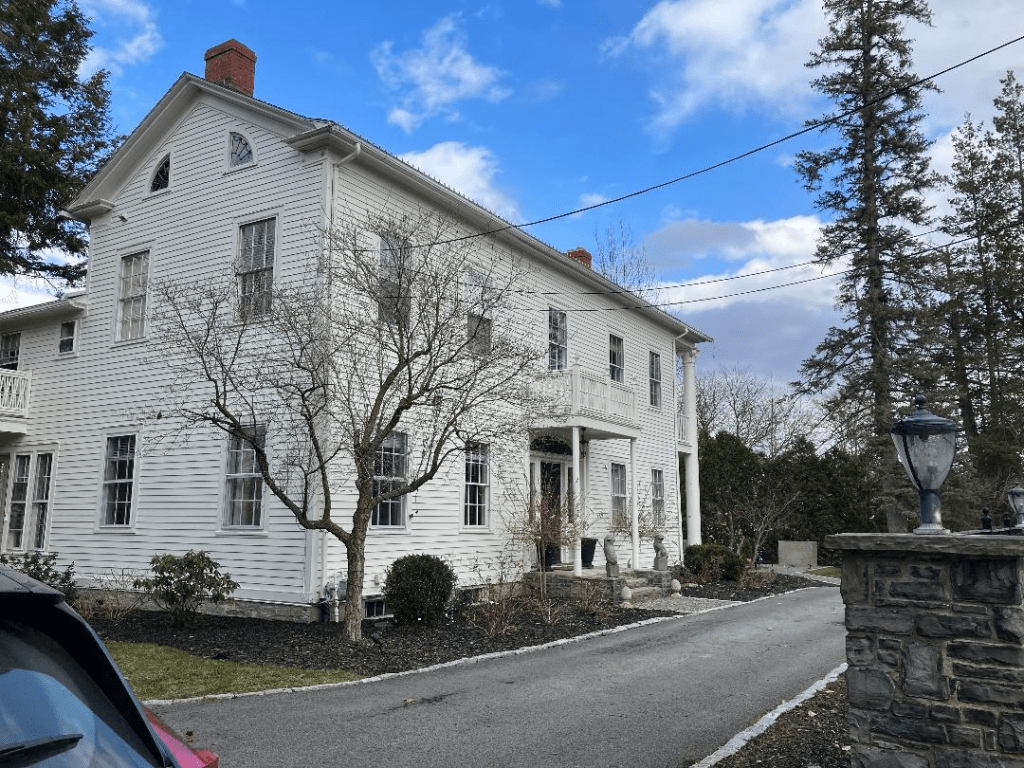
Aren’t these homes exquisite? And they overlook the Lake – what a view from the porch…

A modern beauty in the area..

A home which was on the Underground Railroad.

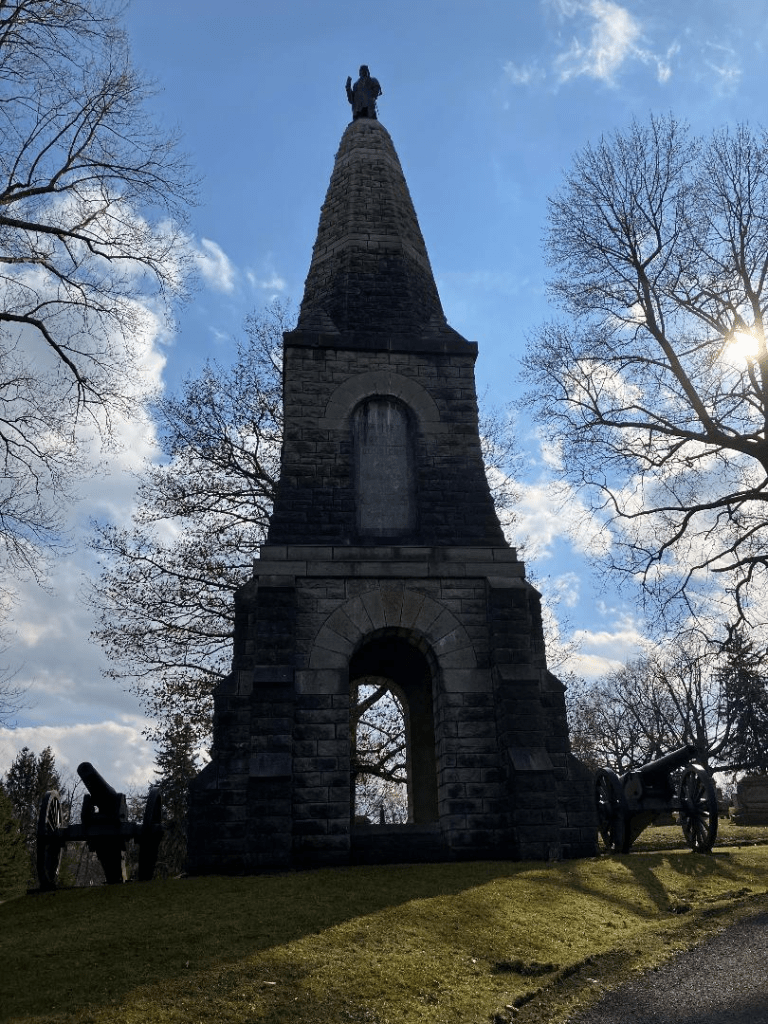
And for those who are interested in historic cemeteries – the Lakeview Cemetery

The Burrows Chapel – owner of the Burrows-Mohawk Mills built this Chapel.

Another interesting visit to a Finger Lakes small-town.

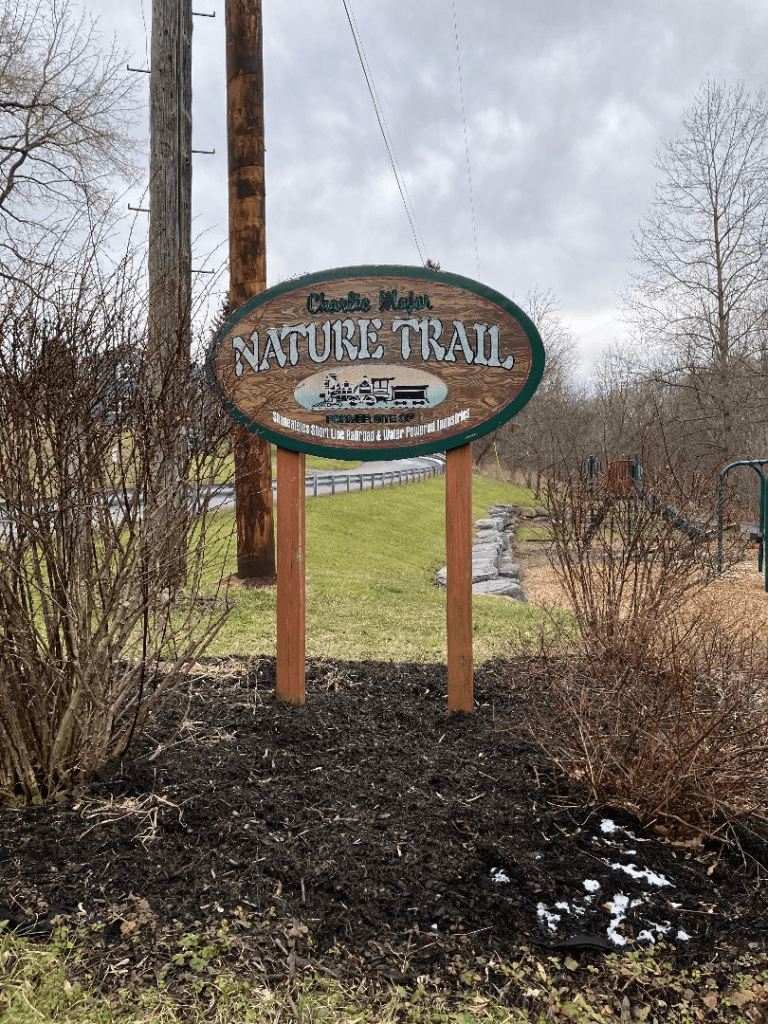
The Charles Major Nature Trail

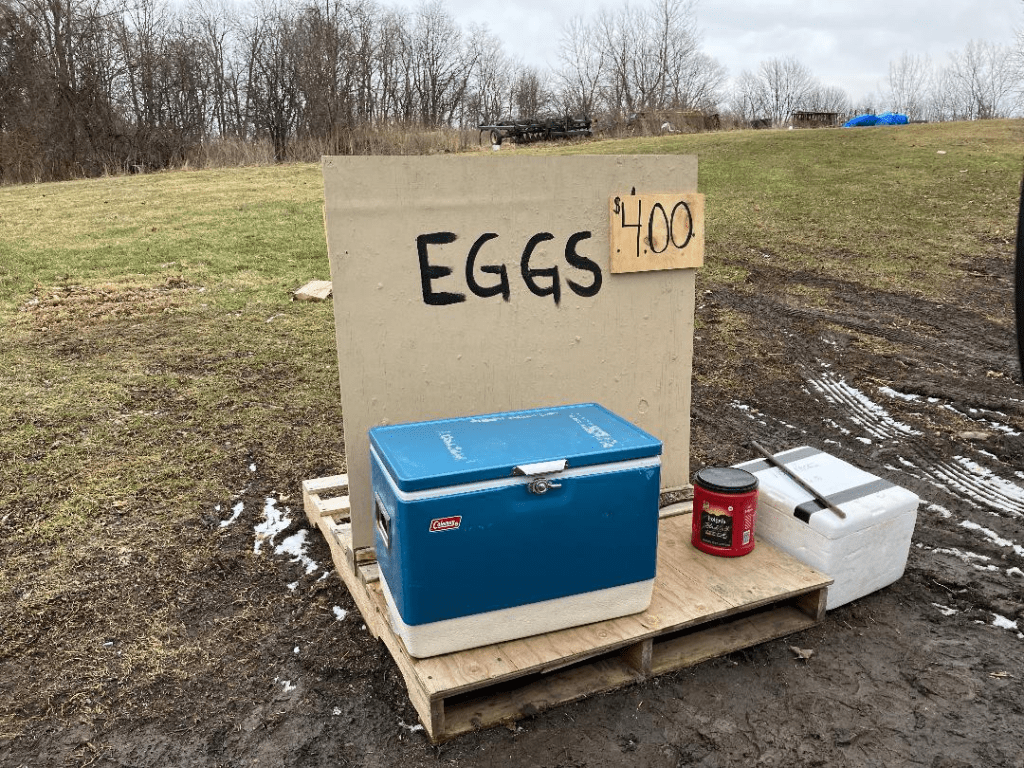
You never know what you’ll find as you travel..

What a deal!

Another deal was this lovely nature trail.

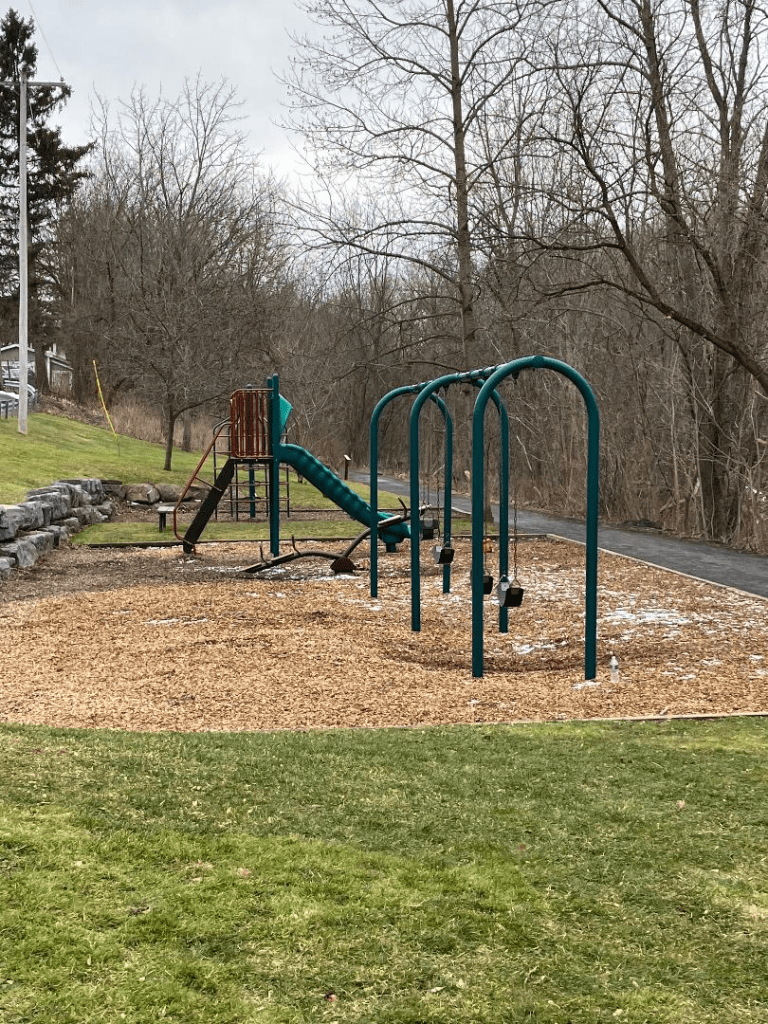
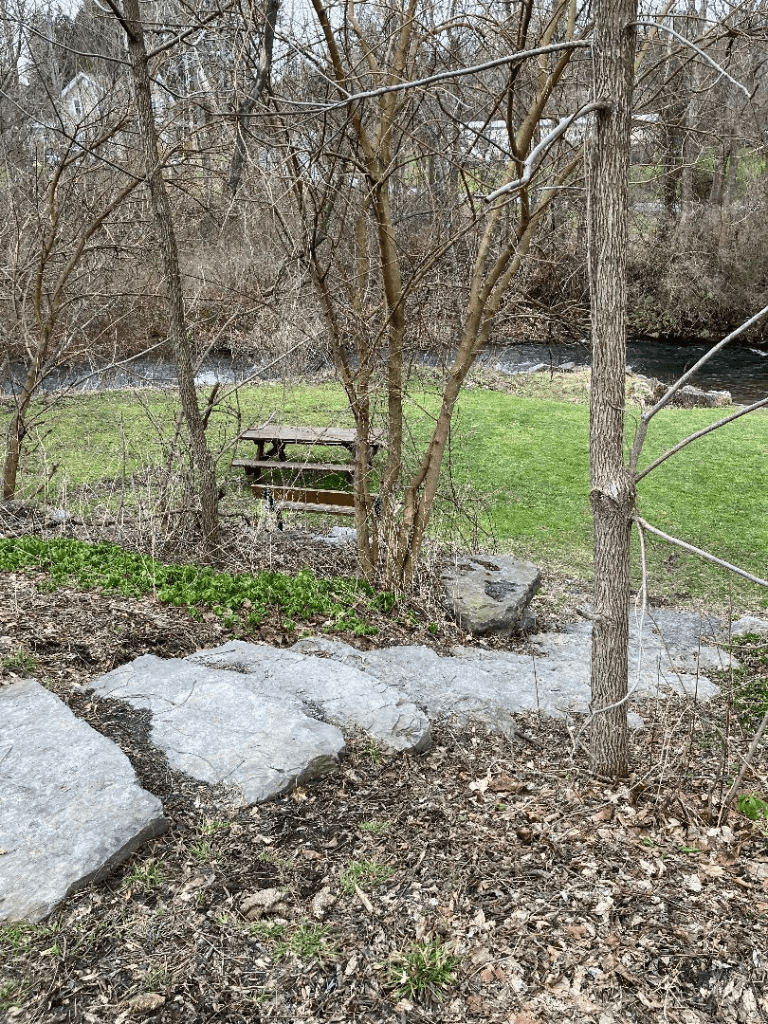
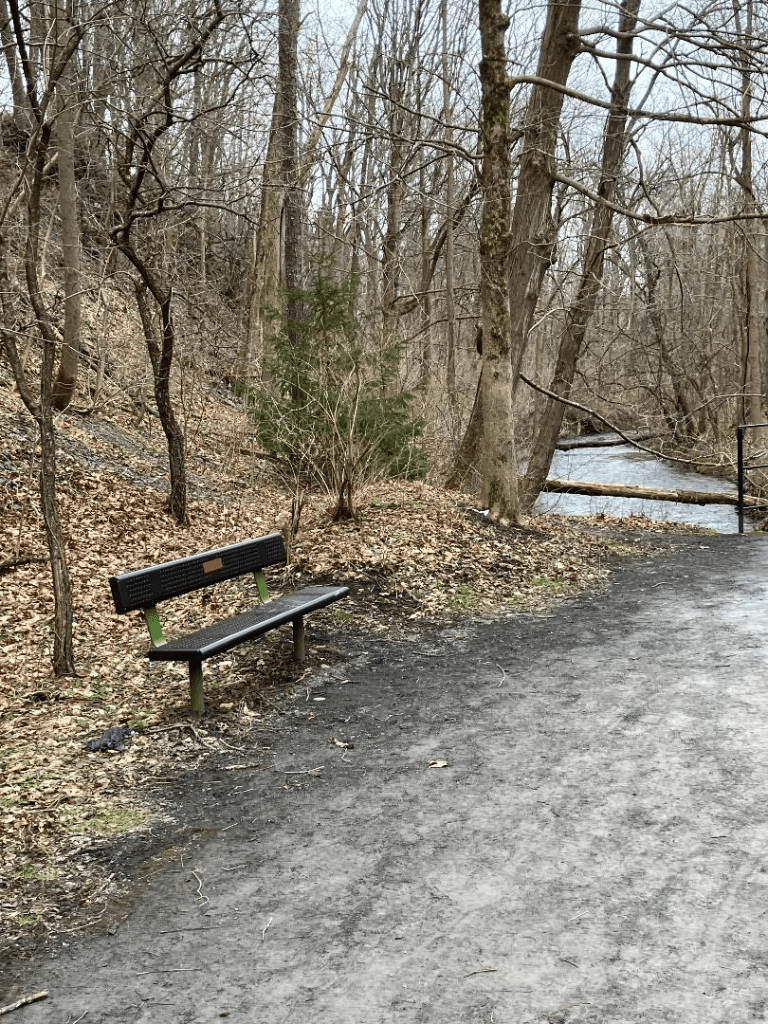
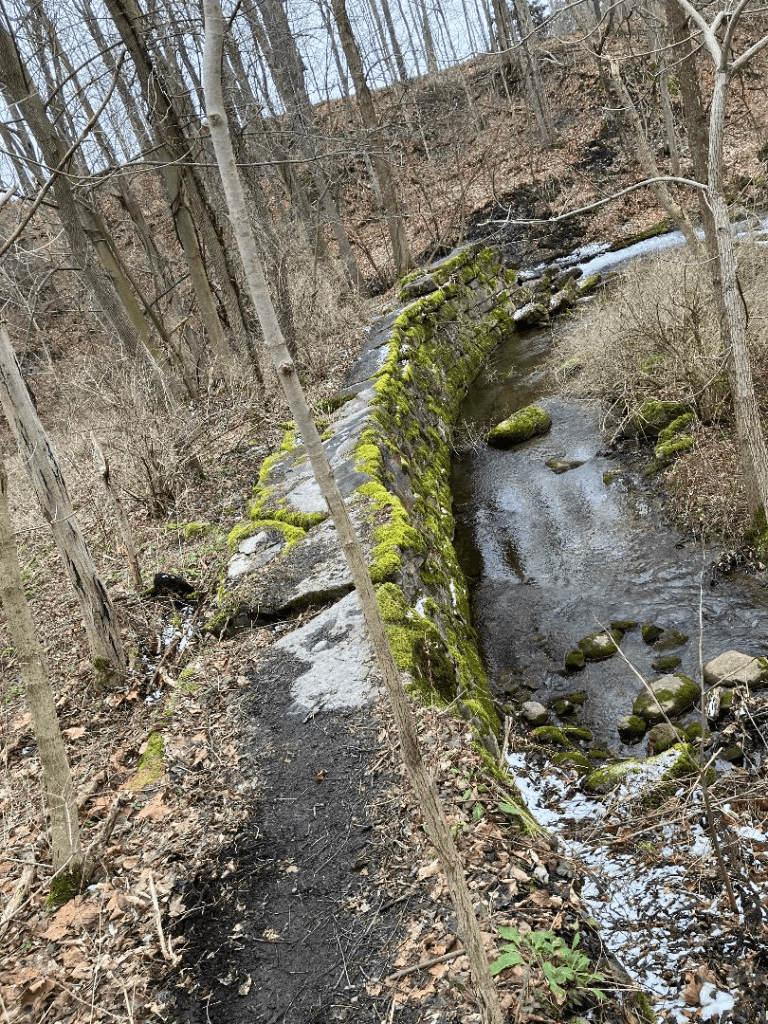
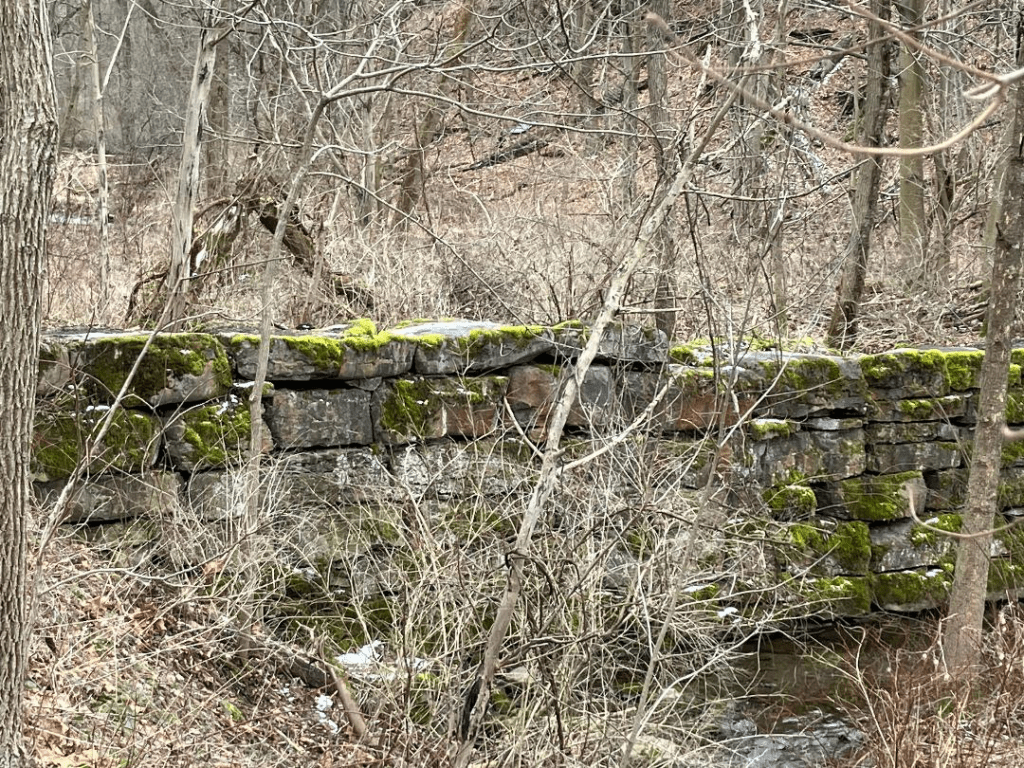
As I walked the trail noted stone walls, slight water falls, and much beauty amongst playgrounds and picnic tables. Wondered what these former sites were. Later I found the area was formerly a rail road line, and the waters provided power for a grist, paper and woodworking mill. At one point there was also a ceramic factory and boat building operation on the trail. What a fascinating history. For the exact location of this Skaneateles, New York, find check out,

https://www.traillink.com/trail/charlie-major-nature-trail/

and bring the kids. Dogs not allowed but saw many on a leash.

Interesting graffiti along the path, unsure what this formerly was?

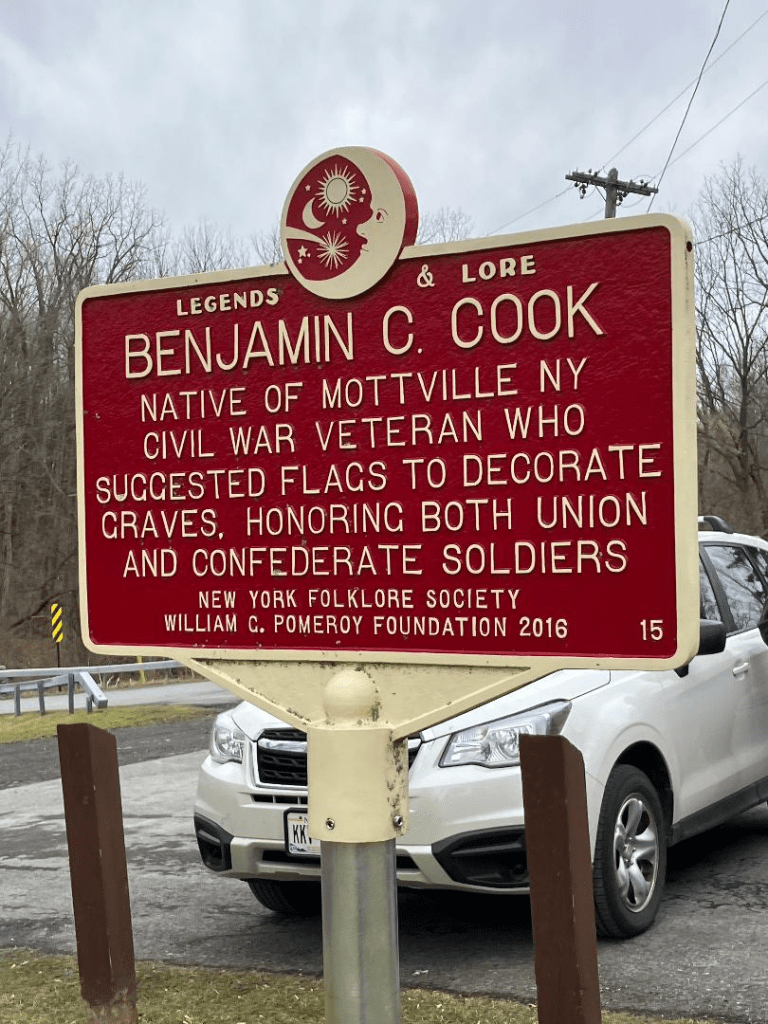
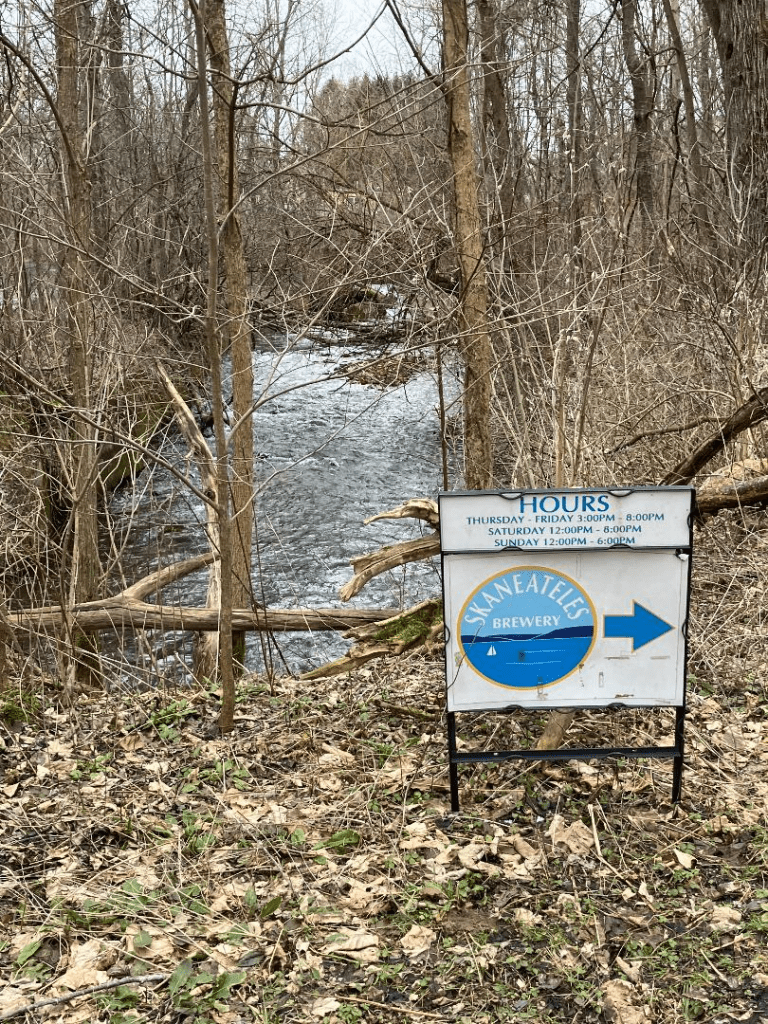
And came across this interesting sign, what a find…

What a perfect visit for a relaxing walk.

Auburn Prison Reform

Auburn State Prison was built in 1816, as a model for prison reform. Its disciplinary system was based on silence, corporal punishment, and “congregate” (group) labor. Tiered and single cells were also some of these reforms from this time period. Americans at this time felt crimes came from the industrialization of America.

Thomas Mott Osborne, (1859-1926), was instrumental in further changes to the prison system after reading an account of an inmate from San Quentin Prison in California. He was from a family of anti-slavery and suffragette reformers in the Central New York area. Their fortunes came from farm equipment innovations which eventually became the International Harvester Company.

He entered Auburn Prison for 6 days as an inmate and was treated as such. Later he wrote and spoke to groups of his experience and was appointed Warden of Sing Sing Prison. He worked tireless to reform the prison system continuing his prison reform efforts even after his resignation from Sing Sing.

He died in 1926, and is buried in Fort Hill Cemetery in Auburn, New York.

Cazenovia, New York

What a beautiful small town! Cazenovia came through the efforts of John Lincklaen, who with 10 families came to live in the spring of 1793. It was well placed with the creek for energy to develop mills, timber and farmland. Now, its beauty remains in renovated buildings, small shops, restaurants, and a college, Cazenovia College.

Here are some of the sites.

The Cazenovia Library

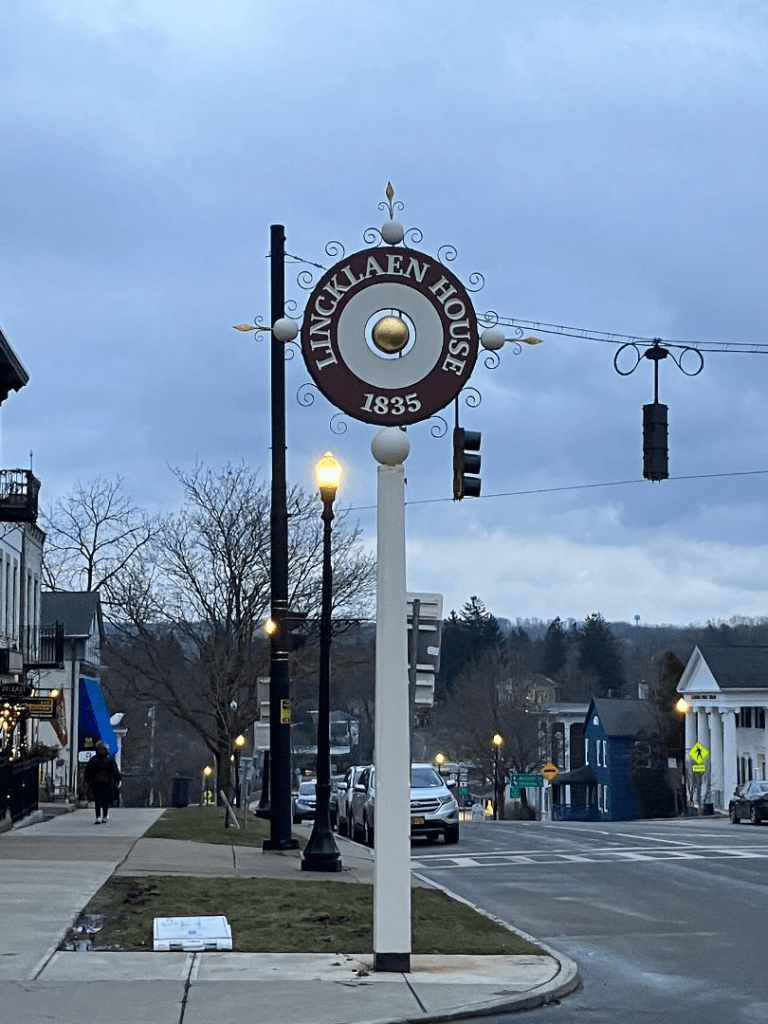
The Lincklaen House- a historical landmark since 1835, notables such as President and Mrs. Grover Cleveland, and John D. Rockefeller, dined and lodged here.

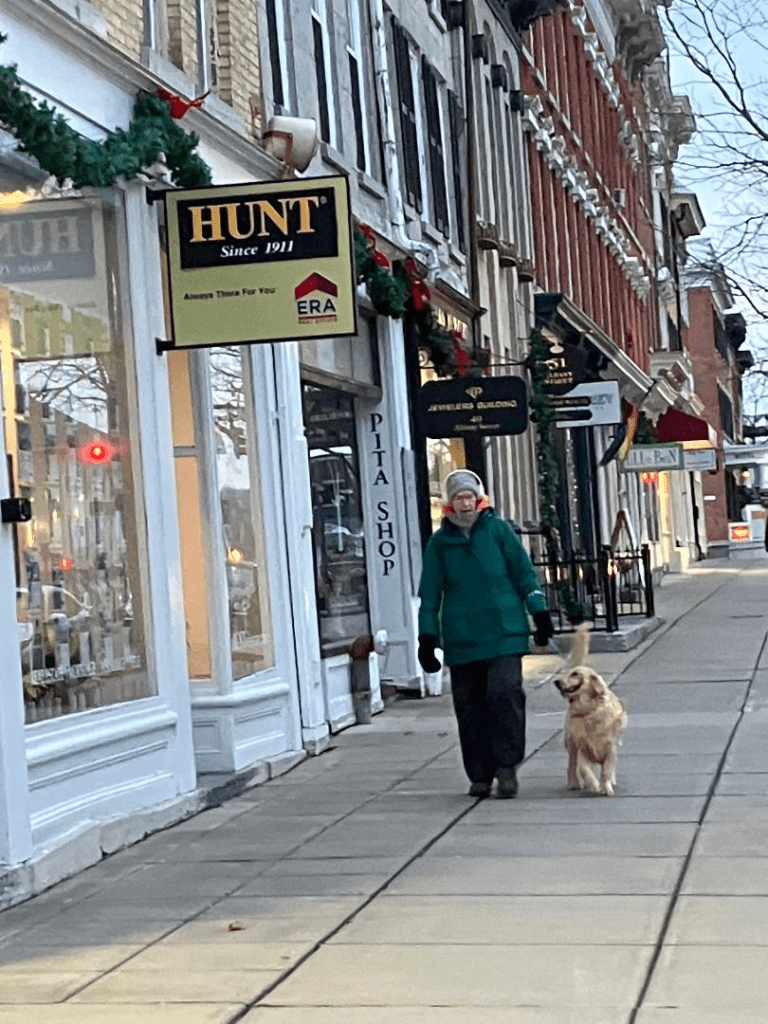
Other shops and historic sites..
Antique Stores

Another lovely Inn.. The Brae Loch Inn
..

Taken from the Cazenovia Lake Community Bulletin Board site.

Final Mention: Lorenzo State Historic Site – another must see on the beautiful Cazenovia Lake.

EV Charging – NYS Thruway, Turning Stone Casino and Oneida, New York

You never know where life will lead.

Today I journeyed back in time to visit Oneida, New York, where I had worked for several years. The area was a farming community, small town, with friendly folks when I worked there.

Drove the New York State Thruway to my destination. Stopped to use the EV chargers at the rest stop. Found them problematic, and their foreign customer service folks clueless. I left without a charge but much fodder for an email to the New York State public servants. Hope this helps to improve this service. Sad to hear that this contract service is using this brand of EV chargers at all rest areas.

Seems the chargers installed by the contract service at these sites are unable to accept charge cards, and being in the cold attempting to access this service for 20 minutes with assist from a gift shop attendant was not pleasant. The company’s foreign customer service folks were pleasant, but clueless. I left upset, and without a charge. Was hopeful Turning Stone Casino would have bountiful resources, however, found all 4 EV chargers for my vehicle in use, but the 10 Tesla chargers available and empty. Another helpful email was sent to Turning Stone this a.m. I left without visiting but met a helpful Valet Parking Manager who knew of nearby charging stations.

Luckily, these were in the direction of the route I was taking, and available.

Turning Stone Casino has become a complex of monoliths since visiting over 35 years ago. Some pictures:

The Casino has definitely created an impact in this area. Many new strip malls, fast food places, housing, and apartment dwellings have cropped up since last visit over 35 years ago, and how the little town of Oneida, N.Y. has changed.

Am grateful our indigenous population has blossomed in this enterprise.

Next stop: EV Charging, and was grateful to have helpful Anthony from the EV charging company able to get me hooked on for a charge. Found a movie theater in the adjacent strip mall and spent my next 3 hours viewing 3 of the 2023 Oscar Nominated Short Films. Here they are:

  • How Do You Measure a Year? In this 29 minute film a father films his daughter annually till her 18th birthday. Interesting how much insight a child has.
  • The Elephant Whisperers – A couple dedicates their lives to 2 orphaned elephants. What a beautiful story and a must see. It is a photographic masterpiece.
  • Stranger at the Gate – A man who visits an Islamic Temple to murder the inhabitants is transformed and becomes Islamic.

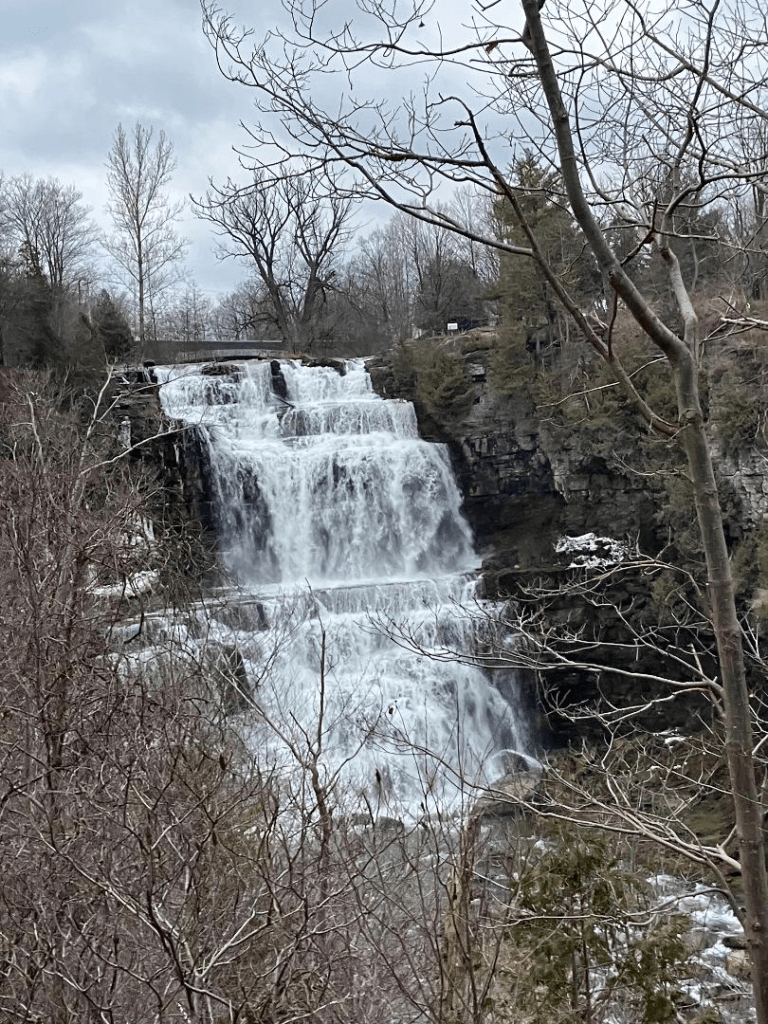
And in closing a picture of Chittenango Falls, another part of the visit..

Walking With Harriet Tubman

What a fascinating tour given by Justin Harris of:

conductortours@gmail.com,

315-237-4314

for reservations and more information.

We met at the NYS Equal Rights Visitor Center walking 90 minutes through Auburn. Here’s some snippets of what I learned on this tour.

Harriet’s Early Beginnings

At 6, Harriet was leased to an owner where her tasks were chores in the day, and caring for the owner’s children at night. She was warned if she did not keep the children quiet she would be whipped. Since this did not occur, many whippings ensued. Harriet also had a 2 pound weight thrown at her neck later causing epilepsy for the remainder of her life. Her injuries left her unable to learn how to read or write. Weak from these injuries she was unable to be sold off.

Justin beginning the tour at the Center

Years as a Young Woman

Later in her life she fell in love, and married a free man, John Tubman. Though not a legal marriage, as she was not allowed to legally marry as a slave, with John’s assist she became stronger. During this period she hired herself out for $60/year to purchase her freedom. She saved and prayed, fearful she would be sold.

When her owner died his wife acquired his assets, and Harriet made a plan to flee through the Underground Railroad. She and her brothers began the journey, however, her brothers returned to the plantation. Harriet continued and made it to the Mason-Dixon Line where she acquired work as a housekeeper in Philadelphia. Her husband did not leave as this would threaten his status as a free man.

A year later Harriet returned, as she missed her husband, and family, however, her husband had legally remarried to a free woman. During her absence Harriet was unable to contact family due to possible reprisals.

The Underground Railroad Journeys

It was after this time she began to work with the Underground Railroad taking others North for over a decade. She made contacts through this work meeting many prominent people. William Seward, a prominent Auburn citizen, and later Secretary of State under Lincoln, was one of these contacts. His home was an Underground Railroad Stop. Throughout Auburn there are Lanterns marking Underground Railroad Station sites.

These “Lanterns” designate stops on the Underground Railroad.

Later Years

There was much information given on this tour, and recommend others to check it out if in the area. Besides a conductor on the Railroad, Harriet became involved in the Civil War, working as both a spy and a nurse. She also worked behind the scenes for women’s rights along with other suffragettes in the area.

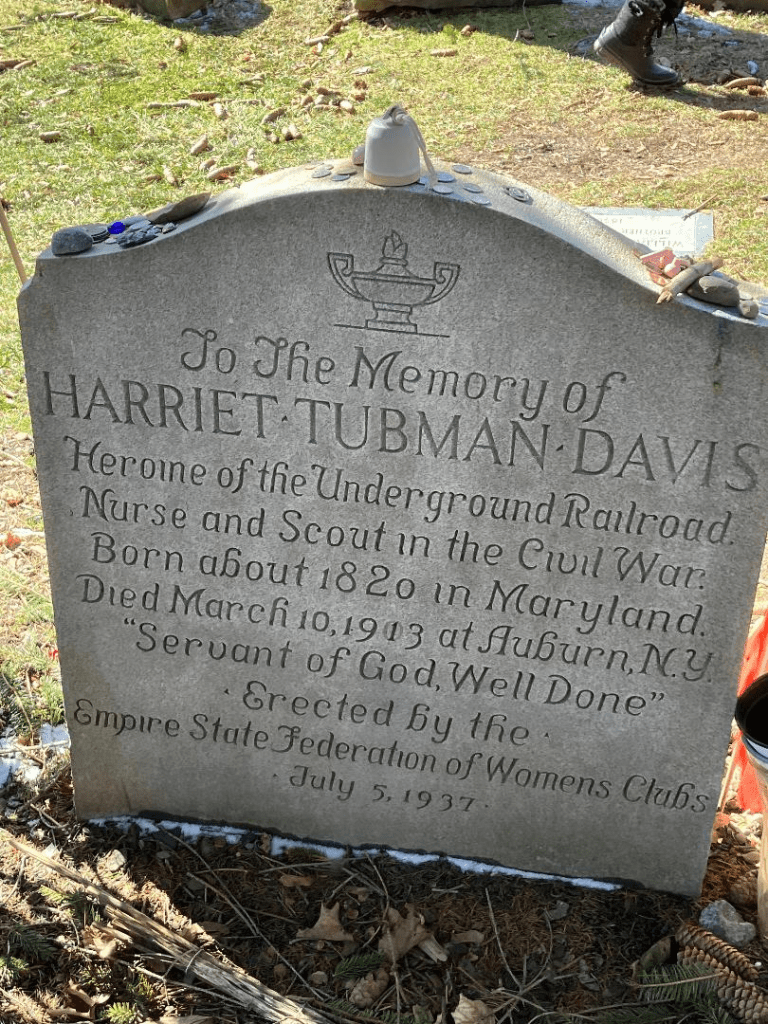
We ended our tour at the historic Fort Hill Cemetery where Harriet and her family are buried.

Harriet – The Moses of Her People

NYS Equal Rights Heritage Center

Today I made the time to visit the New York State Equal Rights Heritage Center, which I have known of since my first days in Auburn but didn’t visit. I should have visited this spot on my first day, but recall they were closed, and never believe in “shoulding” on myself.

Harriet has a little snow on her, which made the statute even more beautiful, and perhaps more representative of her journeys.

This building has a wealth of information on the area with friendly and eager staff to assist. Julianne gave me so much information I may never be able to accomplish all, but, will attempt. Here’s some of the amazing posters of the facility.

Was also grateful to hear Joe has Harriet Tubman on tap for 2024 inclusion on our $20 bill. Here is a beautiful artistic rendering from the museum.

Will be attending this walk so look forward to hearing more of this amazing woman…