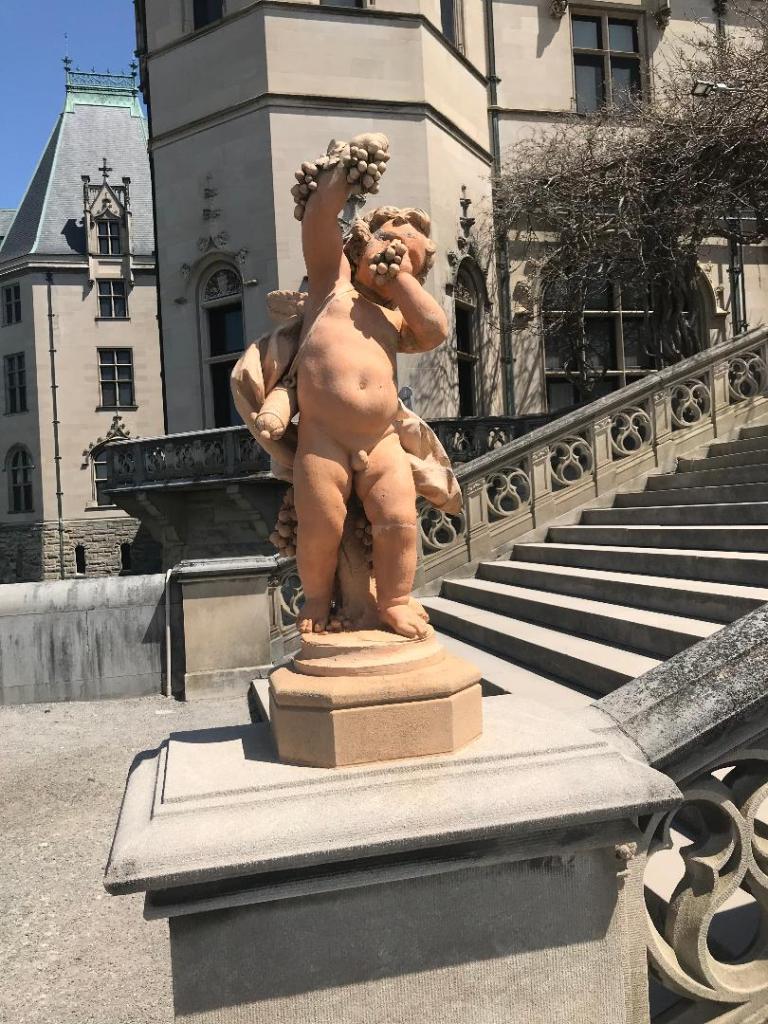
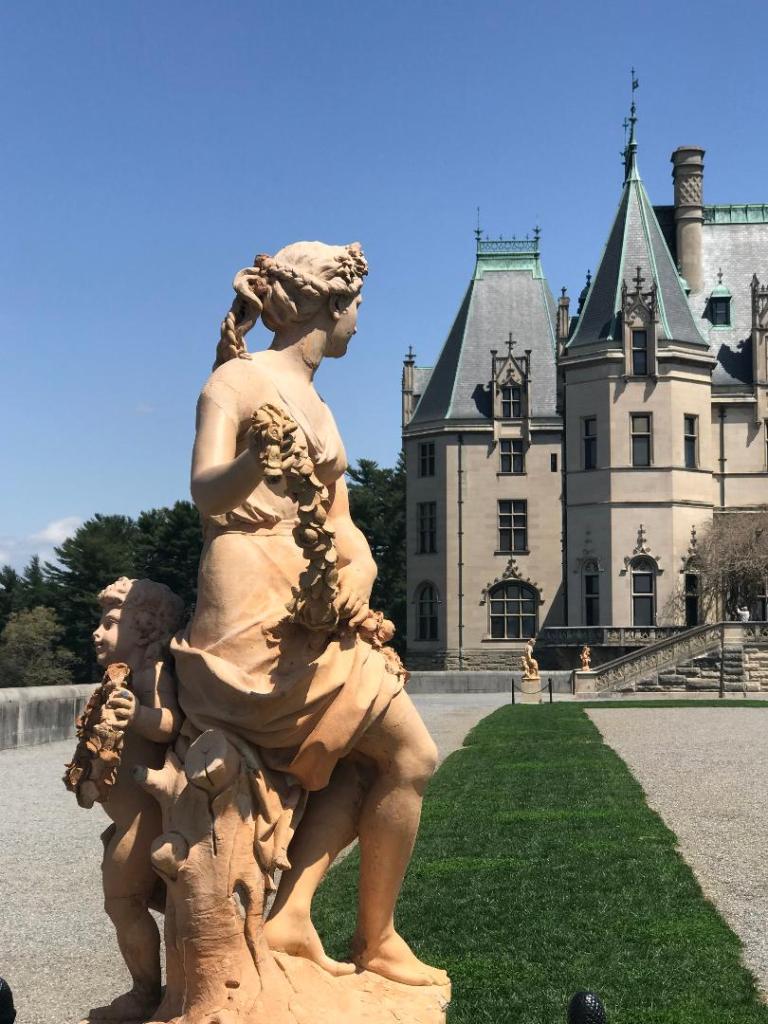
A visit to the gardens begins with sculpture. Mr. Vanderbilt was an avid traveler making over 60 visits across the pond acquiring these beautiful pieces for his home and garden.
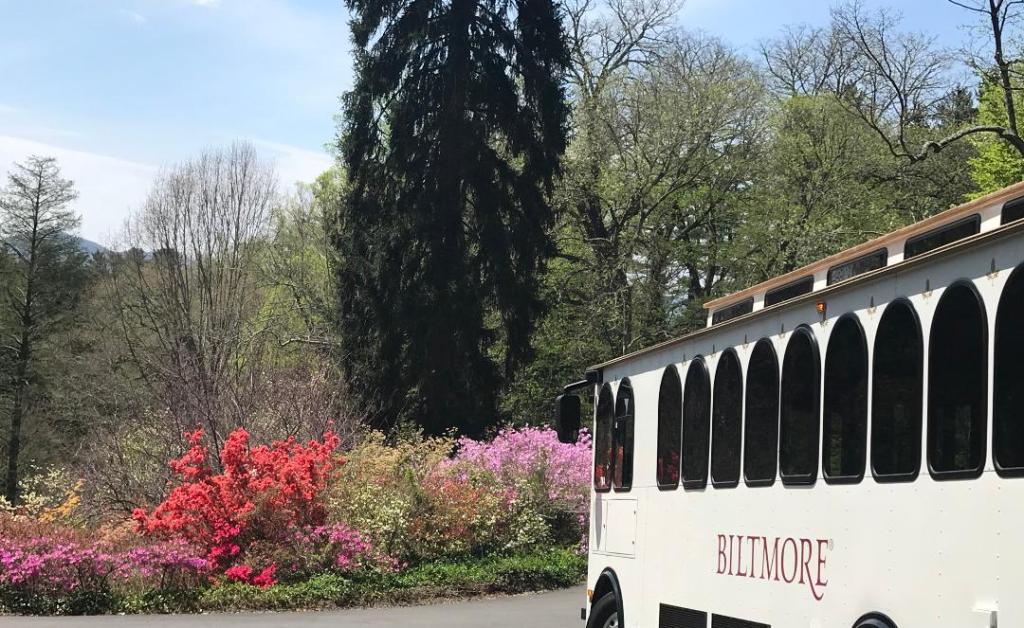
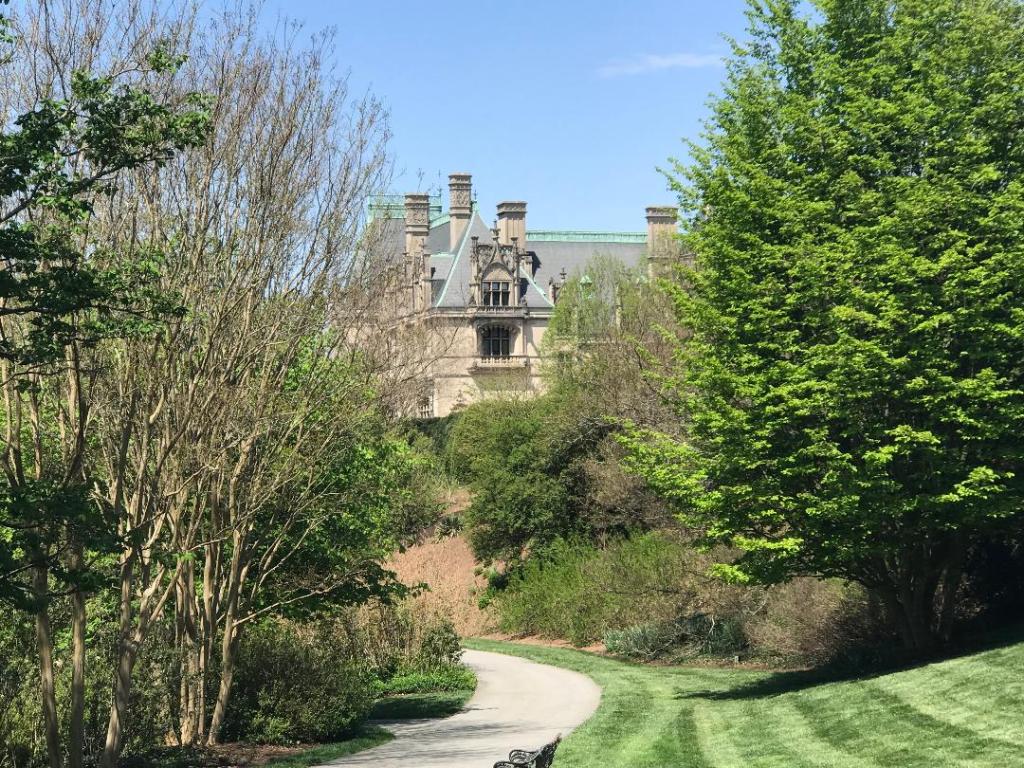
Then down the stairs to the path leading to the gardens, or take a tram to…
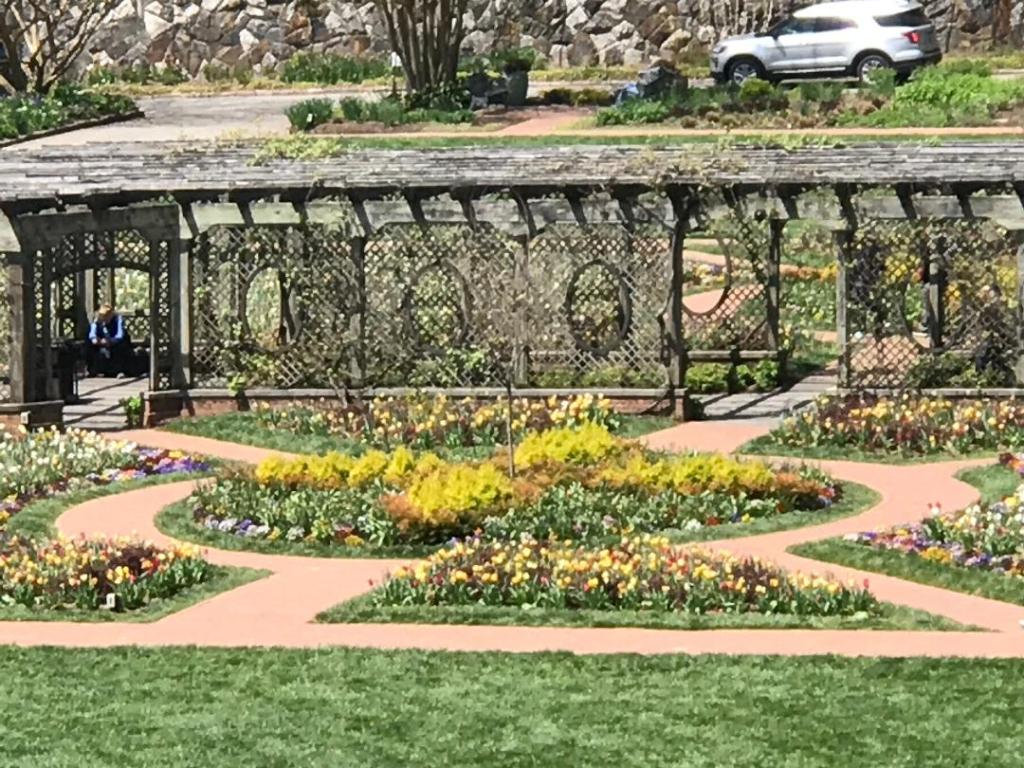
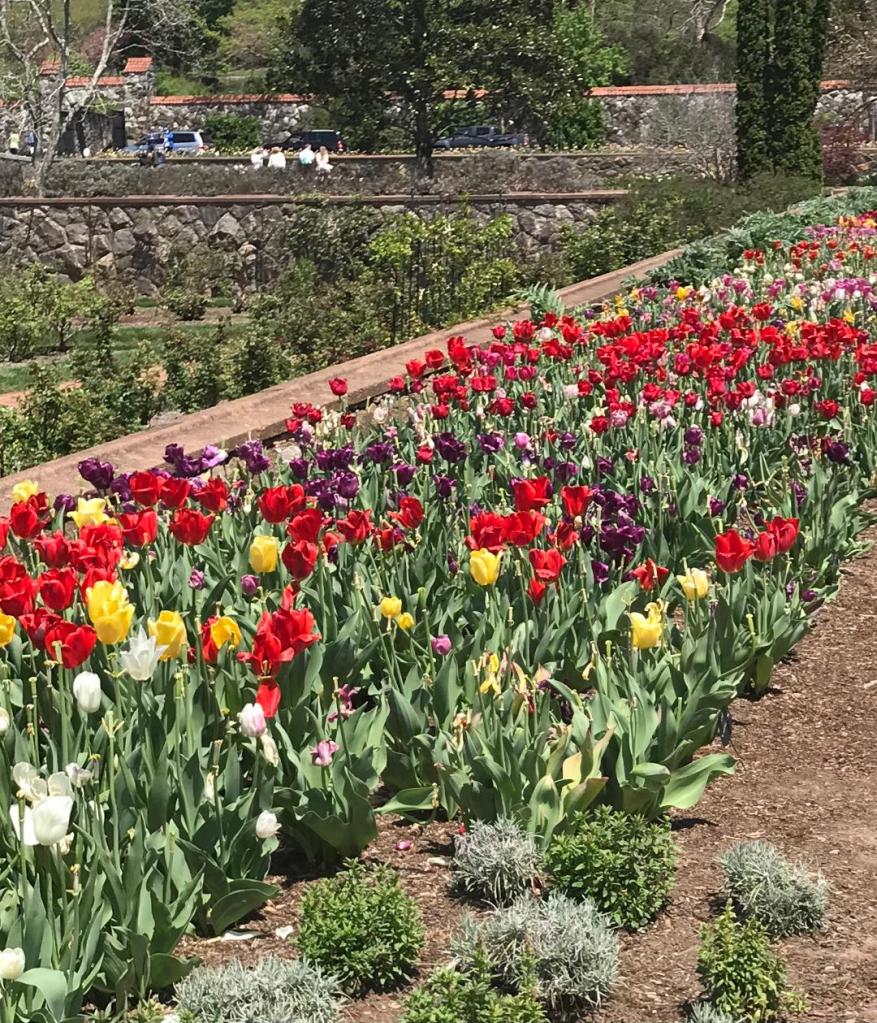
The Walled Garden
Hello… Time for a little dog love. Biltmore allows leashed dogs on the property and many are seen on the grounds.
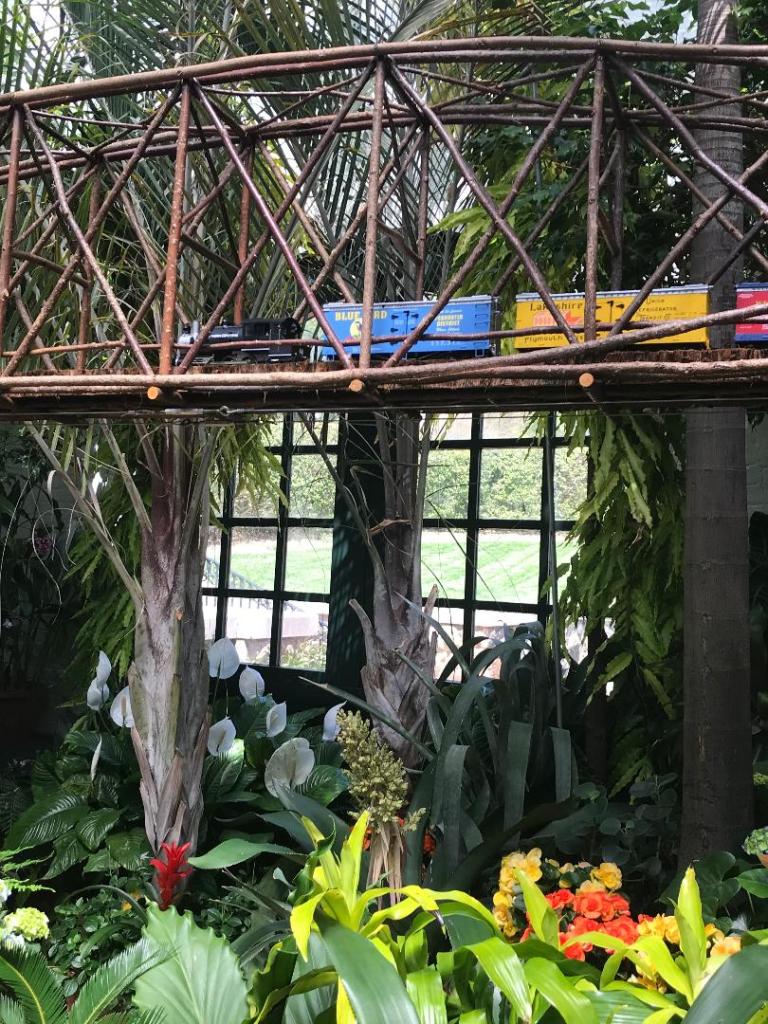
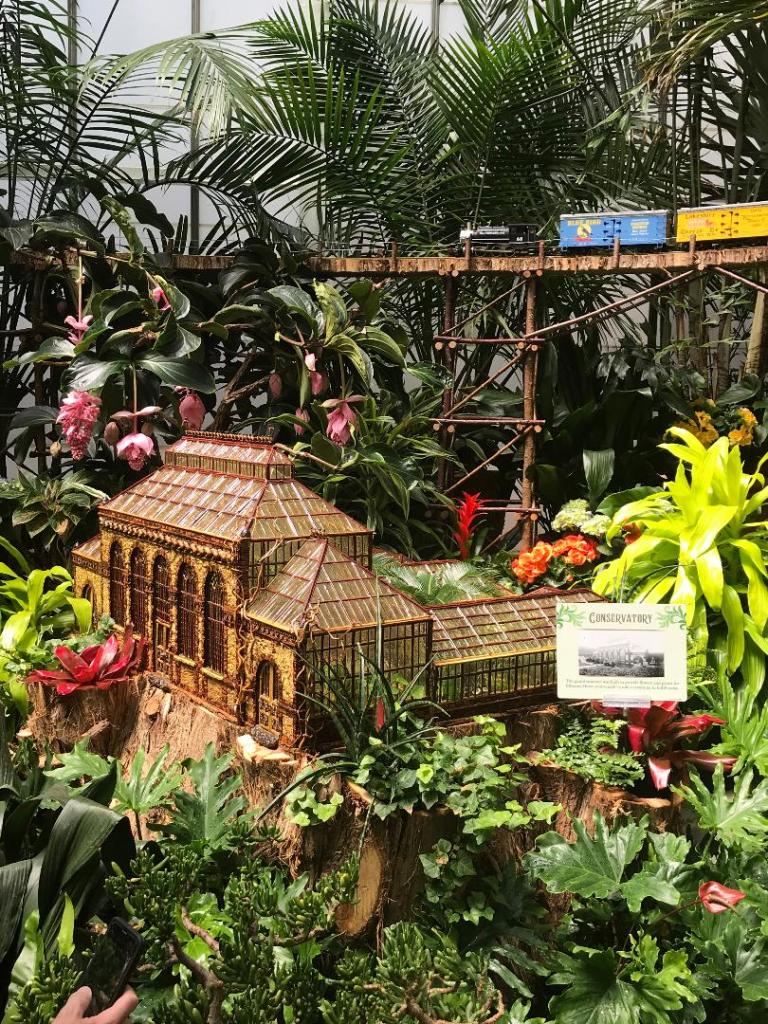
Visit the train show in the Conservatory
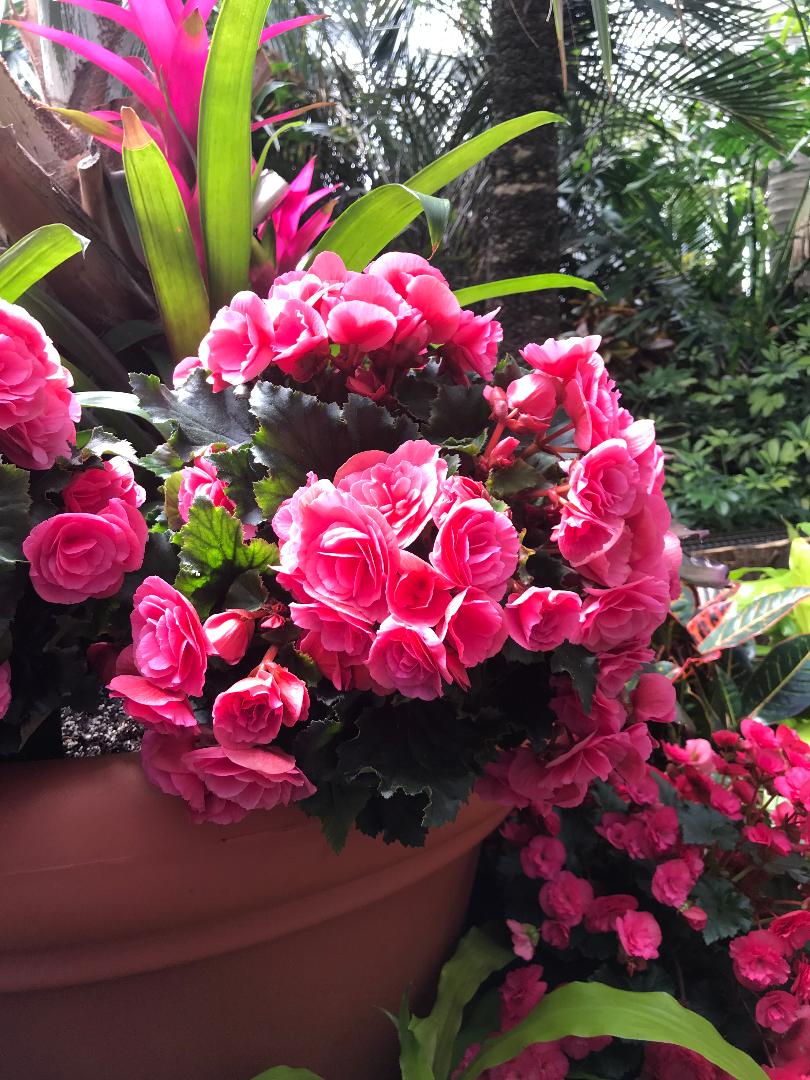
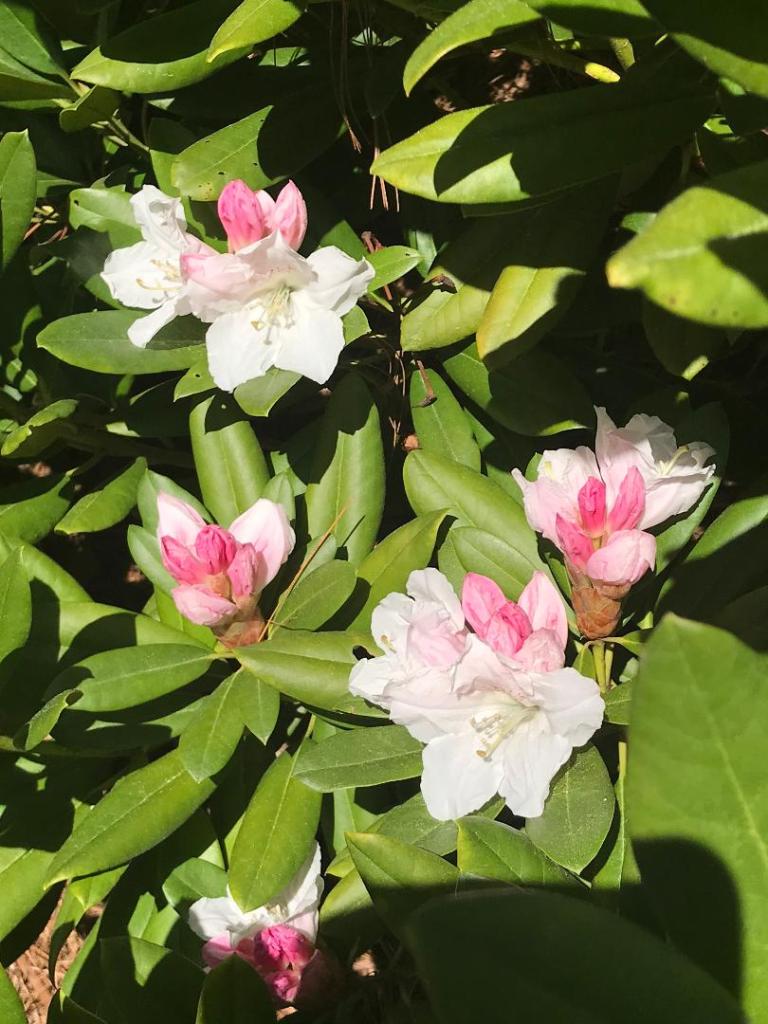
Take in the flowers,
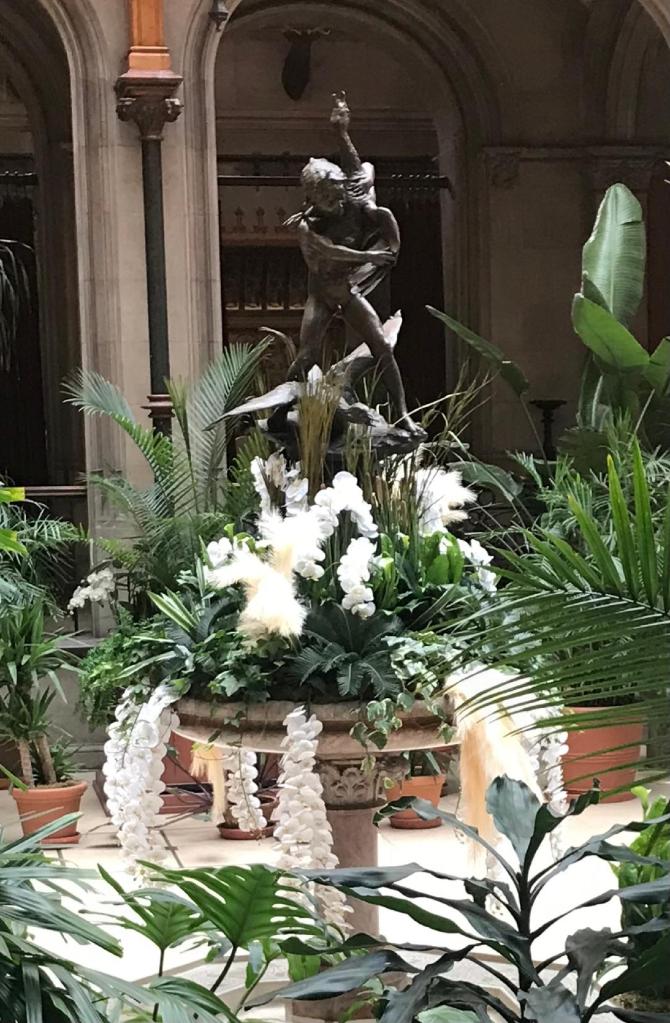
and some greenery..
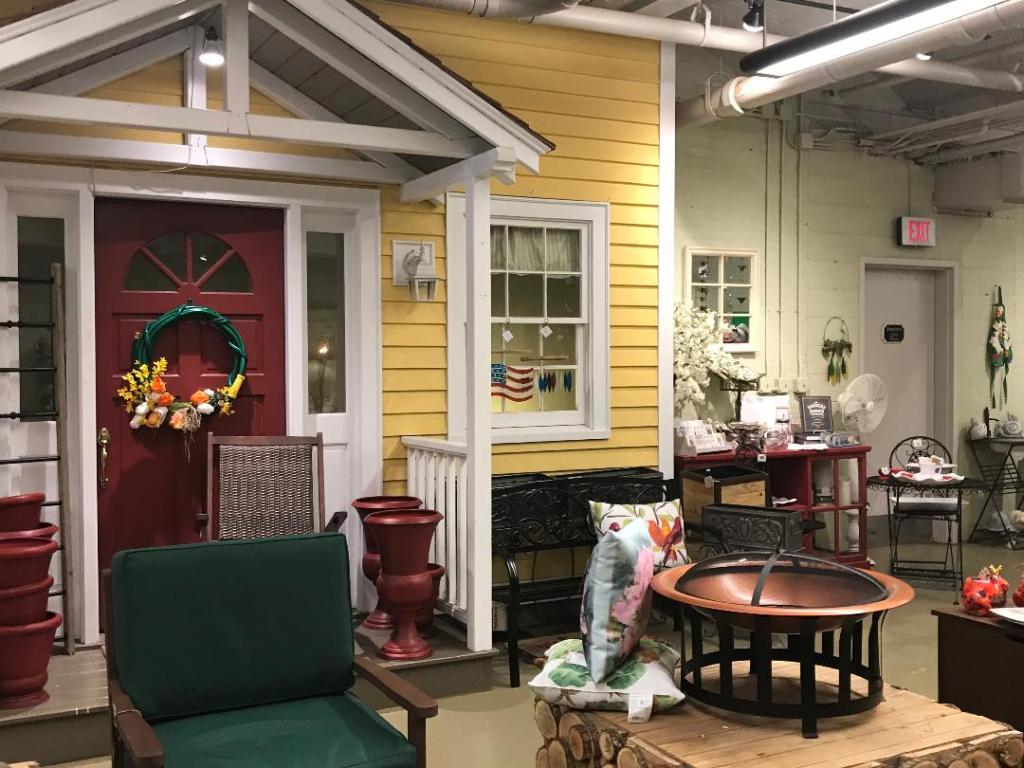
Stop by the store under the Conservatory for some interesting finds..
Walk to the pond, down the stairs..
to the path,
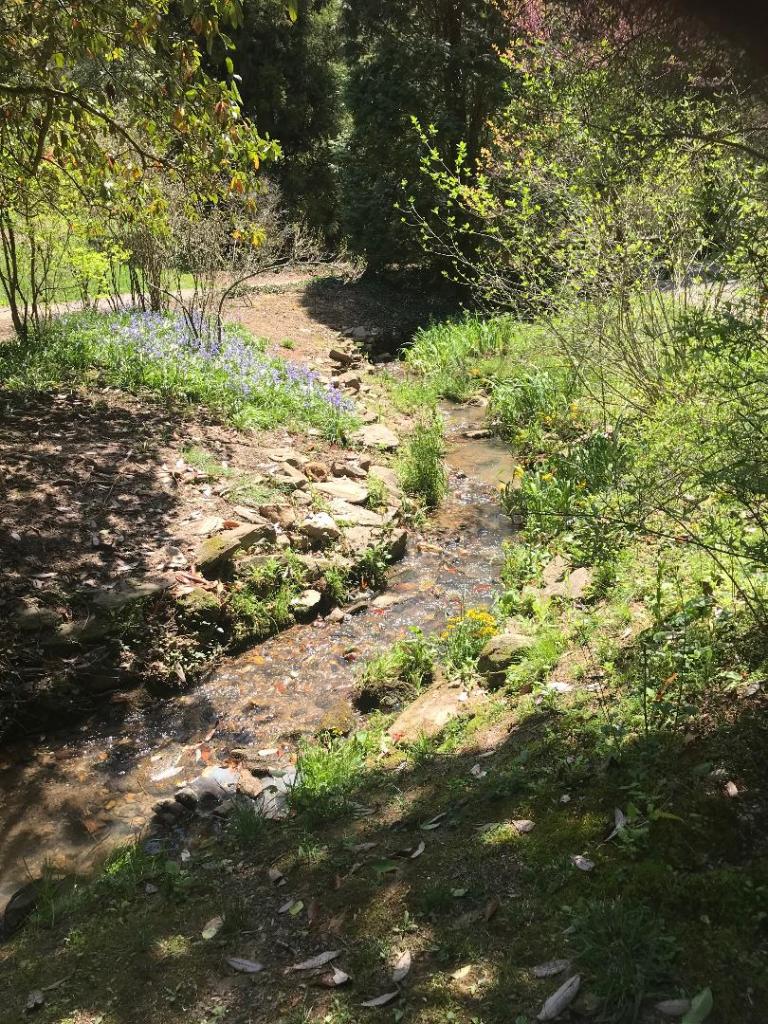
and arrive at the pond and waterfall.
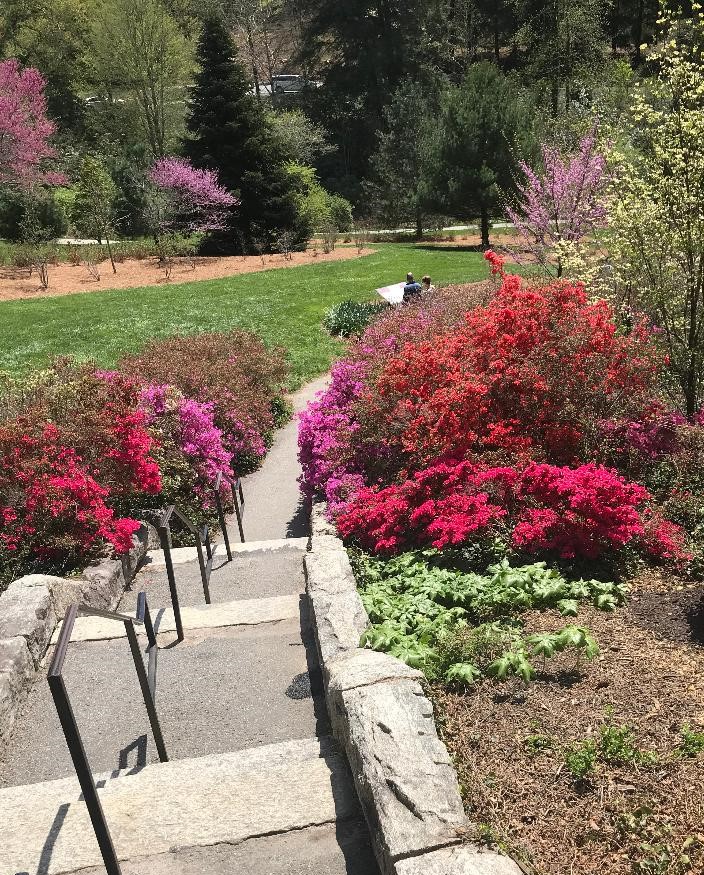
Time for lunch with a return visit to the colors of the Azalea Path,
Visited Biltmore twice before, but when I heard of a Flower Festival a third visit beckoned. The festival runs through May 27, 2021, and if you are able to visit, go, but, check online first for tickets as they go fast.
Historically..
Biltmore was the home of George and Edith Vanderbilt. This 250 room castle was built in French Renaissance style in the 1890’s through the design efforts of Richard Morris Hunt and the landscape/garden creator Frederick Law Olmstead. There is much on the web regarding this estate. Read as much as possible prior to visit to ensure a rewarding visit. Arrive early, stay late, and if time allows visit Asheville or nearby Black Mountain..
That said, more pictures..
A waterfall of flowers greets visitors upon entrance.
The Loggia where musicians play daily during this event adding to the ambience.
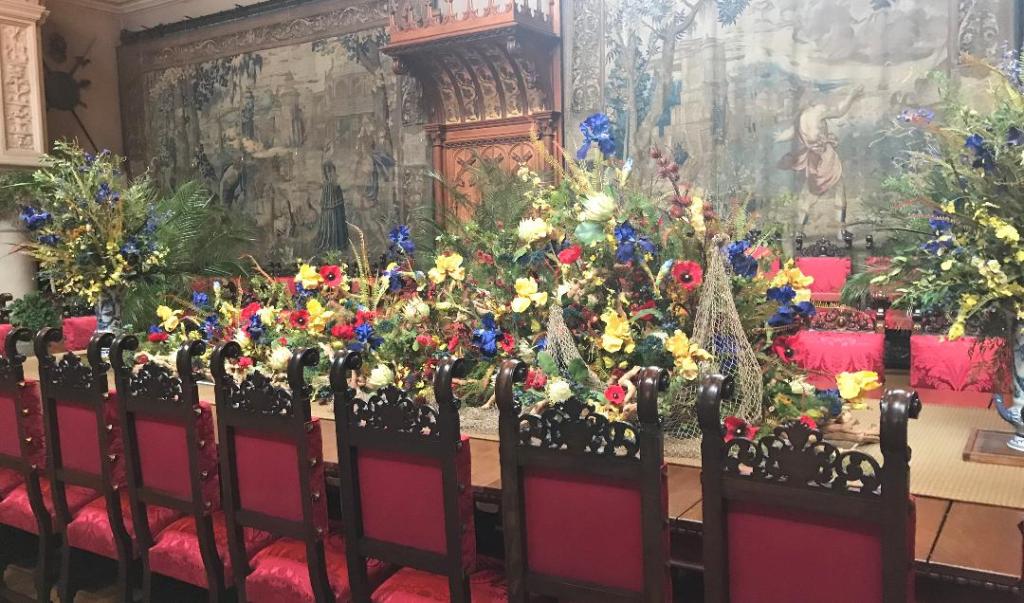
The Dining Room
Guests
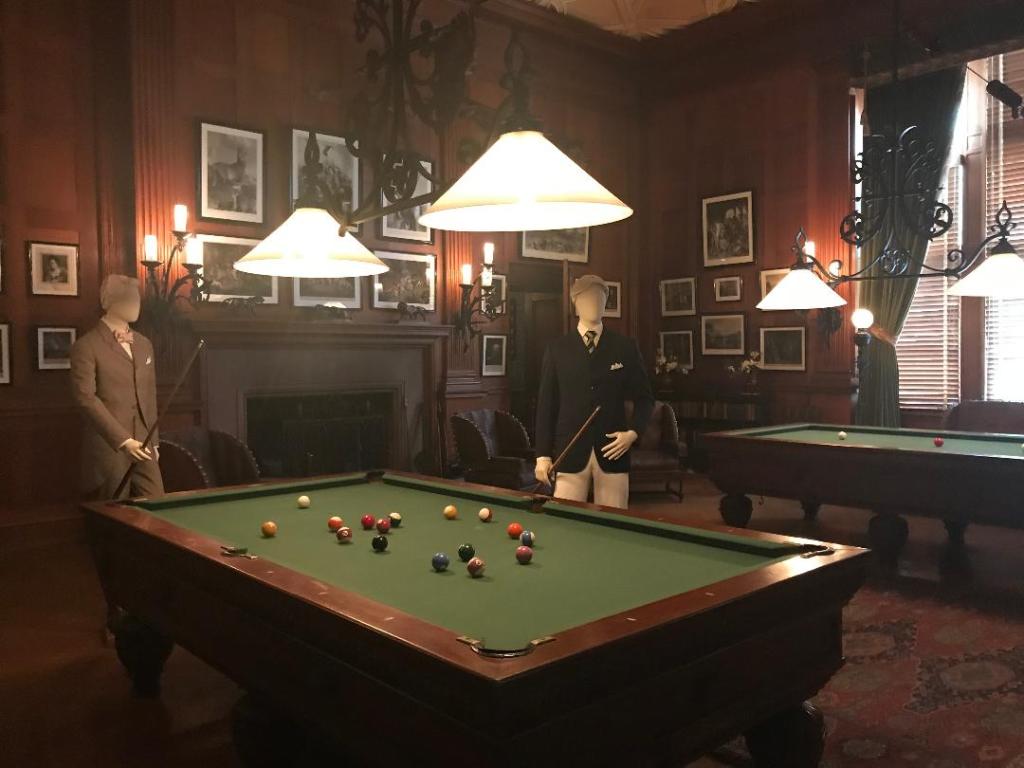
Billiard Room
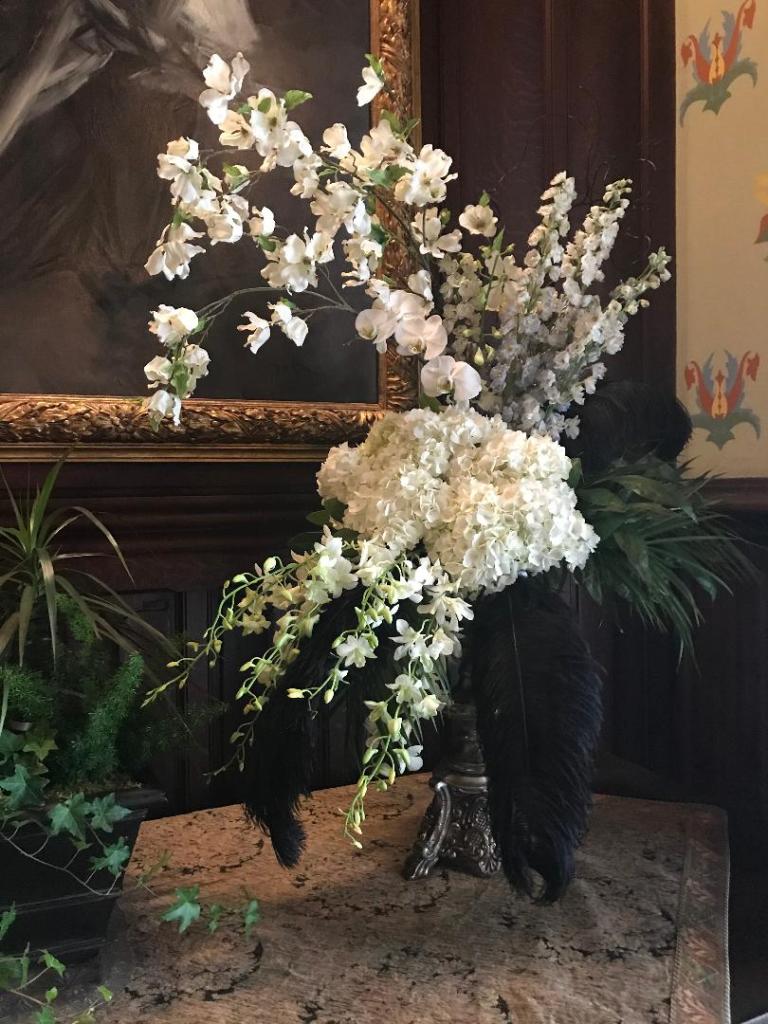
Simple Elegance
Living Room Entertainment
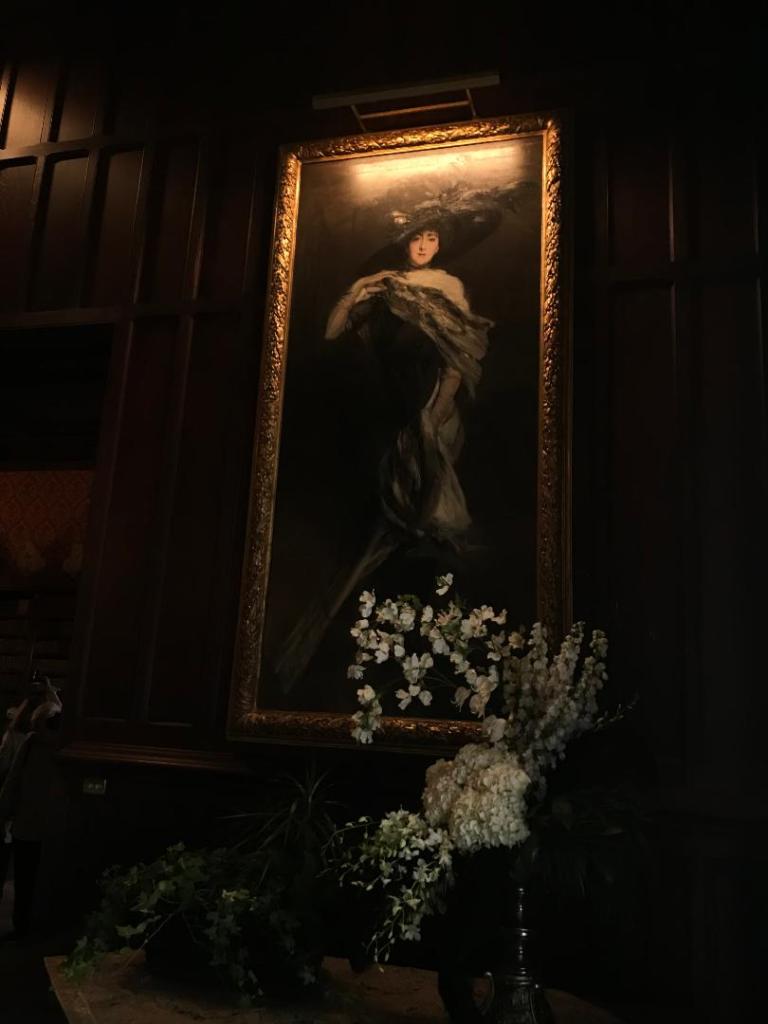
Edith Vanderbilt
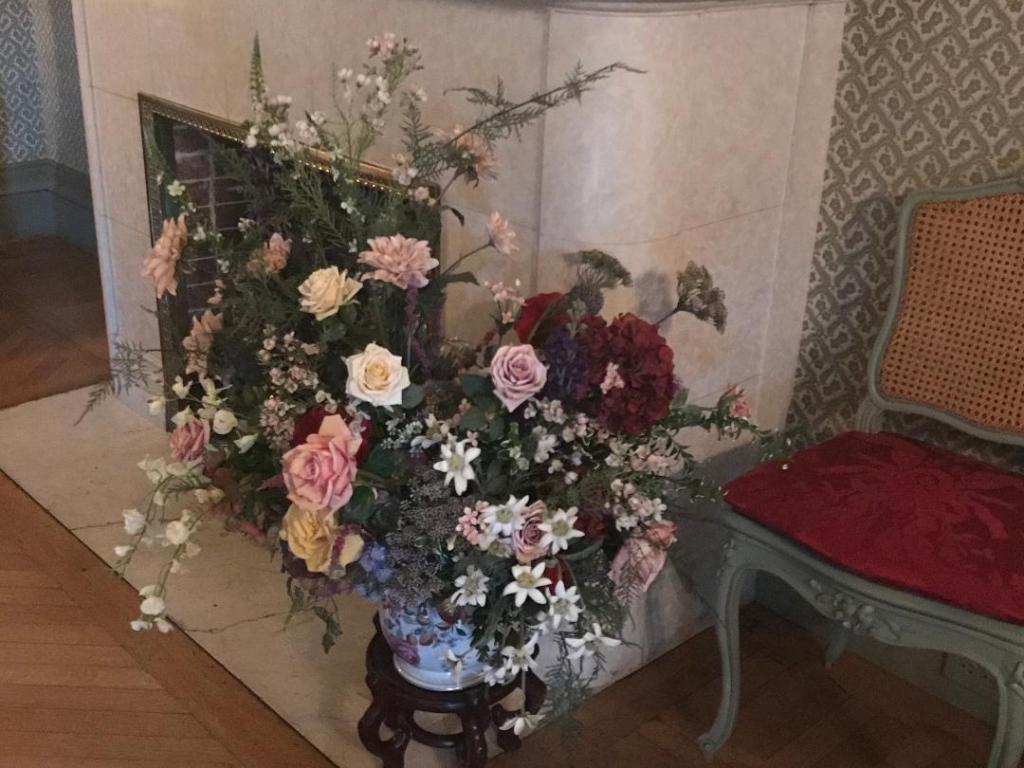
Library Flowers
Guest Bedroom Flowers
Edith and George’s Bedrooms
Lovely
And let’s end with some outside beauty with a view from the veranda..
In the 1830’s a Presbyterian minister from Connecticut came to Montreat, North Carolina, establishing a religious center which later became a college. It continues today. Entering the town of Montreat this stone entry is passed through.
Then the College…
There is much natural beauty on this campus. Here is a sampling..
A retreat center building and overlook.
The Nature Center was closed, however, there are signs for trails. I particularly liked the signs for children. Need to start them hiking young..
And check out this playground, nice spot for both parents and children.
Drive through the college grounds..
Past this church the mountain inclines and hiking trails are available for those with moderate skills.
I think I am feeling the need for a retreat. Don’t you?
Black Mountain is an art community with a long history. In the 1930’s a liberal arts college was founded here. The mountains were an ideal setting for the cultivation of creativity. Many progressive artists and thinkers were produced from this school. Refugees escaping Hitler’s plight also were in attendance. Sadly, the college closed in 1957 but the arts remain in this community.
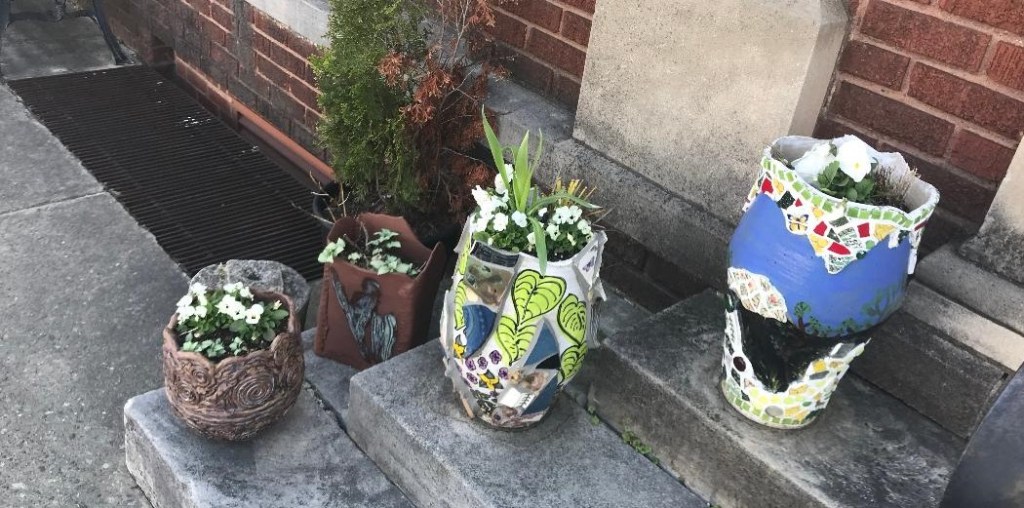
Let’s start our tour at the art gallery. Here’s what greets you at the door, what a great idea for planter decorations..
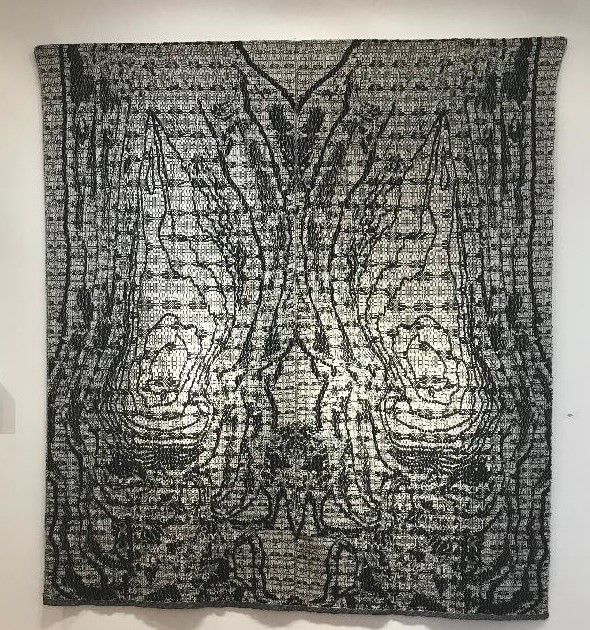
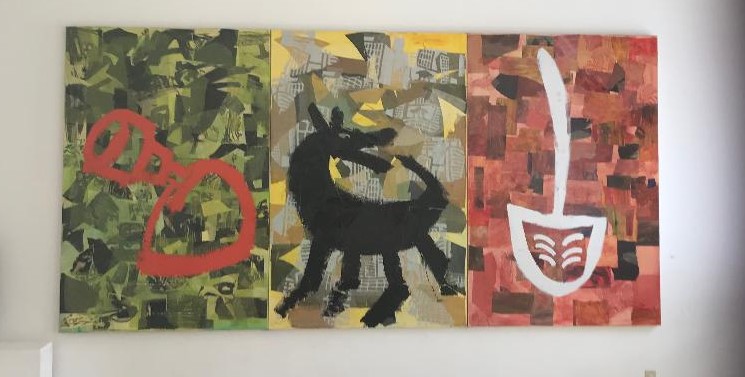
Then inside even more creativity..
The Gallery also has classes for young and old along with performing arts camps for kids. What fun that would be.. Ballet, pottery, drawing and painting as well as Dungeon and Dragons were some of the class offerings for Spring 2021. Check out their web site for more info at BlackMountainArts.org.
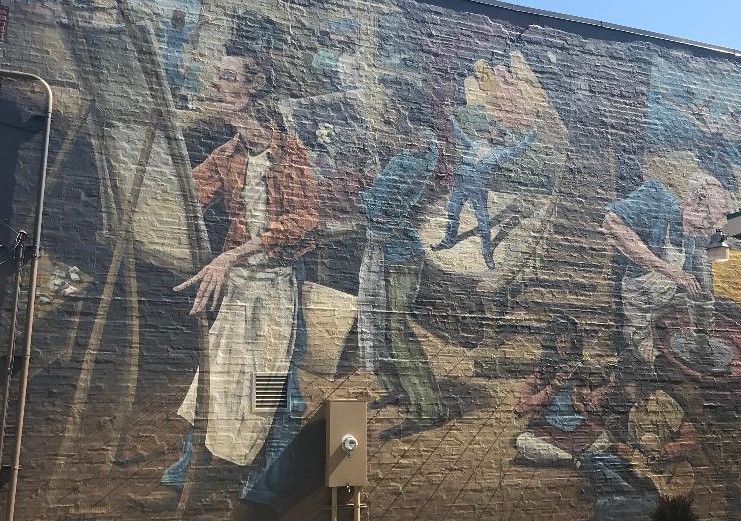
Walking through the town don’t miss the murals painted on building facades.
Artist At Work..
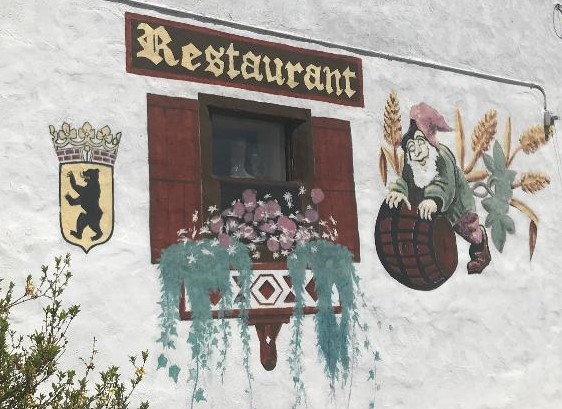
Outside the German Restaurant
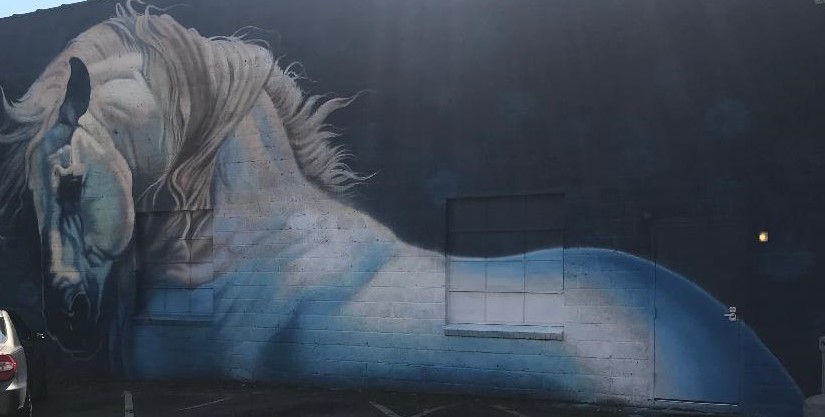
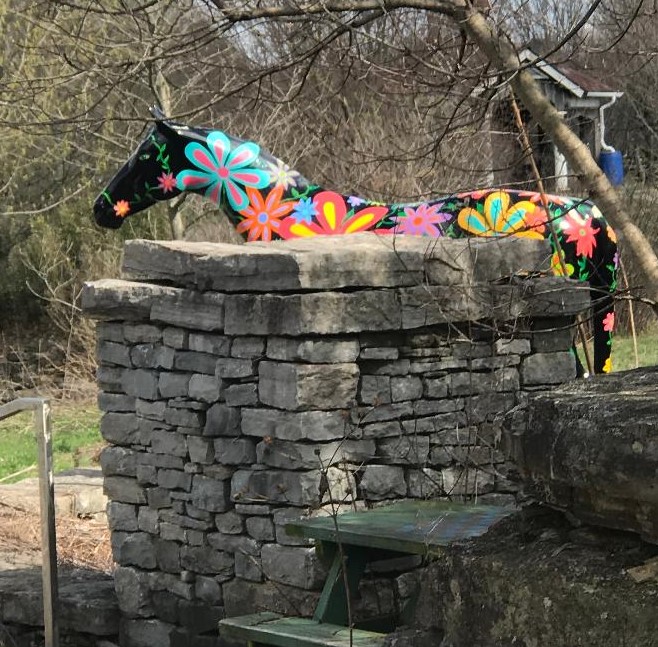
Lovely Horses
And who knew… Roberta Flack was born in Black Mountain. A fitting tribute to a woman with an angelic voice.
Then some fun stores..
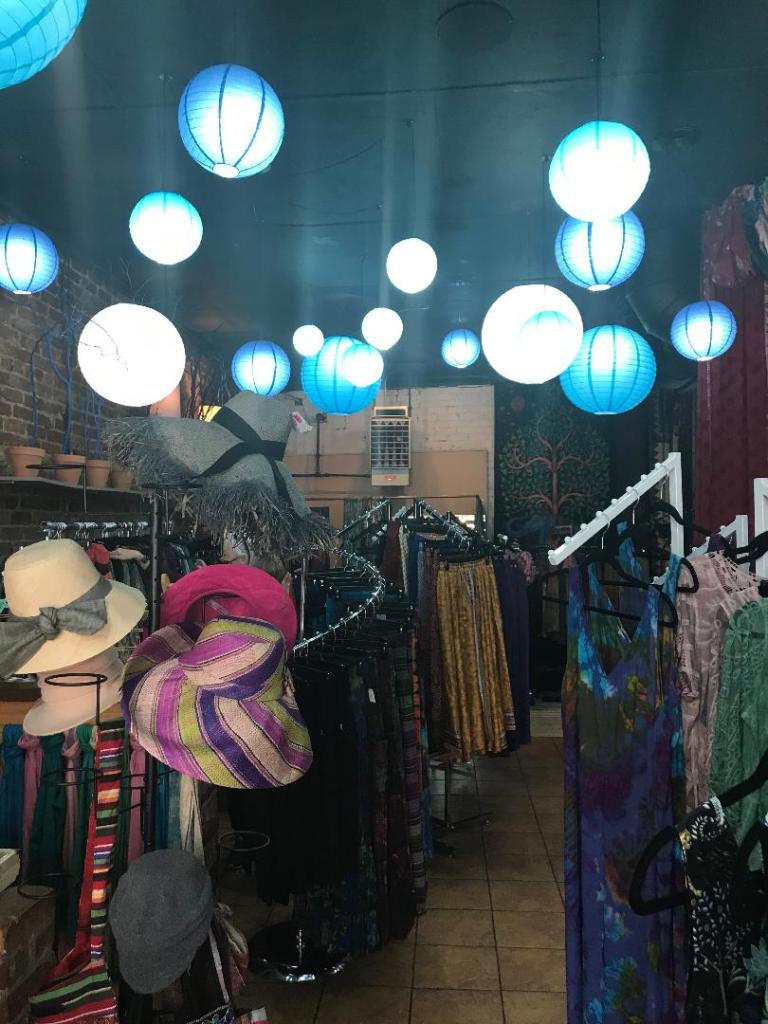
At Fairy Hair you can get the newest rage done – shiny silk added to your locks and then purchase a new outfit on the stores other wing. And they even had a $5 rack outside!
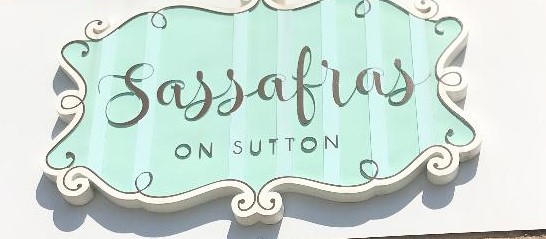
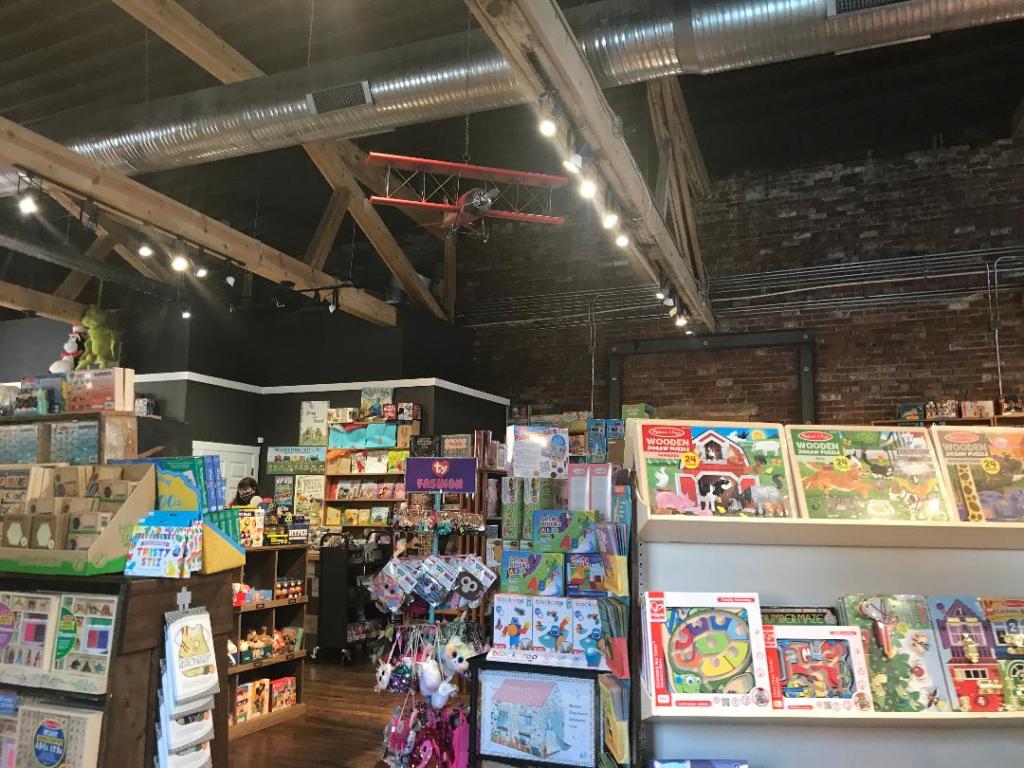
Another fun shop … here you can get books or a children’s gift for the child who has everything…
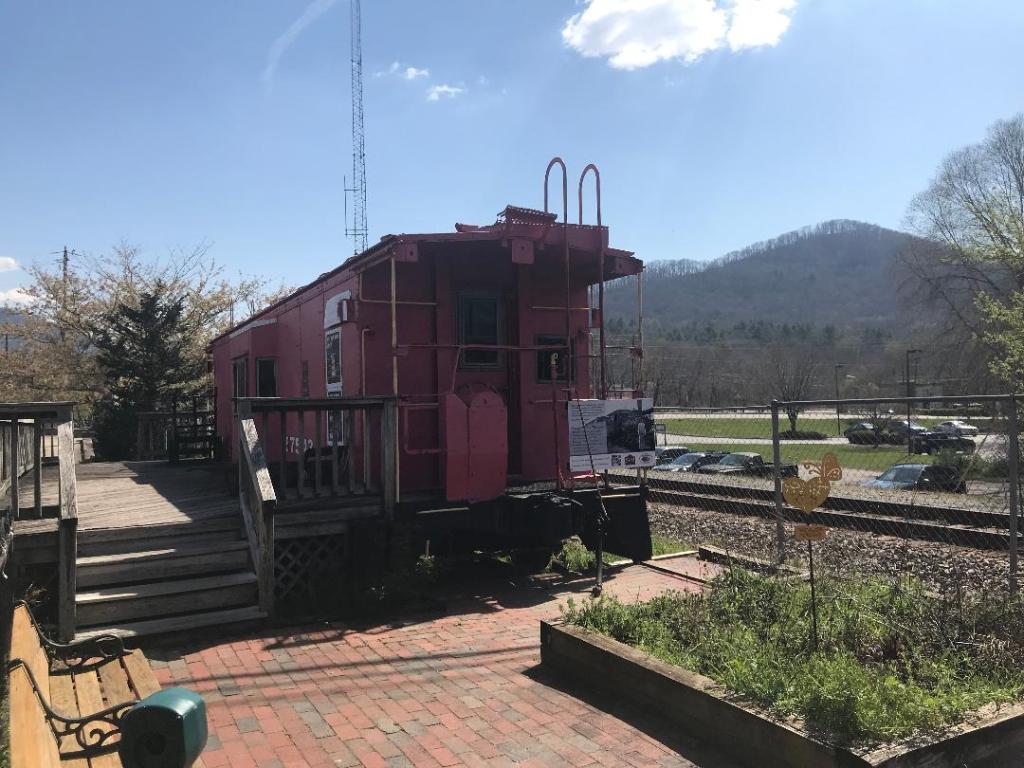
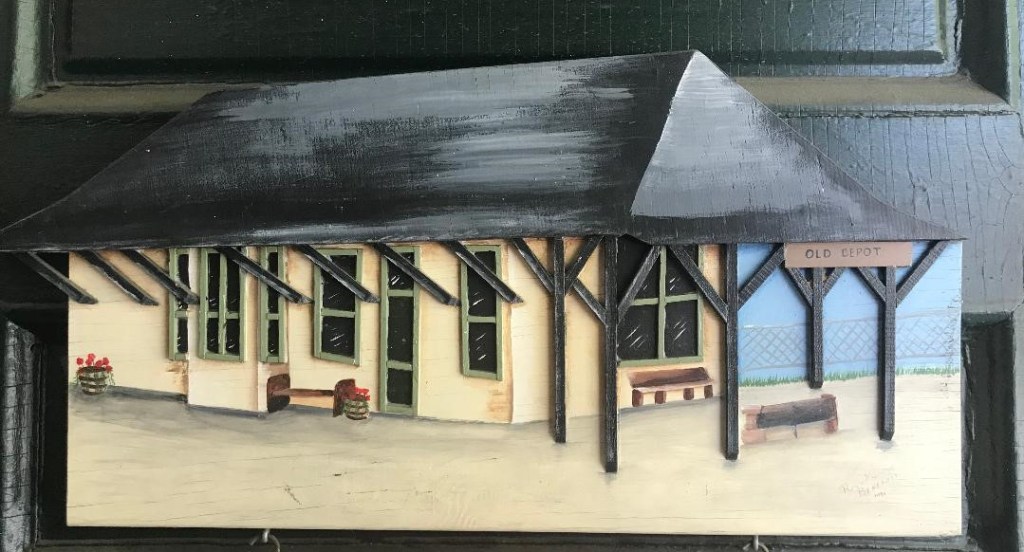
Black Mountain had rail service at one time. There are placards giving much information with a train displayed from the era. And the depot remains with another interesting shop.
An artist’s depiction of the actual depot.
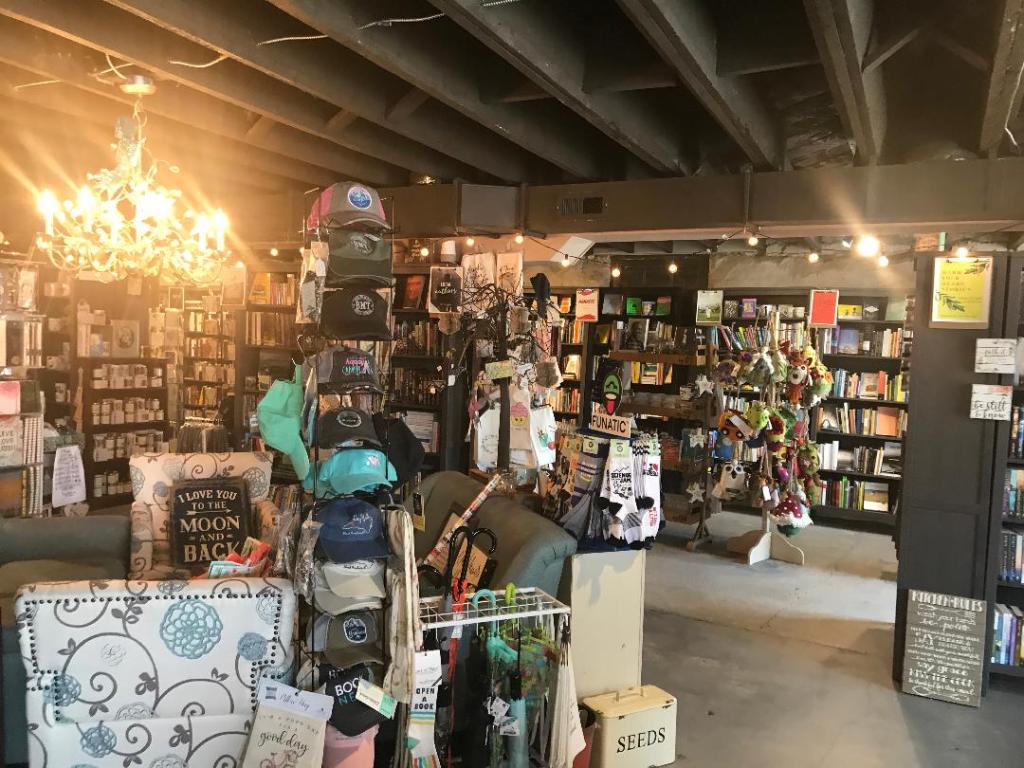
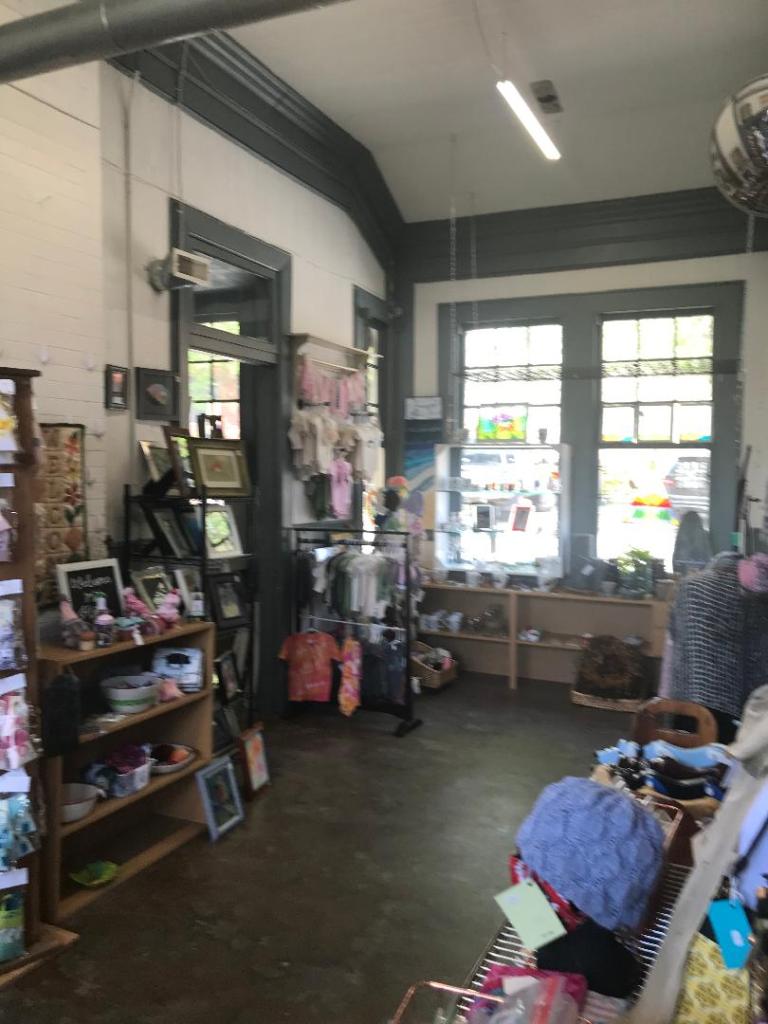
Some of the treasures found in the depot
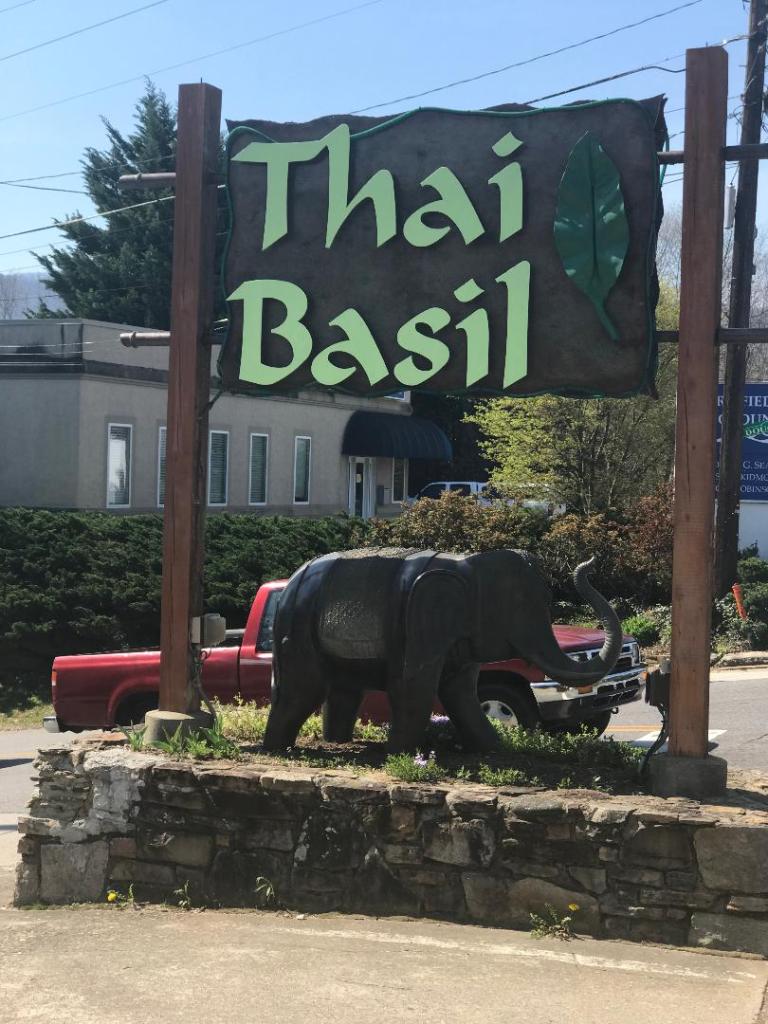
And let’s not forget the restaurants.. There were Thai, Cuban, Italian, German, to name a few. Since Black Mountain is a short 30 mile drive from my home base I plan to return weekly to visit a different restaurant each week. Prices were reasonable and all had a pleasant ambience.
And let’s not forget the brewery..
But what I especially liked about the town was the planning which went into this venture. They even planned for comfort stations..
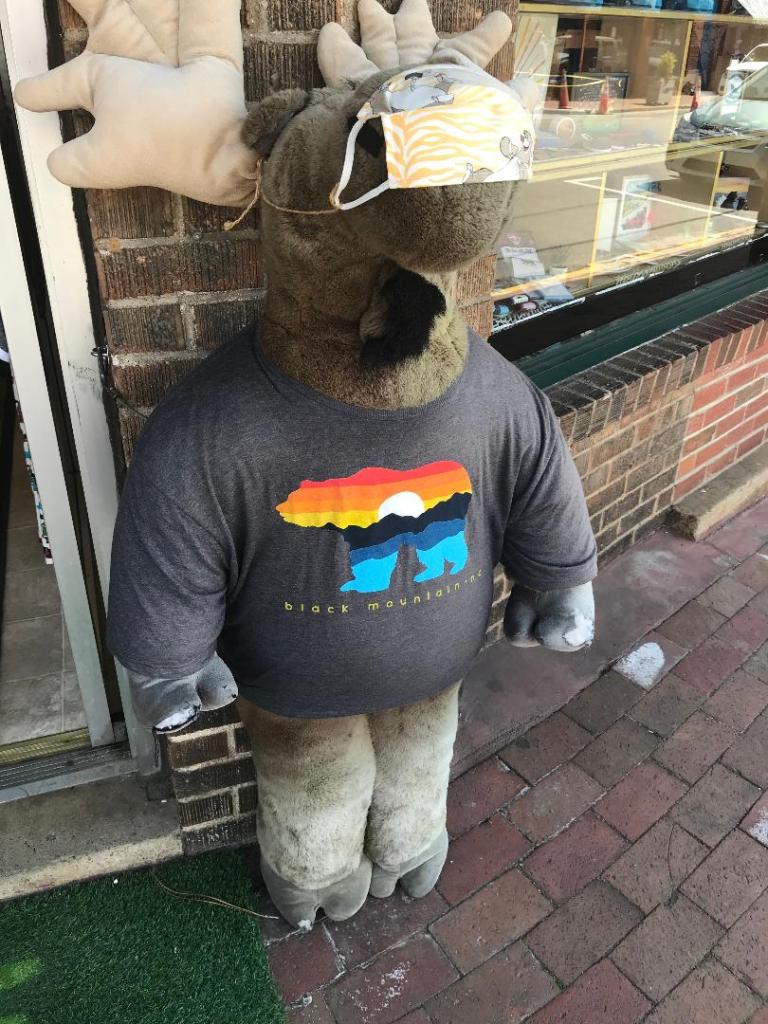
My you never know who you’ll meet on the street at Black Mountain..
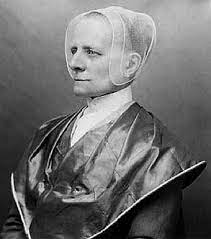
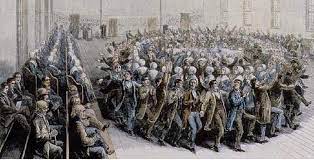
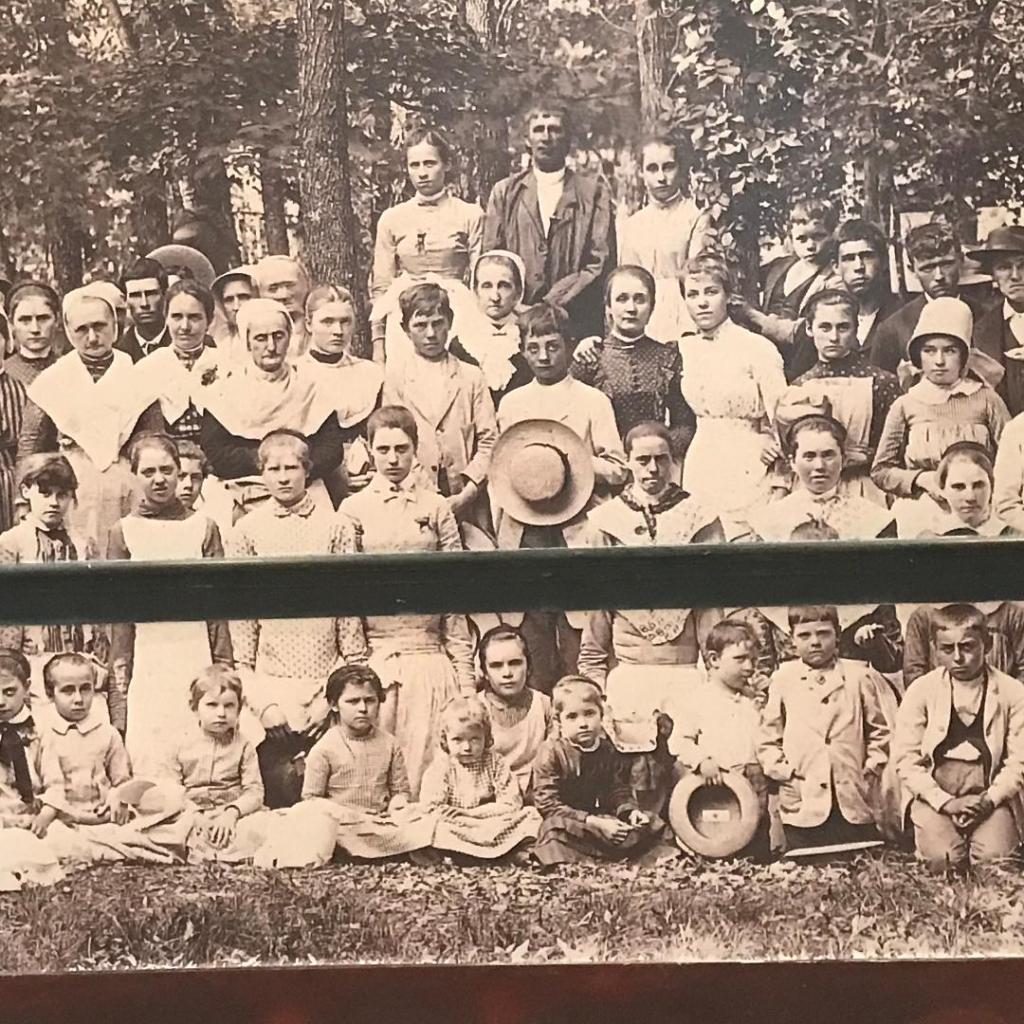
The Shakers came to America from England to escape religious persecution in the late 1700’s. Their community grew into 8 states with nearly 5,000 members. They were pacifists and in worship sang and danced. Their dance often caused shaking, thus the name. Men and women lived apart and were celibate.
Shaker Dancing
Their communal life style promoted a longer life with Shakers living till 75 years of age while others during this time period died at 45.
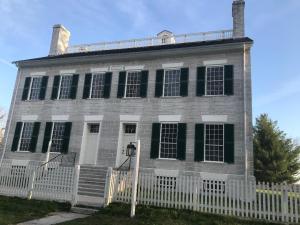
Each community house had a separate entrance for men and women, note the 2 doors.
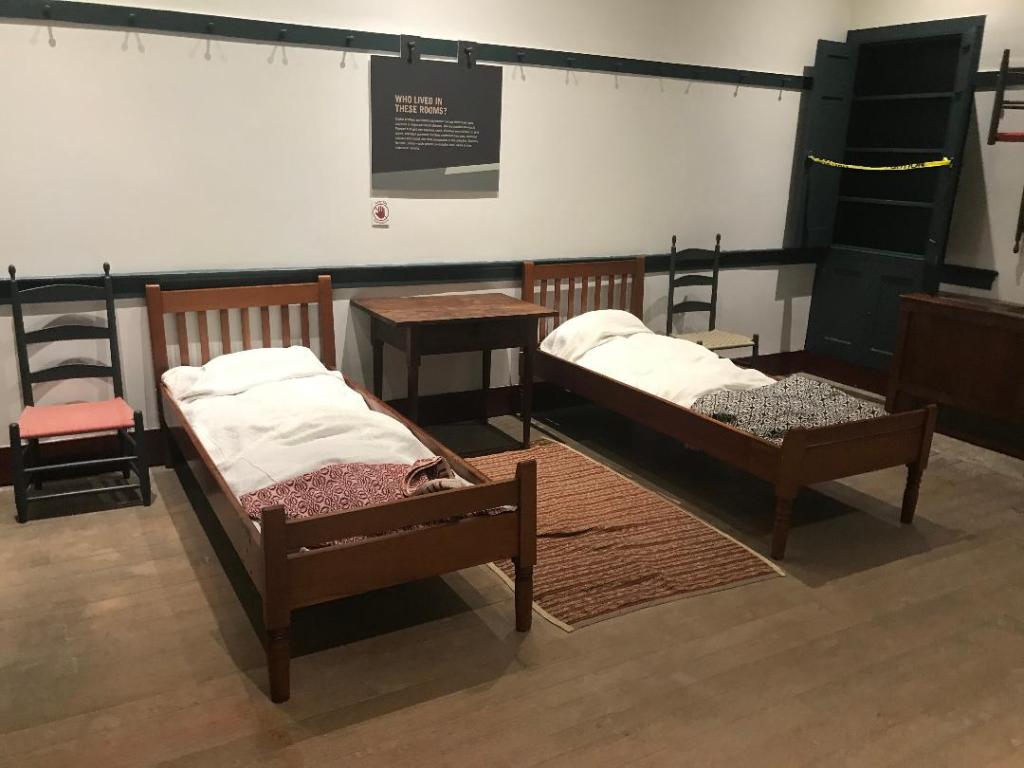
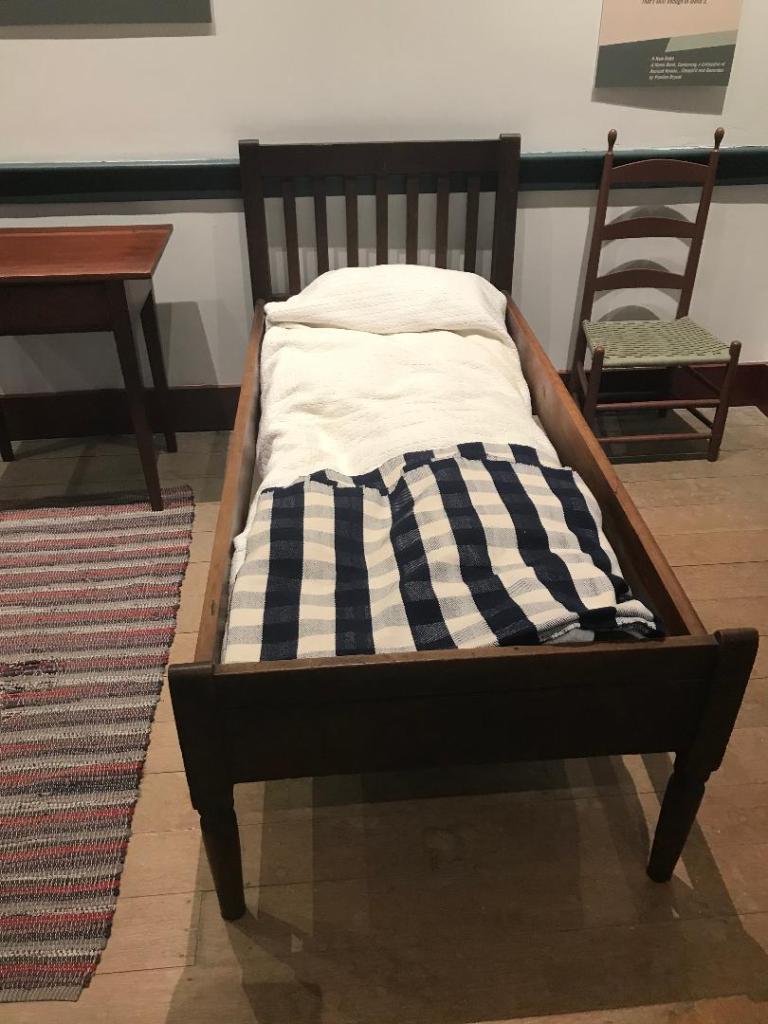
Typical Shaker rooms Shakers rose at 4 a.m. and to bed by 9 p.m. Evening was a time for prayer and reflection.
In 1806, the Shaker community branched out to Pleasant Hill, Kentucky, from their first community in New Lebanon, New York. The community grew to almost 500 members within 15 years on 4,000 acres. Pleasant Hill had 5 settlements of approximately 100 members each. Each settlement housed 100 members, however, when crises rose all settlements worked in unison to maintain other settlements needs.
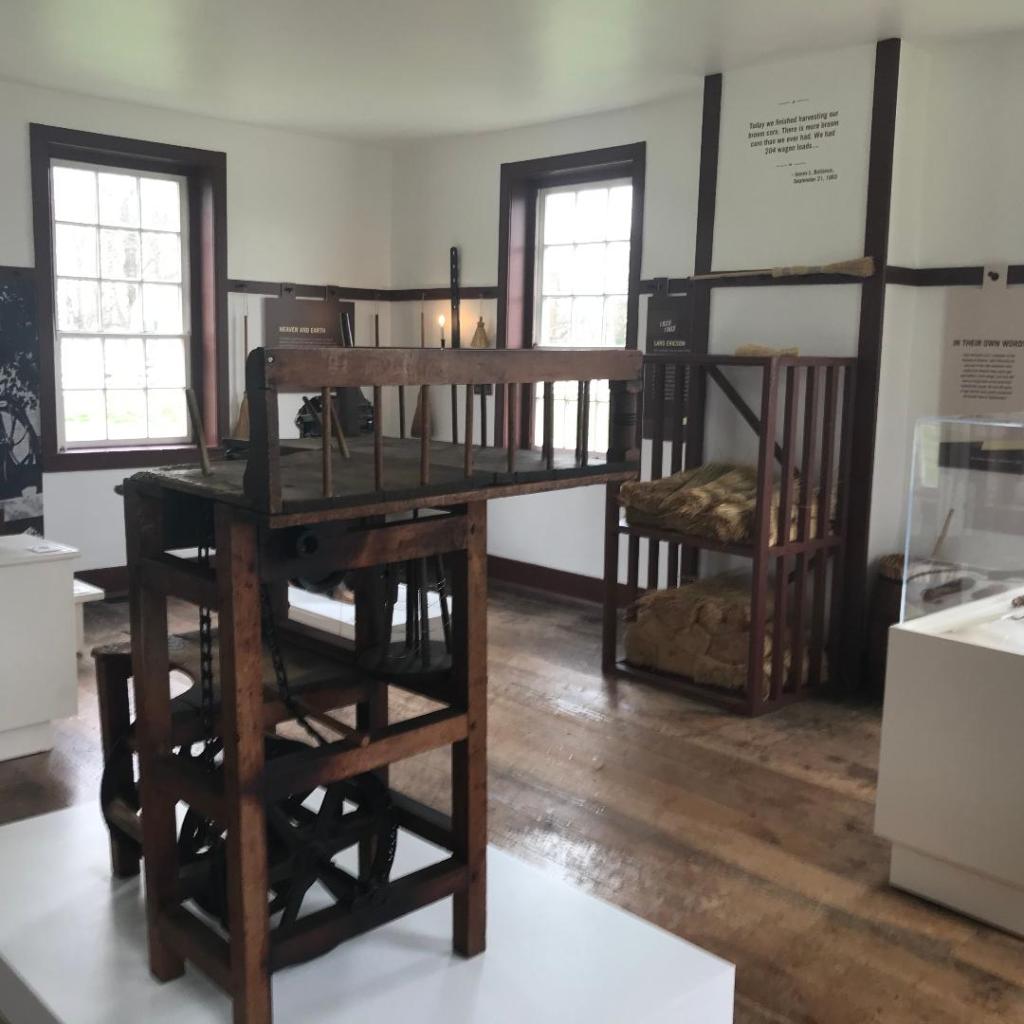
Shakers were entrepreneurial and innovative. They developed medicines, seeds, furniture, brooms, architectural masterpieces, and a wide variety of farming innovations. Here at the Village all is on display for viewing.
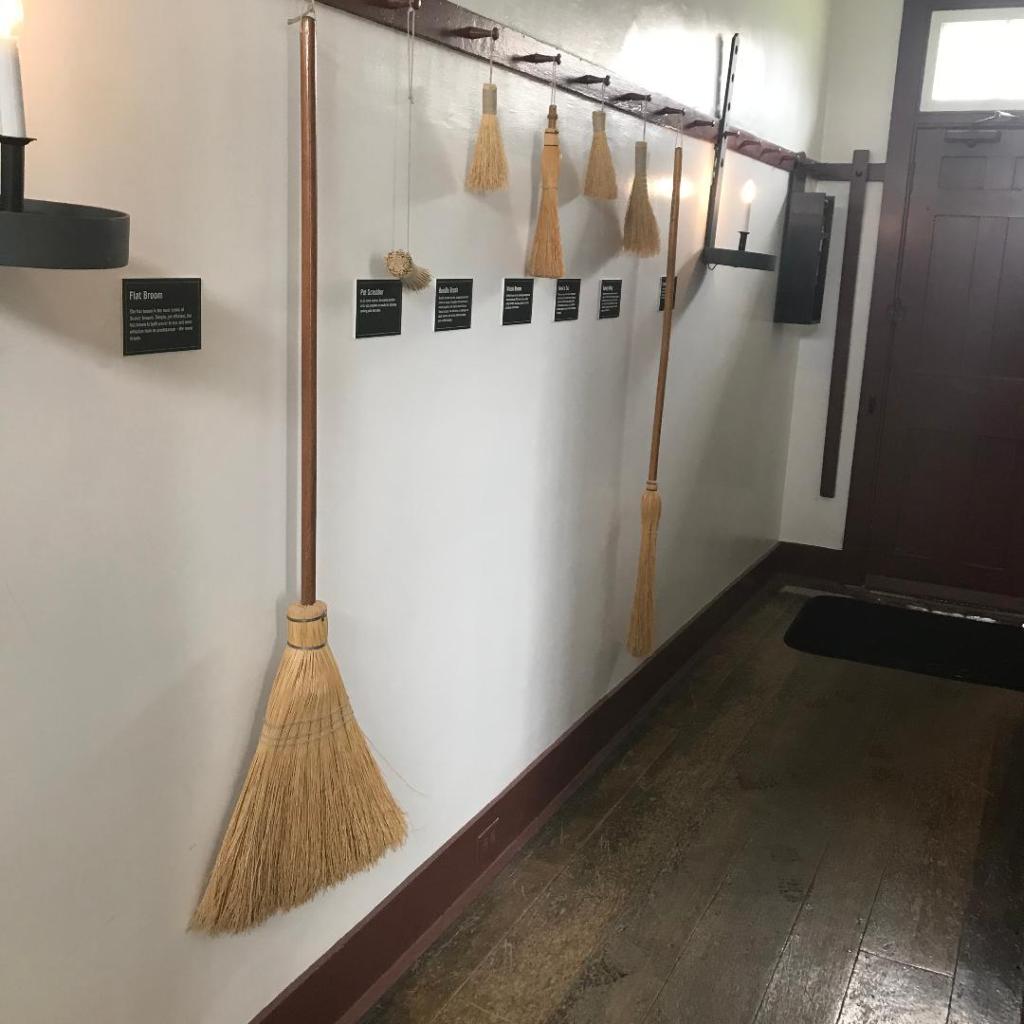
The famous Shaker broom. Note the pegs the brooms hang from a design created to maintain order.
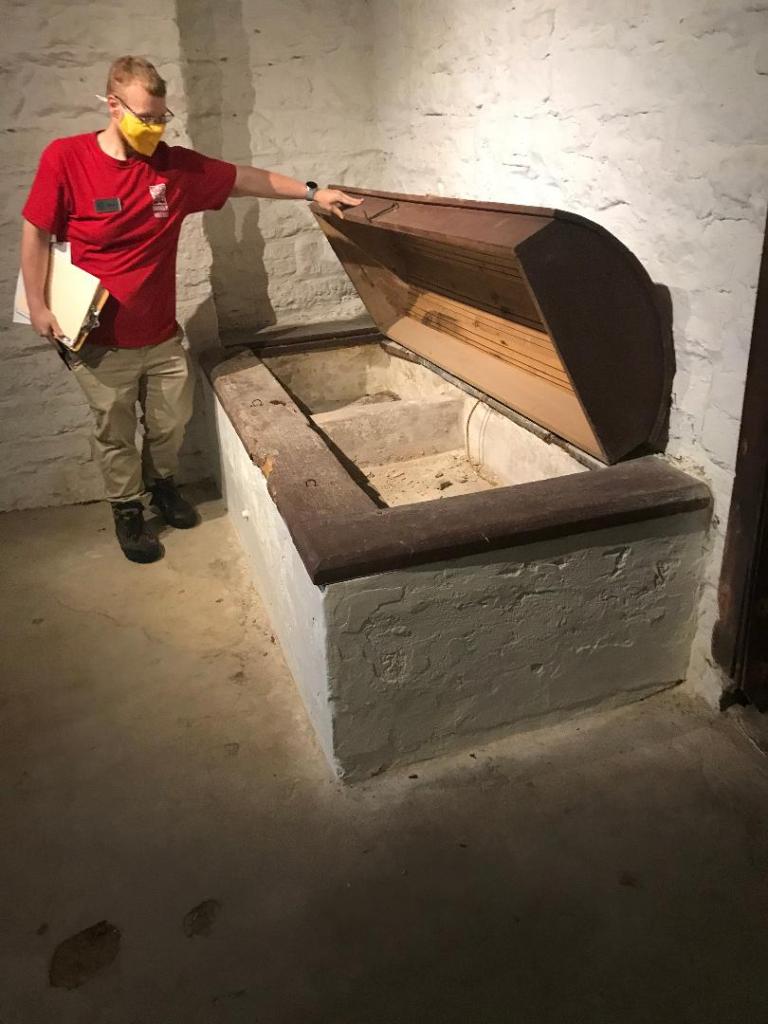
Shaker ice chest
Shaker harvesting equipment
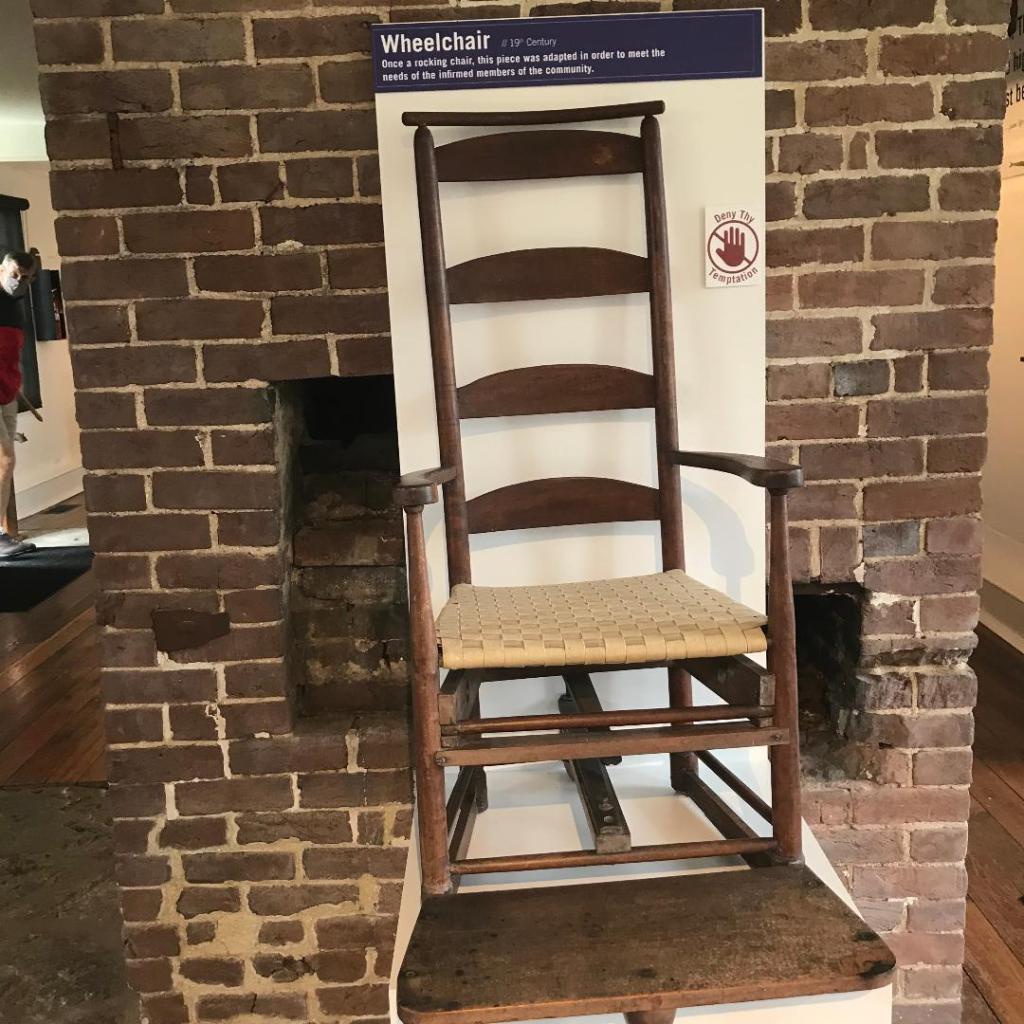
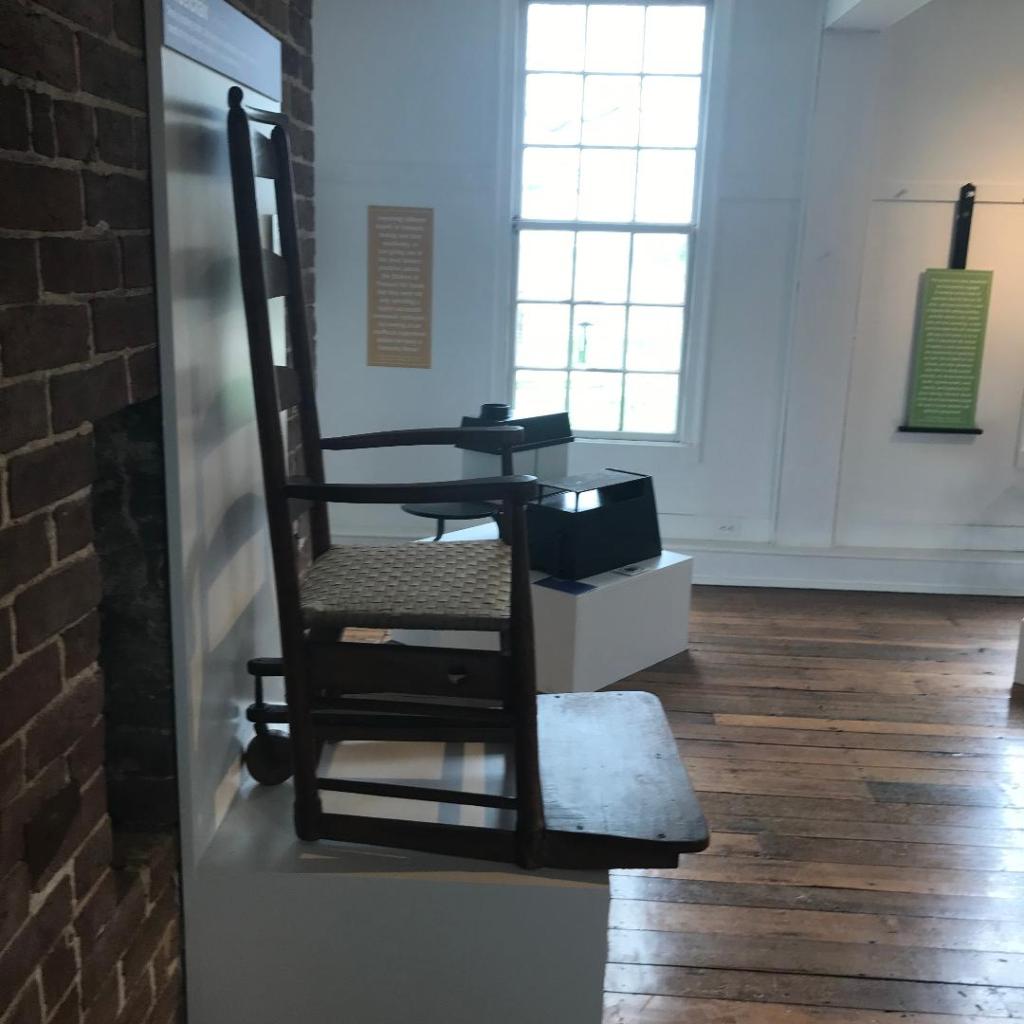
Shaker wheelchair, front and side view. As members aged this innovation was needed.
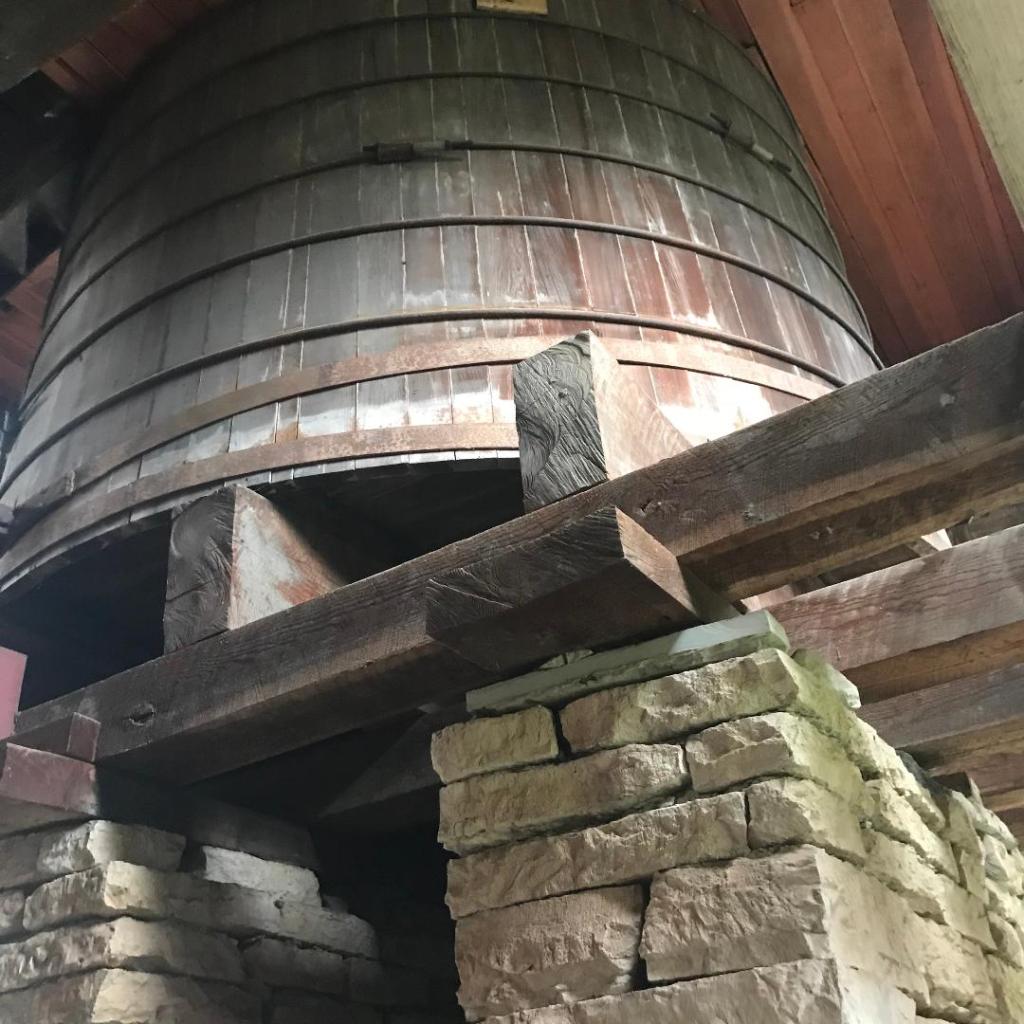
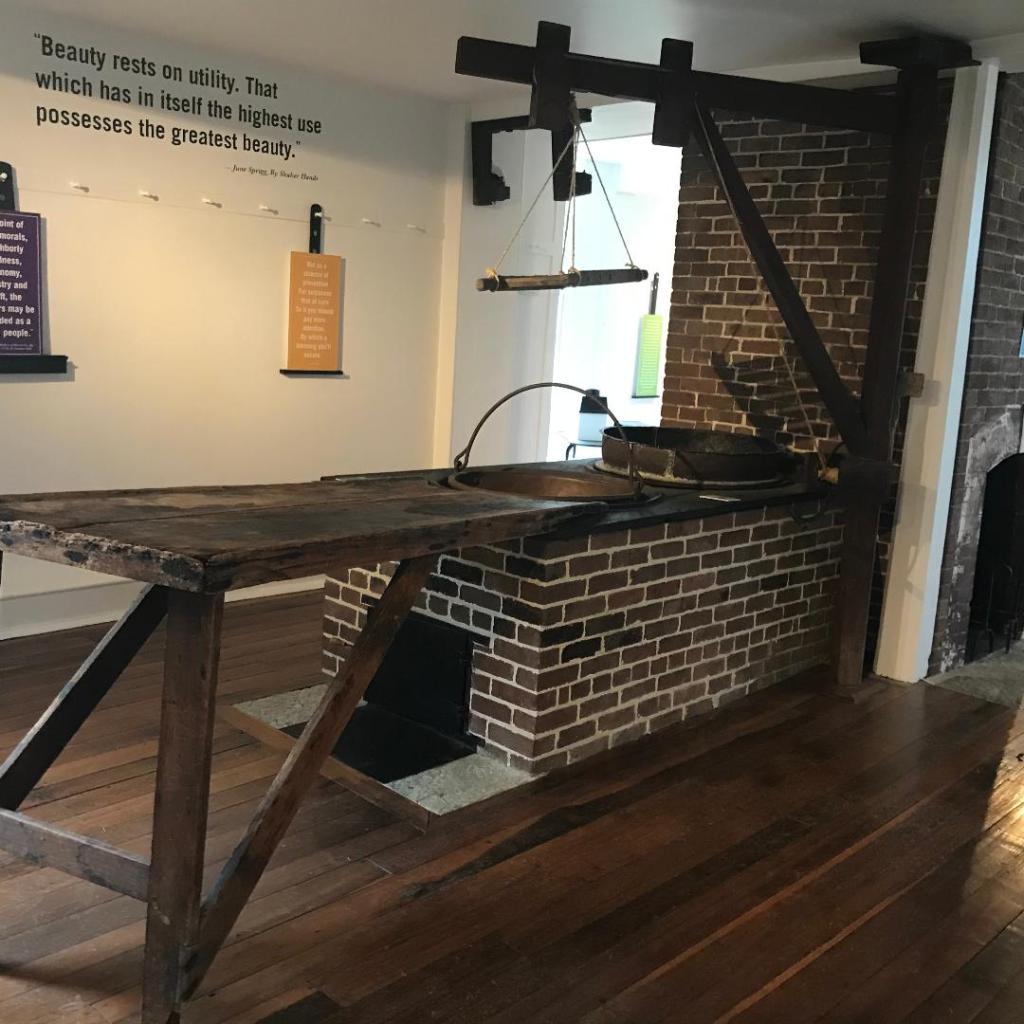
The Shakers had their own water pumping station. 5,000 gallons of water were used daily by the community.Washing and Drying Area
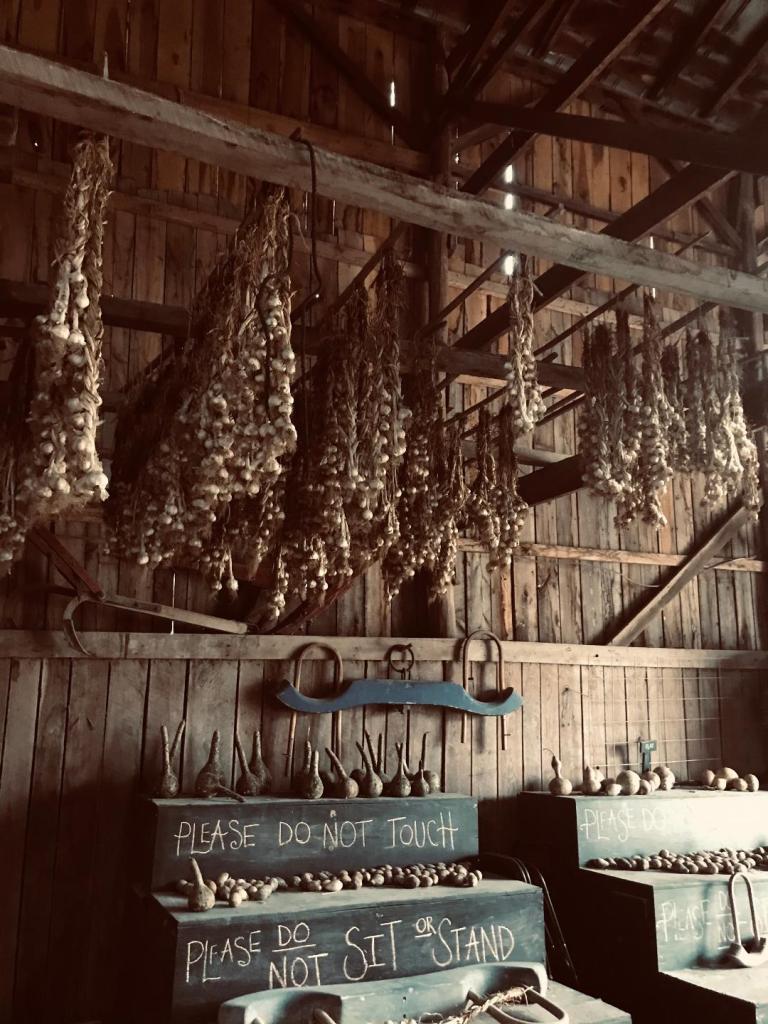
Tobacco Drying in one of the Shaker barns. Shakers were noted for barn construction.
Post Office and Trustee’s Office Shaker women were leaders involved in the Community business.
This living museum was beyond amazing with so much to see and learn about Shaker life. Rooms are available on the property in the Shaker buildings. Amenities and Shaker furniture reproductions are 21st century in these rooms.
At the Trustee’s Office there is a restaurant with reasonably price food which is delicious. Walking and hiking paths are available within the Village. During the summer season there is a boat ride on the river nearby. Children especially loved this venue, however, it is for children of all ages.
This visit was one of the most relaxing and enjoyable visits I have ever taken. The Shaker Village at Pleasant Hill is an undiscovered jewel to partake. A must see and do.
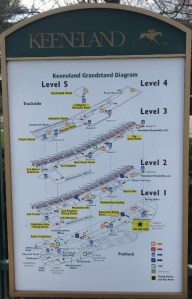
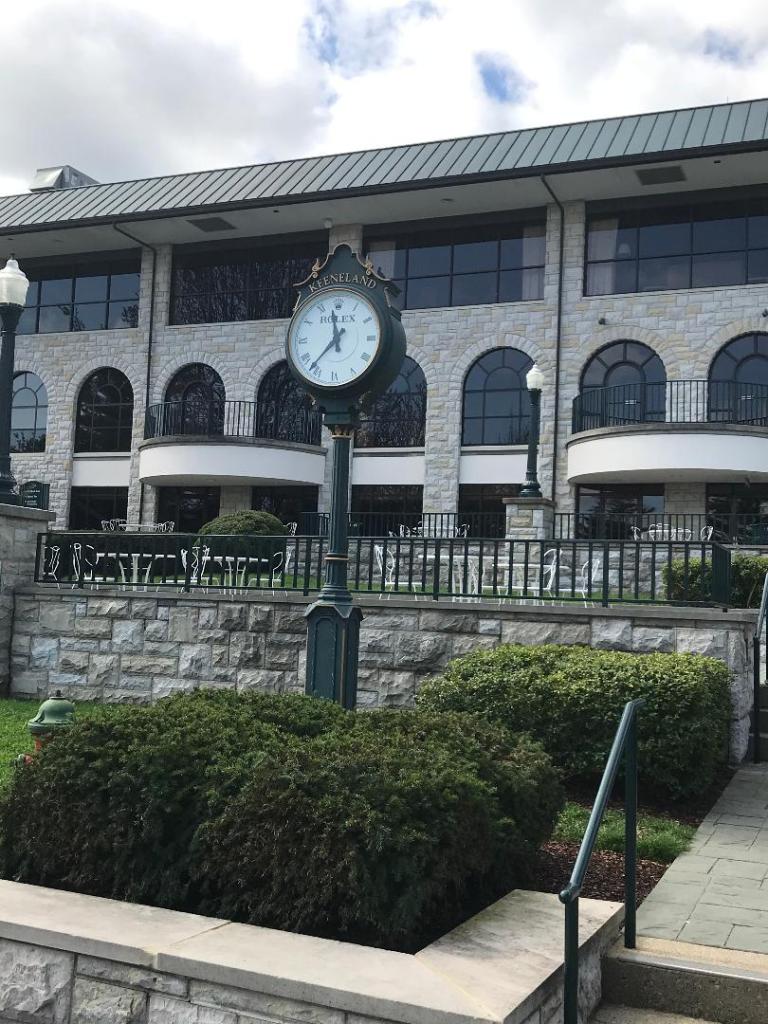
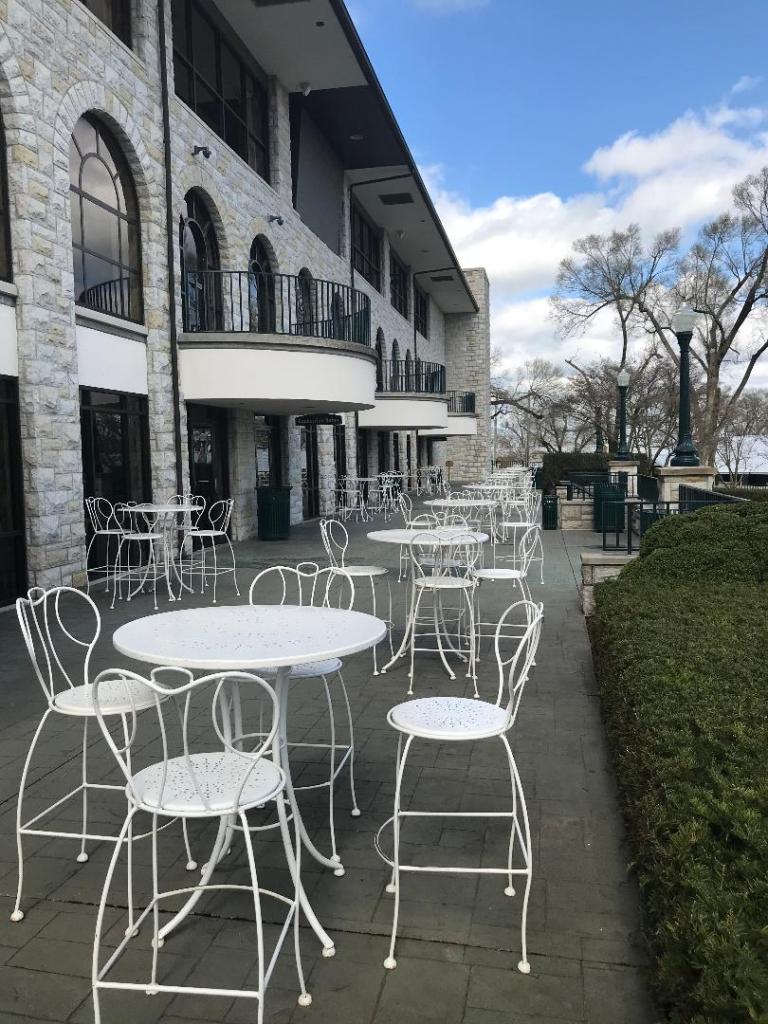
Keeneland Raceway has been Lexington’s horse racing track since 1936. Did a short visit after the horse farm tour and thought my followers would enjoy the pictures.
The Paddock Area
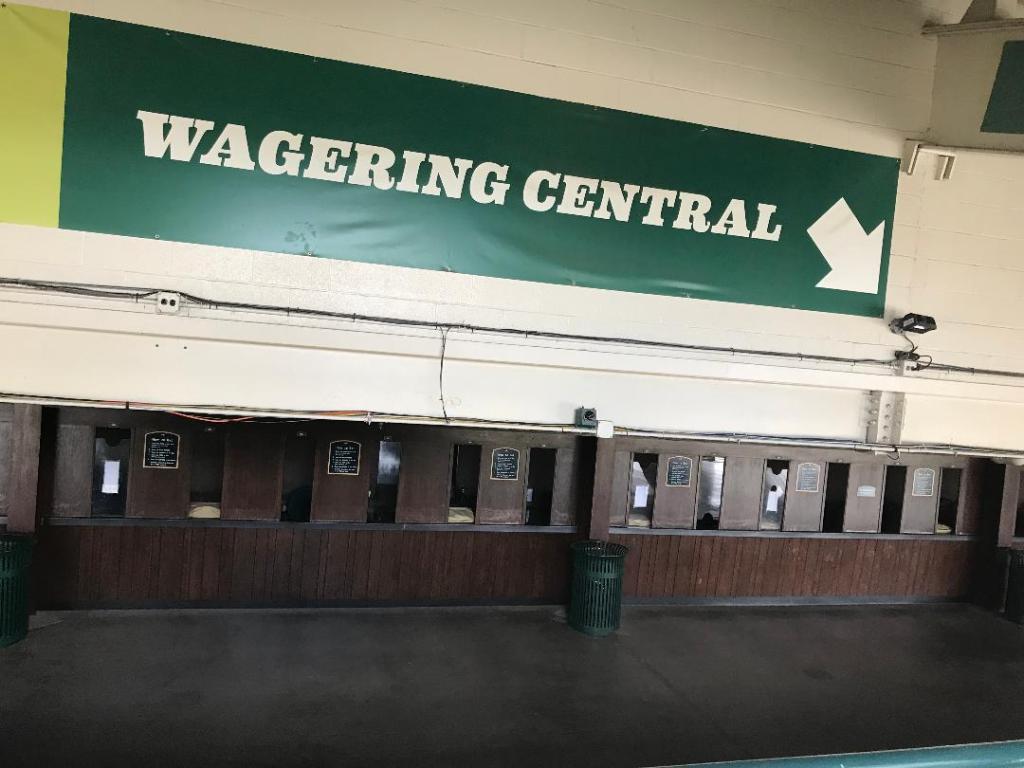
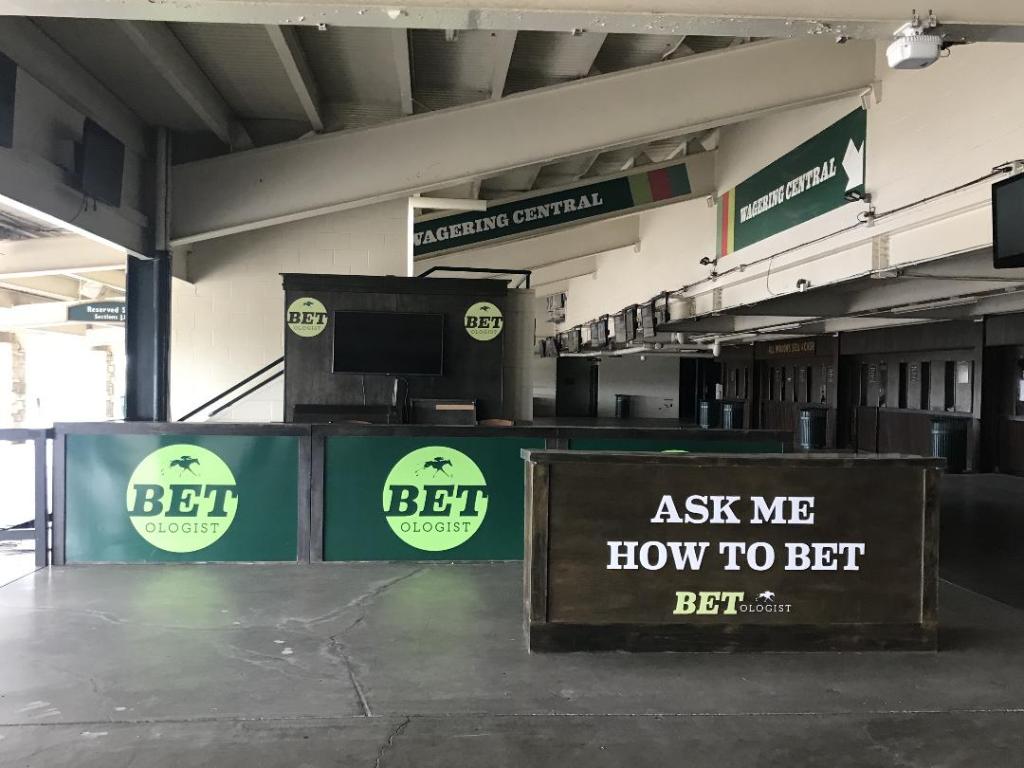
The Wagering Area
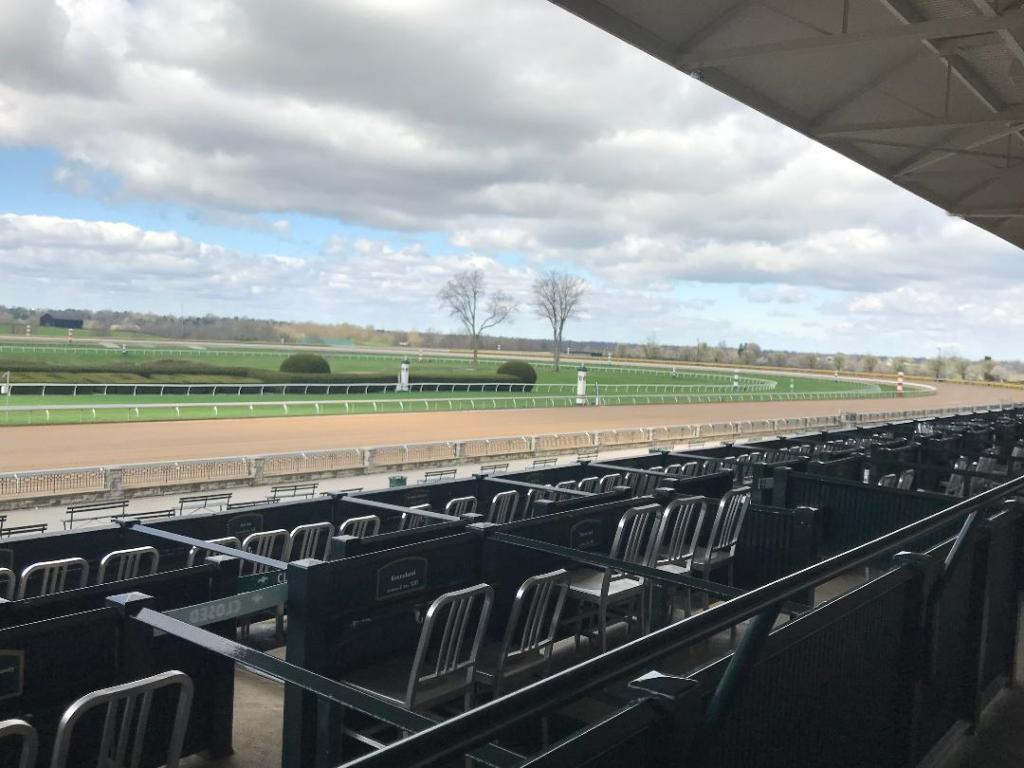
The Track
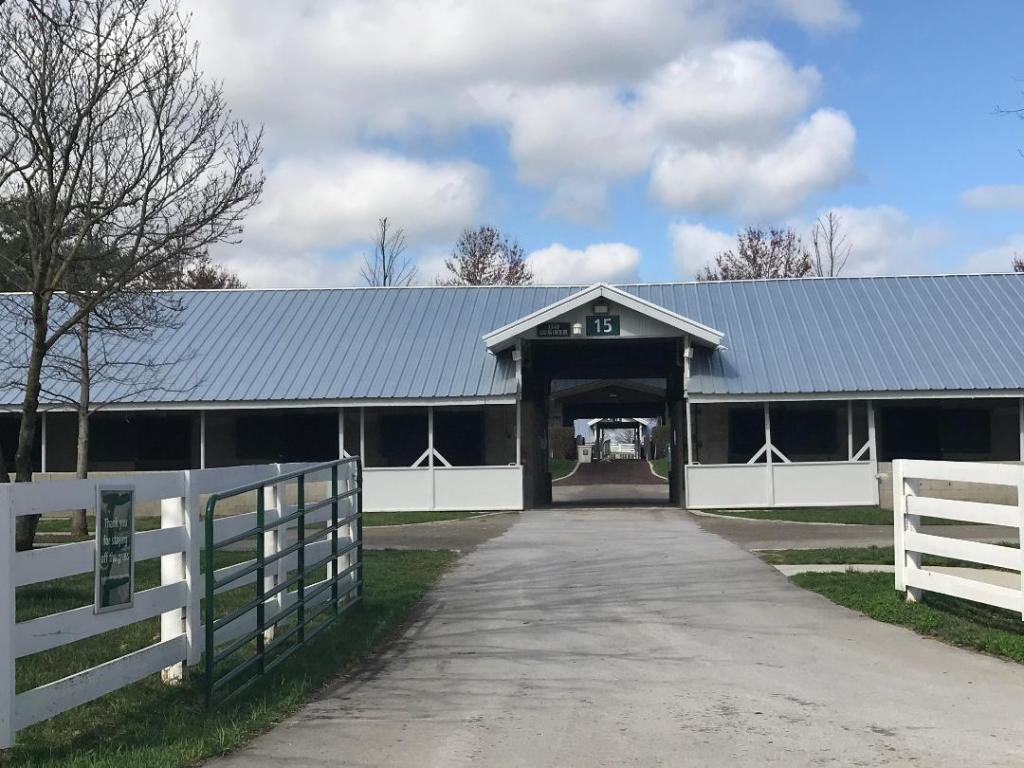
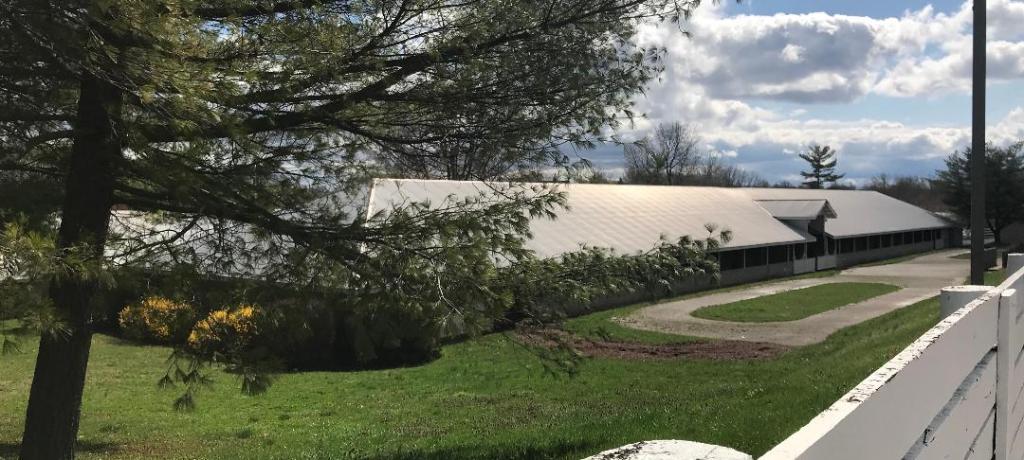
The Barns
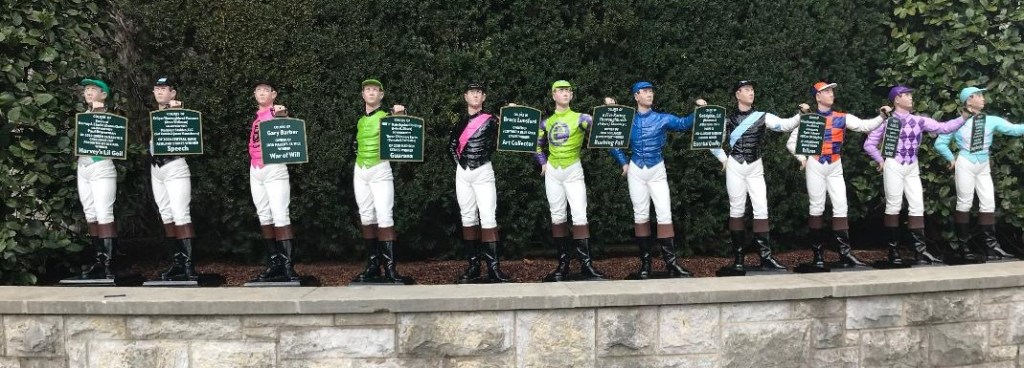
Those that make it happen..
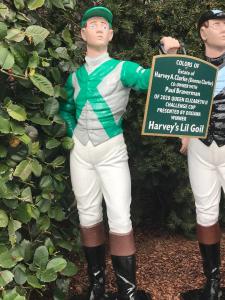
This jockey won the 2020 Queen Elizabeth II Challenge Cup riding on Harvey’s Lil Goil
Another fascinating day in Lexington! On to Pleasant Hill…
Took an amazing horse farm tour with Expedia while visiting Lexington. Here I learned much of the equine industry from a seasoned guide who has worked in the industry for over 40 years!
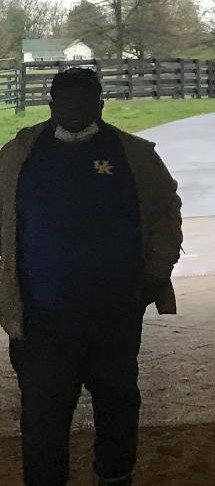
Bad picture, great man..
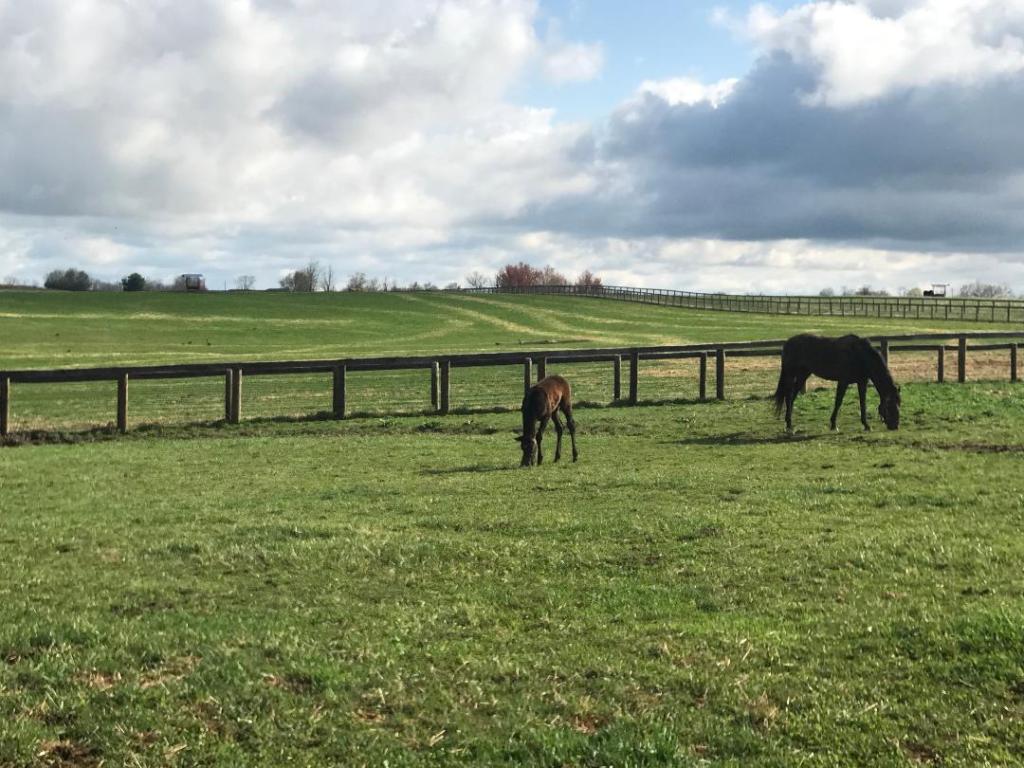
Our first stop was Katierich Farms, the farm of Larry and Katherine Doyle. This farm is 356 acres with a monthly cost of $300,000. to manage. The Doyle’s are New Yorker’s and live in Sleepy Hollow, NY, visiting several weeks of the year.
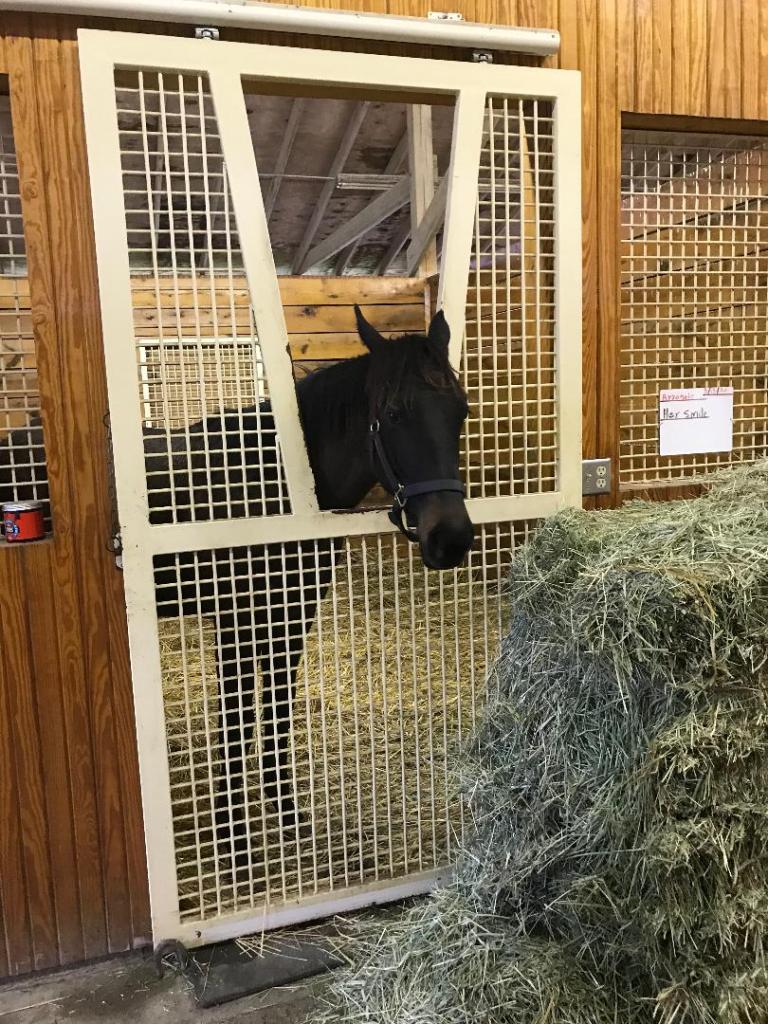
One of the barns..
The Track..
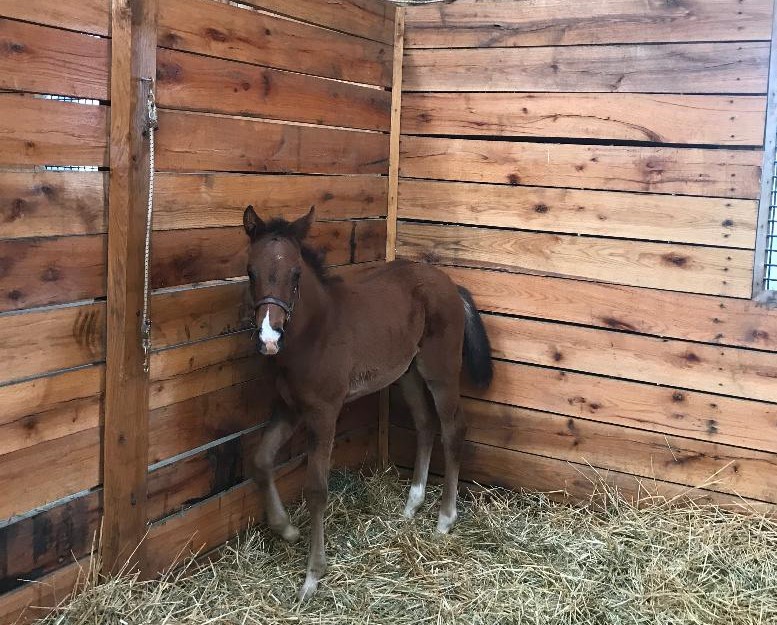
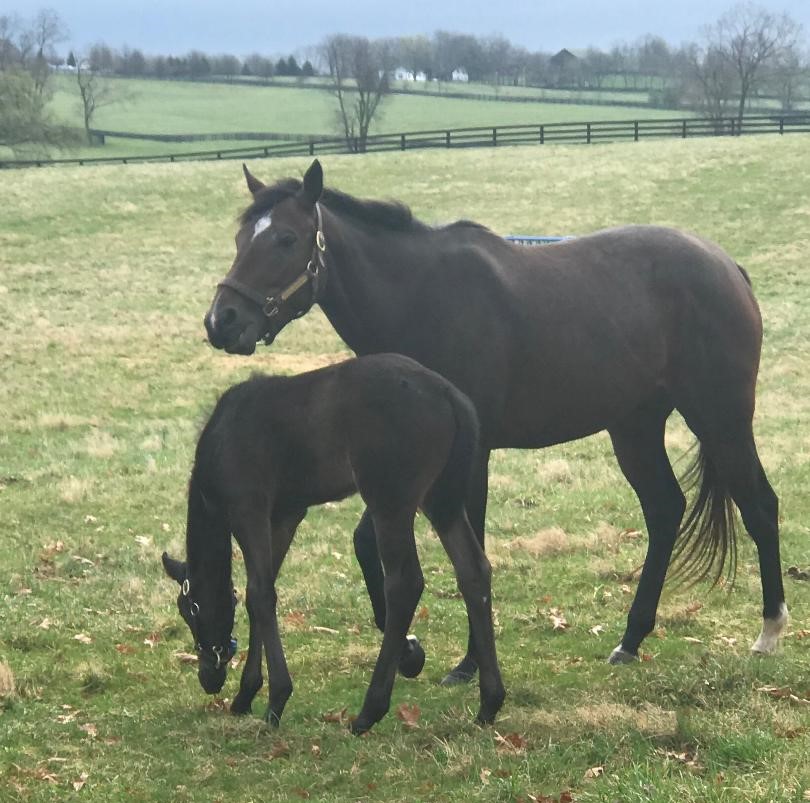
Meet Miss Mary Apples born 4/14/2020. She is a yearling.
Some basic facts…
One year old horses are known as yearlings. When these lovely creatures are born they stay with their moms for 120 days. Once they leave their mom they gain 10-12 pounds per week. They begin racing after they are two years old.
A stallion is a guy horse and a mare is a girl horse. A baby horse till 1 year of age is a foal.
Every thoroughbred horse birth date is recorded as January 1st.
Horses stay outside overnight once the frost has past to acclimate to weather and for exercise.
In the fields they enjoy playing with each other and this provides socialization for the foals.
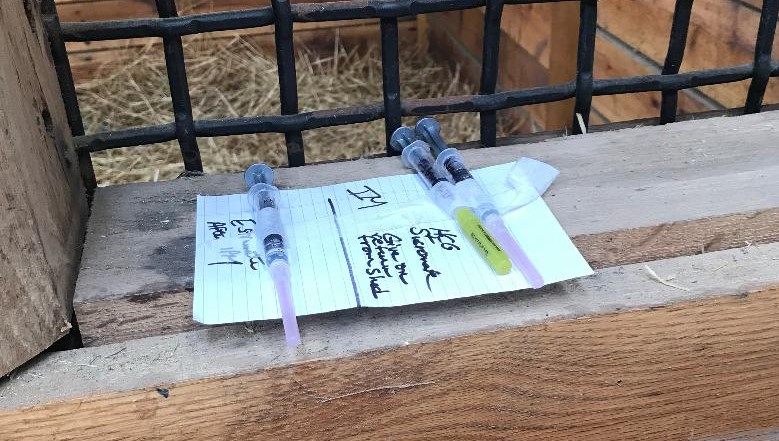
Pregnancy lasts 11 months, then 15-30 days later the horse is inseminated again. Mares are inseminated with the stallion mounting them, no artificial insemination. Injections are given to ensure the pregnancy is maintained.
Farms make their monies via stud fees which can be over $1 million dollars.
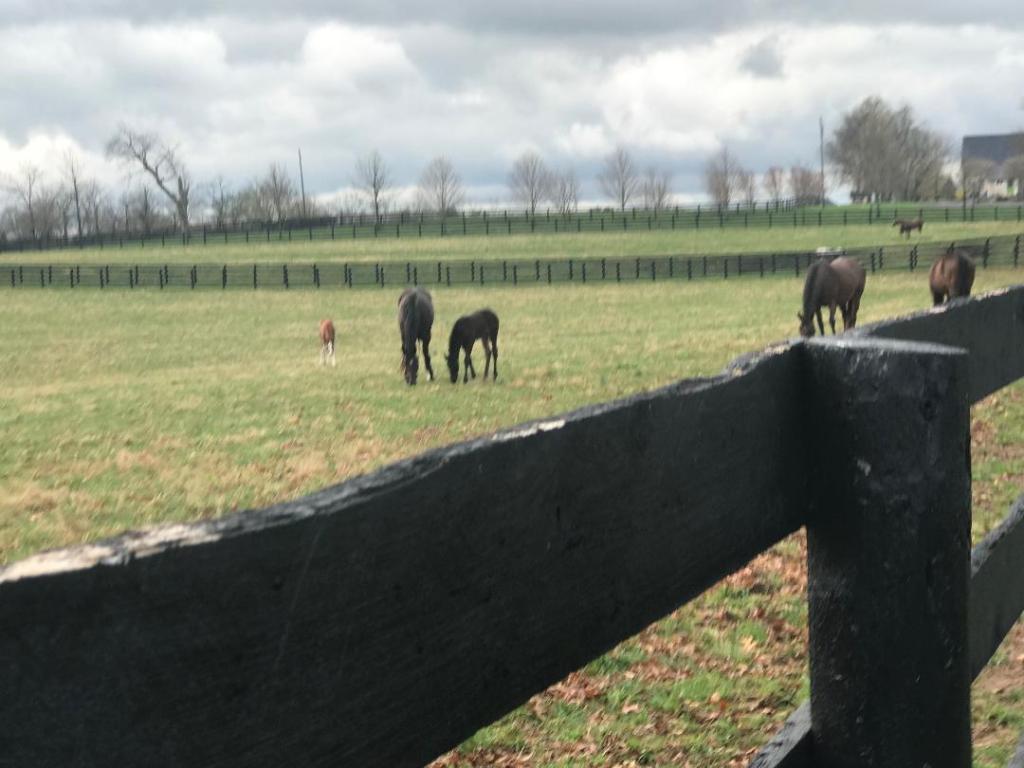
Let’s look at a few more of these beauties at the Katierich Farms.
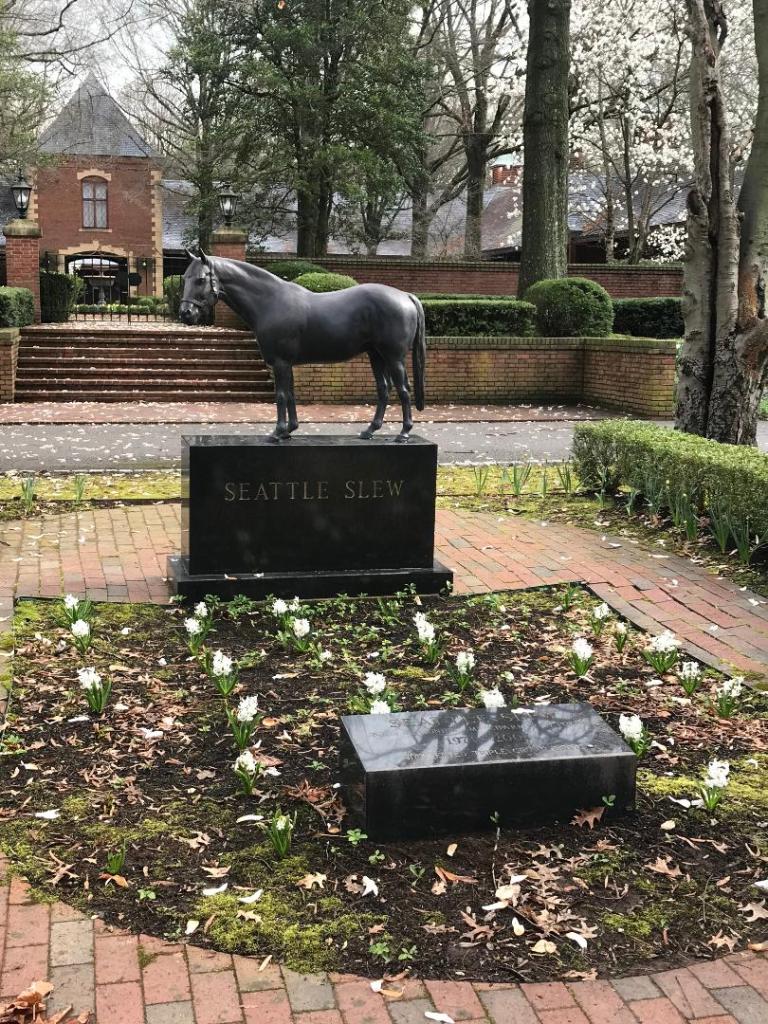
The next farm visited was The Don Alberto Farm. This farm was purchased for $35 million and has over 2,000 acres. Mr. Alberto is from South America and owns a chain of stores similar to Walmart’s. The monthly cost for managing the farm is $600,000. On his property Seattle Slew is buried who was the 1977 Triple Crown winner.
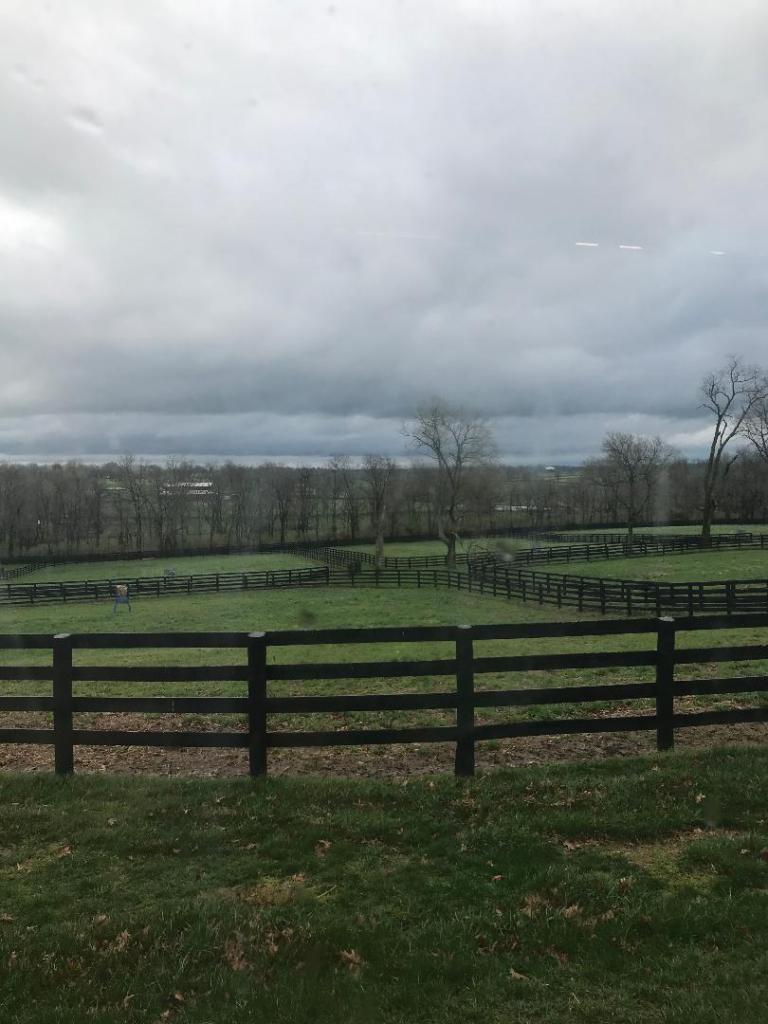
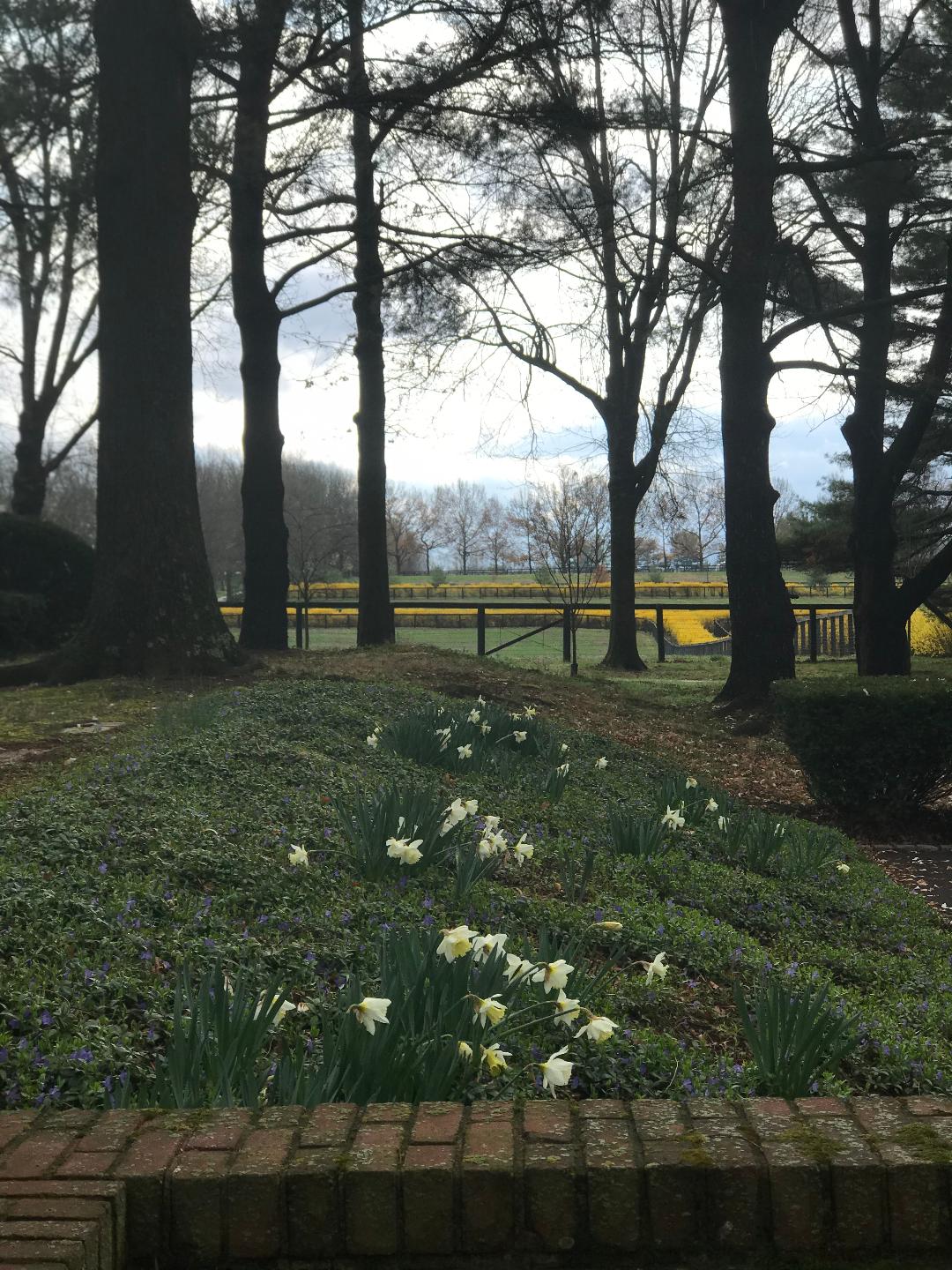
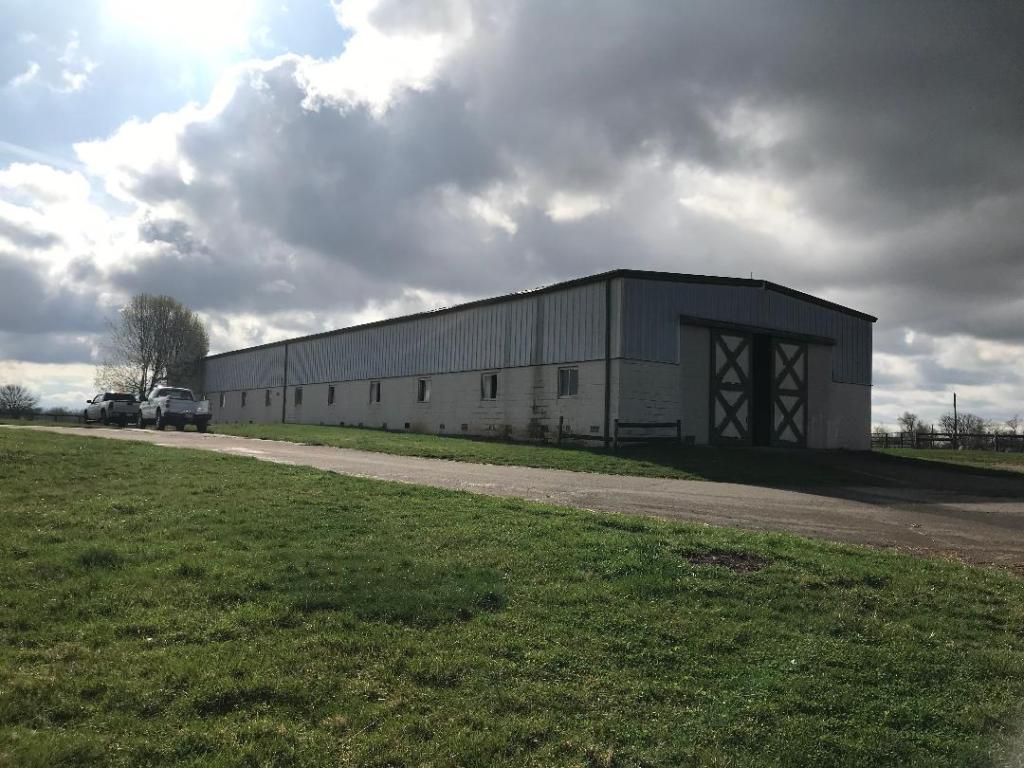
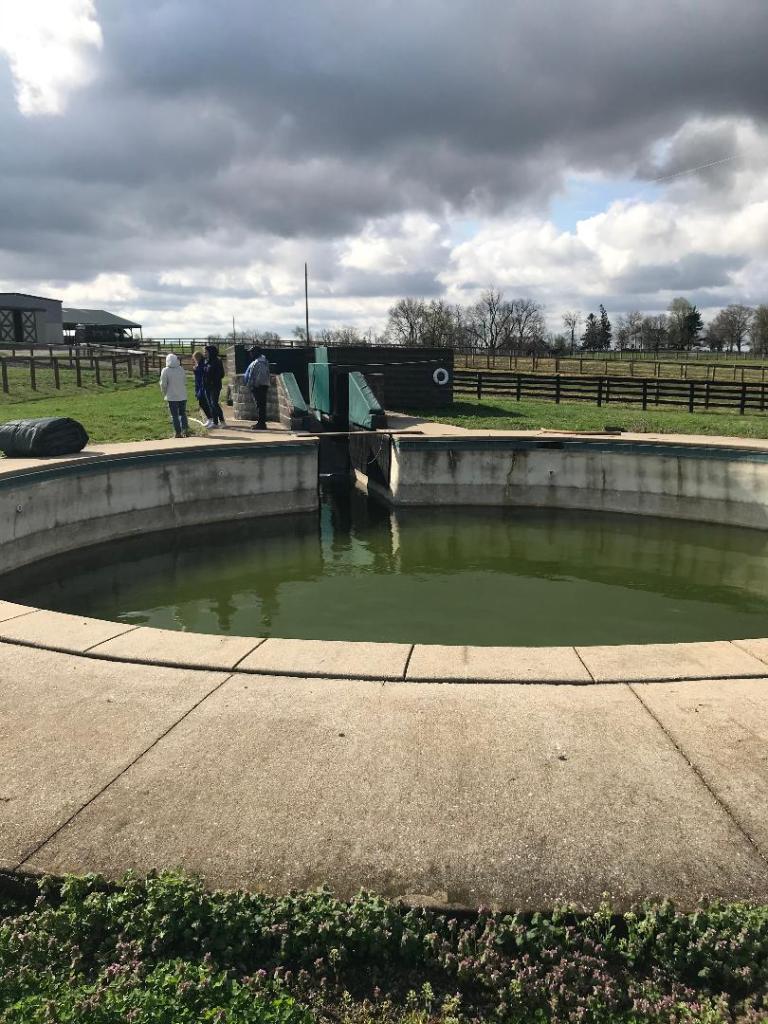
The farm is a recent purchase and is currently being renovated. No horses are housed here, but aren’t the grounds beautiful?.
It was at this farm our guide told an interesting and funny story. There was a stallion who was taking 1 1/2 hours to stud, while this usually takes a relatively short period of time. When the owner came by to check on the horse and better understand the problem the stallion immediately did the deed. Apparently, the owner’s perfume did the trick. There is something to be said for pheromones.
All this horse information led me to question how jockeys are paid. Was told these riders get 10% of the race purse upon winning and agents get 25% of the jockey payment.
Why is Kentucky the horse capitol of the world?
Kentucky is loaded with limestone, even in the drinking water. Limestone is good for bones and this enhances bone strength making these horses better candidates for racing.
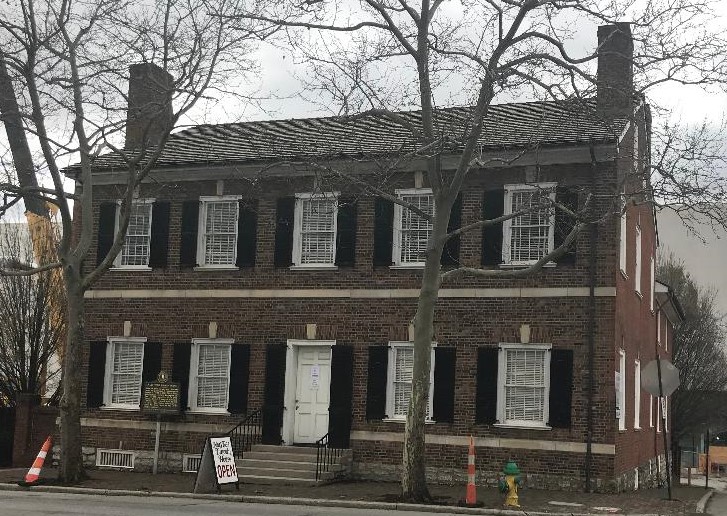
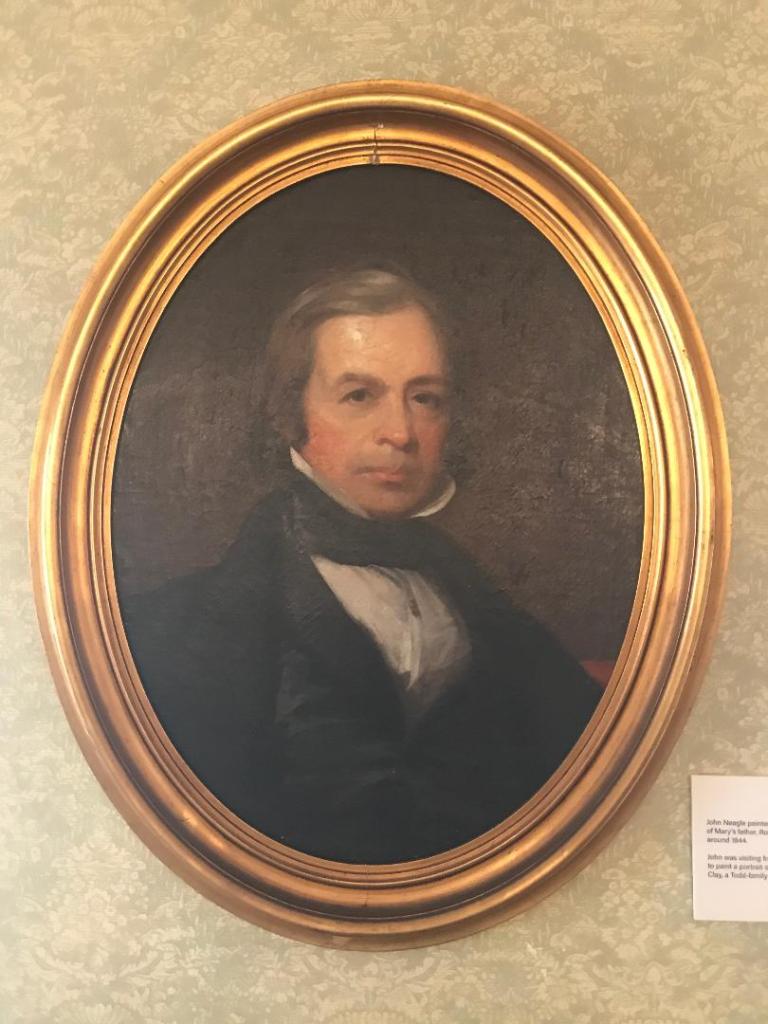
This gracious home was where Mary Todd lived with her family from13 to 21 years of age. The family owned the home from 1832 to 1849. Mary’s father, Robert Smith Todd was a prominent Lexington merchant and businessman.
Robert Smith Todd
Mary was educated and versed in politics. Visiting her sister in Illinois she was introduced to Abraham Lincoln. Once married they visited her family’s Lexington home. The home is a historically correct and has some family memorabilia.
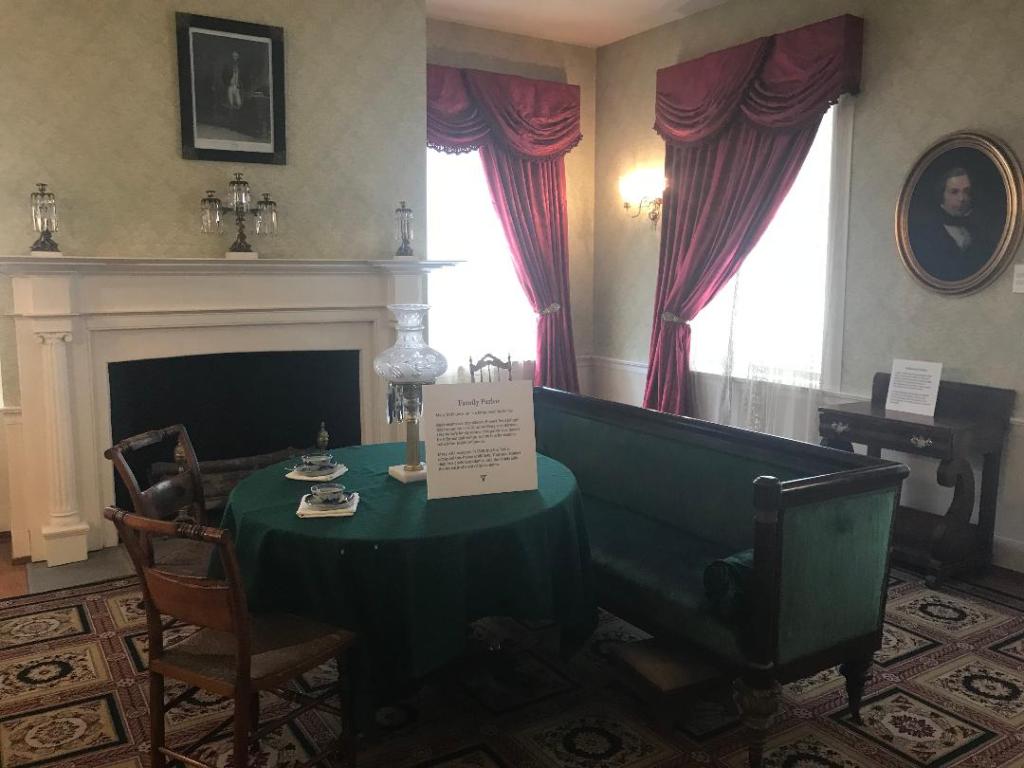
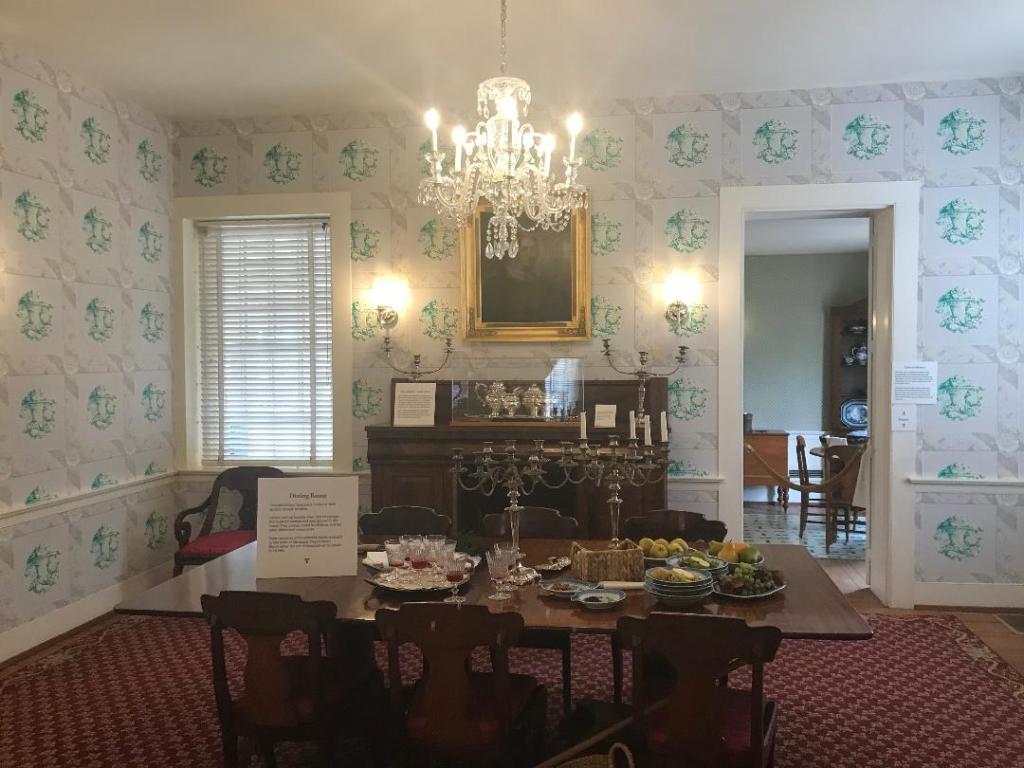
Let’s take a look.
The ParlorThe Dining RoomSlave Kitchen
The Todd’s had slaves. When Mr. Todd died Mary’s stepmother continued to have and keep slaves as did her grandmother, however the grandmother did release her slaves later in life.
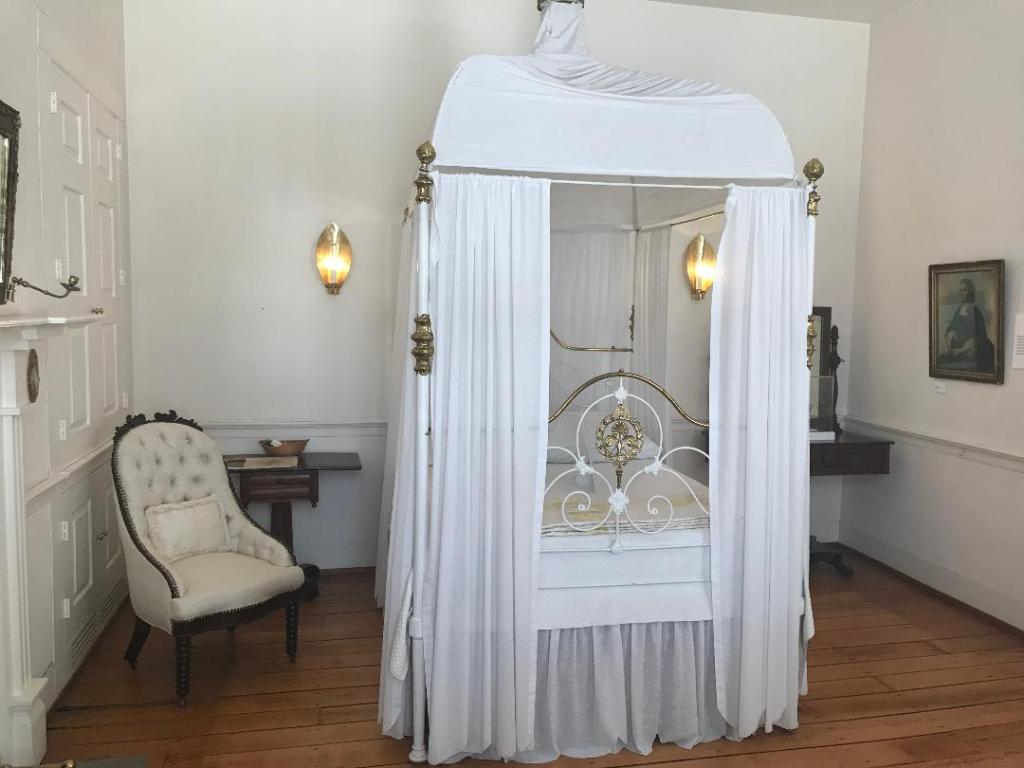
Mary’s Bedroom
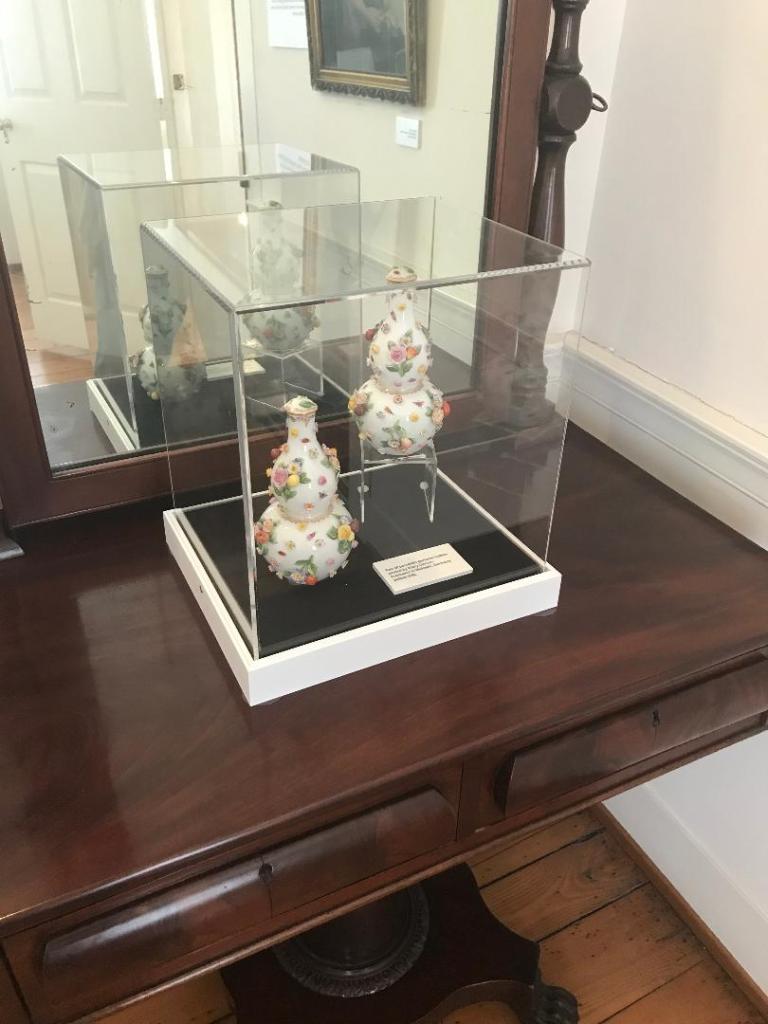
Mary’s Glassware
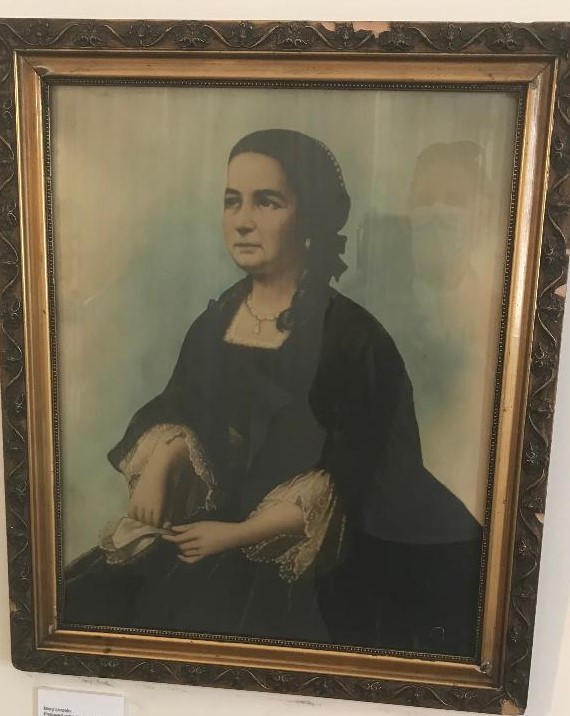
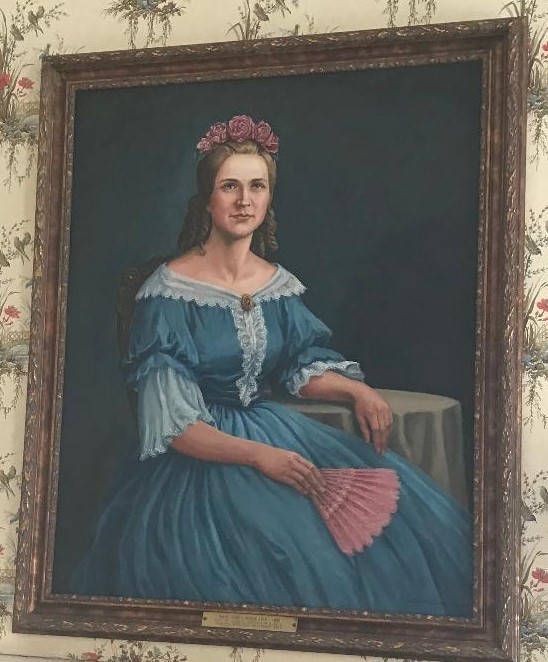
The tour of the home is self guided with the docents offering much information on Mary’s life and times. They mentioned how Mary is often portrayed inaccurately. On the left is how she is usually painted, however, the picture on the right is her actual skin, hair and eye coloring.
A fascinating tour to learn more of the woman behind the great man.
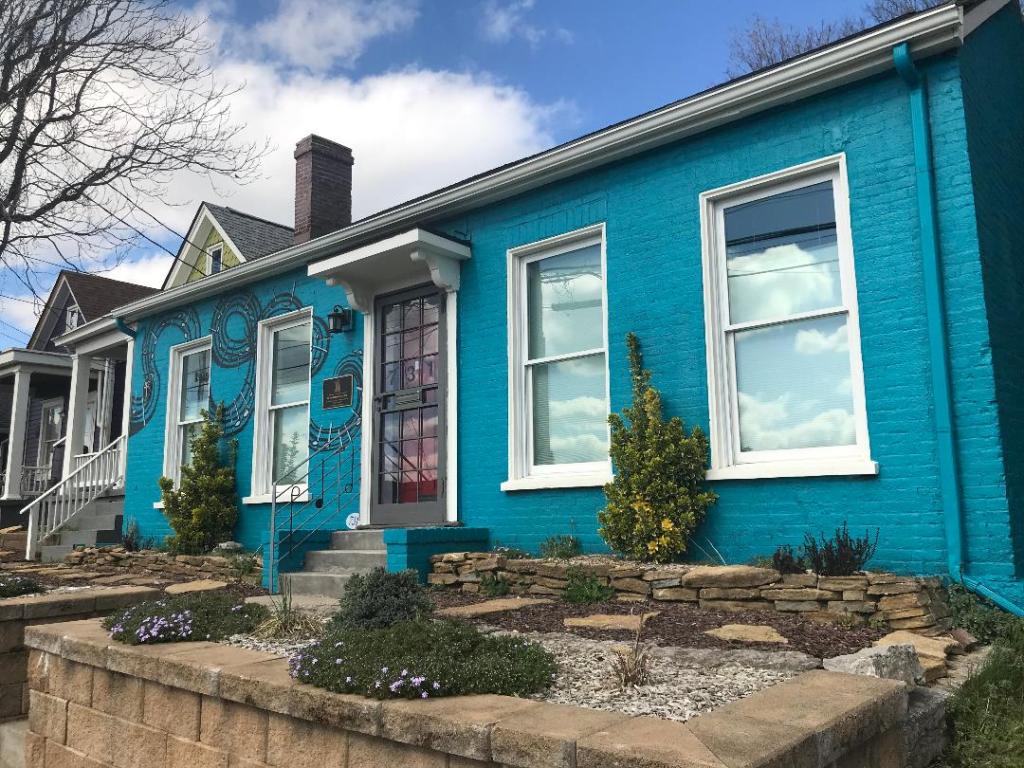
In Lexington found a modern clean City with construction surging. What a pleasant surprise. And, as I alluded to earlier, everything is horses.
From licenses plates,
To building murals,
Even streets were named for horses with Man O’War Boulevard a main thoroughfare, as well as, Sir Barton Way, and Citation Boulevard to name three. The equine industry looms in Lexington.
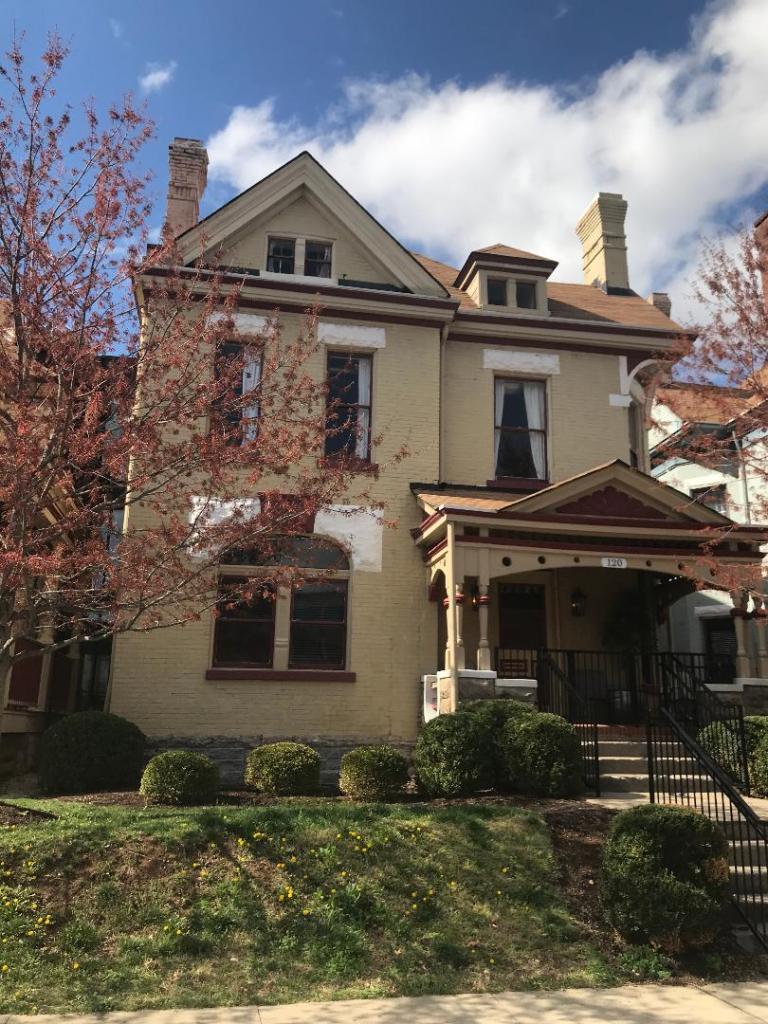
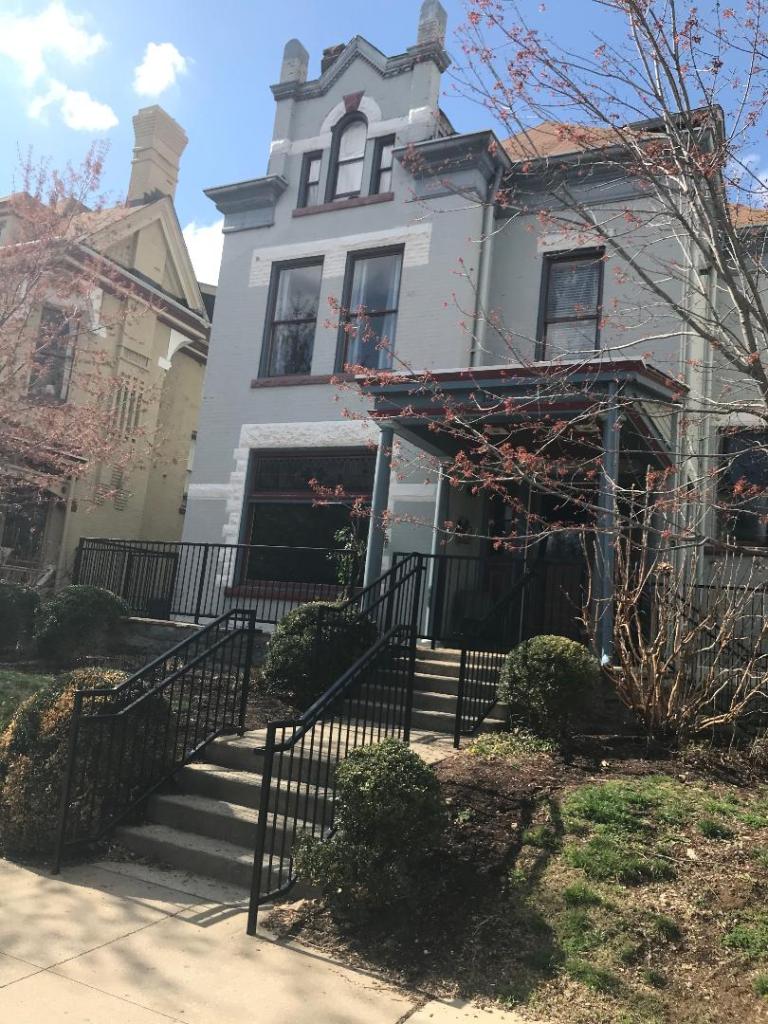
Homes were majestic, both large…
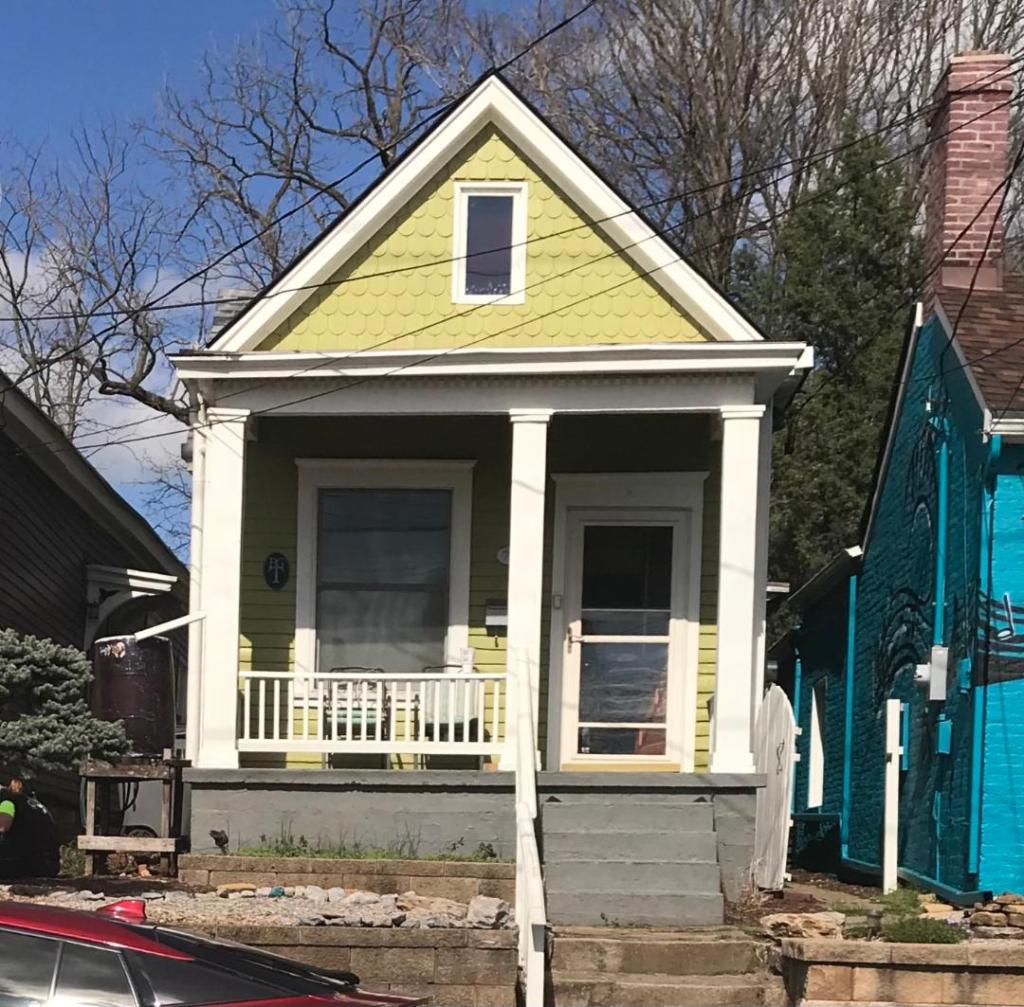
small,
with an interesting modern version amongst the older grand dames.
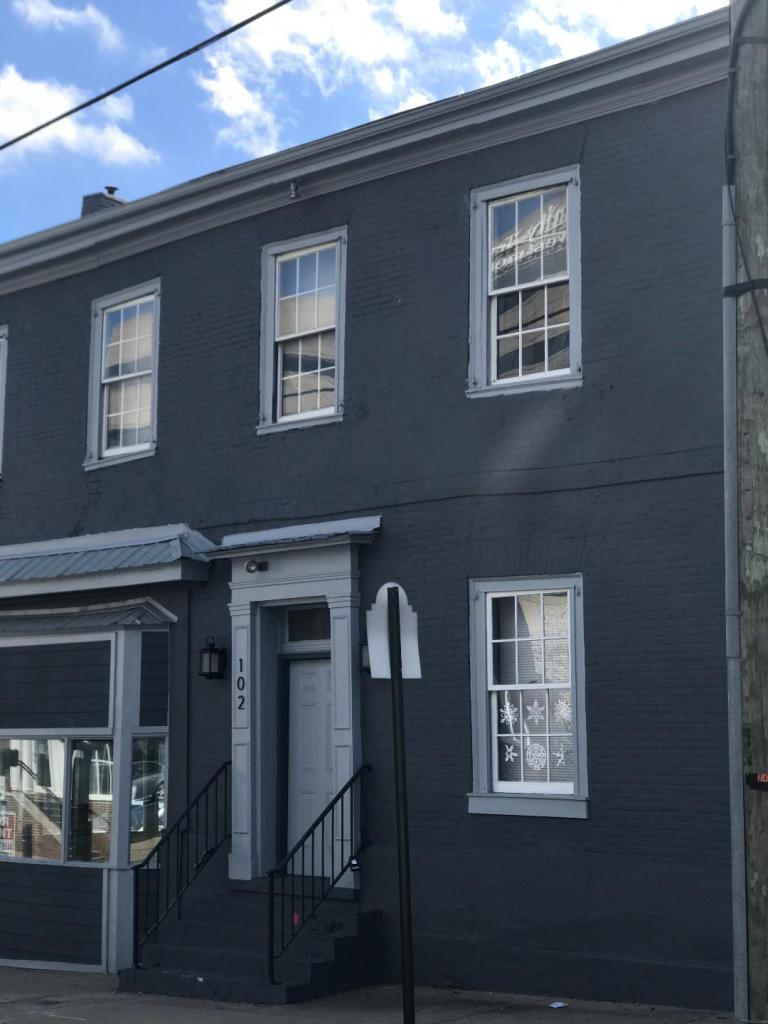
Then a historical home where Jefferson Davis, the president of the confederacy, lived from 1821 to 1824 while attending Transylvania University.
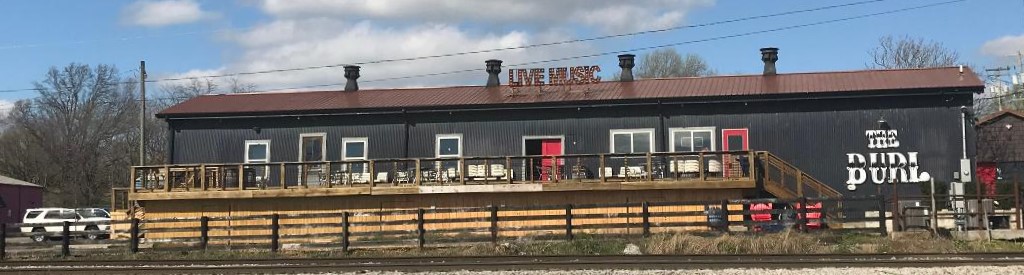
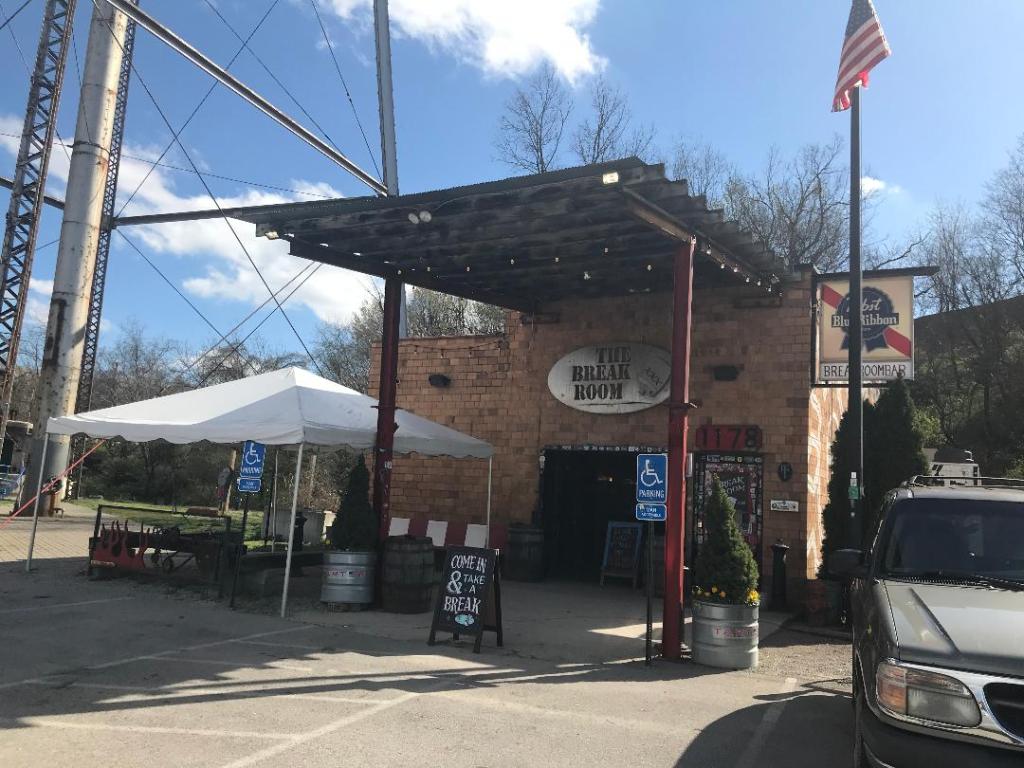
The City is also a university town with major hospitals and industries in the area. Found this area when a wrong turn was made. It is a lively area with much restaurant and bar traffic.
And where would the bars be without a nearby distillery??
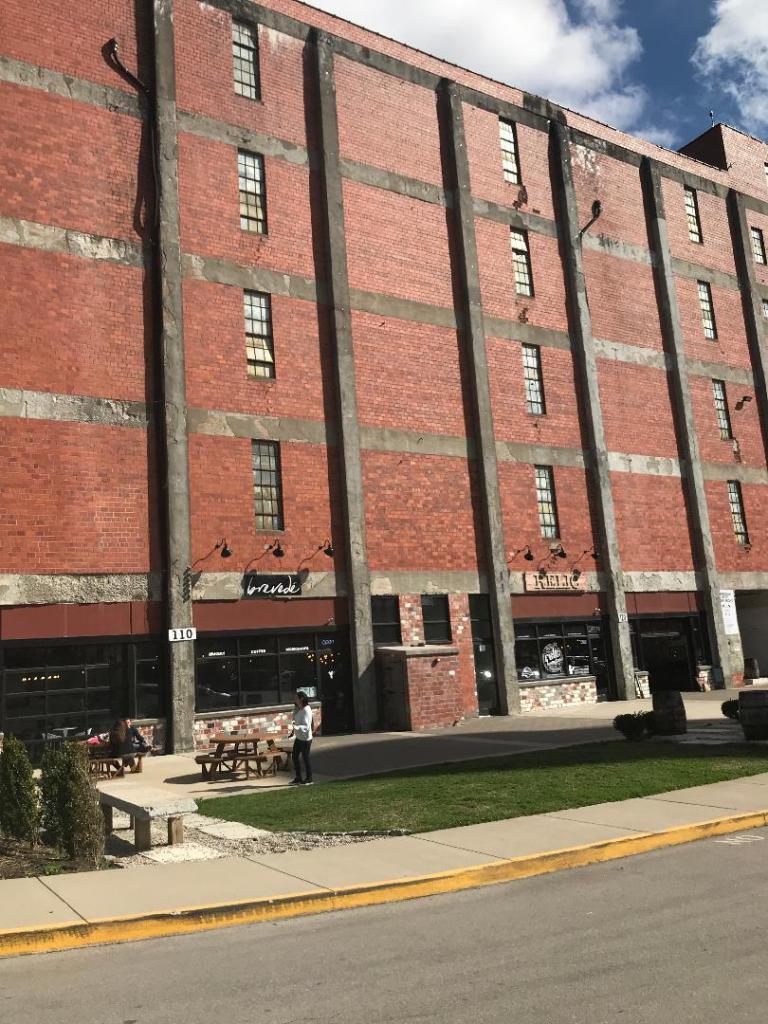
In closing.. a repurposed building with shops and more restaurants.


































 Young Retiree Needs a Life