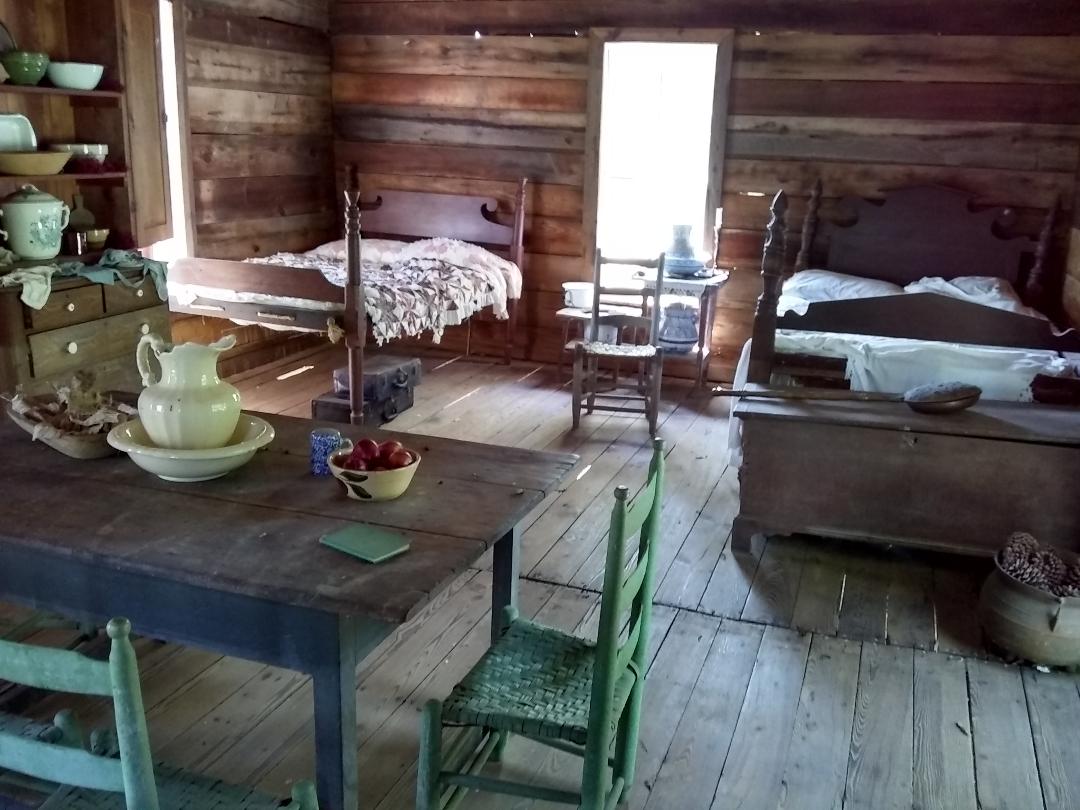
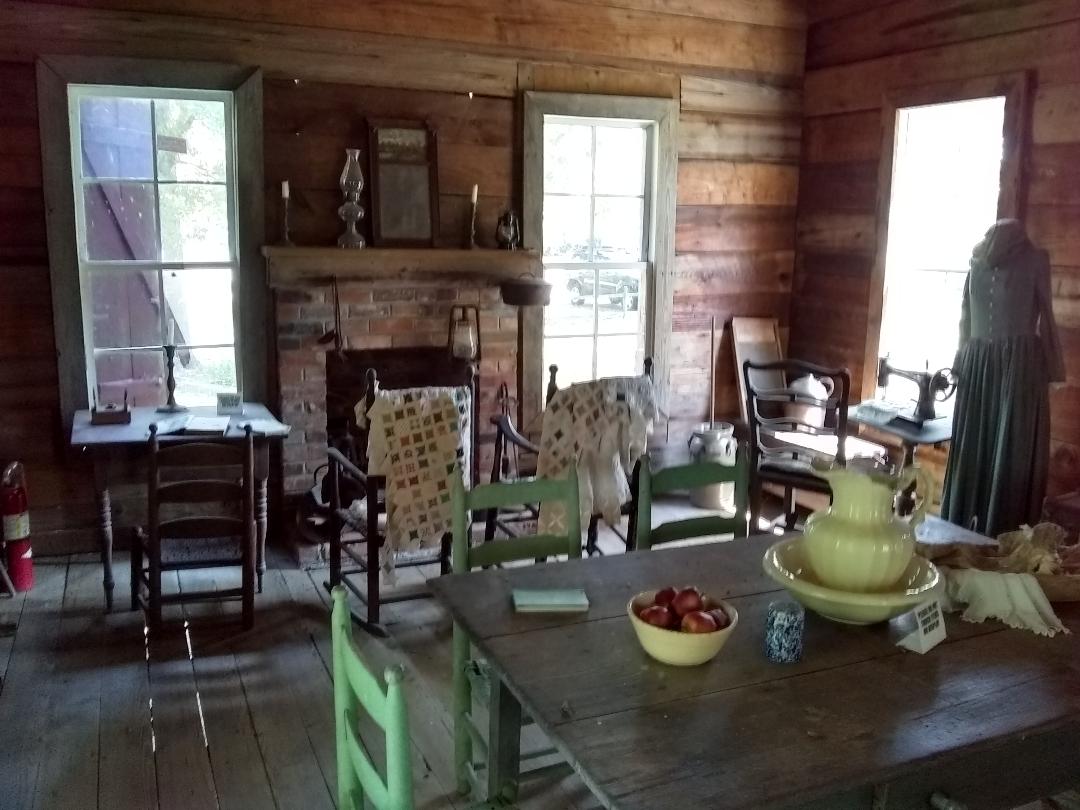
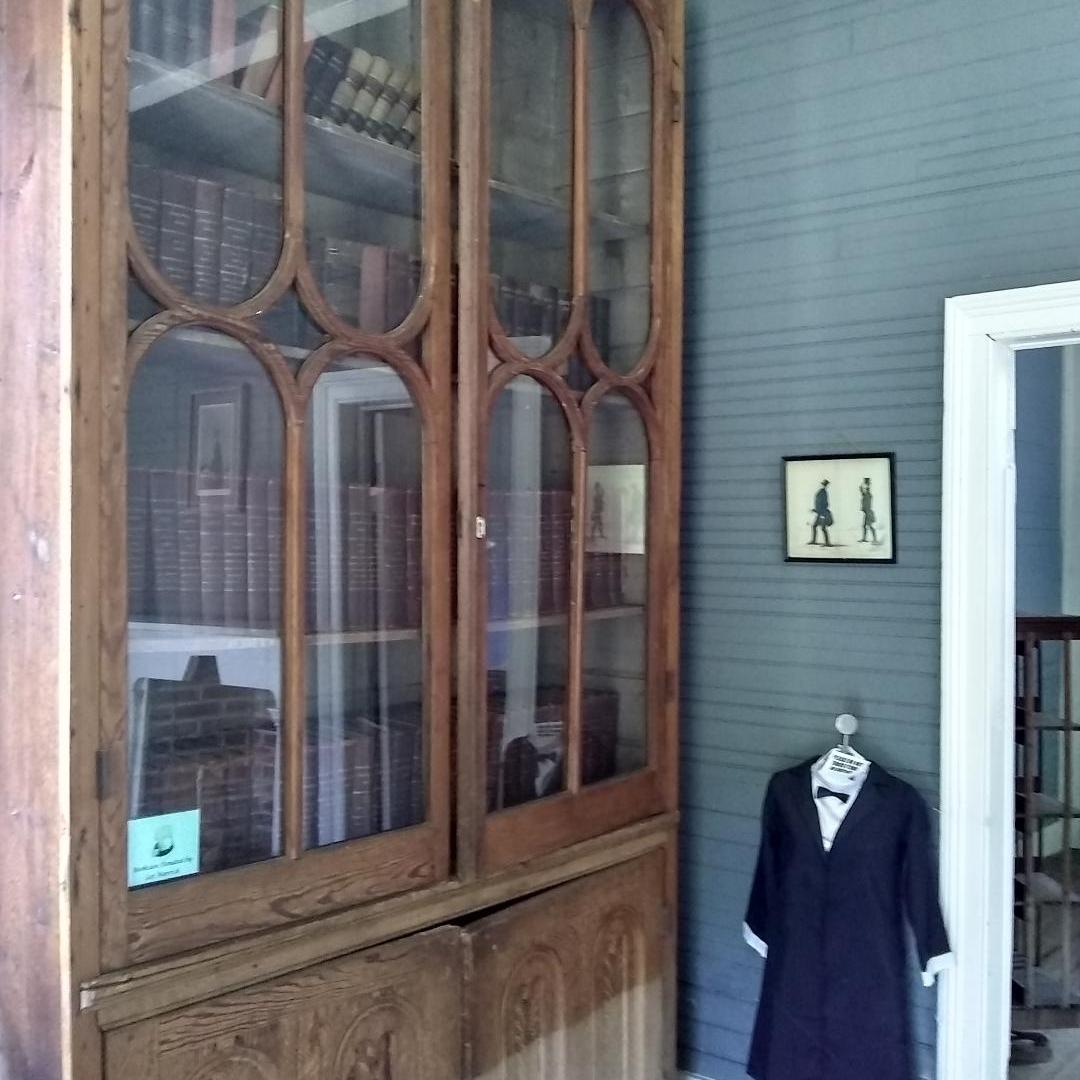
Willowdale Cemetery and Gertrude Weil among others..

Stopped by Willow Dale Cemetery in Goldsboro, North Carolina to see this historically significant place designed by Colonel Charles Nelson. I wish to acknowledge Tim, the cemetery manager, for his gracious assist and time. Thank you.

The cemetery began in 1853 with its first occupant being Dr. Samuel Adams, a beloved local physician.

Here is a picture of Dr. Samuel Adam’s cemetery stone.

The cemetery has much history with the remains of 800 Confederate soldiers underneath its confederate monument.

The plot of Governor Curtis Brodgen who served North Carolina from 1874-1877 during the reconstruction era is here. The first Secretary of the Army, General Kenneth Claiborne Royall, is also buried in the cemetery.

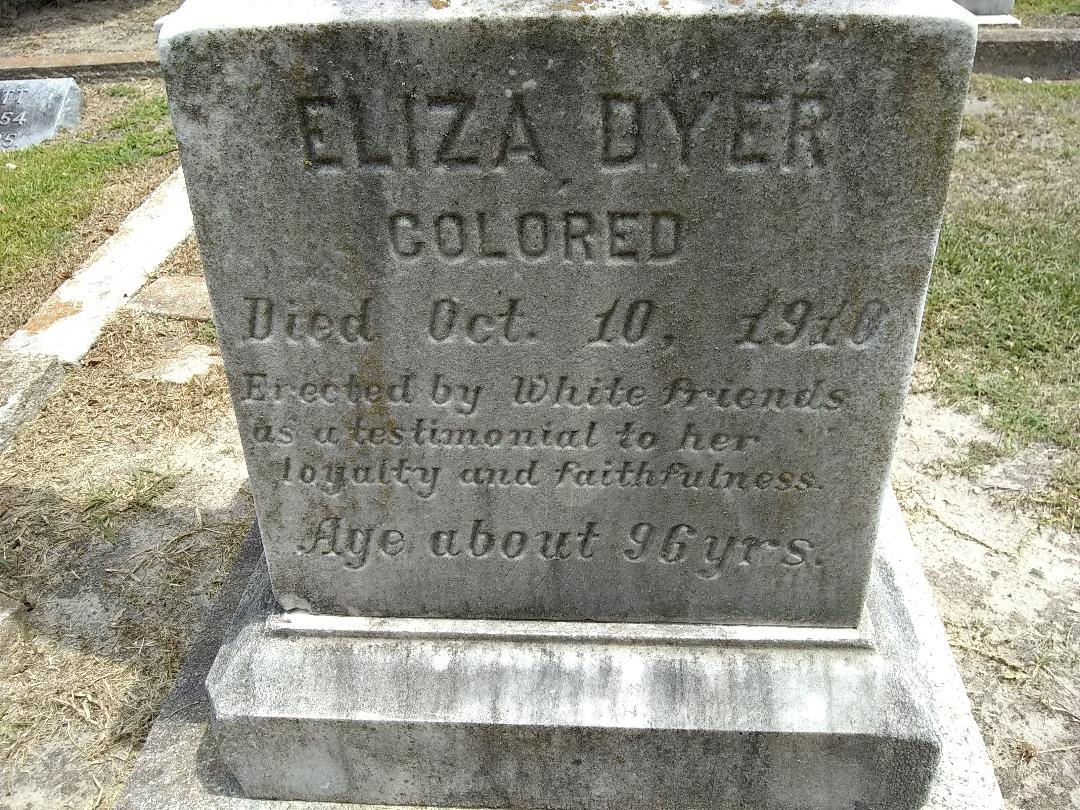
Eliza Dyer, the first person of “color” was buried here in 1910. She was maid to a prominent family and they requested she be buried in the all white cemetery. The following picture shows her stone and inscription. A moving tribute.

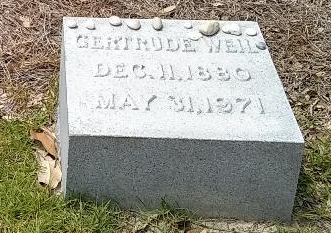
Gertrude Weil, (1879-1971), a prominent southern Jewish activist and lifelong resident of Goldsboro is also interred here. From a prominent family involved in the merchandising business, Gertrude dedicated her life to many causes and spread her philanthropy worldwide. Below lists several of her pursuits:

  • Graduate of the high school branch of Columbia University. Attended Smith College in Massachusetts.
  • Advocate of women’s rights, founded North Carolina League of Women’s Voters. Challenged laws which thwarted women’s rights.
  • As she could not hold a political office, she volunteered and served on local boards and commissions. She was famous for knowing how to get things done and campaigned against lynching, segregation, and for Jewish rights.
  • While North Carolina voted against the US Constitution amendment for women’s right to vote, (Tennessee cast the final vote), her work is credited for setting the national tone for this effort.
  • Gained national attention in 1922 when she spotted and ripped up a stack of illegally marked ballots.
  • In the 1930’s and 1940’s rescued Jewish refugees from the Holocaust and supported the creation of Israel.
  • At 80 she dove head first into a swimming pool thereby desegregating the pool. This pool was one of her philanthropic endeavors.
Elizabeth, far left, from North Carolina Archives. 1920 picture.

From my internet search I became quite inspired by the works of this Southern Jewish Activist from the from early part of the 20th century. My interest was piqued as I live near her former home.

Her efforts and work glow as an enduring legacy for women to follow in the footsteps of her greatness. In closing here is a quote from Gertrude which best describes her simple credence.

“It is so obvious that to treat people equally is the right thing to do.”
New Berne, North Carolina

New Berne is a historic, revolutionary war town. The town was returned to its roots in the mid 1900’s through the efforts of several dedicated women who worked tirelessly with public and private organizations to achieve their goal. The area was successfully reclaimed and the Tryon Palace area returned to its former glory.

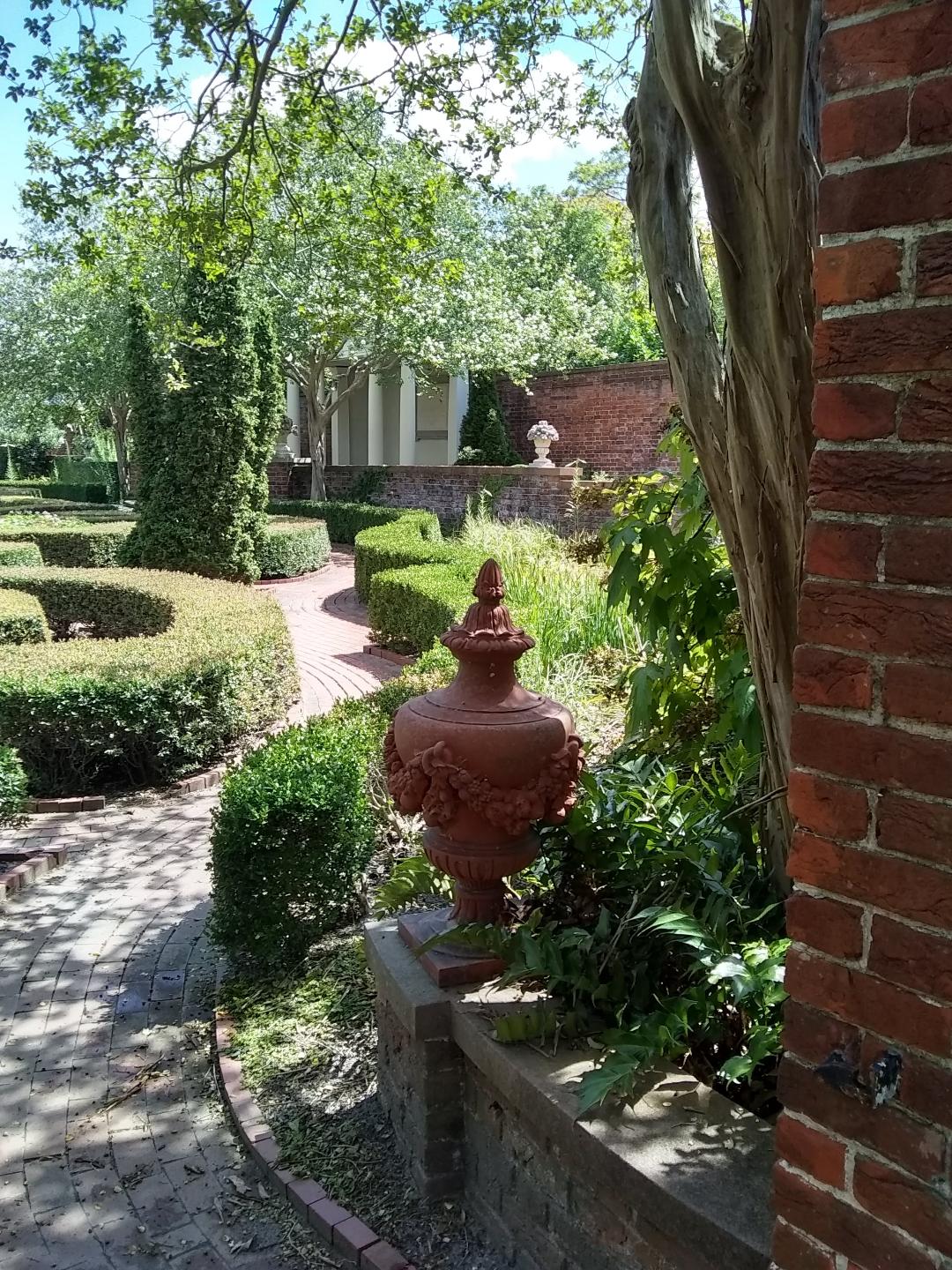
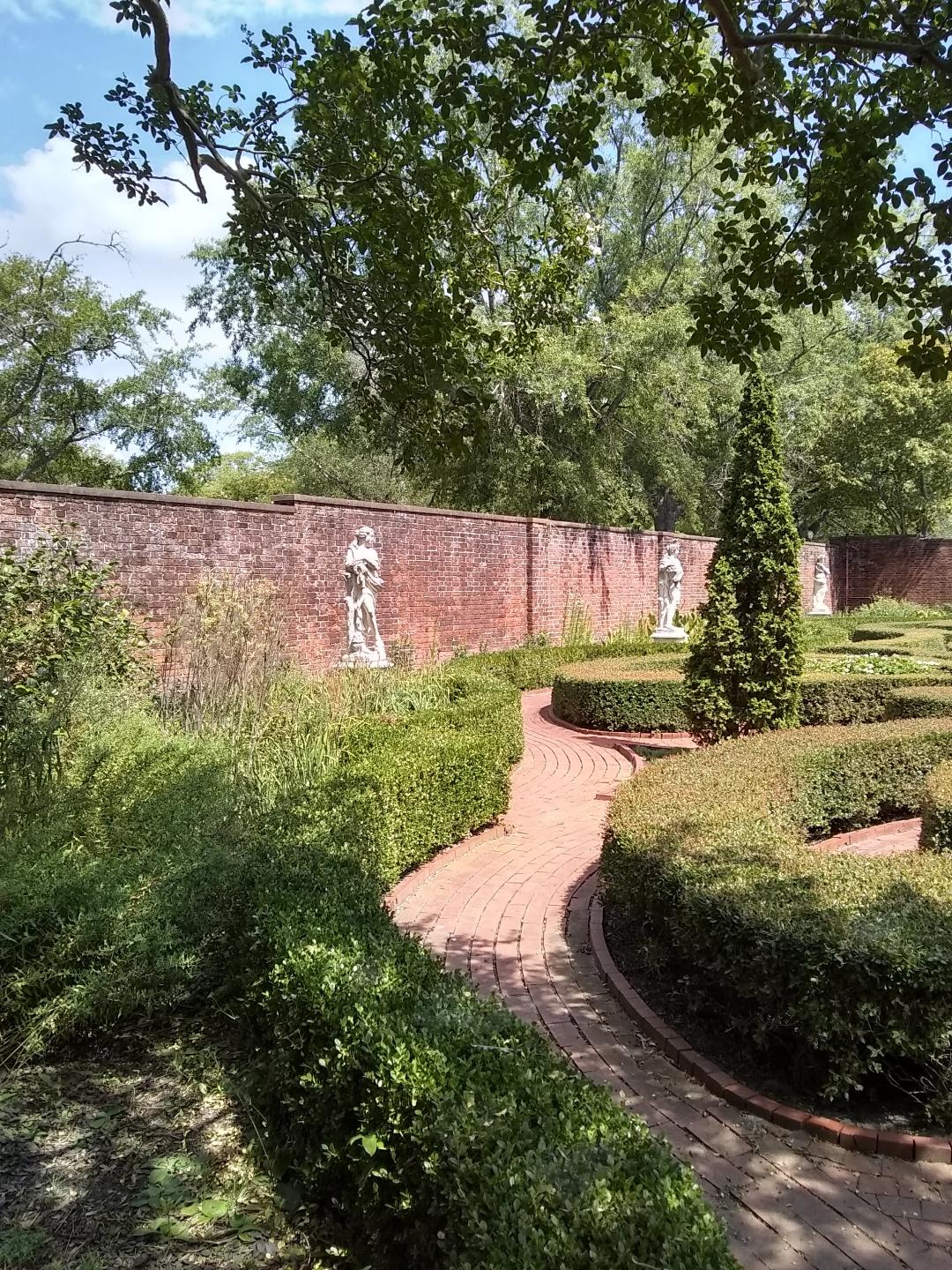
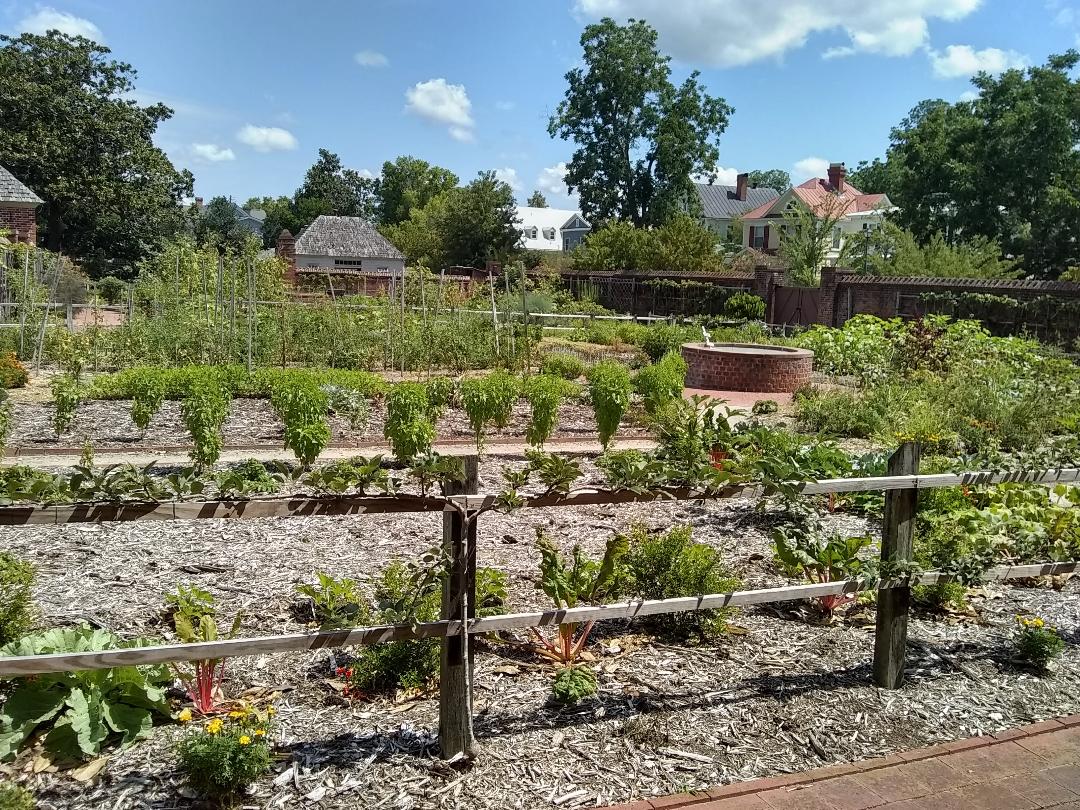
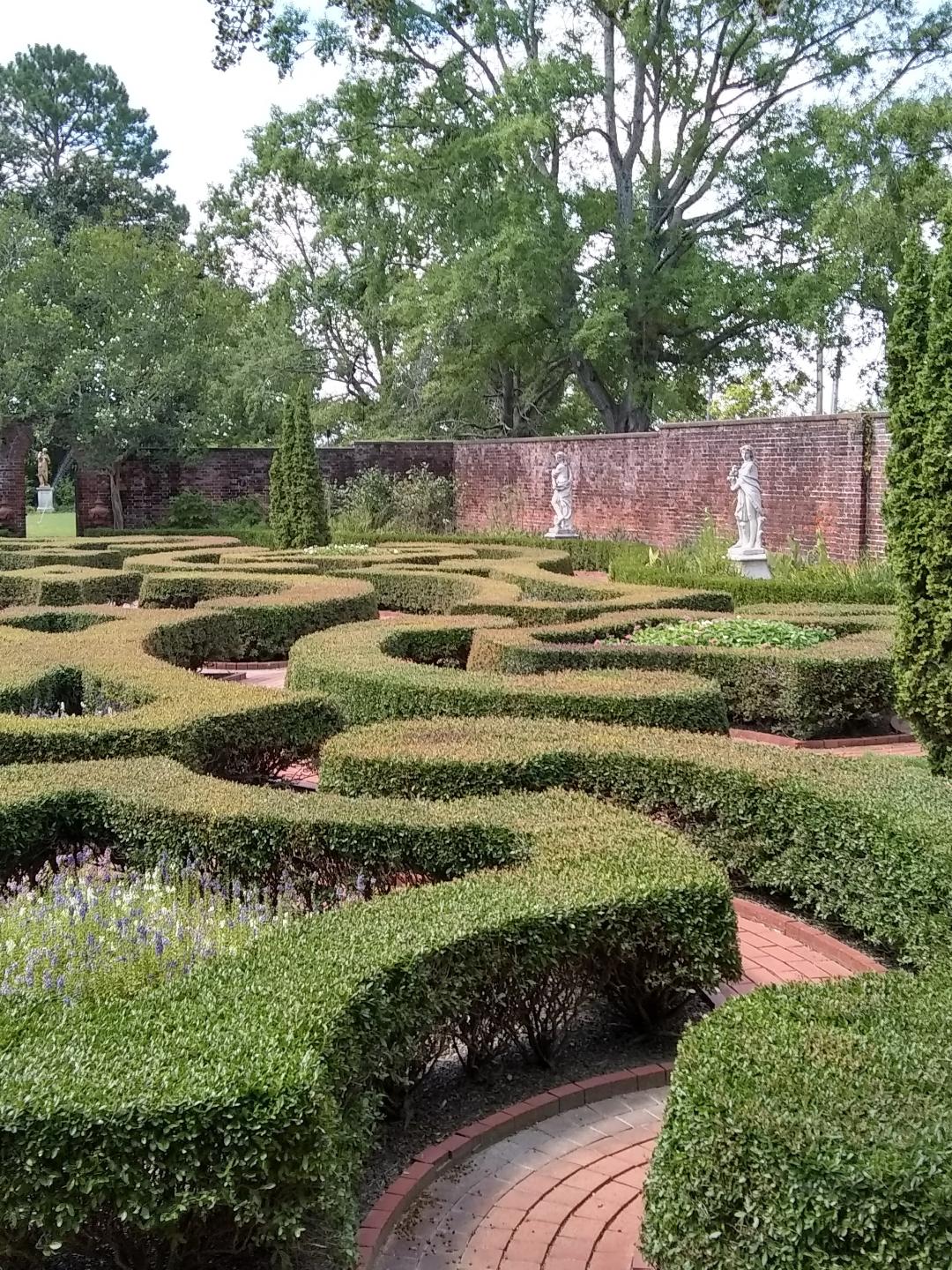
And what a job they did. See the gardens below.

The back of the Palace overlooks the Neuse River.

The Palace was home to two British governors, Governor William Tryon and Governor Josiah Martin. While considered a government building in British standards citizens of the area deemed it a Palace. Here the governors lived and conducted British colony business. In May 1775 the then Governor Morris fled when he received news of colonists organizing locally to form a new government.

Restored at a cost of $8 million dollars in 1950, and opened in 1959, the structure rests on its original foundation. Palace furnishing while not authentic are indicative of the era. A fascinating and well maintained structure it is a must see when visiting the area.

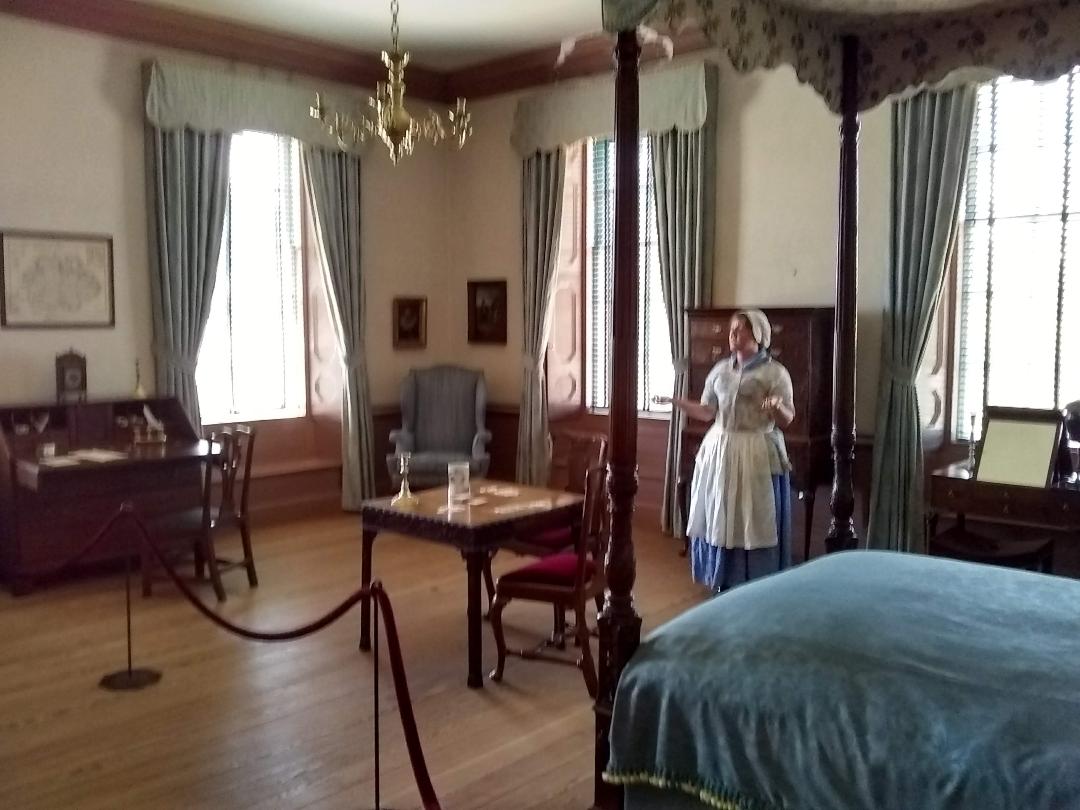
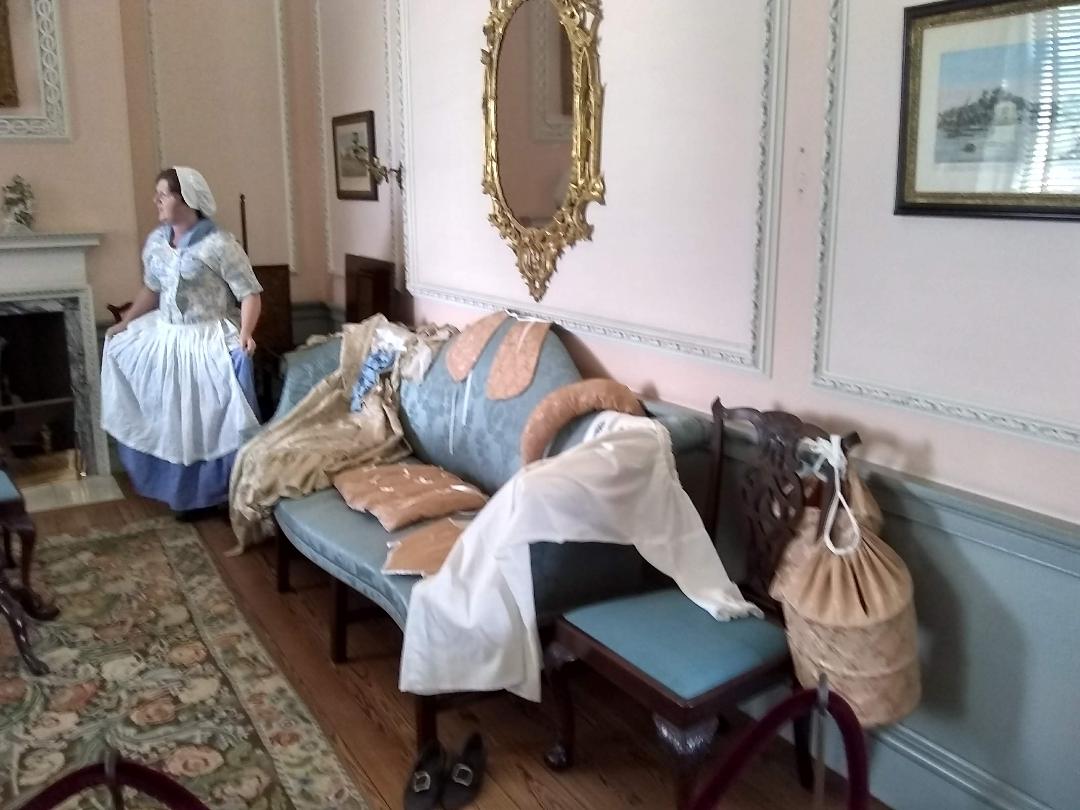
Docents are dressed in maid garb and give interesting highlights regarding the daily Palace operations. What I particularly enjoyed was learning about the clothing and dressing of these individuals in this time period. So many hoops and wigs…

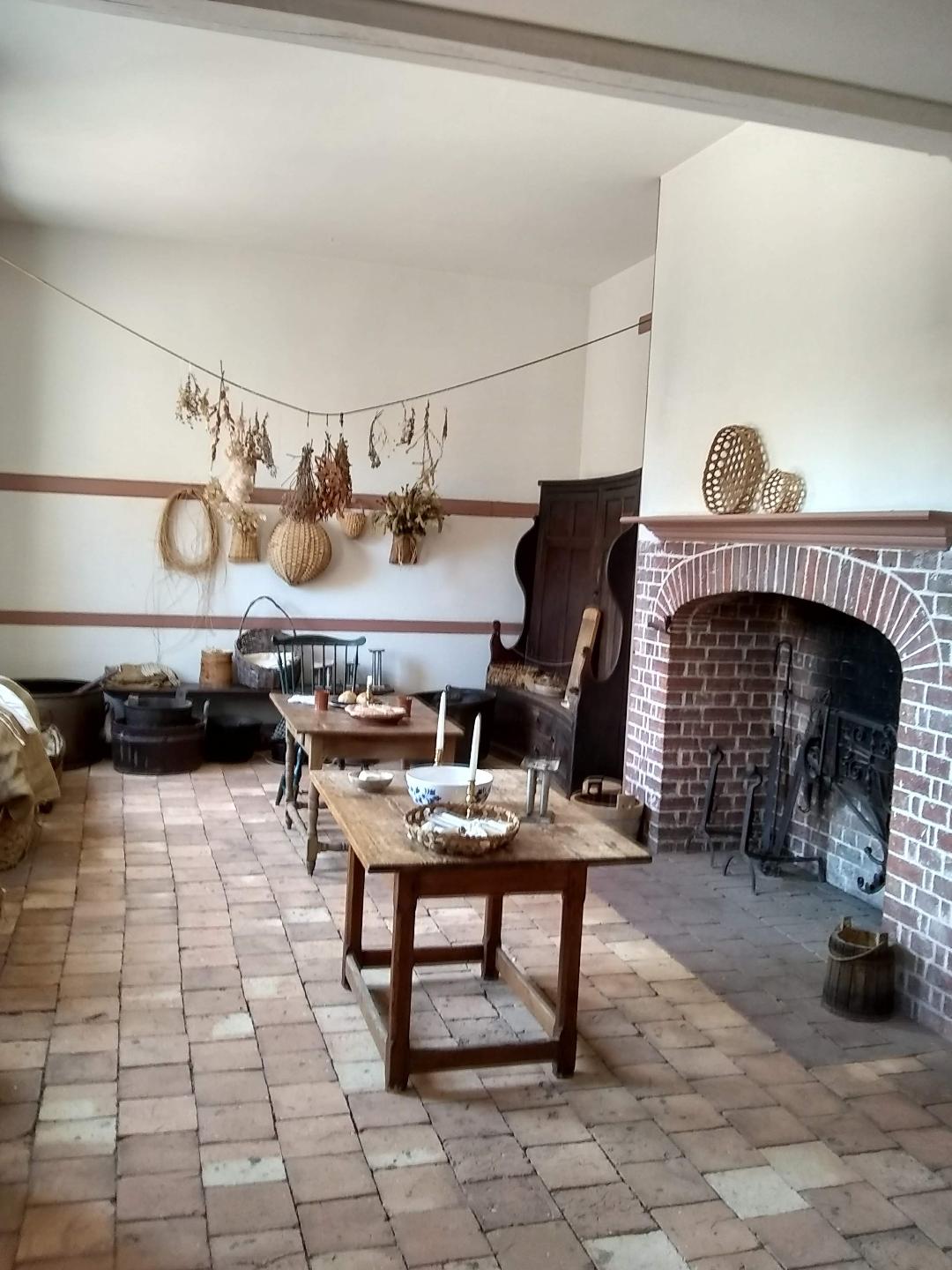
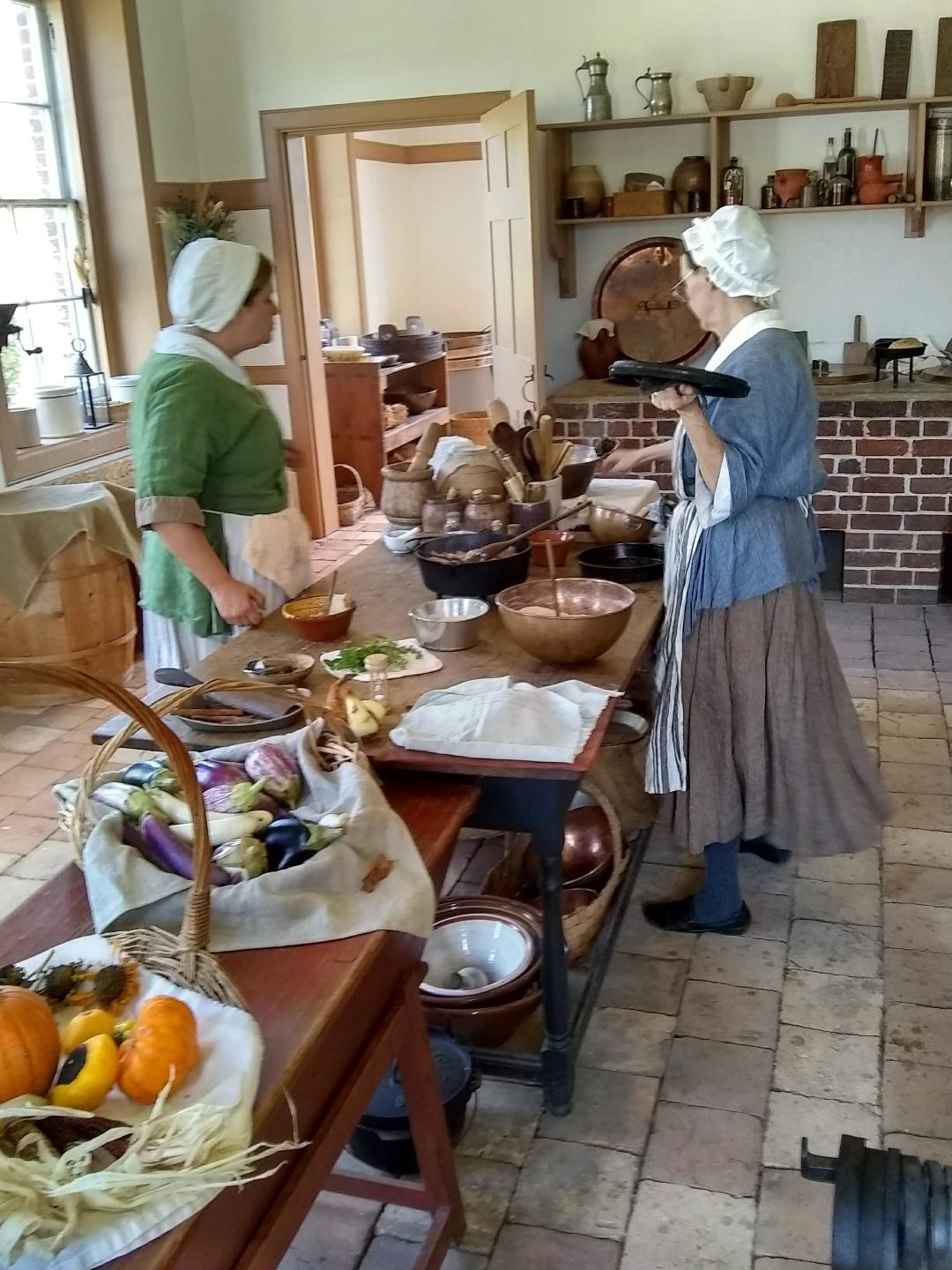
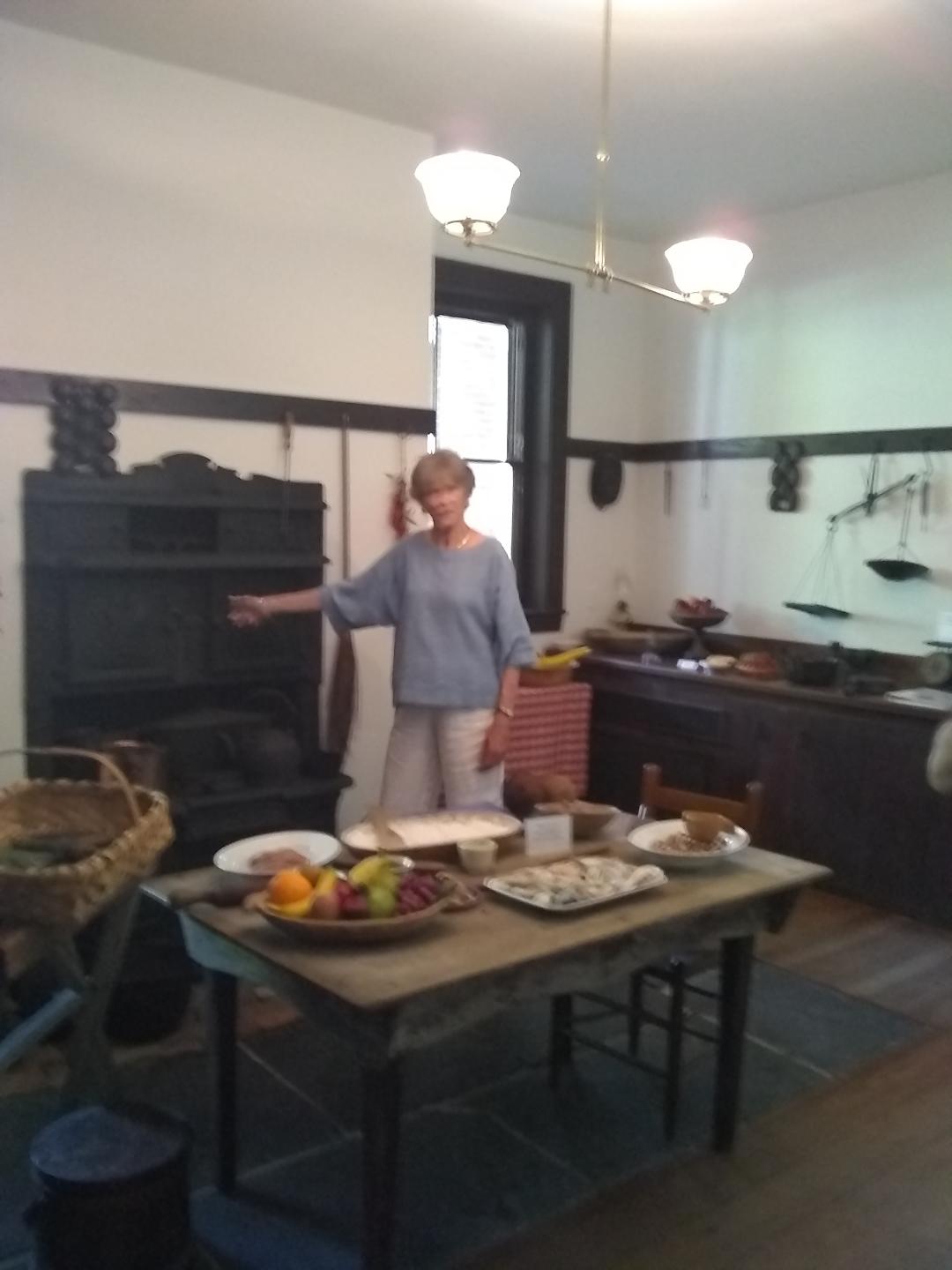
Then off to the kitchen to see Palace food preparation. Staff were making casseroles and breads on the hearth during the visit.

The second floor was where servants lived. The Governor had both black and British servants.

The Stanly House was the next home available for tour. Built and owned by John Stanly, this man had a checkered history. John began his life in Williamsburg, where he was jailed on forgery charges. He then moved to Nova Scotia and became involved in shipping. He later moved to Jamaica where he made his mark, however once again legalities presented themselves. His partner claimed he embezzled funds. He was jailed for a year but later exonerated.

It was on to Charleston after suing his partner and recovering financially, however, the ship stopped in New Berne. A fellow passenger invited him to a party where he met, fell in love, and later married a young wealthy woman at the party. They had 9 children, 6 of which survived to adulthood.

John became a wealthy businessman paying 14% of the town taxes. He was involved in sugar cane, molasses, distillery, and, as mentioned earlier, shipping. During the Revolutionary War he became a pirate for the government, and though he lost 14 ships in this venture he managed to stay afloat financially.

Sadly, in 1789 he contracted and died from yellow fever with his wife dying the following month. As the children were young the house was boarded till his youngest son, John, Jr., reached adulthood. John also had a similar intriguing history becoming a lawyer, later a politician, fighting duels, and eventually dying penniless.

Whew! What a life they lived.

Not far from the historic area is the North Carolina History Center. Informative guides are here to assist you with your visit, and while there take in the movie and exhibits. The Palace collection piece exhibit described how the women who started the project acquired its furnishings.

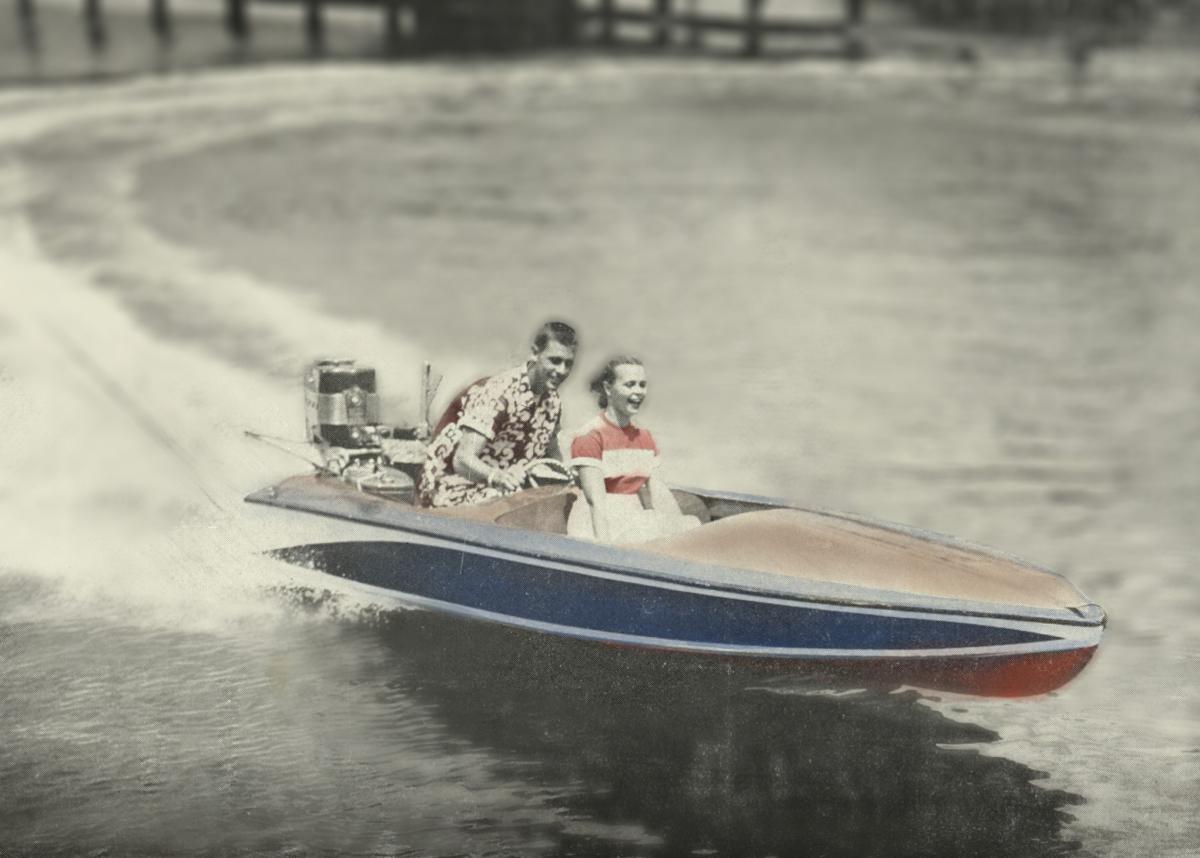
For boat enthusiasts there also is an exhibit on Barbour Boats. These boats were created from 1930 to 1970 and the museum currently resides on the former Barbour property. Shown here is the Barbour Rocket.

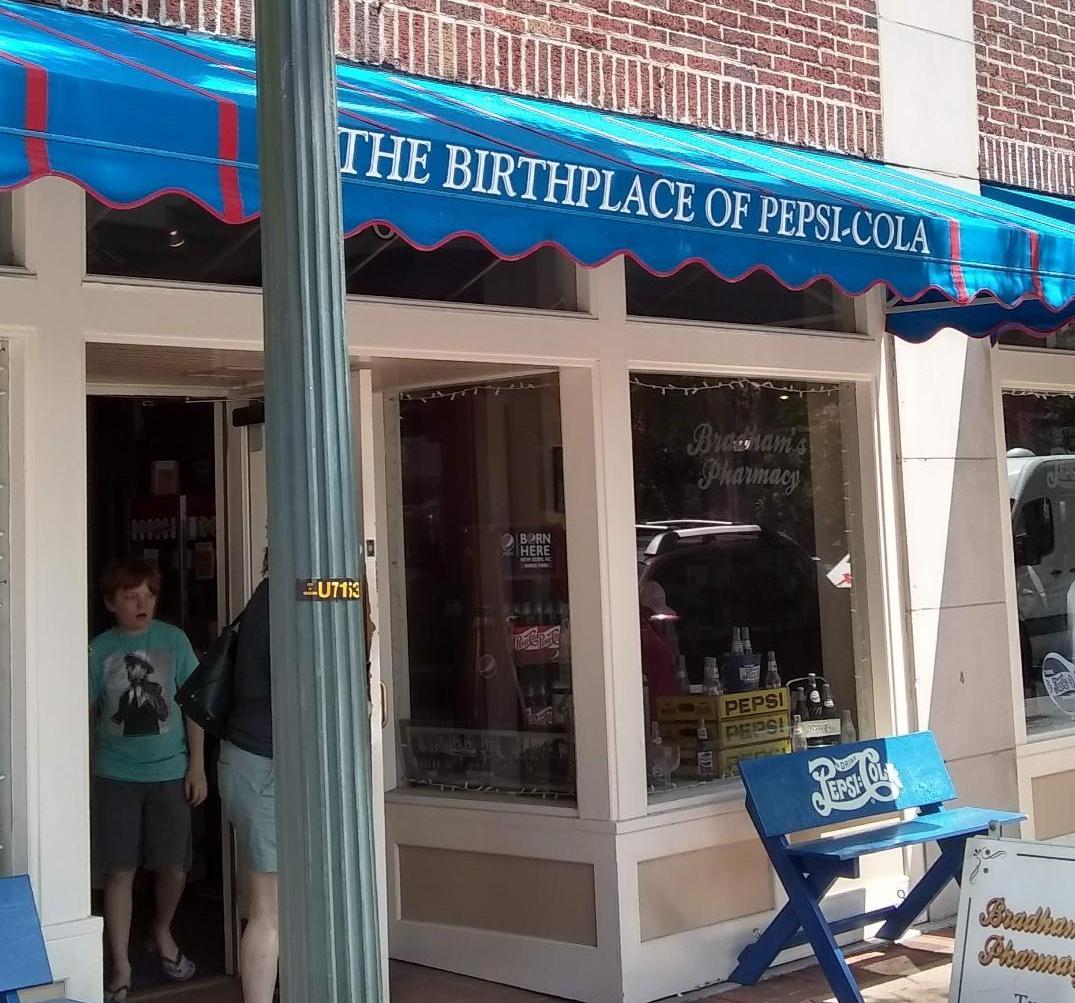
Now, on to downtown New Berne, the birthplace of Pepsi Cola.

Here much memorabilia is on display for all those Pepsi lovers. Stop in and check it out.

Besides the famous Pepsi landmark there are also restaurants, high end consignment shops, and all types of retail venues for your spending pleasure. My favorite was Mitchell Hardware. This is a hardware store of a bygone era. Look for this bear to find the place. All ages would enjoy.

The City of New Berne is a haven for bears in all shapes, sizes and versions. Legend states the founder of the City was from Switzerland and named the City for the word Bear. The name stuck and it became their symbol.

Hope you enjoyed the visit.

Country Docs, Selma, Wine, Whirligigs, and Roses

Decided to visit The Country Doctor Museum in Bailey, North Carolina, after a late start to the day, and was glad I did. According to the tour guide there are only two country doctor museums in the country and this was a cutie.

Dr. Newell

Started in 1967 by Dr. Josephine Newell who practiced in the 1950’s, it is a tribute to a bygone era. The old apothecary shelving, display of nurses caps, items from the Civil War, and even live leeches are on display here. Fun Fact: Leeches have anticoagulant properties, and when applied to the body they aren’t felt. Well, maybe this isn’t a “fun fact,” but interesting.

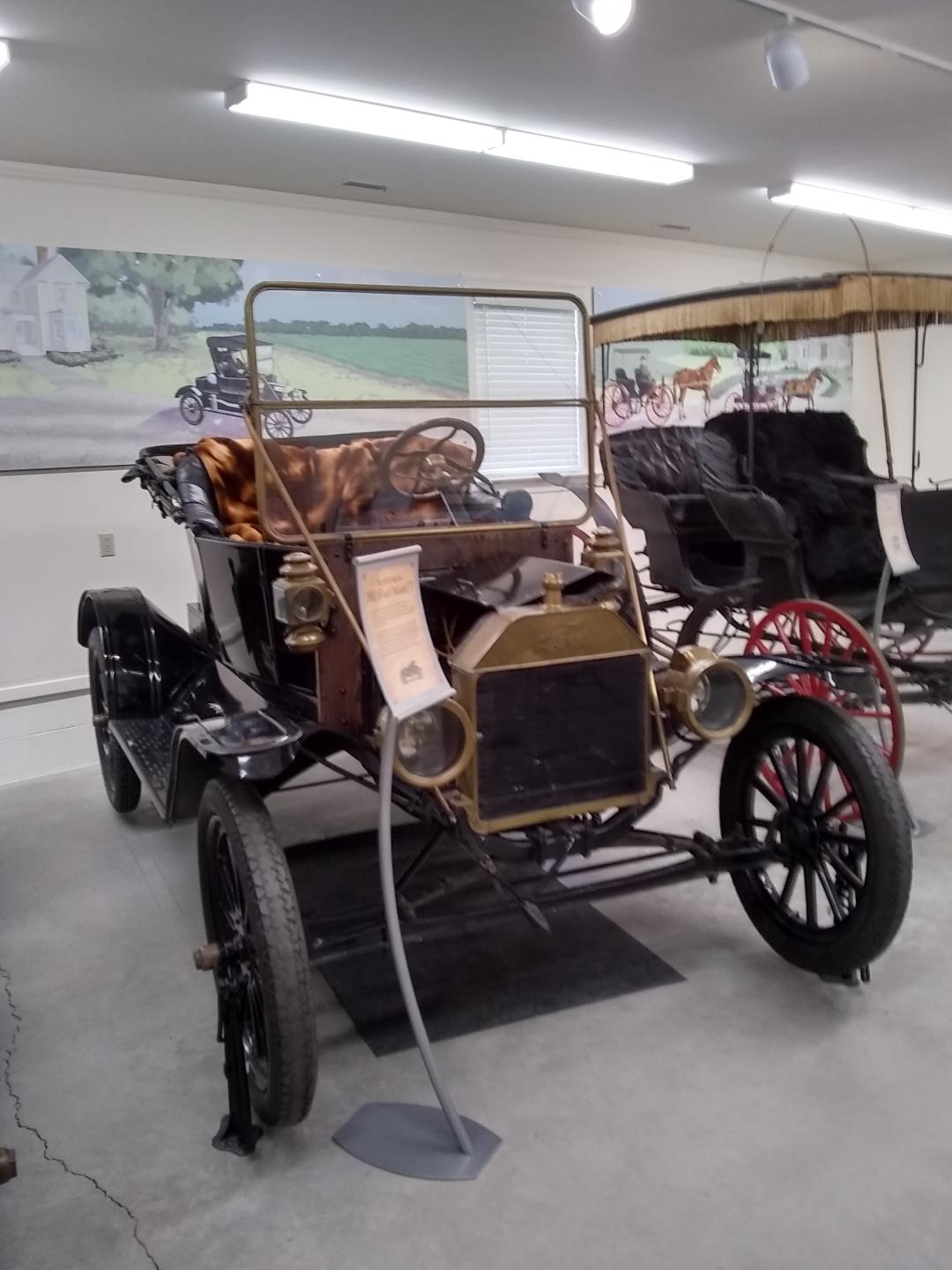
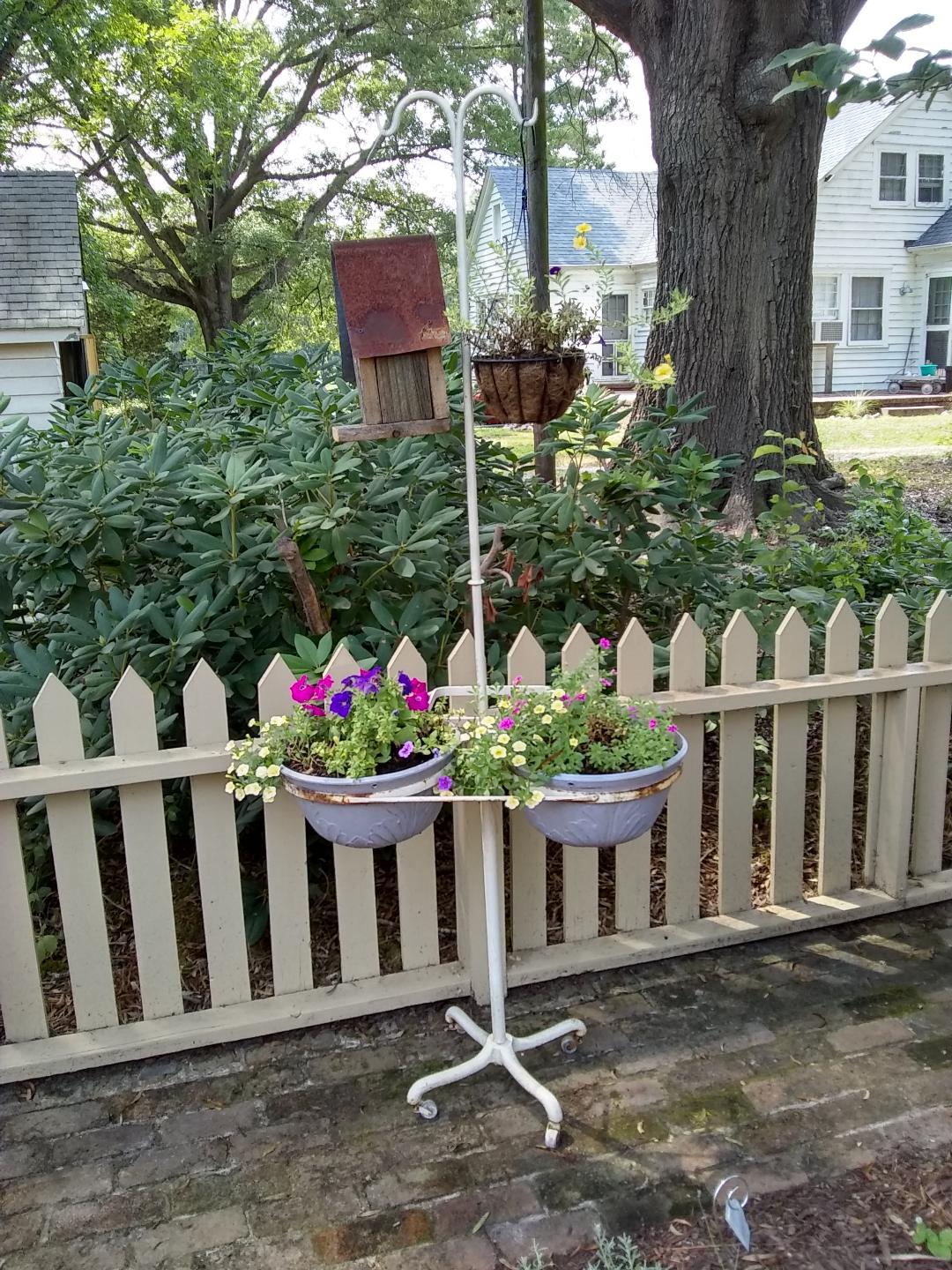
Here’s a few pics from the place. Docs made house calls in these Model T’s. And take a guess at what was used to hang plants in the herb garden? You got it – an antique IV pole..

Next stop, a quick visit to Selma.

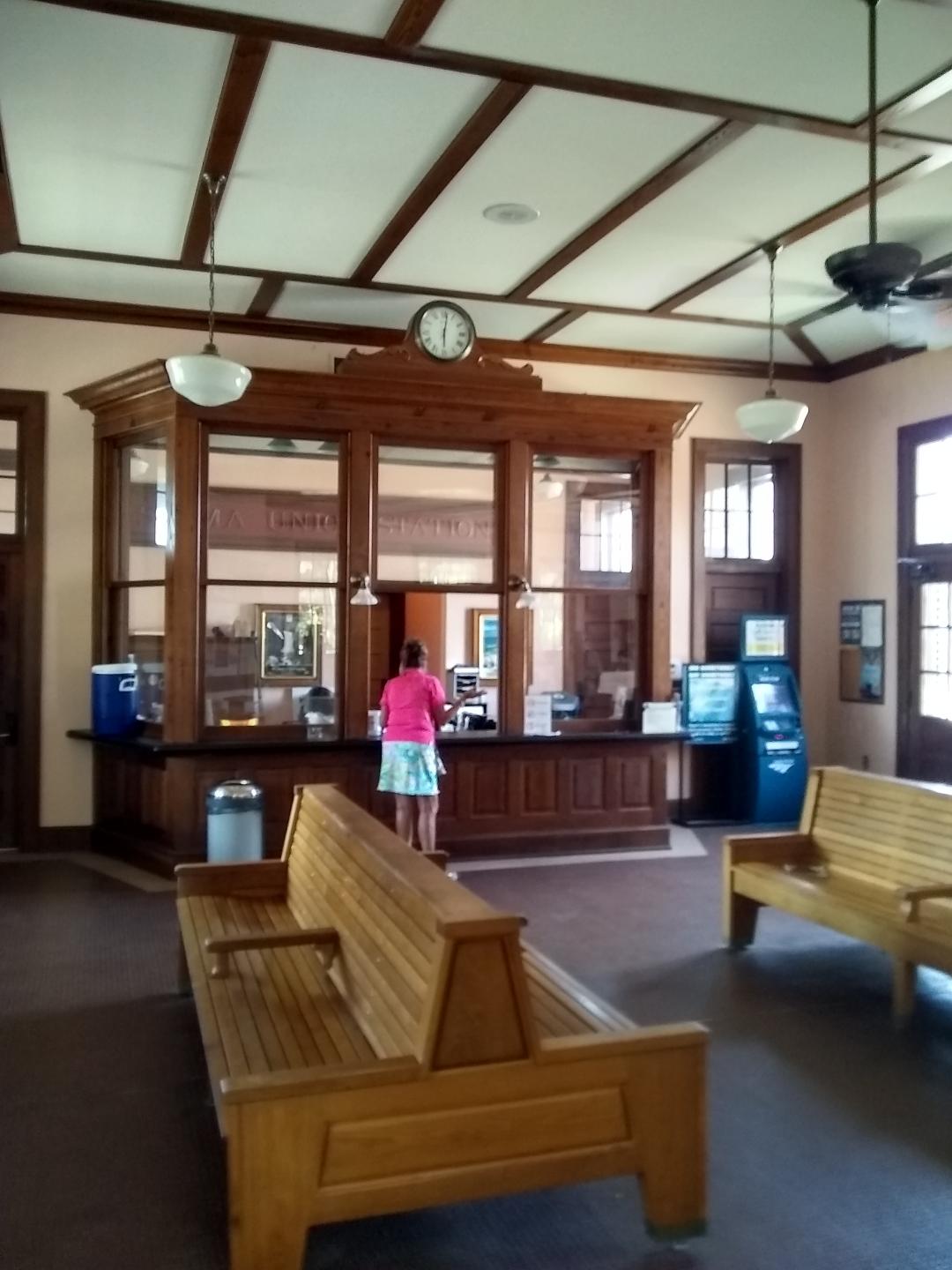
Here I found a train station with a small museum. Selma is where Vick’s Vapor Rub was invented.

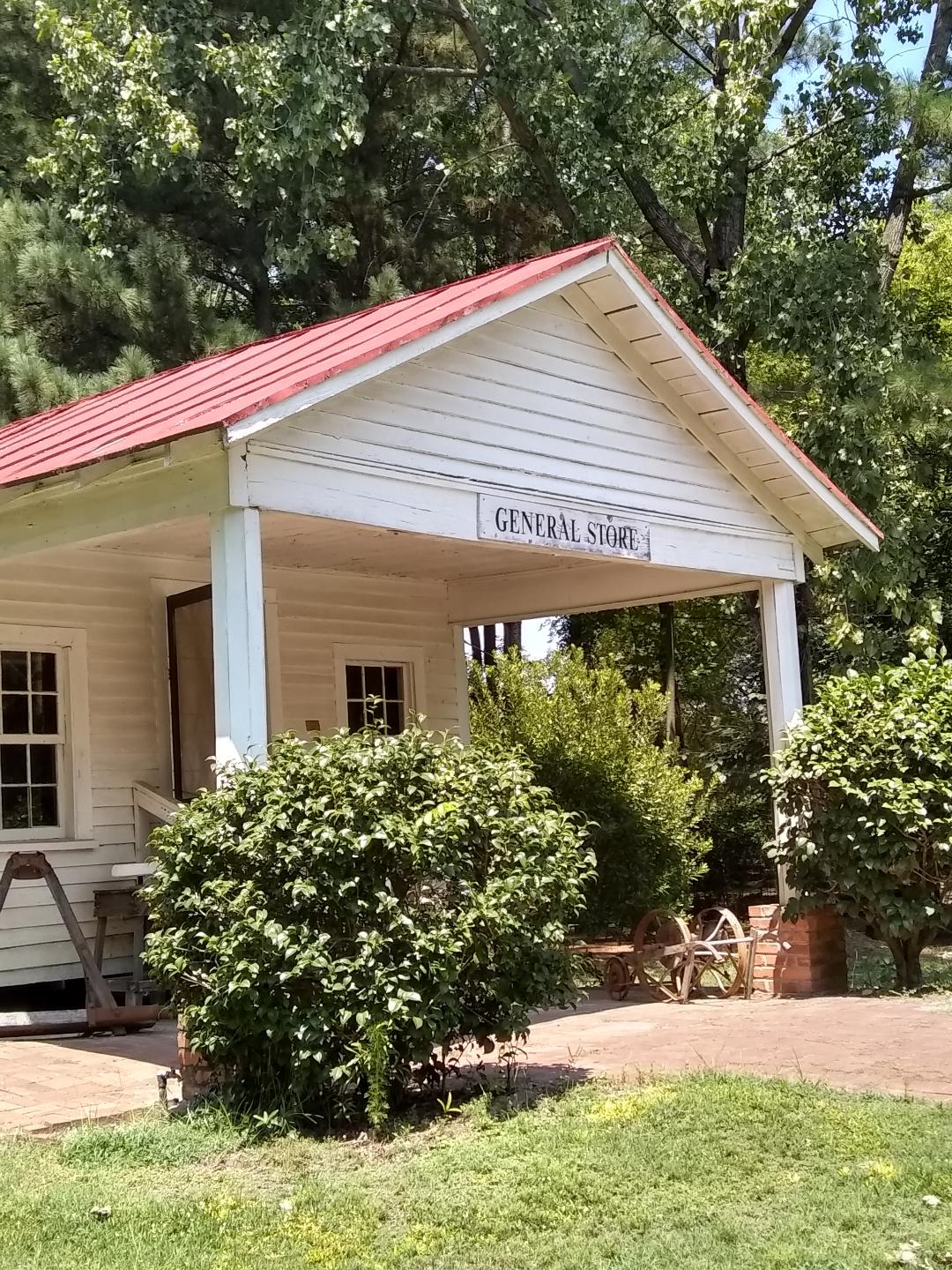
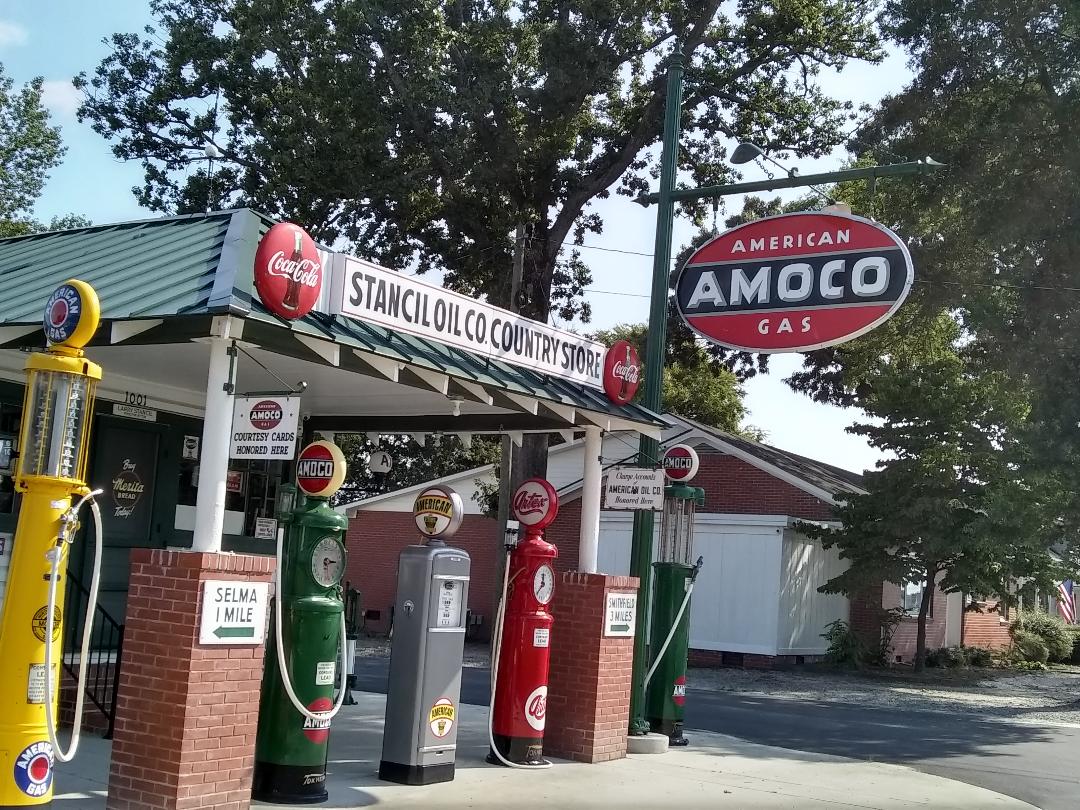
Couldn’t resist adding this gas station picture. Does anyone remember these?

Then.. Hinnant Family Vineyards

The tours at this winery occur Thursday through Sunday, but, tastings are daily and for a $10 fee much is offered. Sweet wines are this vineyard’s specialty and their most popular selling brands. While that is not my palate I did find a peppery red wine which I enjoyed and purchased, Norton. I’m told it is good with steaks, so when someone invites me over for a cookout I have a bottle to bring.

The friendly server at the winery clued me in to my next stop and who would think??

Whirligigs

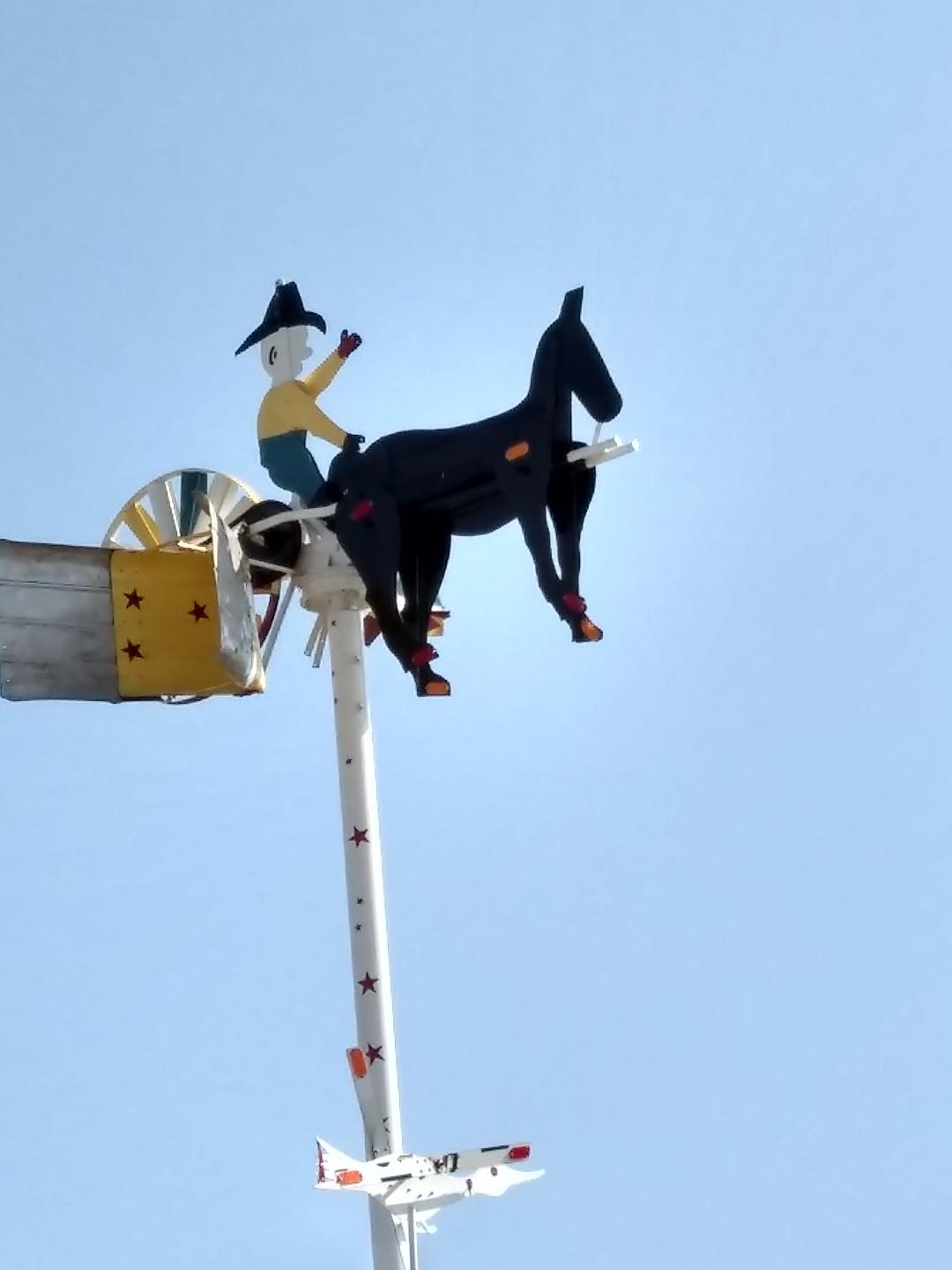
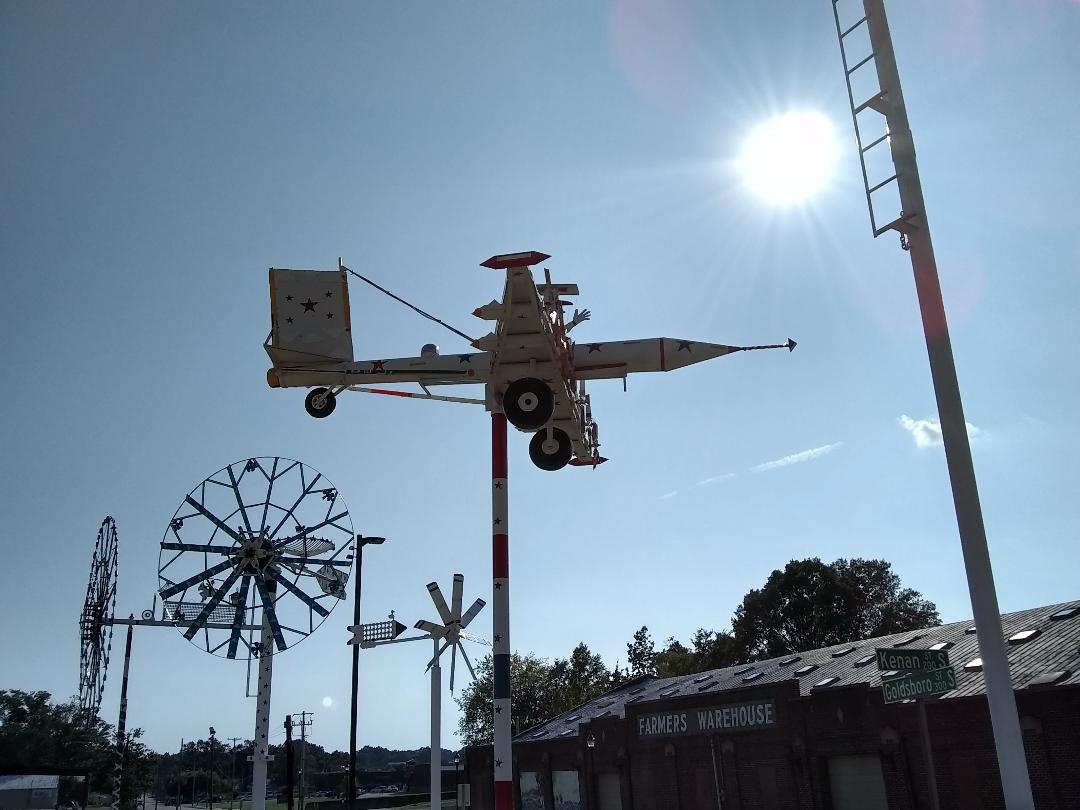
This park is the largest collection in the world of Vollis Simpson’s work. Vollis constructed, welded, and painted the whirligigs. They appear everywhere from LA to Russia, and have been featured in many publications including the New York Times. Here’s a few more and my favorite.

On to the Wilson Rose Garden..

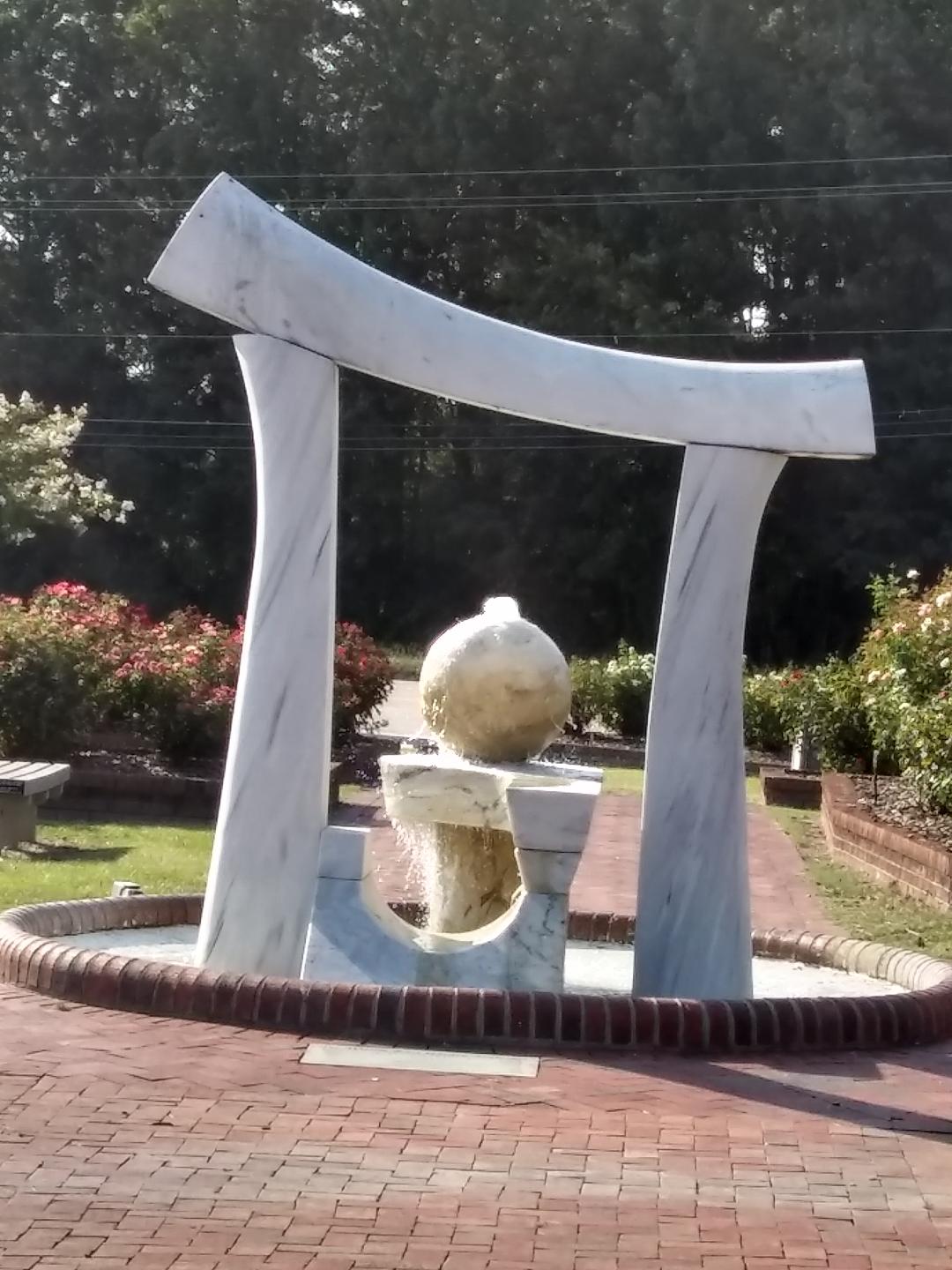
Here are a few pictures of the roses and sculptures in this lovely garden. It also has a whirligig and can be rented for events. What a beautiful scent walking through these roses. Fantastic job ladies of Wilson, North Carolina.

What a great way to end the day.

The Cliffs of the Neuse

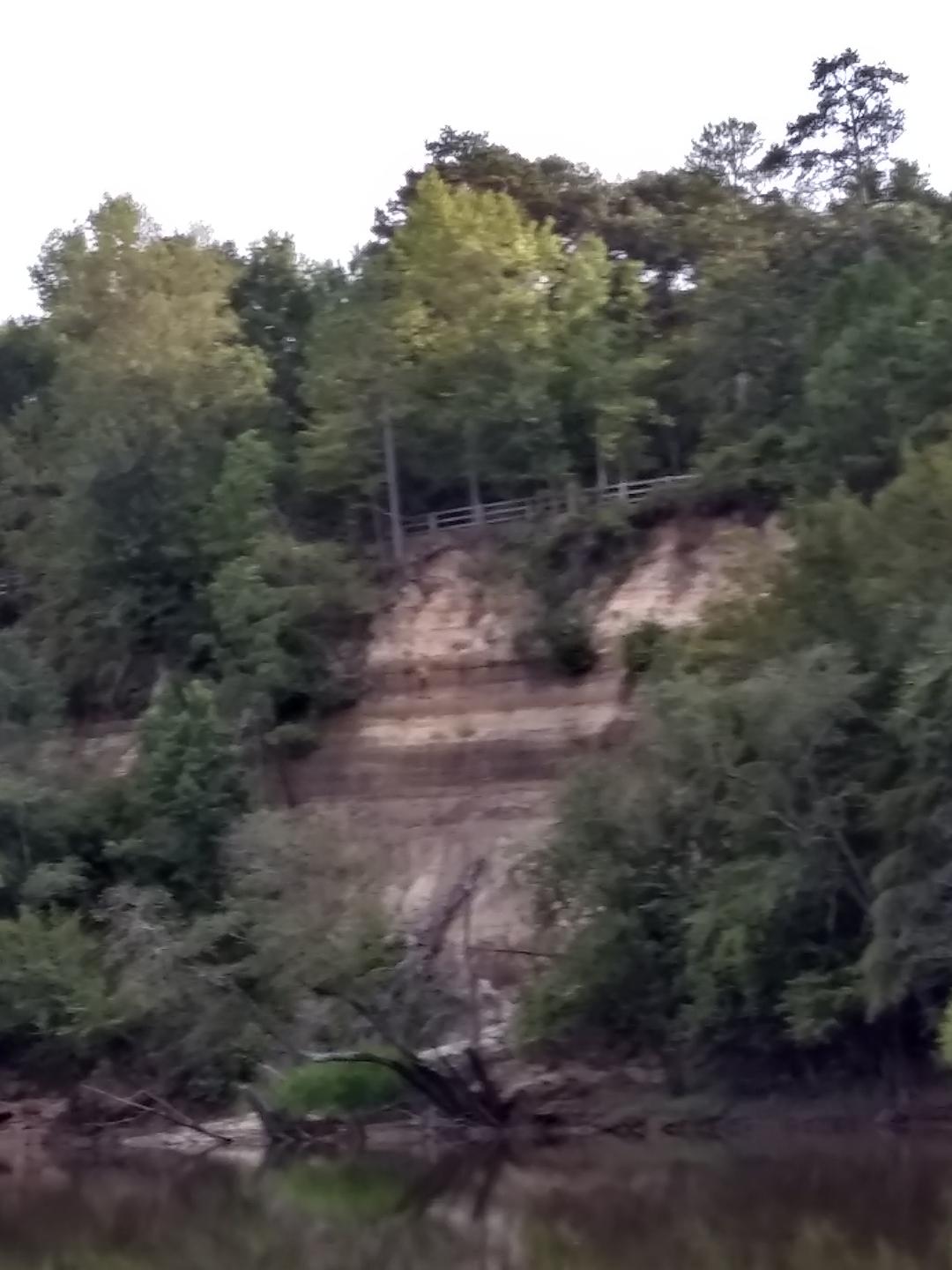
Cliff View From Base.

This North Carolina State Park holds the highest cliffs in the state at over 90 feet, with its origins over 180 million years ago. During this time period most of North America was covered by an ancient sea and the cliffs developed as a collection of sediment left from the ocean floor. Fossils, which are preserved animals and plants stuck in sediment, are found throughout the park and date back over 75 million years.

Cliffs from the top with tree and foliage obscuring view.

The cliffs are multicolored, however, the orange sediment is the most striking. Iron reacts with oxygen to make this orange color. The Neuse River developed from a fault line in the Earth and along with it many springs.

Three Indian tribes, the Tuscarora, Woccon, and Saponi Tribe, lived in this area for over 1000 years. The Tuscarora were originally from the New York State and Pennsylvania area and returned after the 1713 War becoming The Iroquois Nation.

From 1881-1945 The Seven Springs Hotel was a popular tourist spot in the park area. People came from all locales to drink the water for almost every ailment. However, in 1999 the hotel was closed due to Hurricane Floyd damage.

The idea to make this area a state park came from Lionel Weil, a local businessman. He spear headed a group which donated their lands for this purpose. The plaque seen here located at the cliff site honors his actions.

Currently the park has many trails, an amphitheater, bathhouse, boat rentals, fishing and swimming facilities. While it also has camping and cabins this year they are closed for renovation.

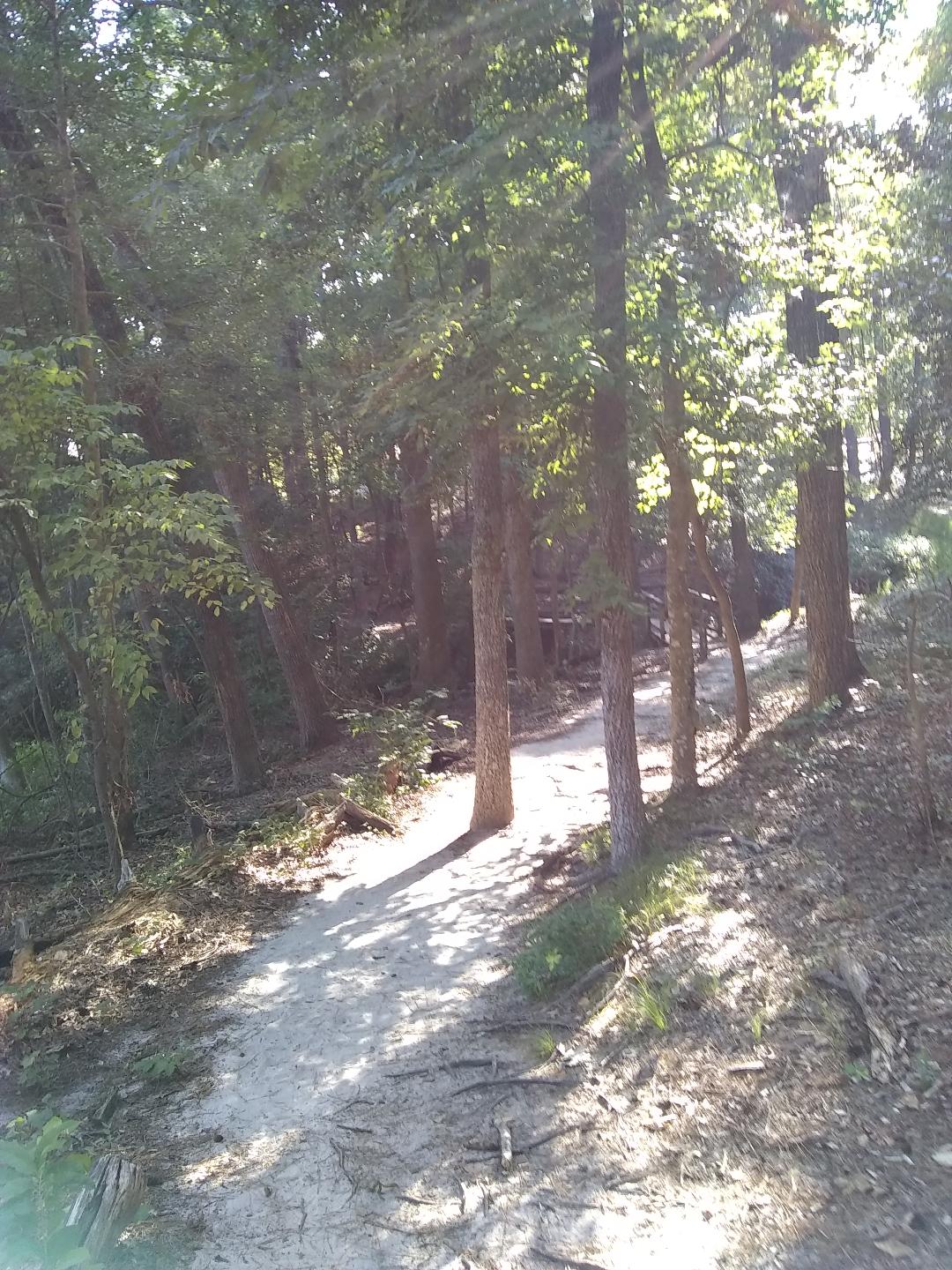
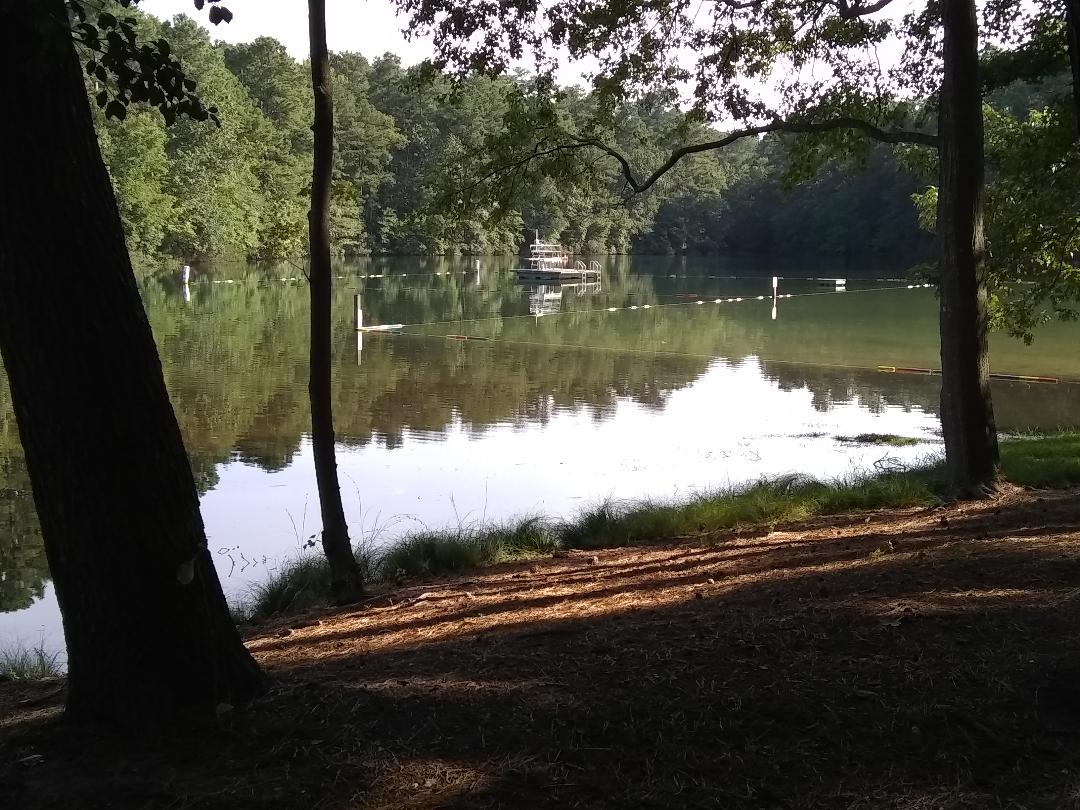
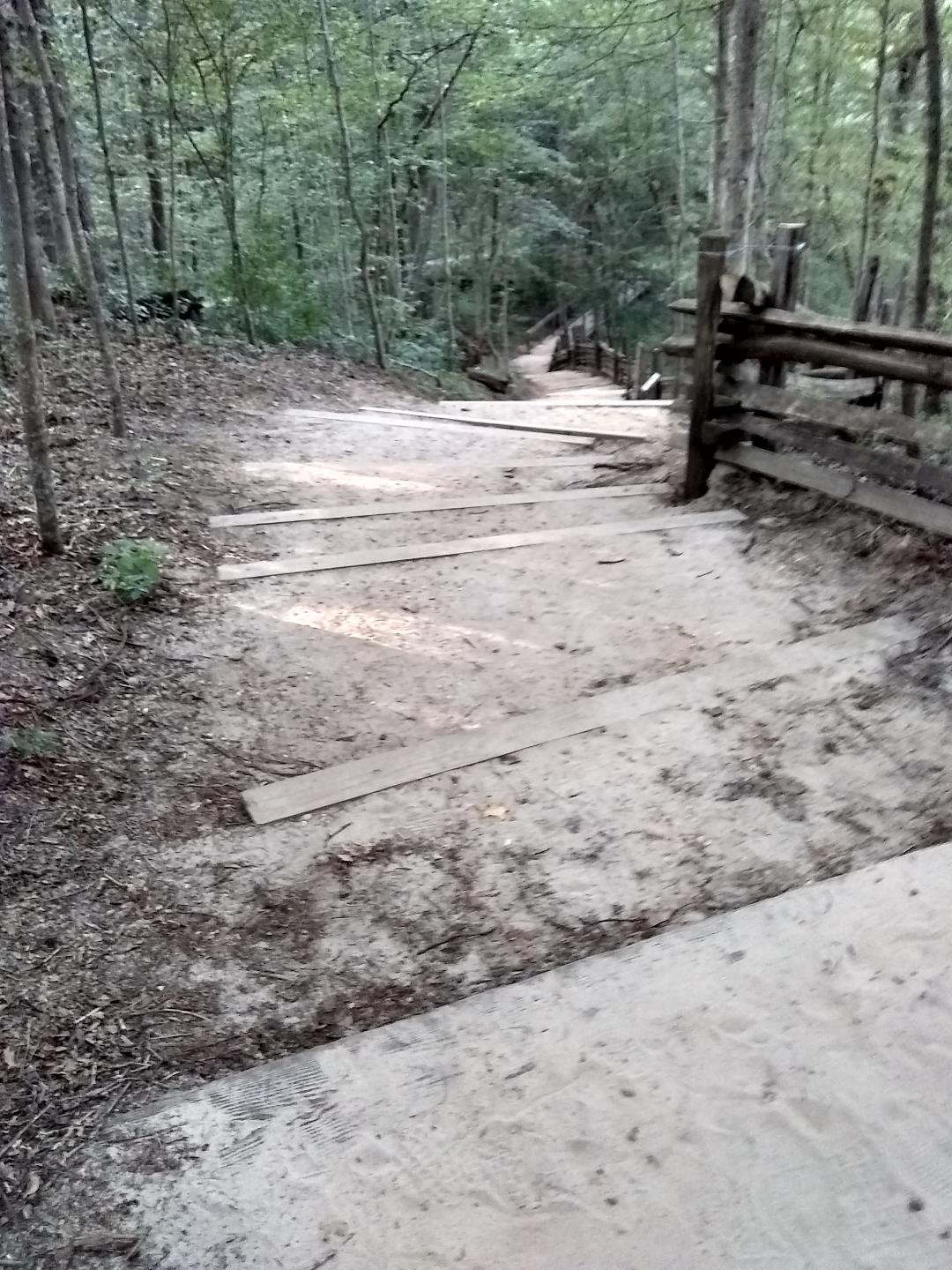
I took the Lake Trail, a 1.9 mile path of sand from the Visitor Center Museum area to the lake. It was a beautiful, shady, and cool walk, but long. Remember to bring water. The swimming area held very few patrons on this mid week 5 pm evening. It proved to be a serene experience swimming and diving from the lake dock.

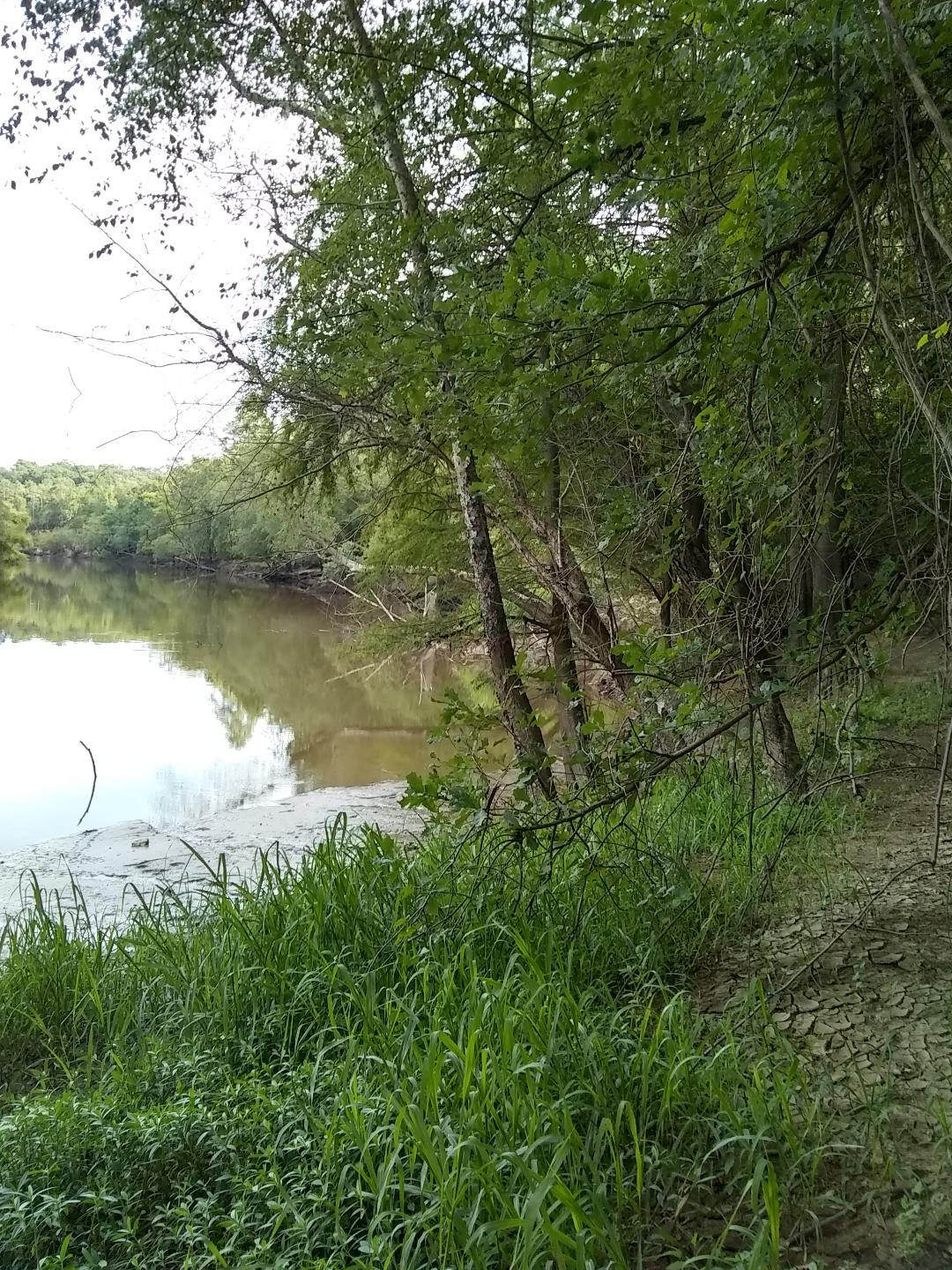
After this came the Cliff visit. There is little Cliff visibility from the top due to plant and tree overgrowth so I ventured the long path to the cliff base. This journey is made for the physically fit with many stairs to the base and once arriving slippery mud. Also, beware of the bugs and snakes. Thankfully no snakes crossed my path. Worth the hike to base and here are a few pictures.

Bring an extra pair of sneakers.

This is a phenomenal park for families. The museum at the Visitor Center is kid friendly and the lake holds many activities. Here are some interesting tips to curb water pollution according to one of the museum exhibits:

  • Keep sediment from washing into streams.
  • Prevent oil leaks from cars.
  • Don’t over fertilize lawns, clean up fertilizer spills
  • Water car on the lawn so water doesn’t go into the storm drain.
  • Dispose of pet waste properly.

Enjoy your visit.

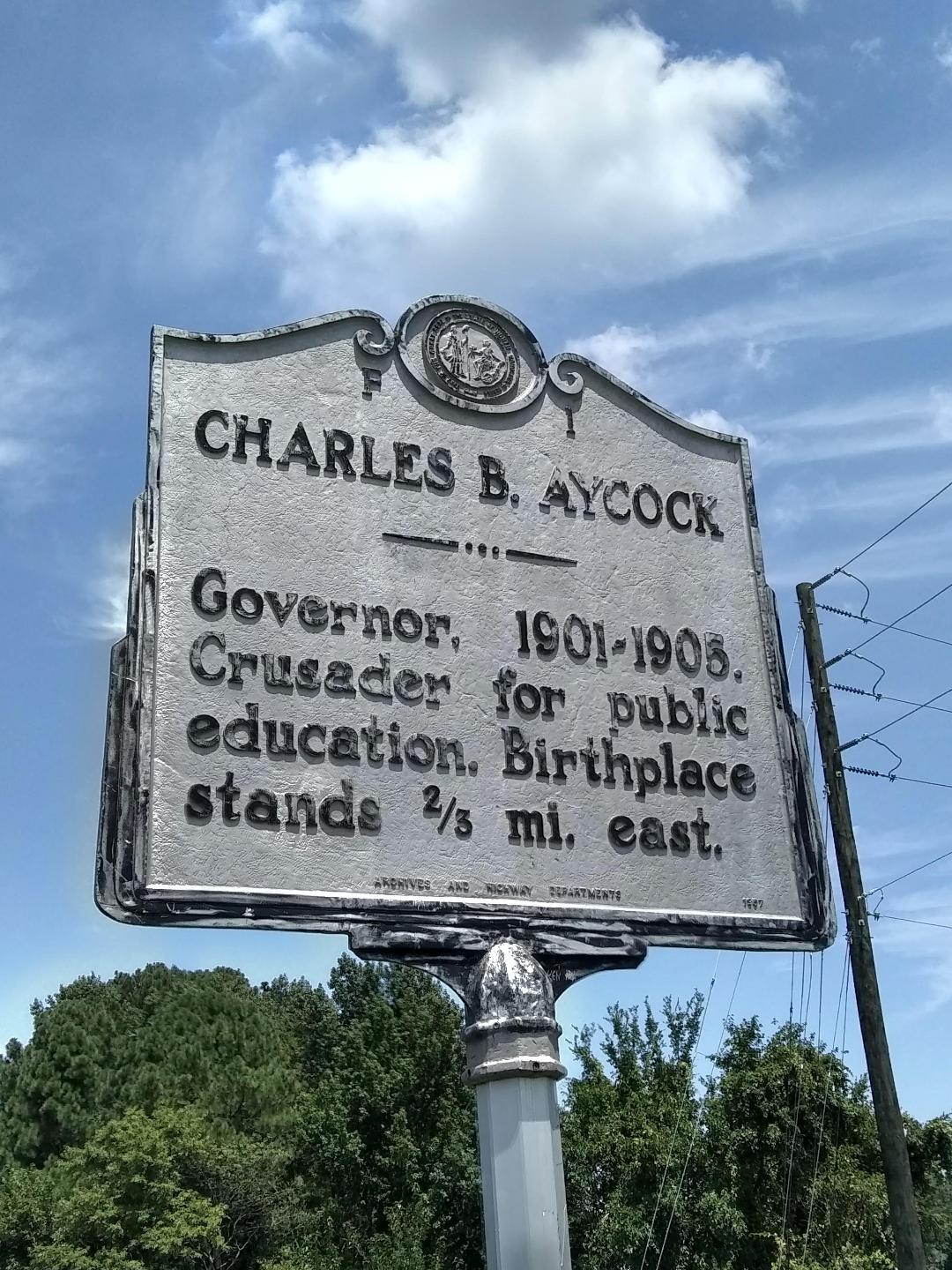
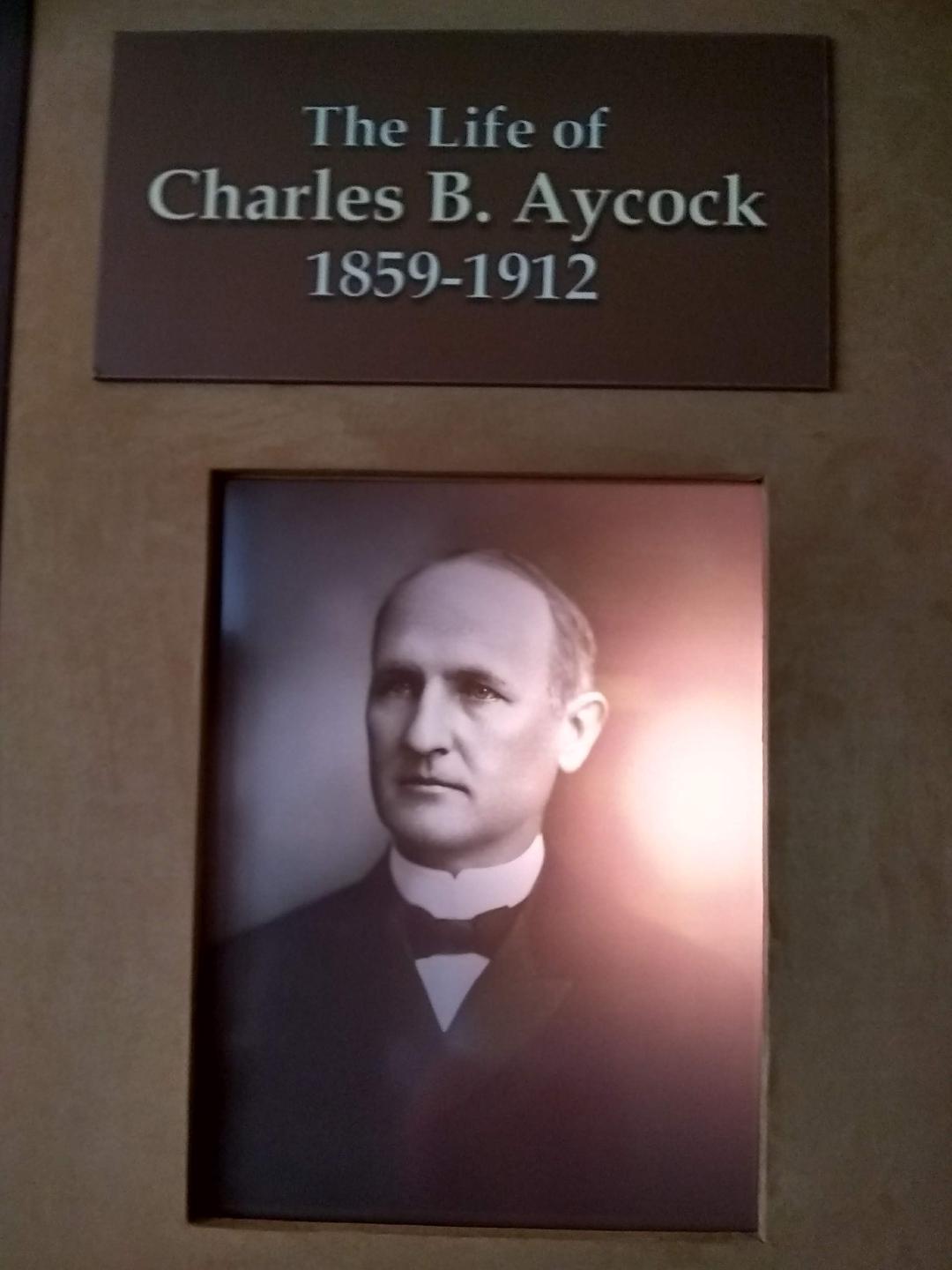
Birthplace and Home Governor Charles B. Aycock

On the pamphlet for Governor Aycock’s home it states, “Get Your Hands on History,” and this man certainly did. Charles B. Aycock was the son of a Baptist farmer, and the youngest of 10 children. On the family farm of over 1000 acres corn, peas, beans, and sweet potatoes were raised. There were also sheep, milking cows, and oxen. Here he learned the value of hard work. Besides farming his father was active in politics. Many guests visited the home and the young Aycock listened ardently to the the talks, even participating in rallies. This led to his passionate career.

While not a wealthy family funds were raise to send Charles to the University of North Carolina at Chapel Hill. One of 125 students he was thought a country bumpkin, and did not fit in. Charles changed all that joining the literary society and debate club. He became a campus leader. Graduating in 3 instead of 4 years, he then began a career in the law. Later he was appointed in the United States District Court for Eastern North Carolina, after which he transitioned into politics.

Early Law Office

As he traveled through the state he spoke of public education for all. He was elected Governor in 1901 on the Democratic ticket. During his tenure as governor more than 3000 school buildings were constructed and teacher salaries doubled. From his work there was a dramatic increase in literacy and he became known as the “Education Governor.”

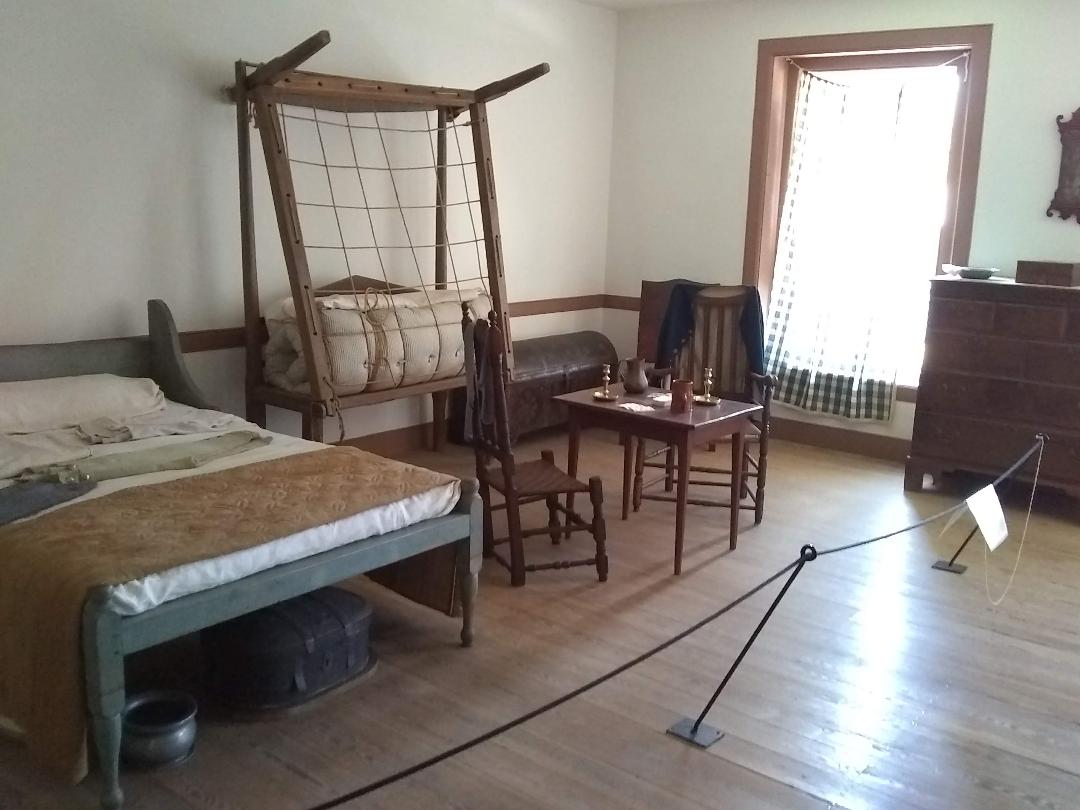
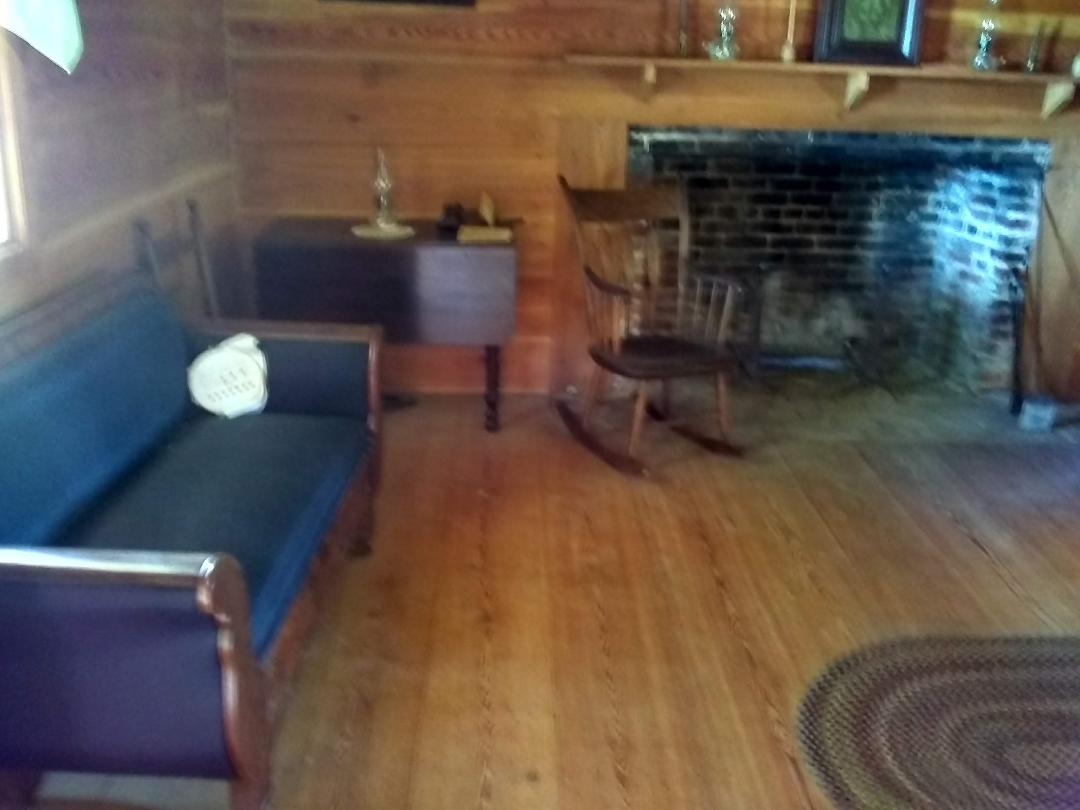
Room from his Goldsboro home.

After years in the private life others encouraged Charles to run for the senate. Sadly, prior to the actual run he died. One can only wonder what he would have accomplished there.

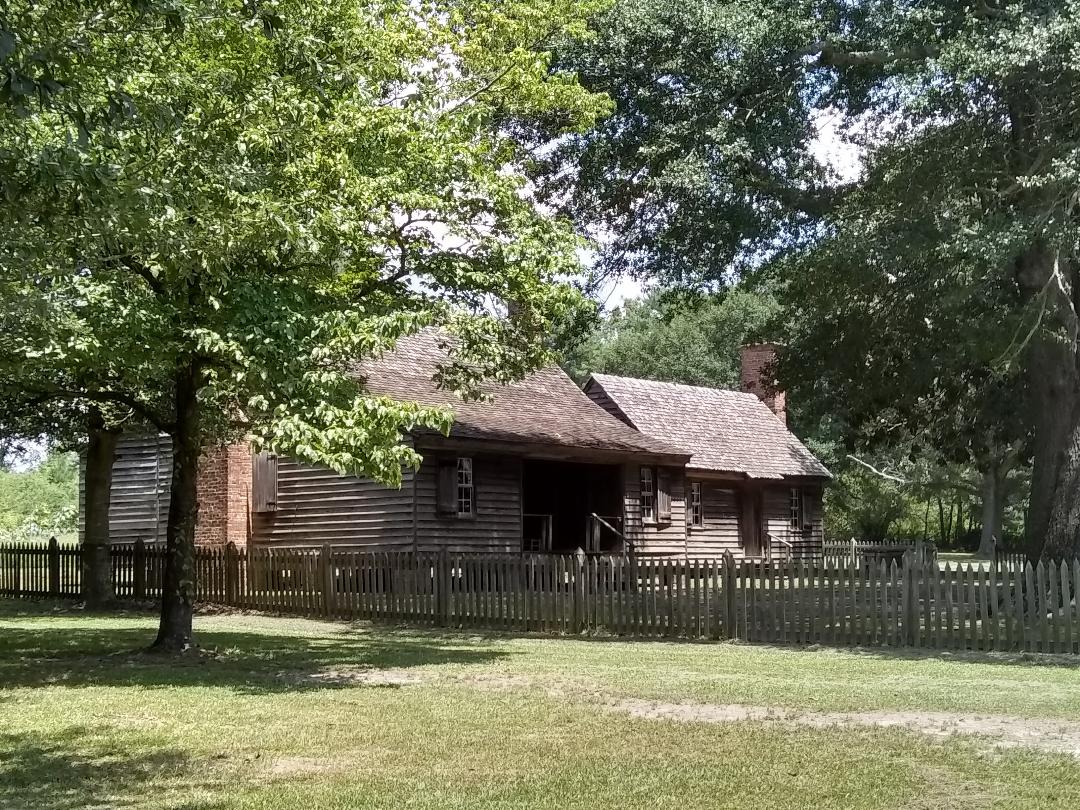
Following are pictures of the Governor’s farm which the State of North Carolina continues to maintain. Lovely tribute to a man who served so many.

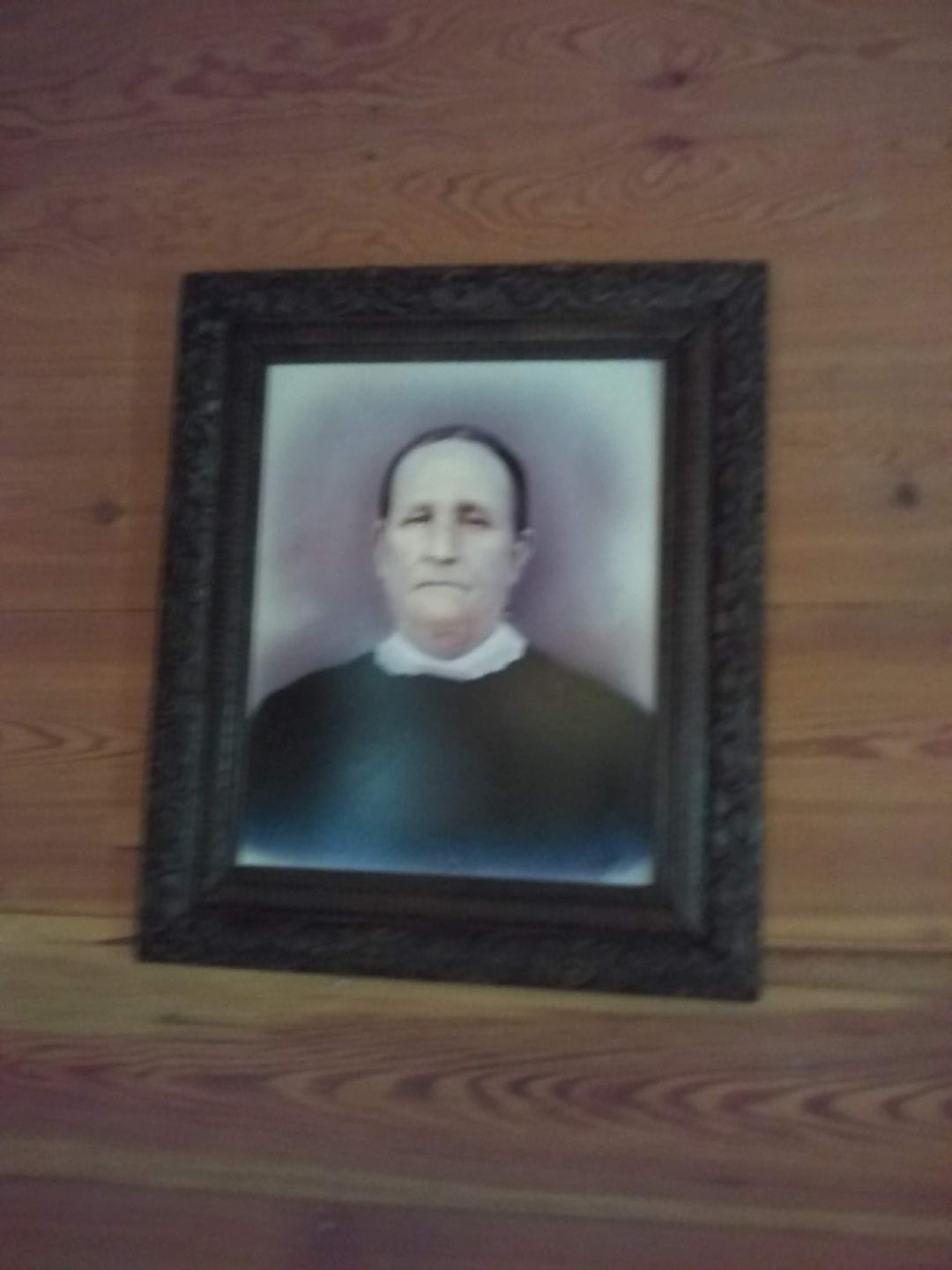
His parents..

The farm home..

The Farm..

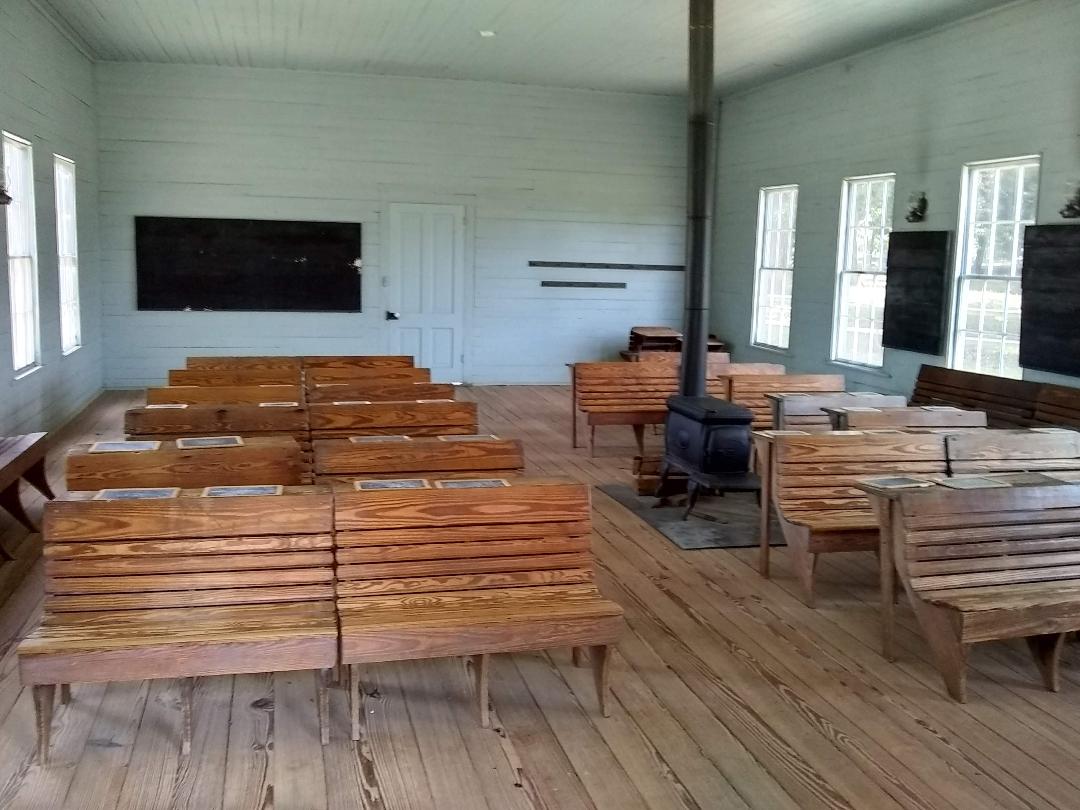
And while there is a school on the property, Charles did not attend here.

“..men can never grow higher and better by rising on the weakness and ignorance of their fellows, but only by aiding their fellow men and lifting them to the same high plane of which they themselves occupy.”
from the 1901, inaugural address of Governor Charles B. Aycock

Bentonville and Farm Visit

In the Visitor Center at the Bentonville Battlefield State Historic Site in North Carolina there is a movie, small museum as well as the availability of an interesting house tour. The movie gives a thorough explanation of what led to the war, and the plantation house tour shows how the home was used as a hospital during, and after the battle. Start your tour here as this will set the tone for the visit.

The Battle of Bentonville was one of the last Civil War Battles. It was fought between March 19-21, 1865, and claimed 2200 lives. This was the largest battle ever fought on North Carolina soil. The war ended shortly thereafter in April 1865.

Harper House

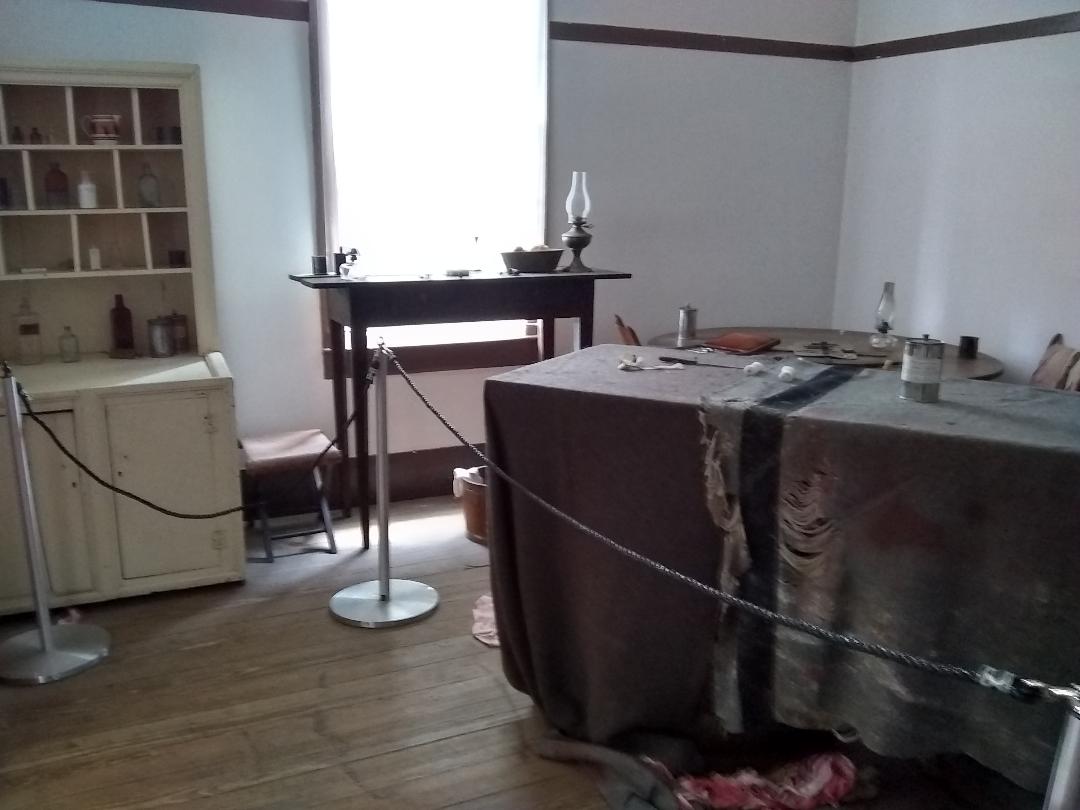
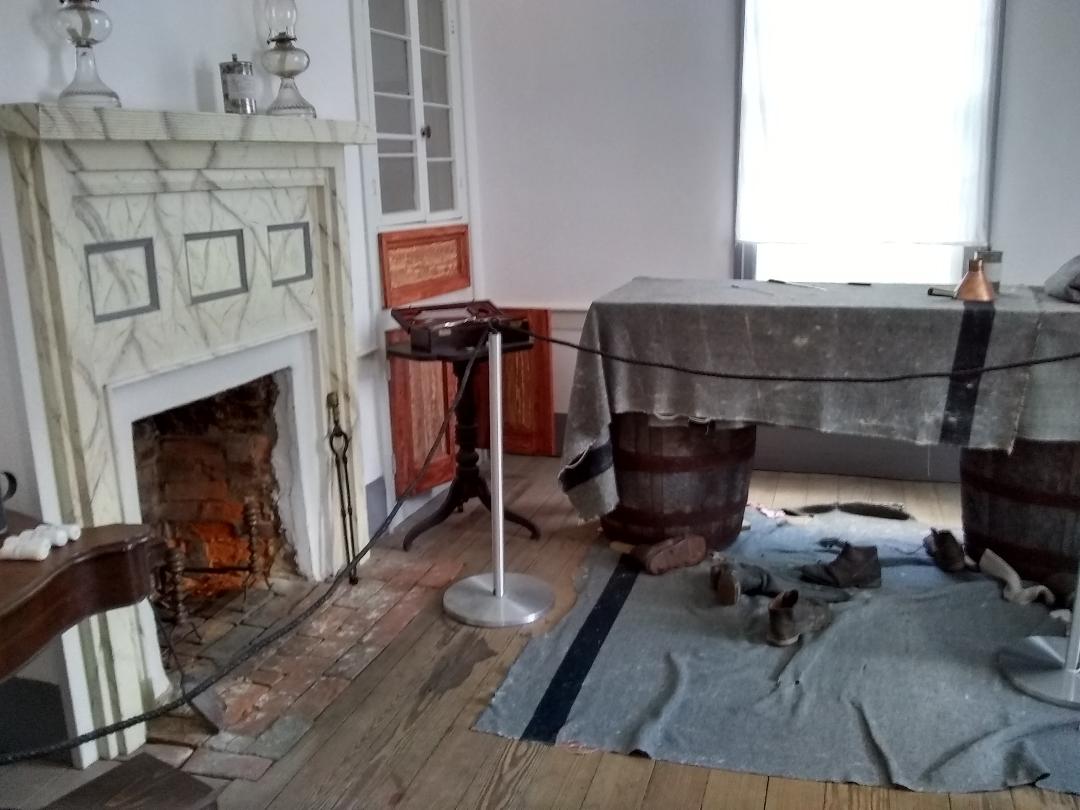
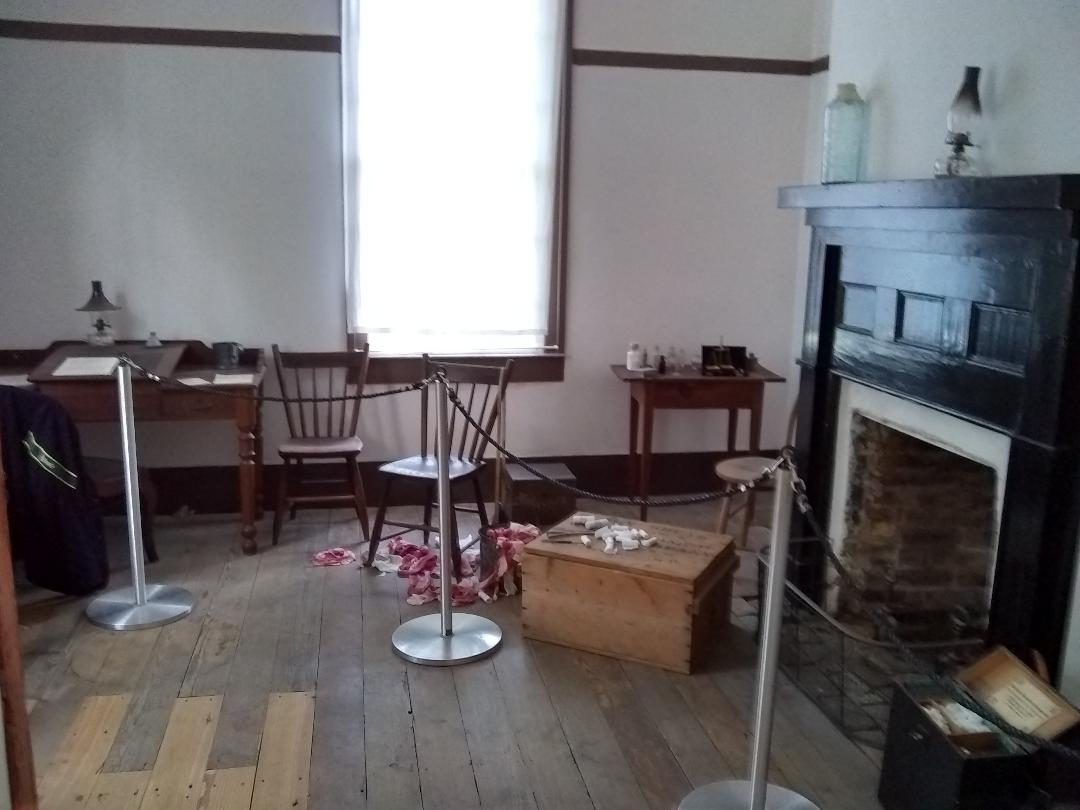
The first floor of the Harper Plantation served as a hospital treating 600 Union and 50 Confederate soldiers. Makeshift surgical suites are seen in the pictures below. Treatment during this time was before knowledge of germs, antiseptics, infection, and anesthesia. Casualties were high and many are buried in the nearby Harper family cemetery.

The 10 member family lived upstairs while soldiers were being treated.

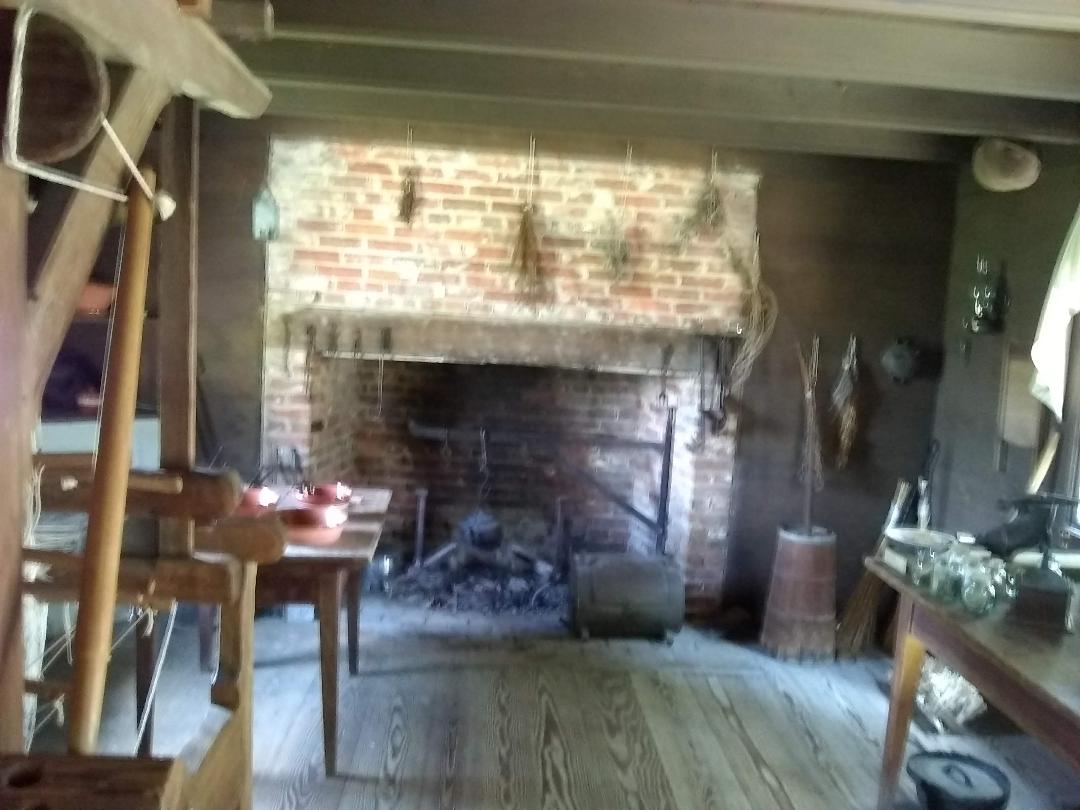
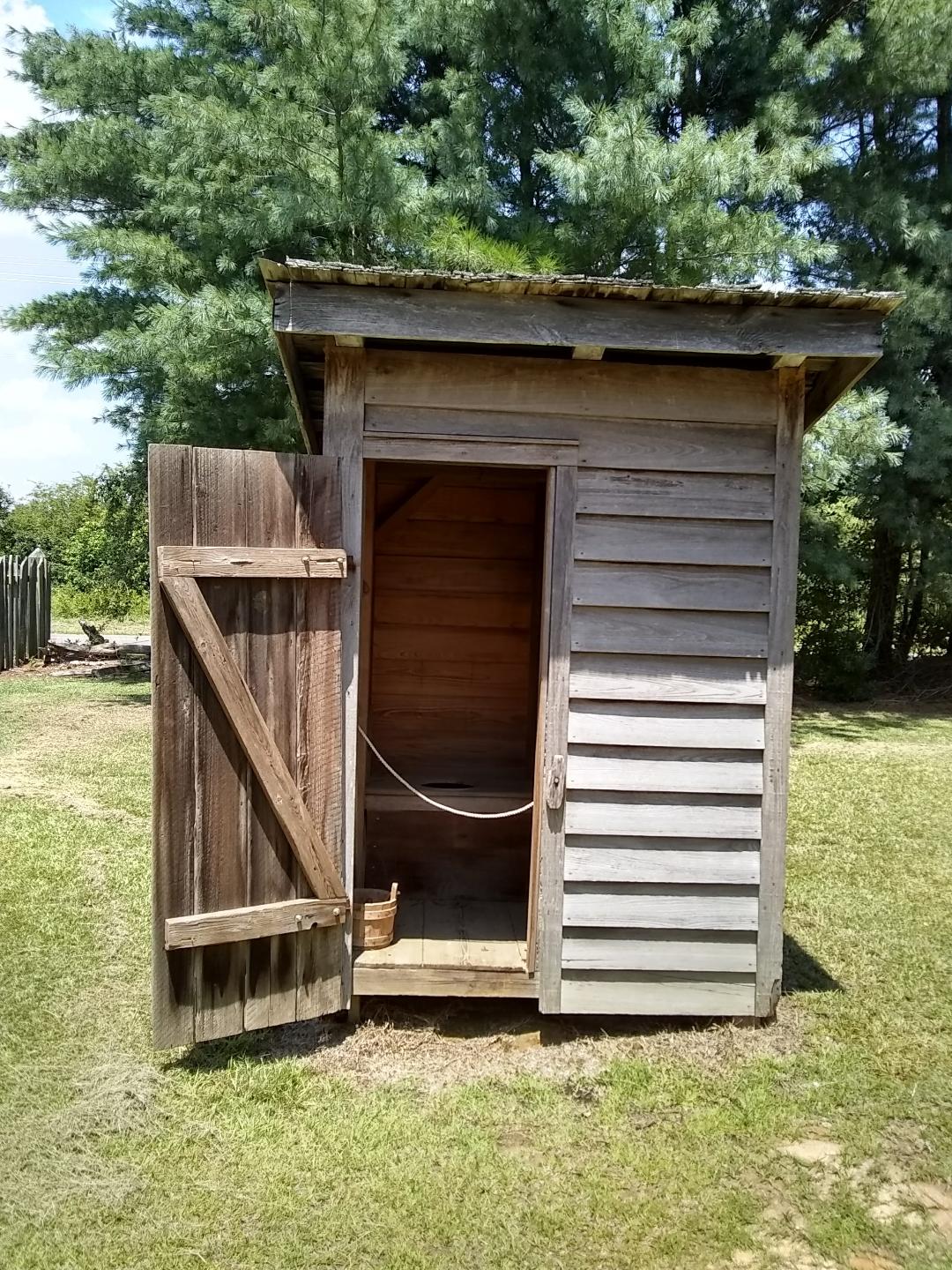
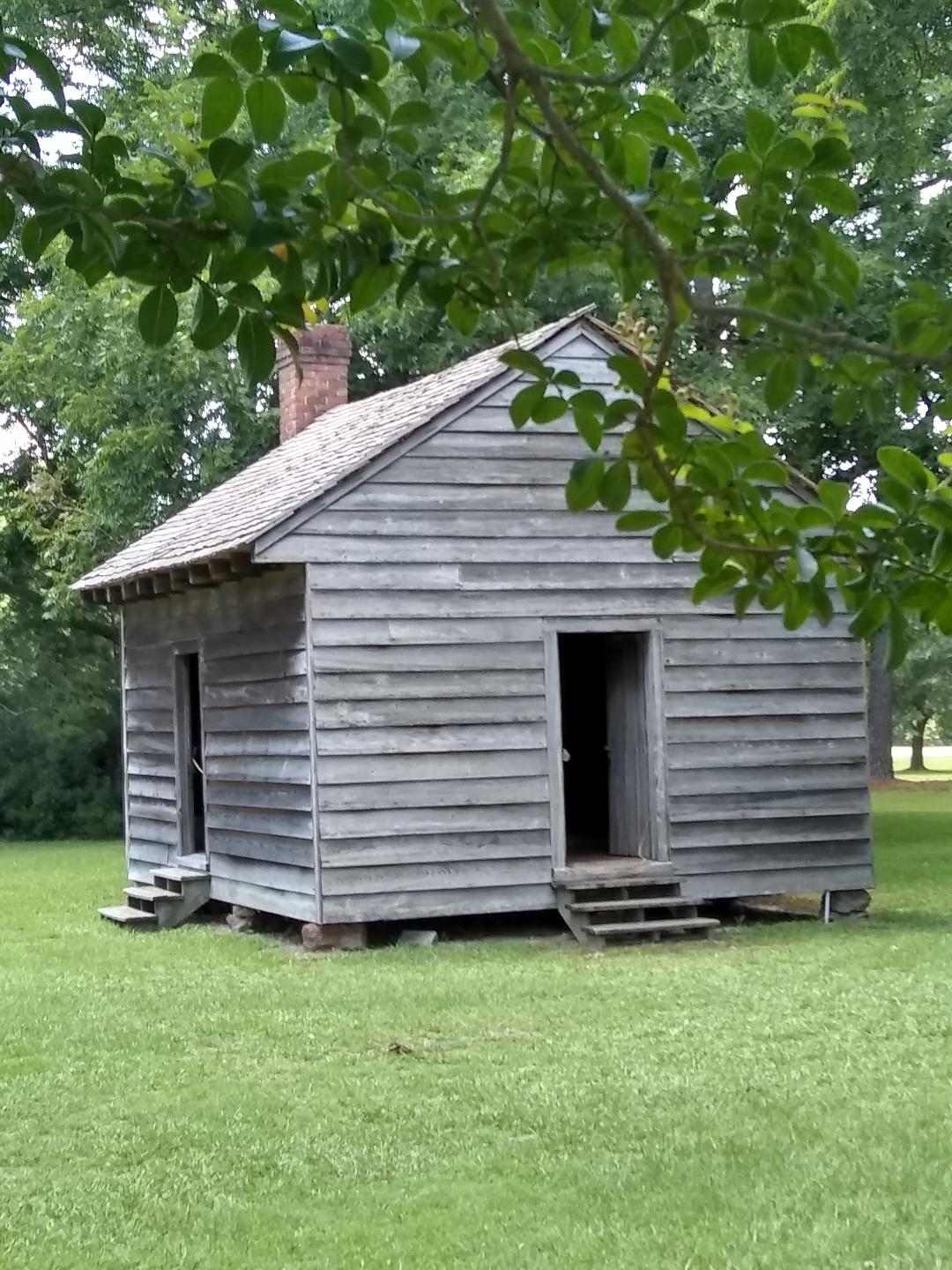
The Harper family had slave quarters and an outside kitchen on their property. While the structures are similar kitchen is left, slave quarters right.

Upon leaving the Visitor Center area there is a drive with placards explaining each facet of the battle for that particular site. This is a must see and do for Civil War buffs.

A few interesting facts learned from the visit:

  • South Carolina was the first state to secede from the union.
  • Abraham Lincoln was elected via the Electoral College. None of the 4 candidates held a plurality.
  • Abraham Lincoln was assassinated on the 4th anniversary of the start of the Civil War.

From here I left for a more flavorful visit..

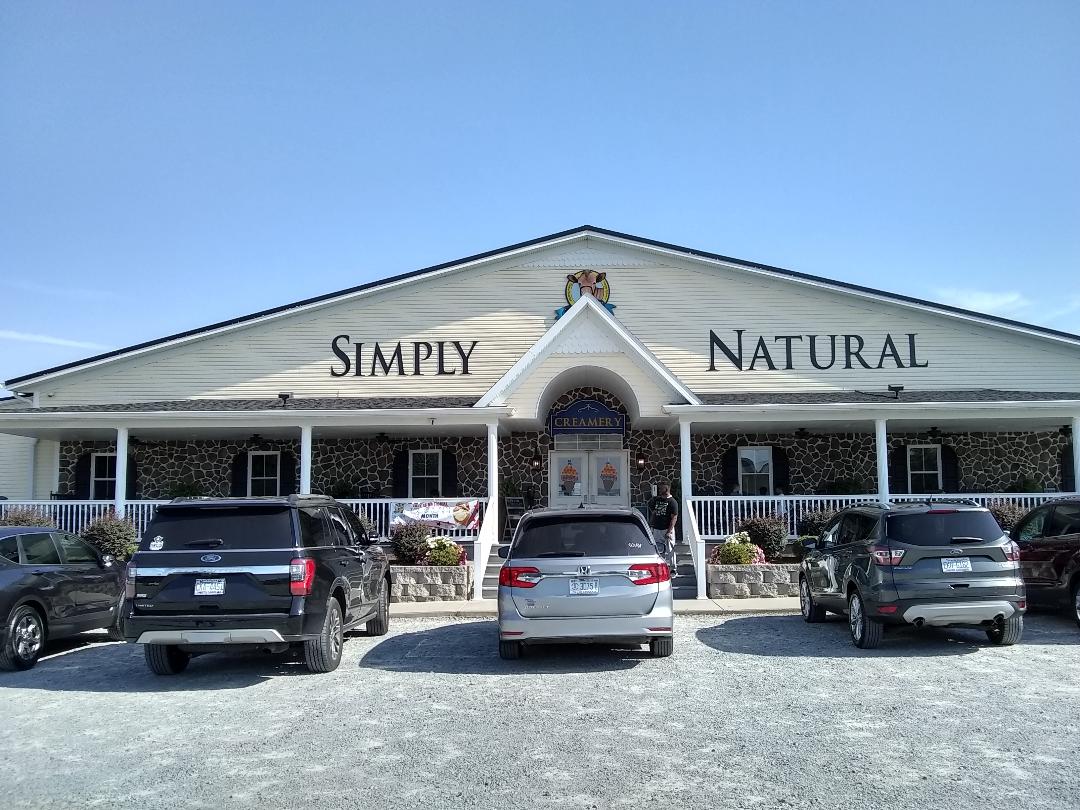
Simply Natural Creamery is a great place to bring your family and children. A bit of a drive from Goldsboro, but worth it with delicious homemade ice cream, an interesting farm tour, and fun playground for children. Prices are reasonable and the front porch is breezy to sit on as you eat your ice cream.

Of course you can also sit inside and see the milk production.

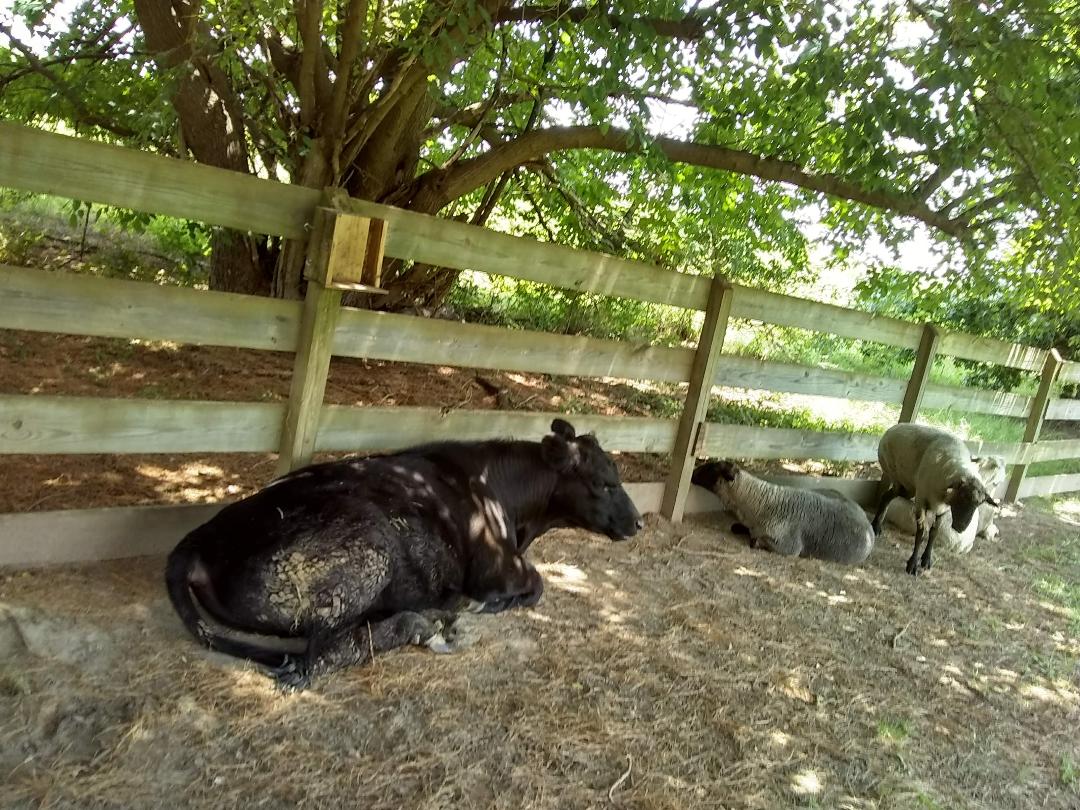
For me the best part of the tour was the farm. Here our group was taken via tram to see the pregnant cow pen. Cows in their 7th month of confinement are placed in this pen till birth.

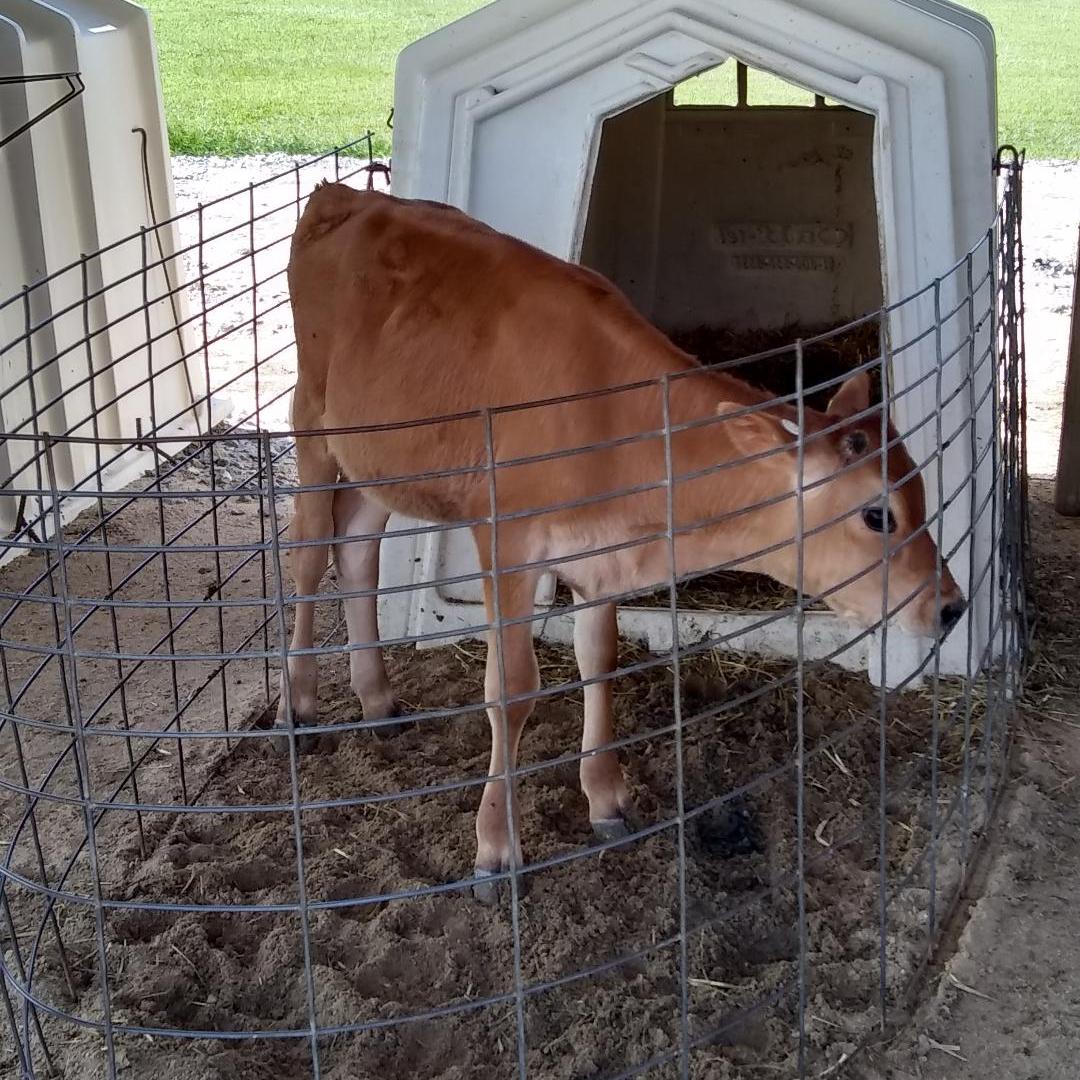
Then we saw the babies which delighted all the young’ins on the tour.

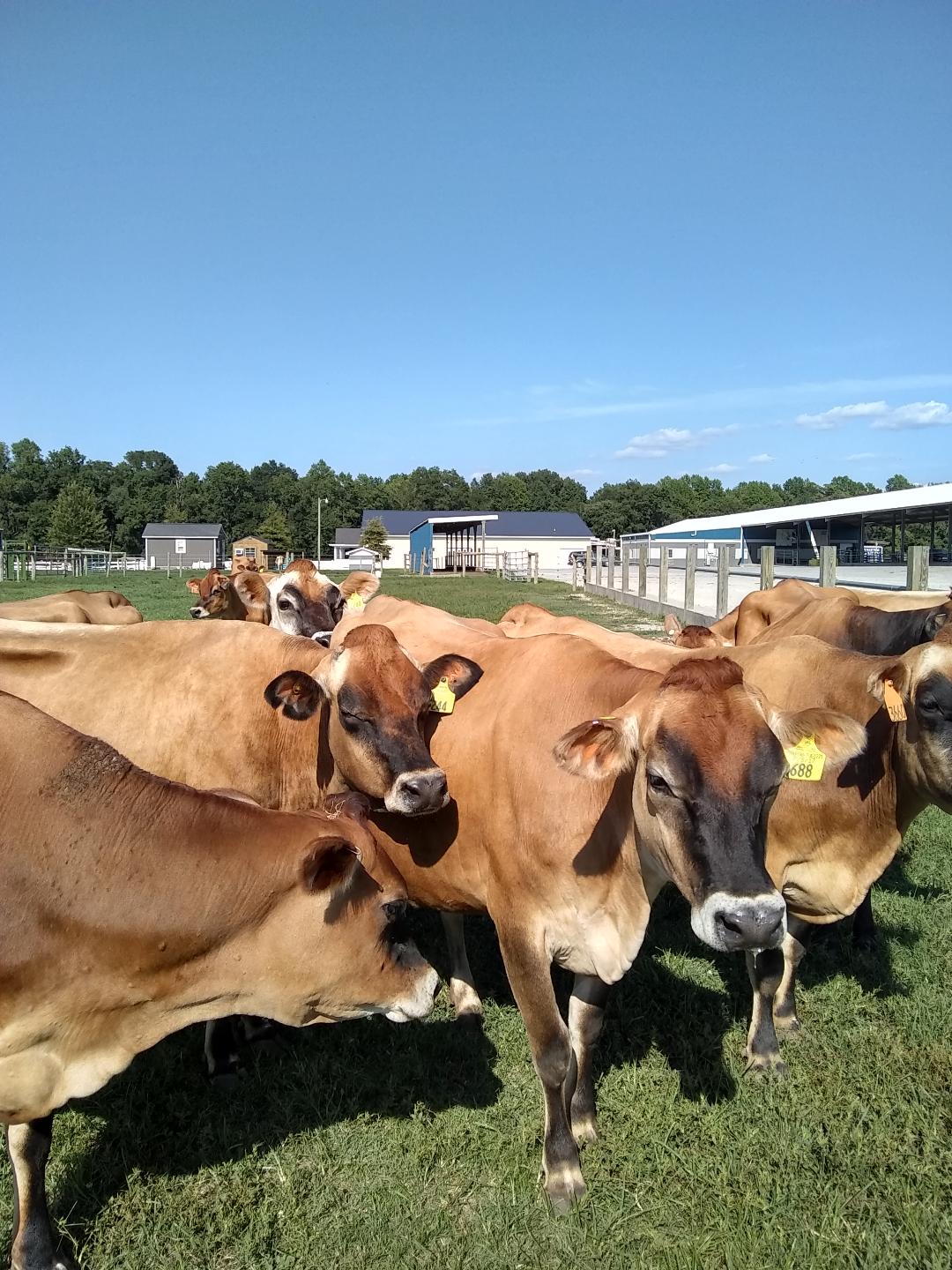
Cows have a gestation period of 9 months like us humans. A calf can weigh anywhere from 40 to 80 pounds at birth and occasionally there are twins. Once born the calf is separated from their mother to ensure mastitis does not occur. The boys are sold to others and the girls kept as milkers. At 2 years of age the girl is artificially inseminated and has her first calf. Then she begins to be milked. These are Jersey cows and can be milked for 25 years. Also, those who are lactose intolerant can drink this milk.

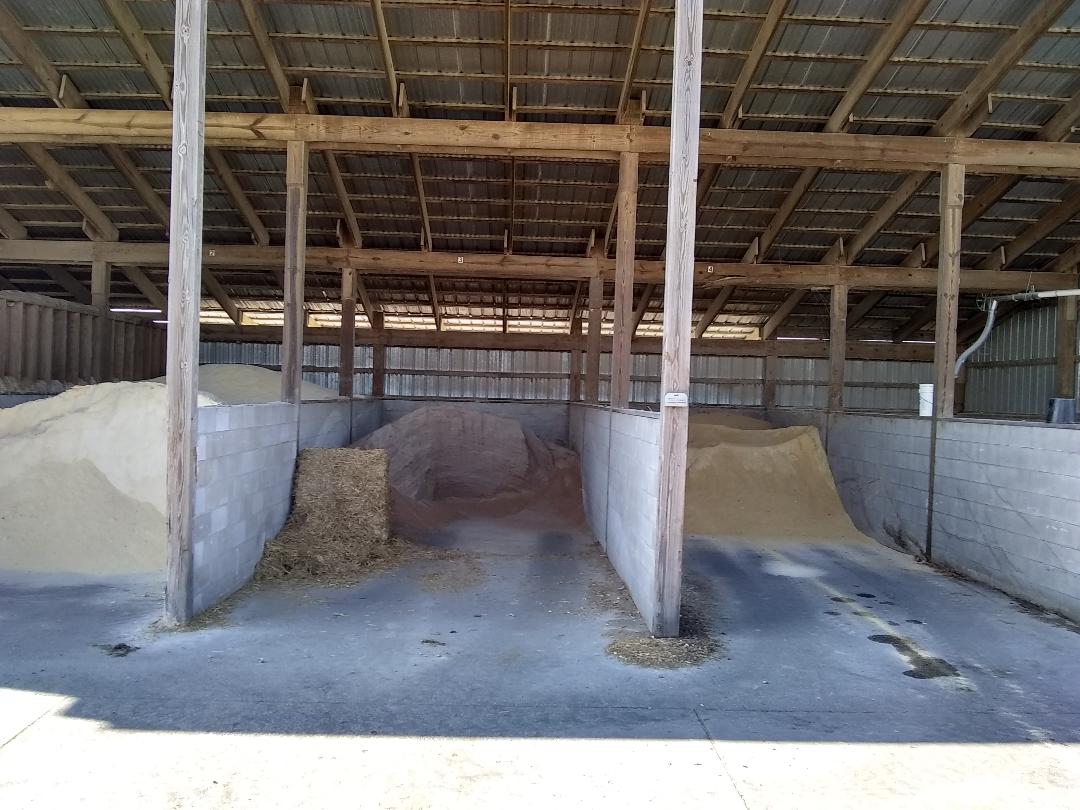
We also passed by the cow grocery store where their feed is stored. This is a very important place as cows eat between 80 to 90 pounds of food daily.

What a nice ending for the day. See you tomorrow.

Here’s a final good bye from the girls.

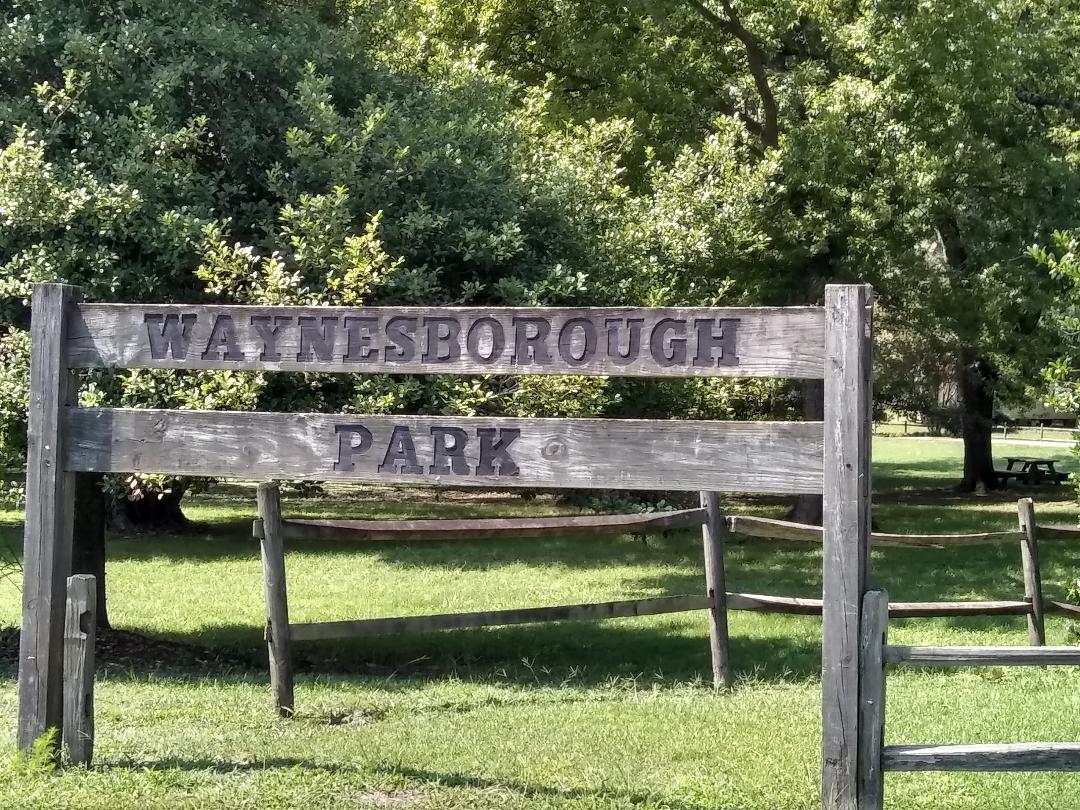
Old Waynesborough Historical Village: History and Exercise

This free, self-guided museum and historical village was a real surprise. Beginning the visit at the museum, reproductions of Confederate and Union uniforms were seen. It certainly must have been hot fighting in wool uniforms.

The first picture is the uniform of a Confederate Lieutenant, the second a Confederate private, and the final a Union officer.

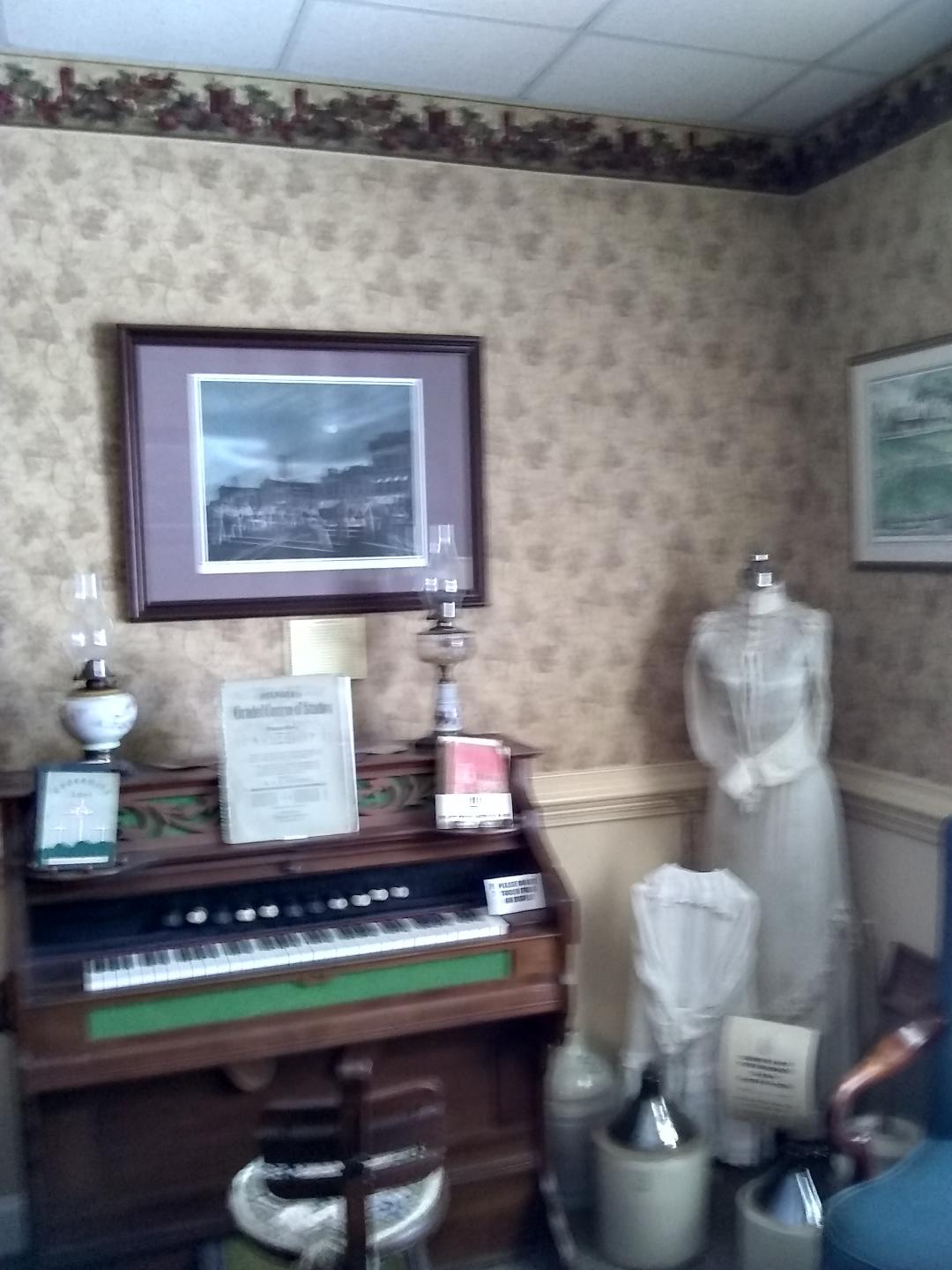
In the gun room there were many, as well as sabers. For those interested in this type of memorabilia the collection is a must see. Items from several eras were located in this room. However, my interest was the organ from the 1900’s in the next room.

Leaving the museum I began to visit the many historical buildings on the property. First was a Grange Hall with many pictures of former area Granger members along with the actual furnishings of the Hall.

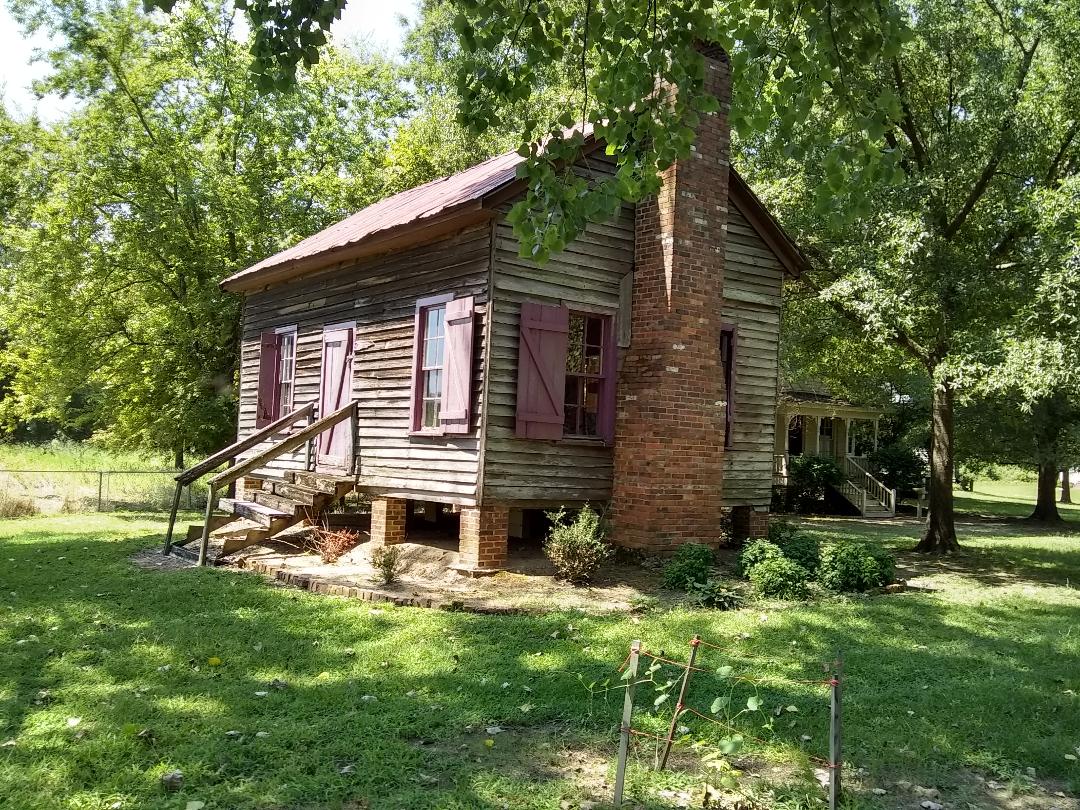
Next door to the Grange Hall was an interesting home of the late 1800’s. Well restored and furnished to the time period.

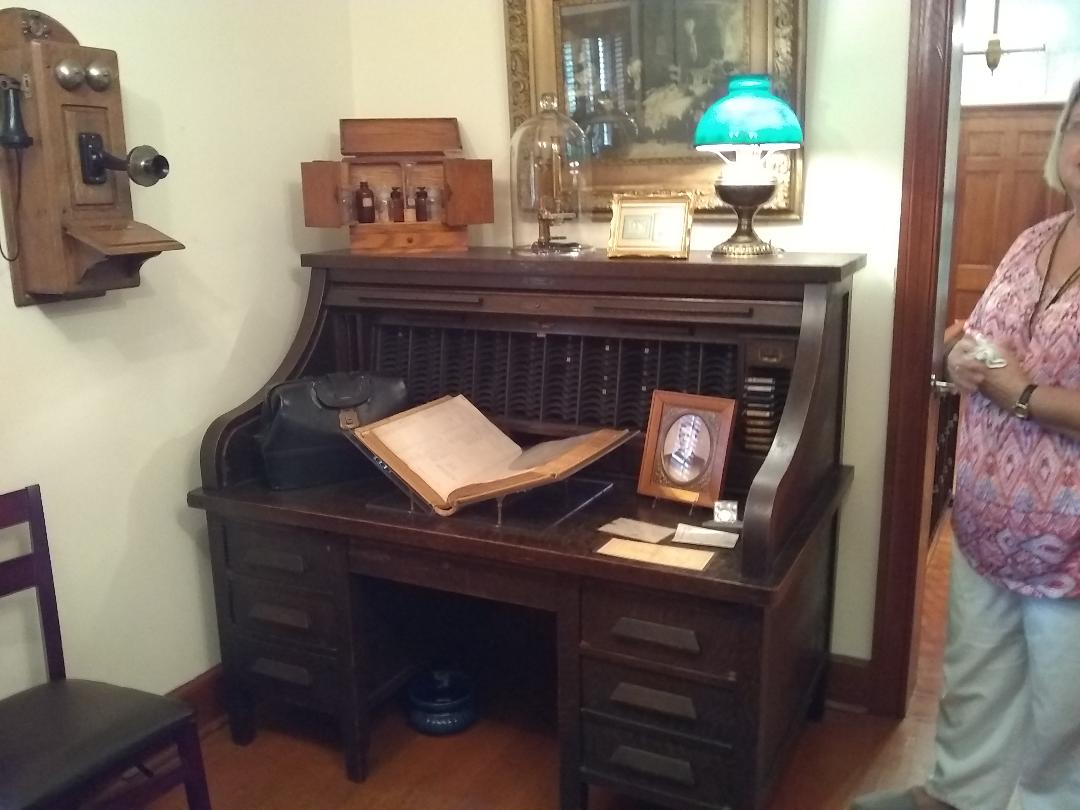
And what is a village without a Doctor’s Office? Here is Dr. Kennedy’s office. Built in 1905, it housed a waiting room, examination room, and in the final room a bed which may have doubled for a hospital or perhaps a place for the doc to take a quick nap?.

Then we have to keep the village informed with the local newspaper. The 1920 Print Shop.

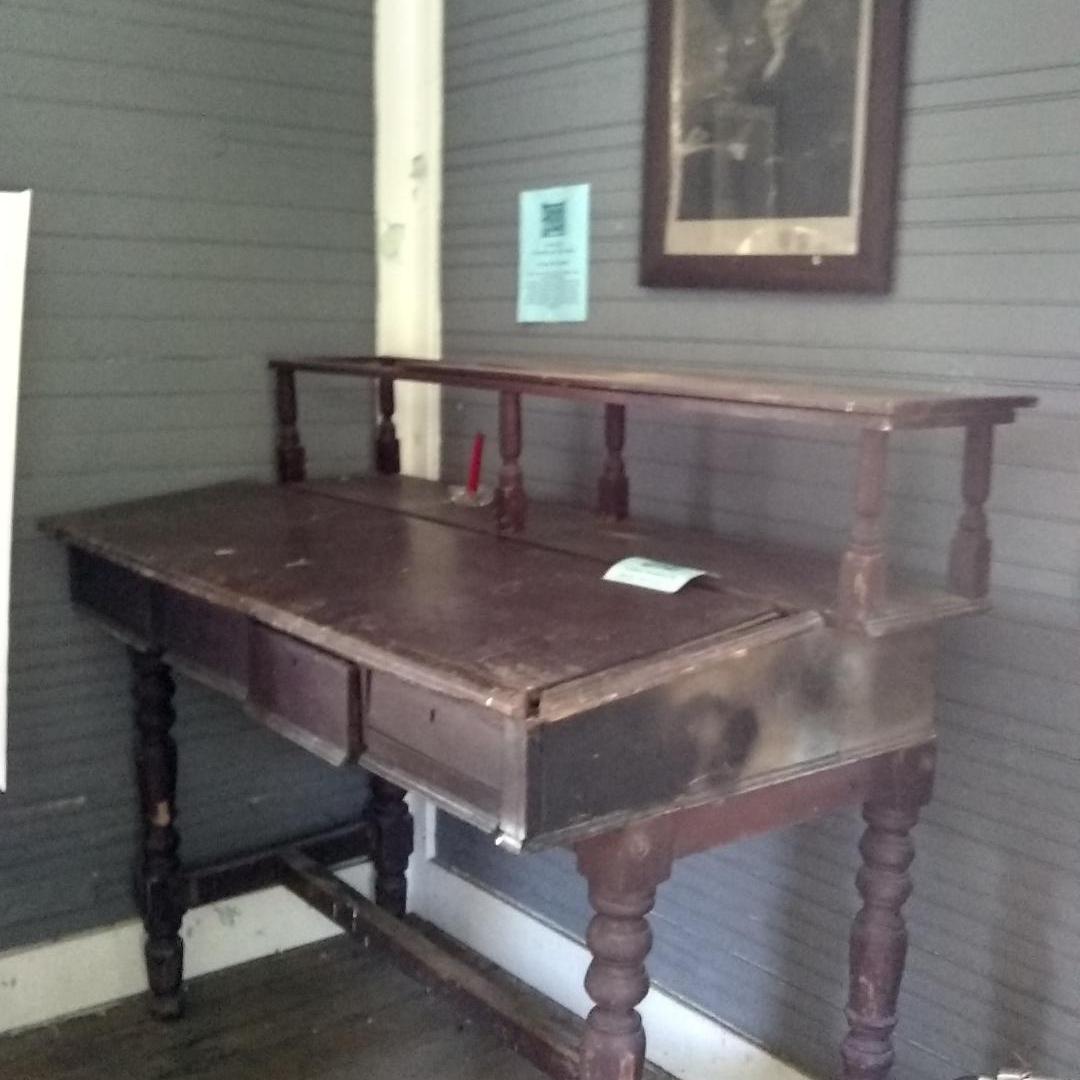
And did someone say they needed a lawyer? This is a typical 19th century law office. A clerk would stand at an elevated desk to conduct business to give himself some exercise. Another fun fact, in 1827 the French invented and patented the fountain pen, so no qwills here. Want one more? Thomas Jefferson was known to carry one of these “copiers” as seen in the fourth picture. He copied his writings while traveling. Sure must have been a heavy load carrying this copier. It is cast iron.

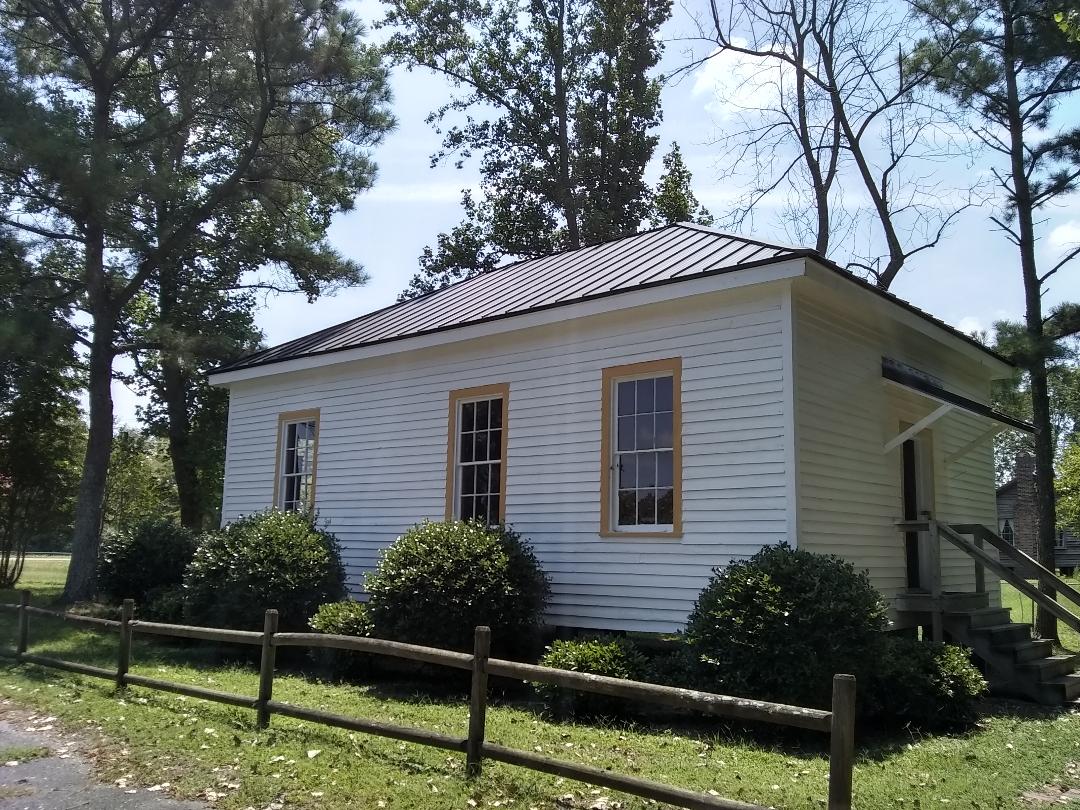
And then it is off to school for the children.

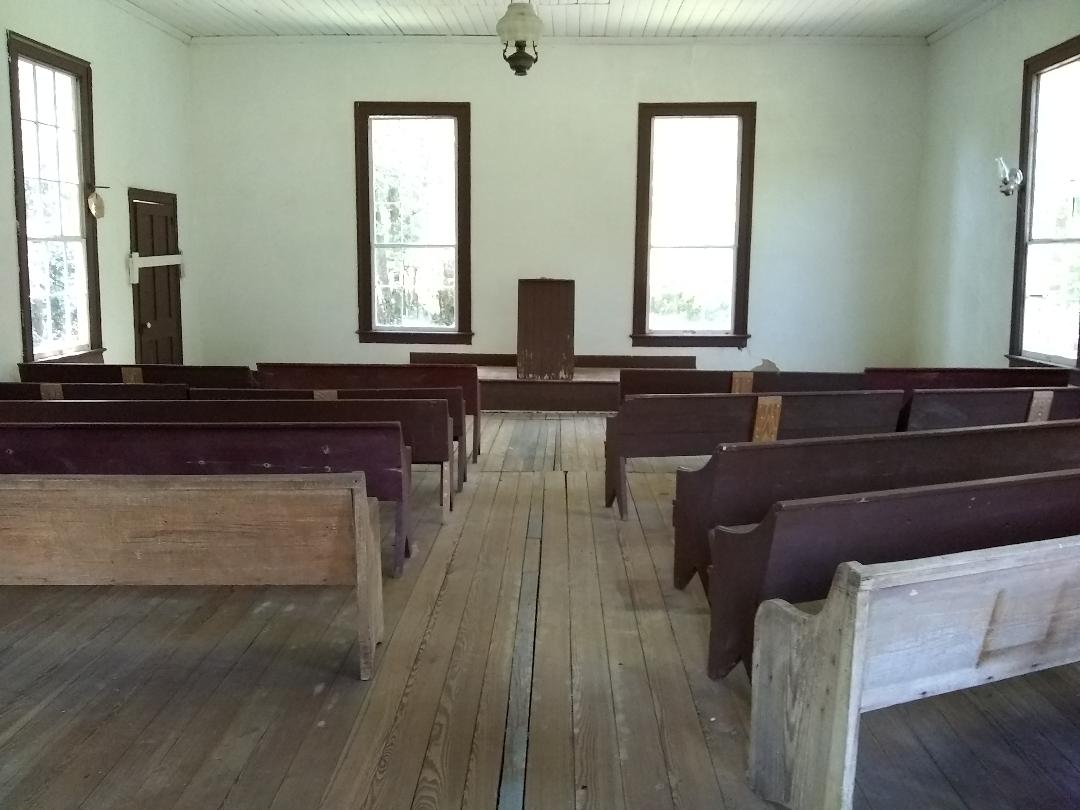
On Sunday a visit to the Quaker House of Prayer.

Did someone need to make a visit somewhere else during service?

One final stop after services..

Now on to the exercise portion of our visit…

The grounds have extensive walking trails. On these trails were many singing birds. Several folks with binoculars were eyeing these beauties. There was also a historic cemetery along the path.

Besides the birds, butterflies, and beautiful swamp area, an enormous white tailed deer graced my stroll. She flew by not 4 feet from me. As I looked closer a baby fawn was hidden among the leaves of the tree.

This is a spectacular place to bring children. Get them off those cell phones and have them start enjoying nature. And the exercise will help as well.

Pickles and Play

Interesting combination don’t you think?

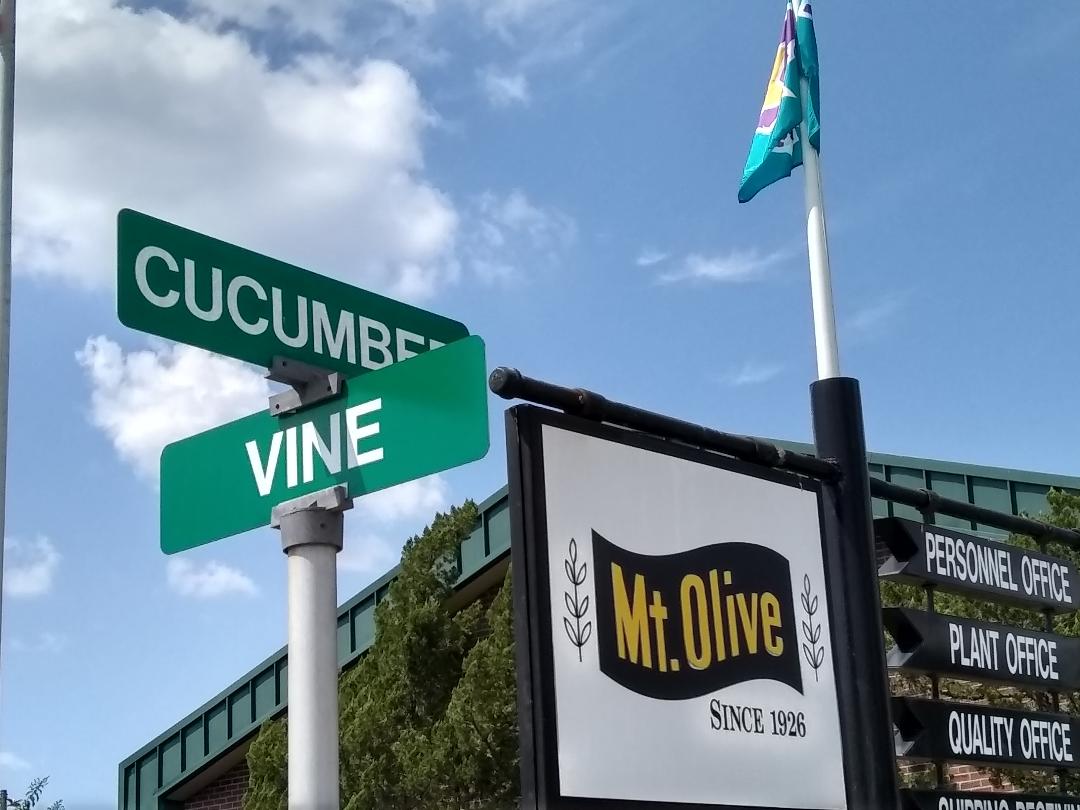
Corner of Cucumber and Vine

If you’ve read my former blogs you know I’m a fan of pickles, particularly mustard pickles. To my delight I discovered Mt. Olive Pickles was in close proximity. In visiting 1 Cucumber Lane I was even more pleased to find what a well run company they are. In their Public Relations Manager position they even have a woman. Yes!

Begun in 1926, Mt. Olive has become the most best selling pickle in the country. They acquire cucumbers from 10 states, (1/3rd from North Carolina), and foreign countries. Once the cukes arrive by truck they are processed and fresh packed. Those that are processed are placed in one of 1,100 tanks for fermenting. Total # of cukes in these tanks – 40 million.

While tours aren’t available, which is the case for most plants due to insurance regulations, their movie was quite informative. And the best part, I even got a free jar of pickles.

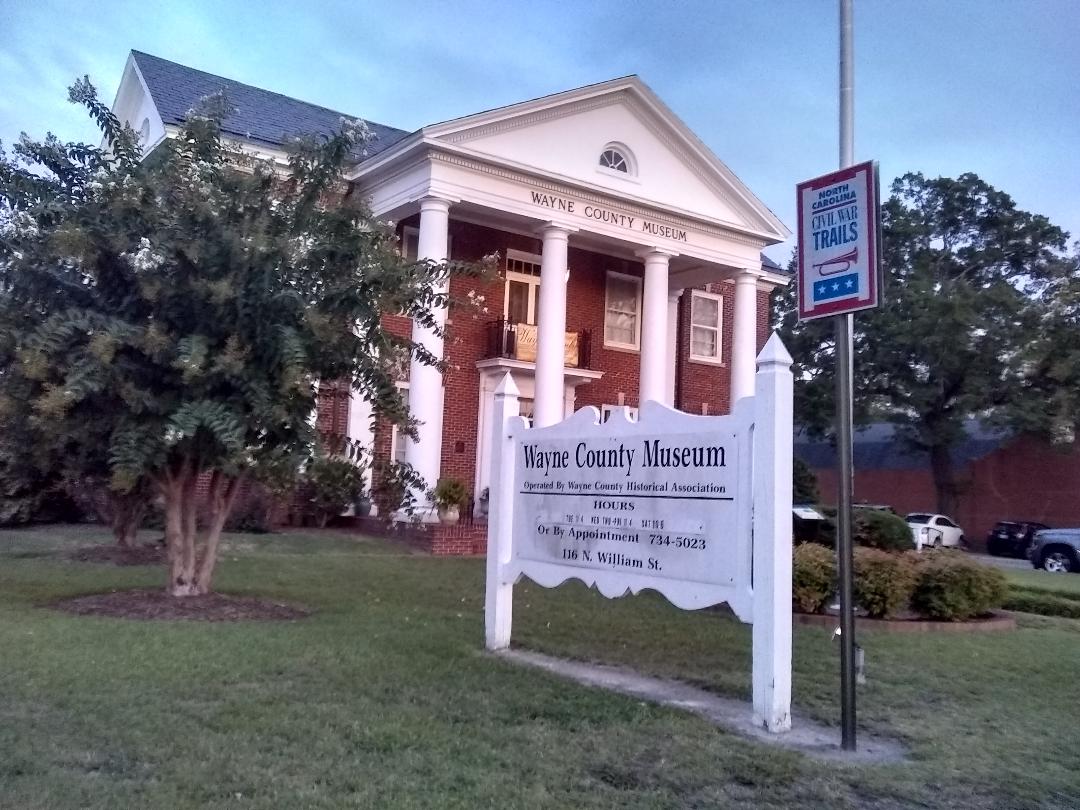
Next on the agenda was community theater taking place at the Wayne County Museum. Friendly staff allowed me to tour the museum prior to the play.

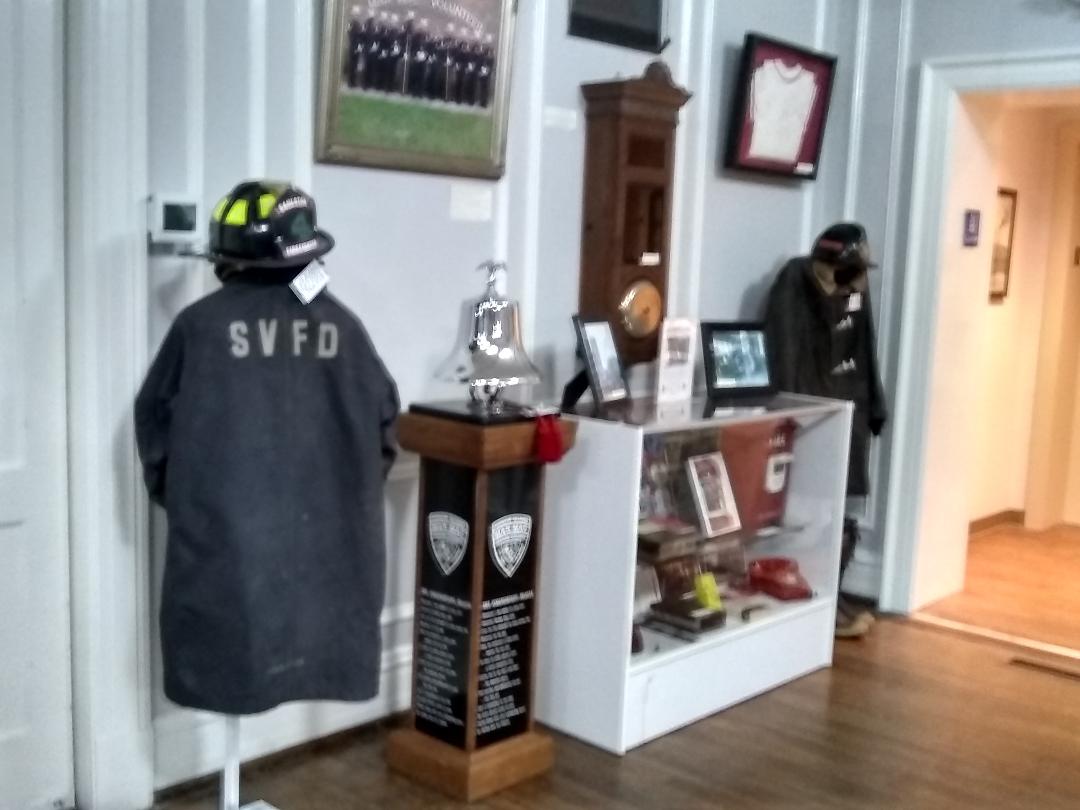
The small museum has interesting exhibits portraying the area. The current special exhibit honored fireman in the area and their garb through the years.

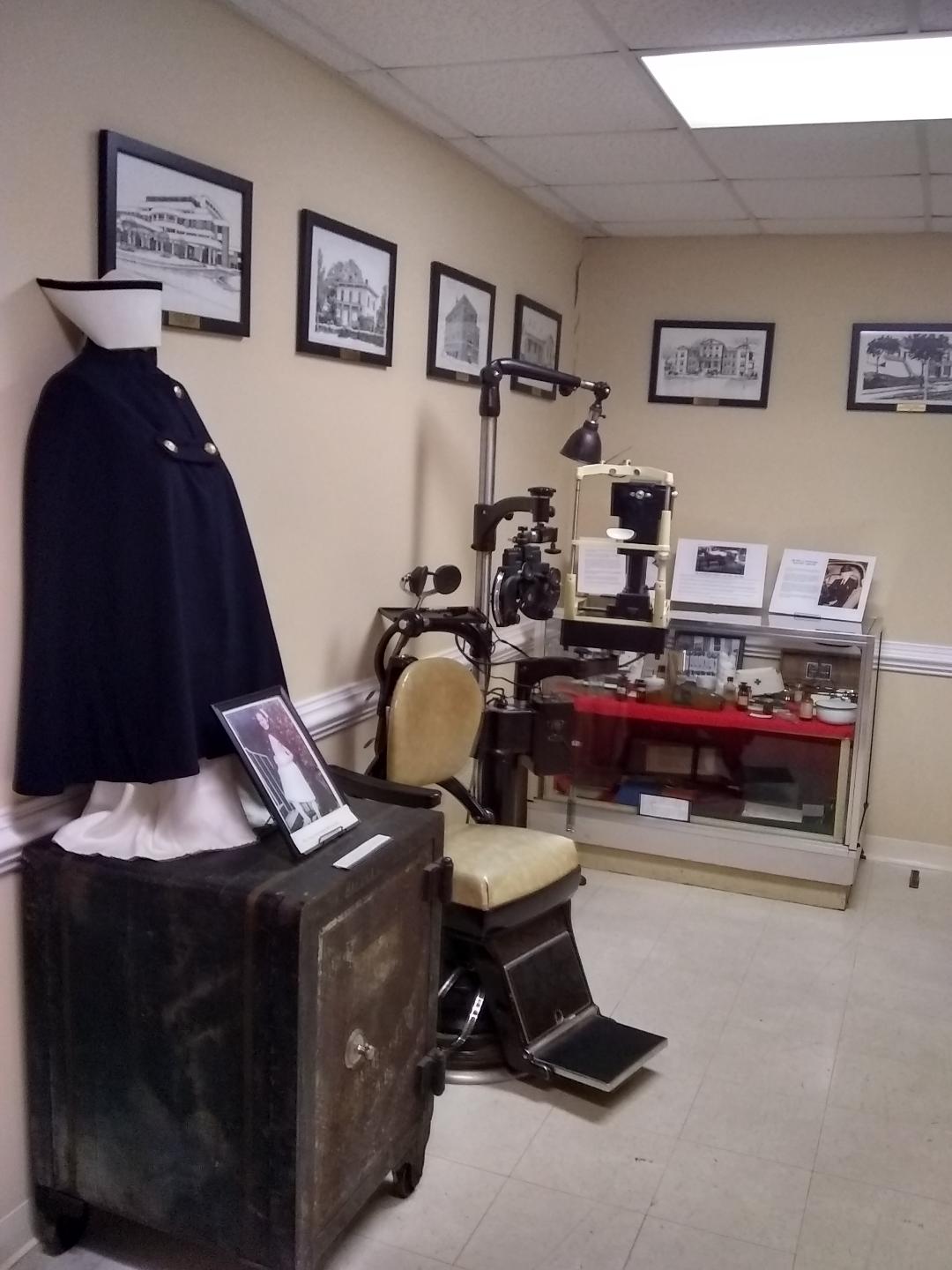
In the museum medical area, Mary Elizabeth Mahoney, the first black woman who graduated as a nurse in 1879, is honored with her photo and cape. Nice touch. Also honored were two physicians who each gave 50 years plus of service to the community.

Since Goldsboro has a local Air Force Base there was a military display with a focus on females in the service. Their uniforms were on display and my those gals had small waists.

Now, onto the show…

The Odd Couple was the play this evening. A favorite of mine, as is any Neil Simon play, the actors performances were sublime with punch lines on cue and executed with ease. The dinner scene with the English gals was a hoot especially with the giggling. How funny.

The stage is perfect for this type of theater with adequate lighting and space. I look forward to their next performance. Keep up the good work. It was a thoroughly enjoyable evening.

Southern Perceptions: Living in North Carolina, Nothing Could Be Finer…

Living in North Carolina has been a pleasant adjustment. It is different in this part of the South. I am residing in Joel Osteen country with many Bible belt churches. Here folks have license plates giving scripture verse citations on them.

The dialect is a struggle for this Northerner. And they say New Yorker’s talk fast! Several times a day I ask for a repeat on what was said. Usually the response to these requests is a long, low laugh, or giggle, so I’m happy to amuse.

Speaking of humor, it abounds in the South and is a breath of fresh air. Even with the oppressive heat folks seem to find a joke in it. Either they say they’ve gotten the sauna they always wanted or are glad to finally melt off those last few pounds.

Recently, I hit the tree stump that marks my boarding house parking spot. I had forgotten to go in reverse. Thinking nothing was wrong I trekked to Walmart’s as loud noise started then became horrific as I drove. Once in the Walmart parking lot I checked out the damage.

As I laid under the car I heard a hello. Looking up from under the vehicle a hand was offered and I was raised from the pavement. Next this man got down on all fours, checked under the car telling me nothing was wrong, and snapped the bumper into place. He offered Gorilla glue to better adhere the bumper and gave me the name of a reputable auto body shop in town. The exchange went quickly and he was thanked profusely.

When I later relayed this event to a native I was told, “Oh, sugar, that’s just the Southern way.”

Think we all need more of that Southern way.

Wilmington, North Carolina: Day 1

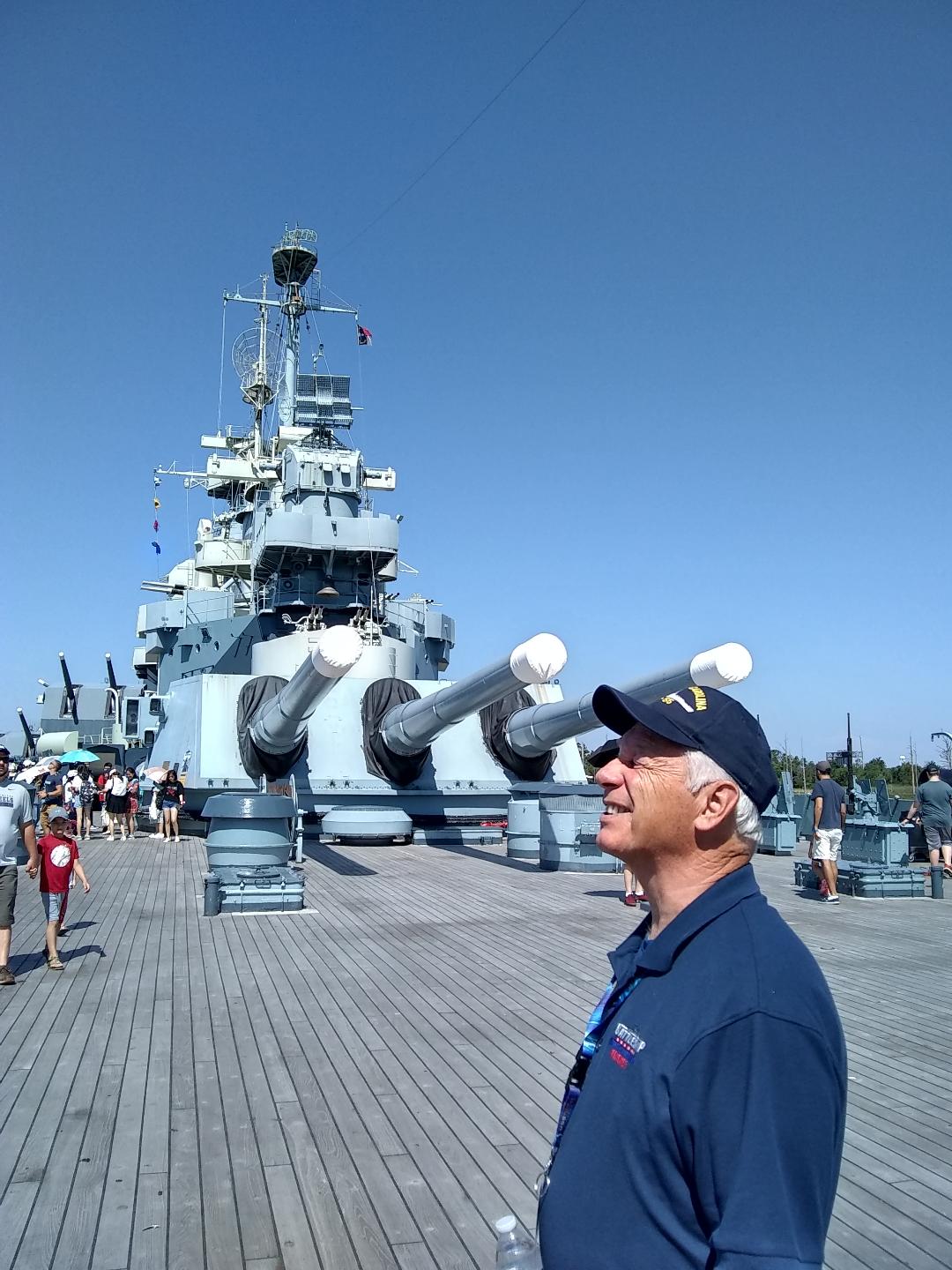
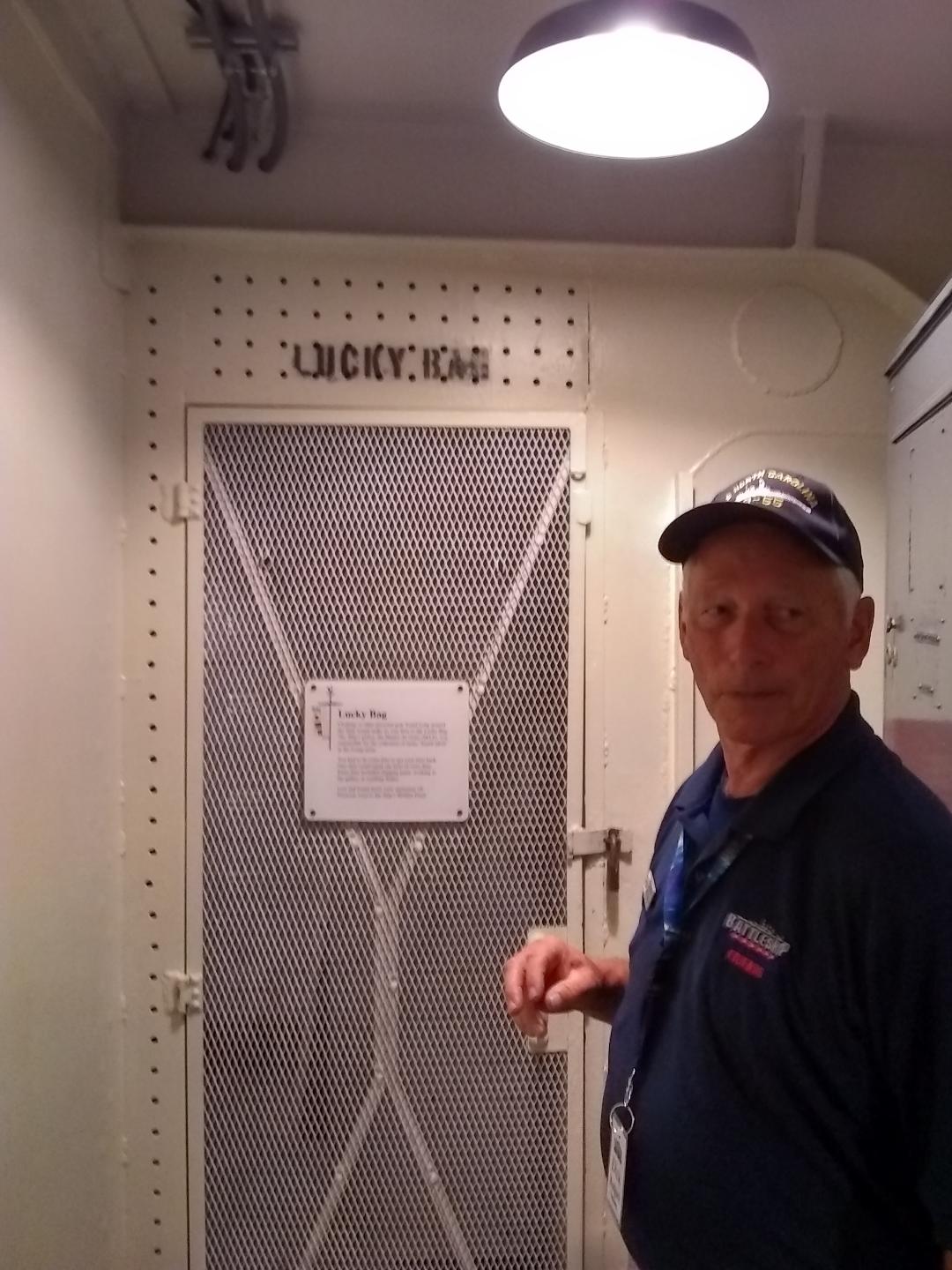
Started my day with a retired naval veteran having 29 years of service showing me around. For a few extra dollars this is worth it as these volunteers know their stuff. Try to get their before 10 a.m. to catch them as they get scooped up quick. This is a new volunteer program and thank you vets for your continued service.

Additional note: The ship is self-sustaining, no state or federal monies are received. Fees are reasonable and the docent charge contributes to ship maintenance.

Note turrets on the deck

This vessel is the most decorated surviving WWII battleship in existence with 15 battle stars to her credit. Built in 1937 and commissioned in 1941, it housed 2300 young men and 64 marines. Interesting fact: Marines handled the gun operation on the ship.

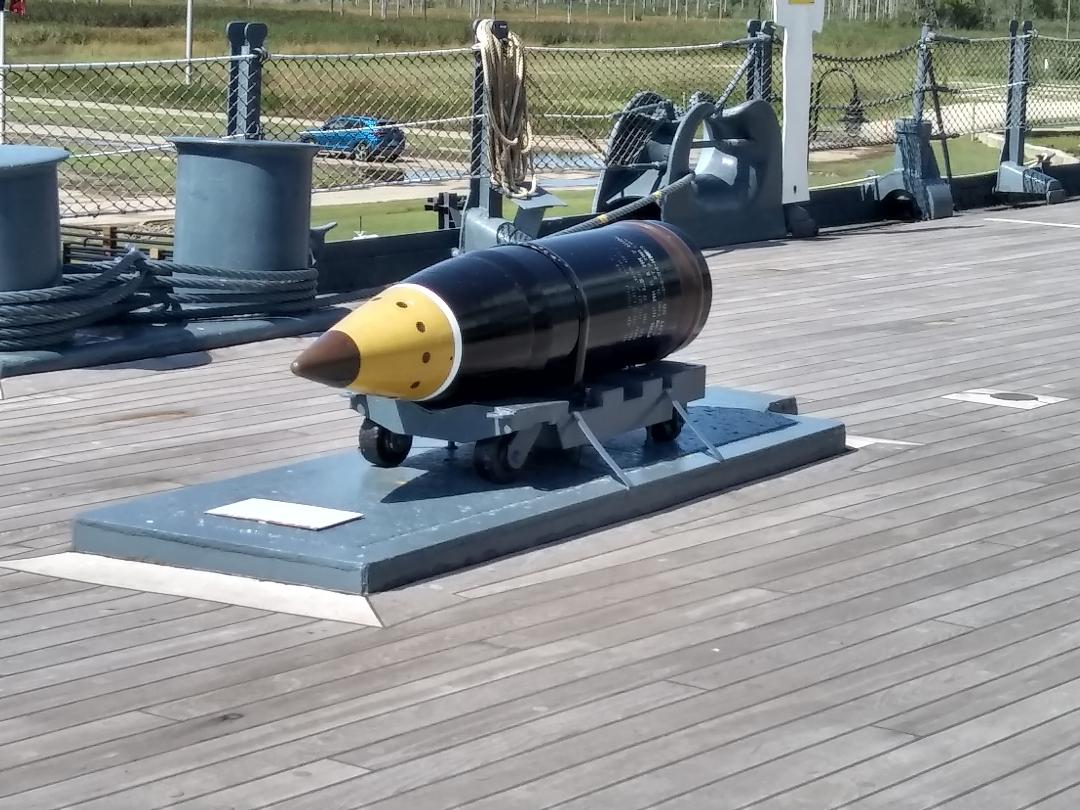
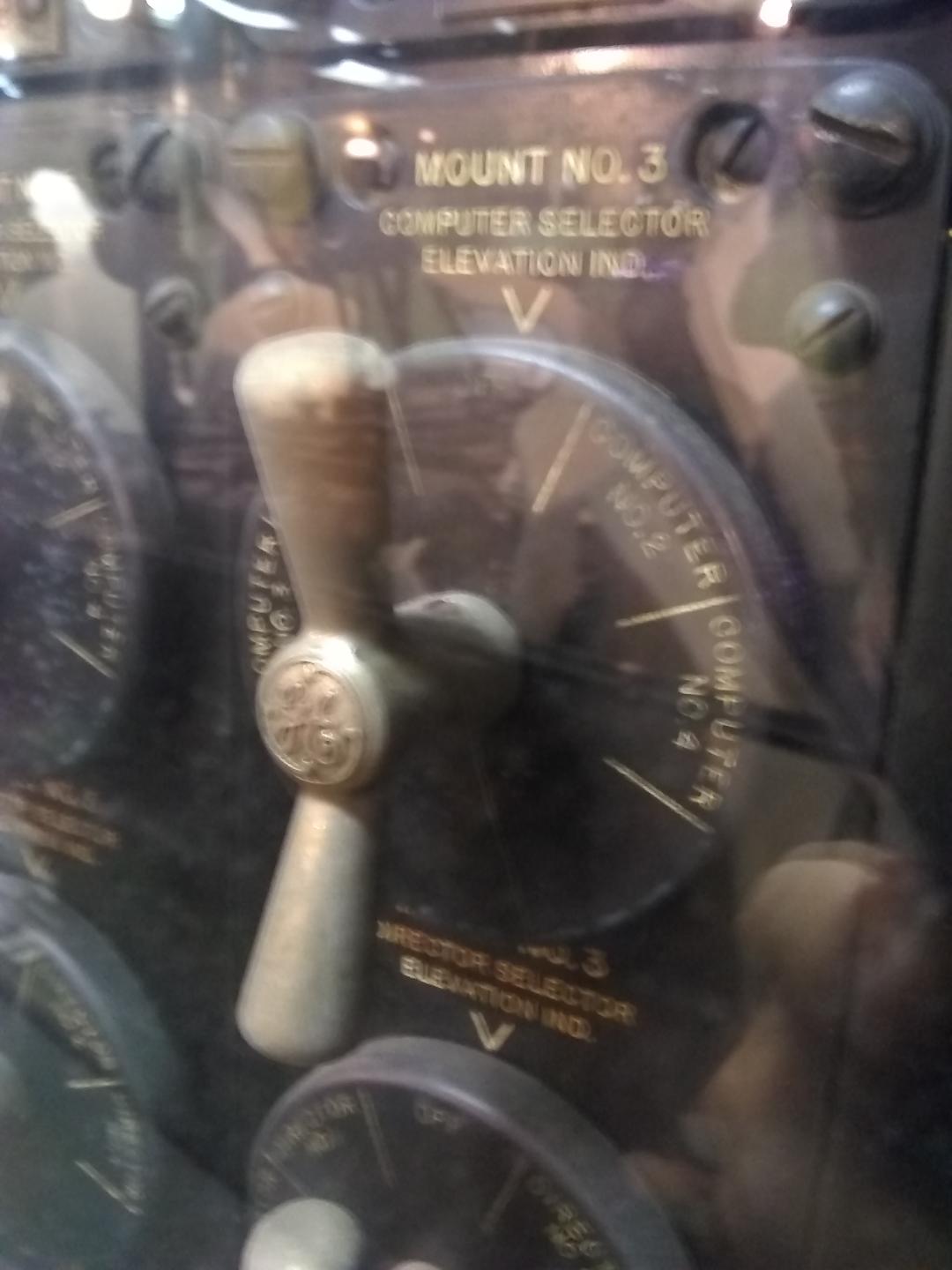
On the deck was the “bullet,” a 2000 pound explosive device with 6 attached bags holding 90 pounds of ammo in each. These devices softened the land for marines to later follow. While this device is small the war room below which handled the operation was not. Kids today do not recall when a computer was the size of several rooms. Here’s some pictures that show the behind the scenes effort that went into getting the bullet and turrets into action.
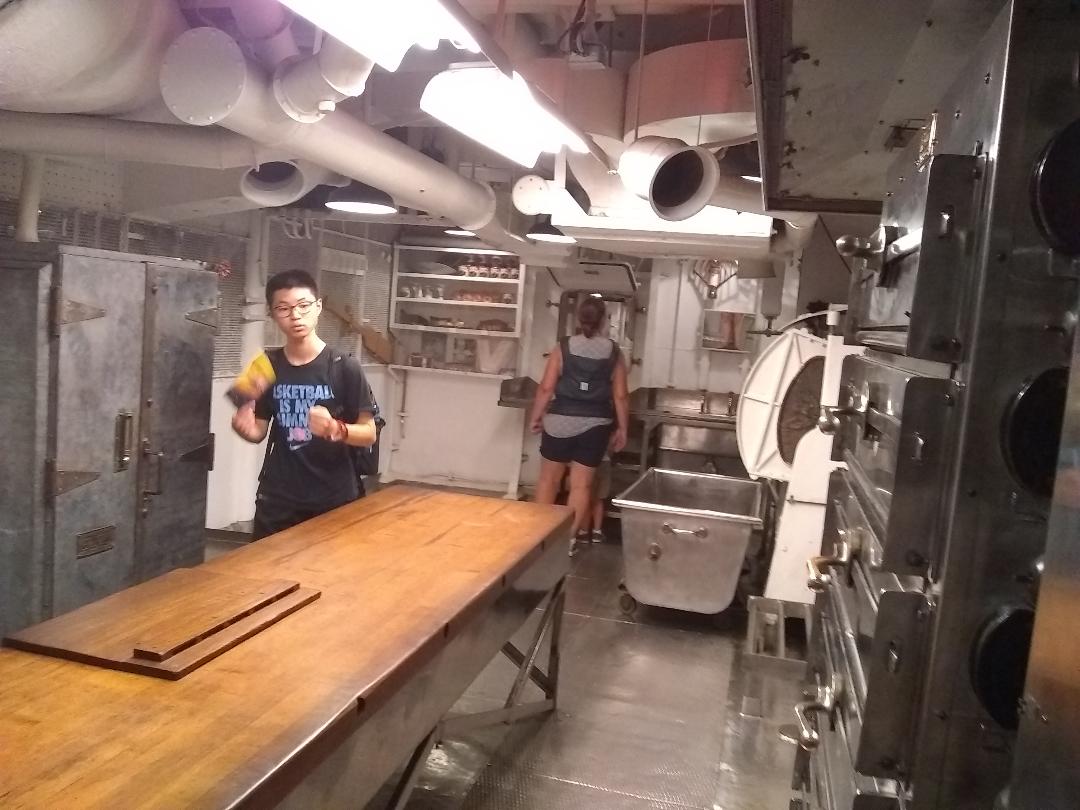
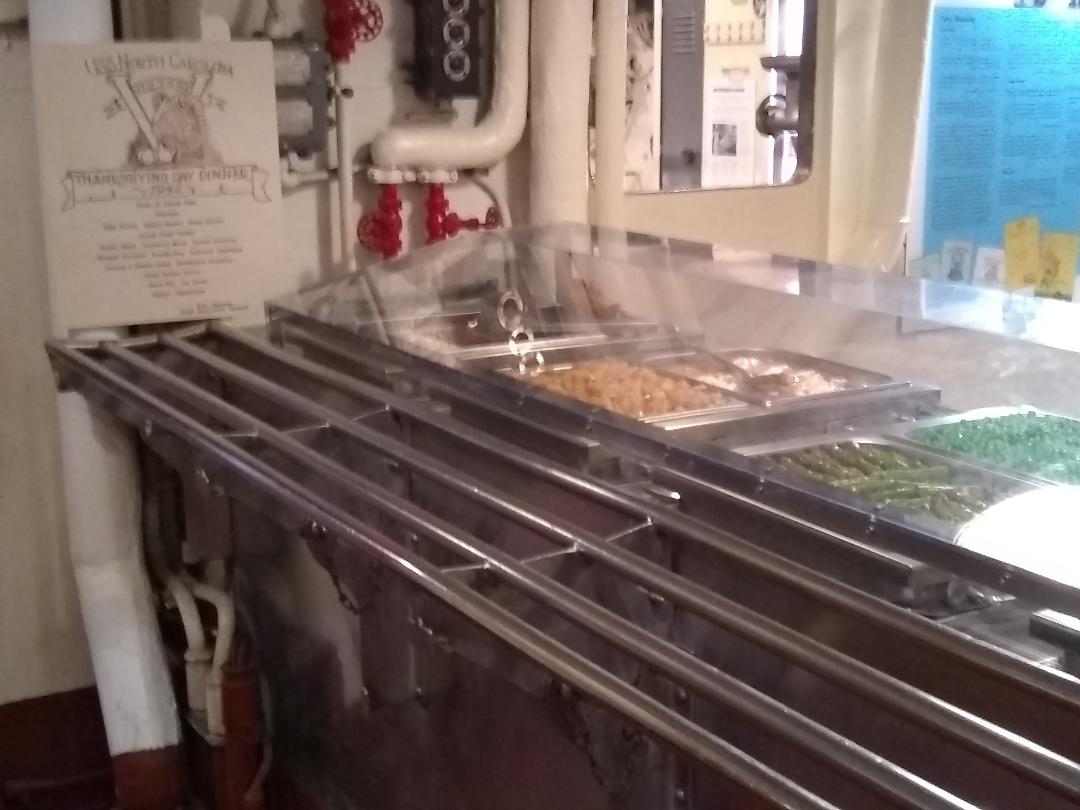
Besides responding in 4 minutes to deck when duty called, the sailors also called this home. Feeding 2300 men with 25 kitchen workers was no easy feat. Meal time saw 700 hungry sailors per shift and the staff were known to make 1600 loaves of bread daily. Pictures below – ice cream shop, kitchen prep, and Thanksgiving cafeteria line where 850 pounds of turkey were served. Cafeteria style serving was invented here as family style too labor intensive.

The mess hall was multi-purposed handling anything from church services to extra soldiers in hammocks who had been picked up along the way.

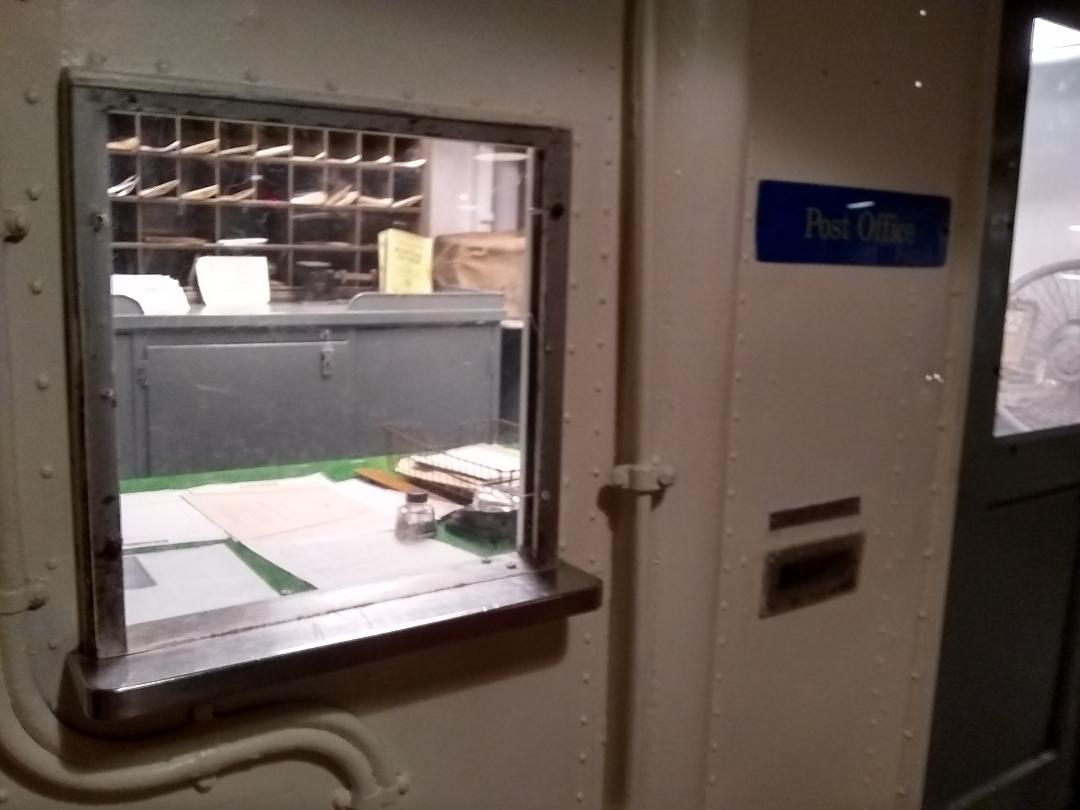
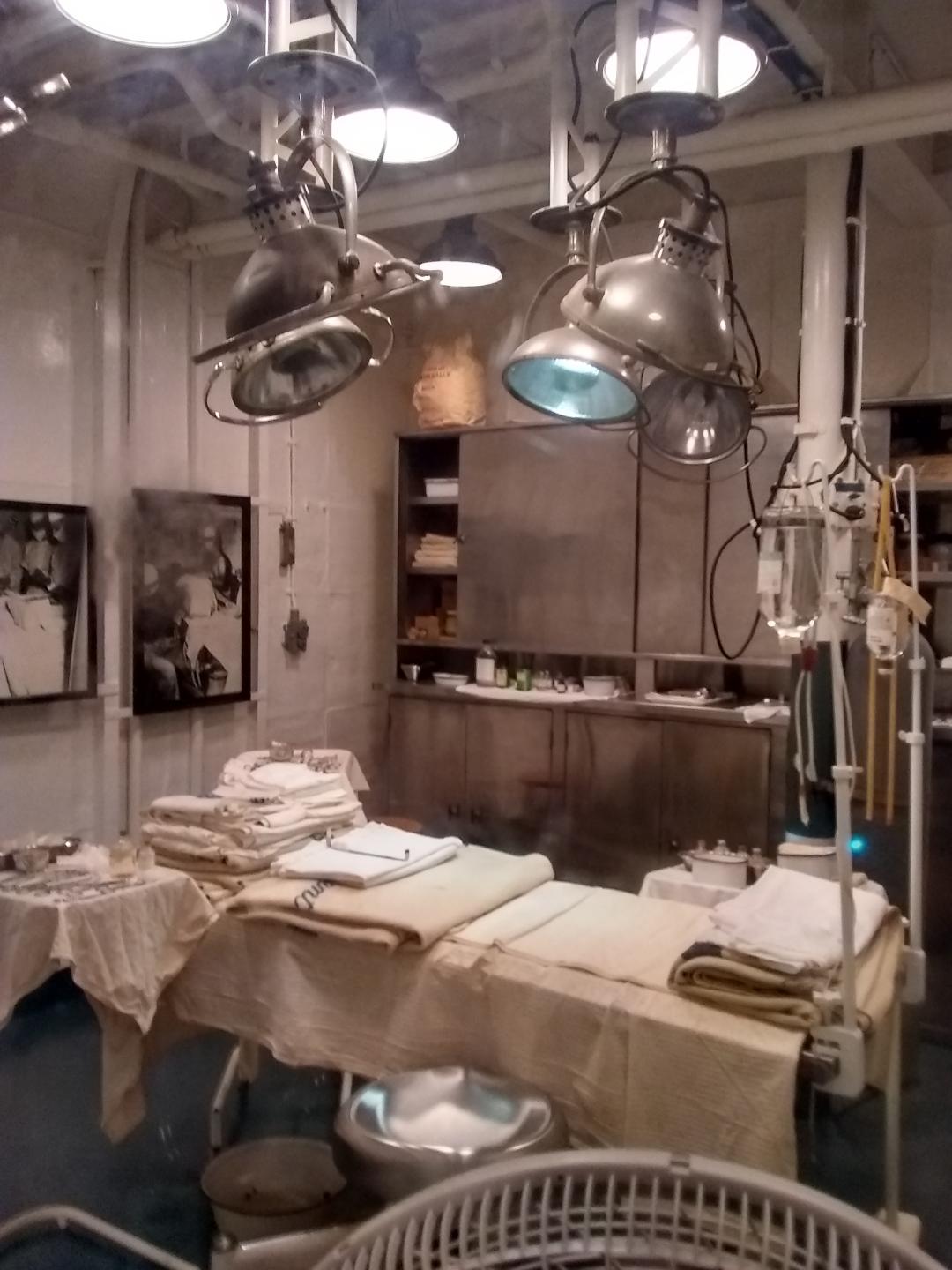
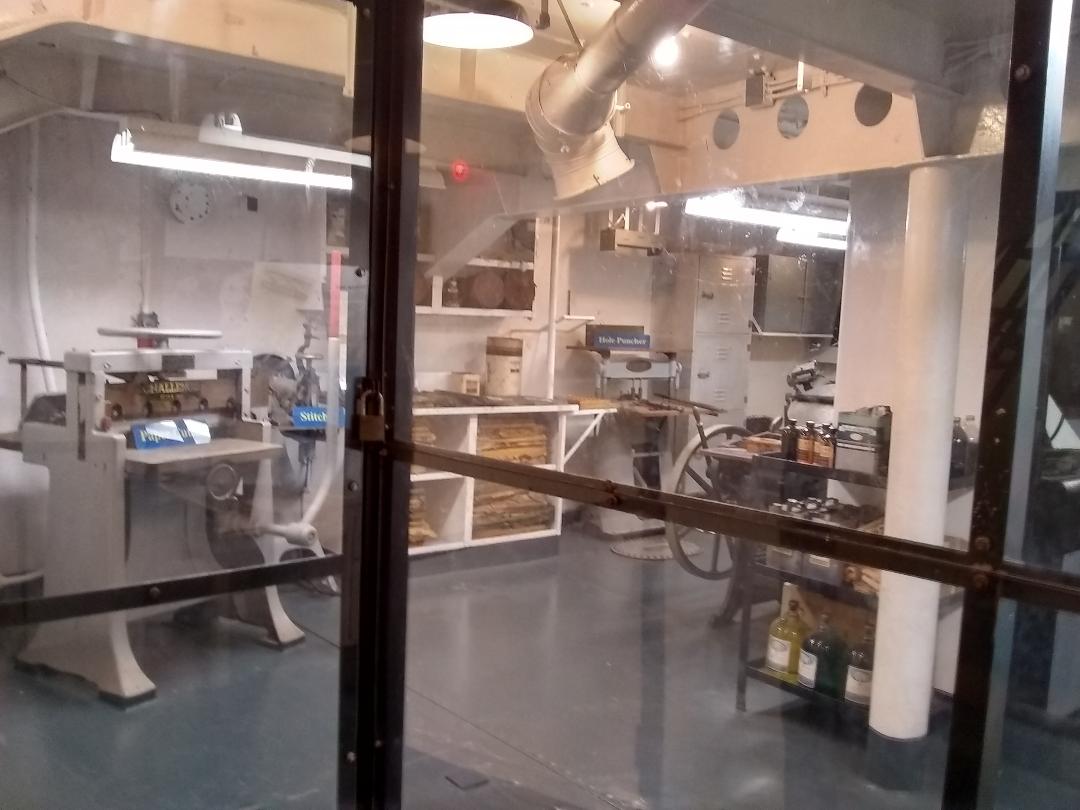
Hygiene was limited in the ship as water acquired went mainly to ship operations and hydration. No long showers here even when water was available. However, haircuts were a necessity as was shoe repair, a small movie area, post office and of course the hospital area for anything from infectious disease to surgeries. And did I mention the Lost and Found as well as the a newspaper office to keep current on the news of the ship?

Whew! So much to consider.

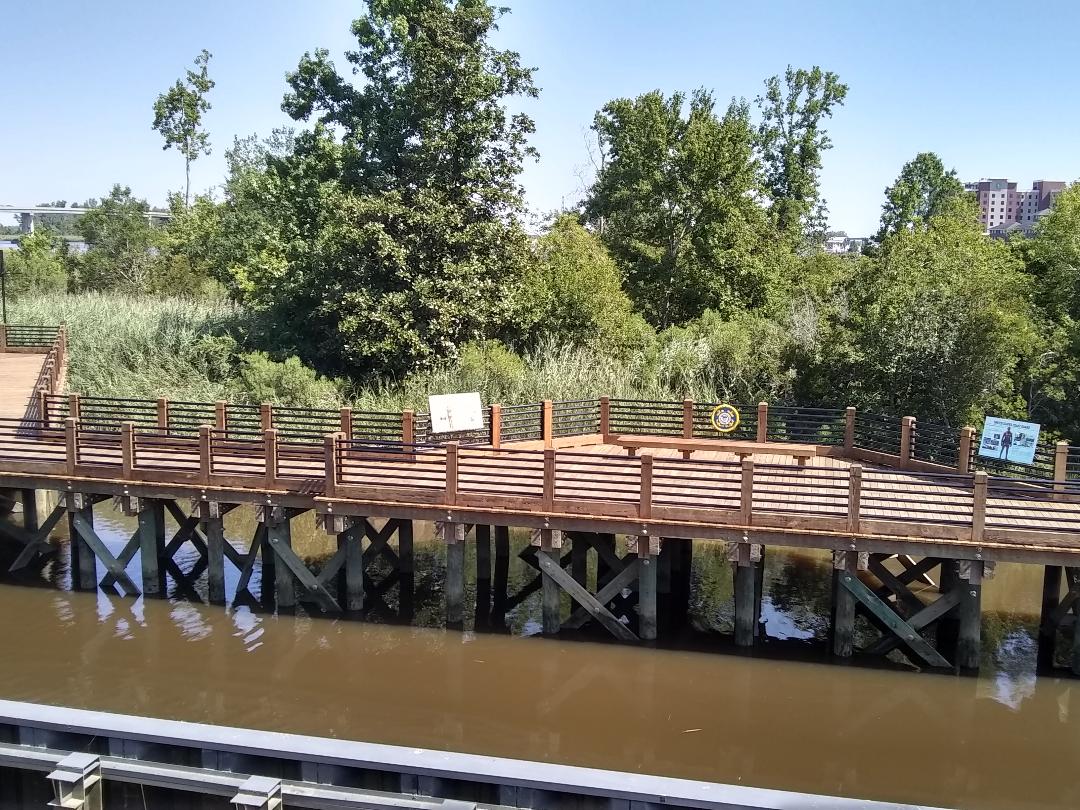
As you leave stop by the grounds surrounding the ship as they are lovely, and have shaded picnic benches. Great place for a family picnic. Also, the North Carolina government employees donated a walkway next to the ship. What a nice gesture.

On to the Bellamy Mansion —

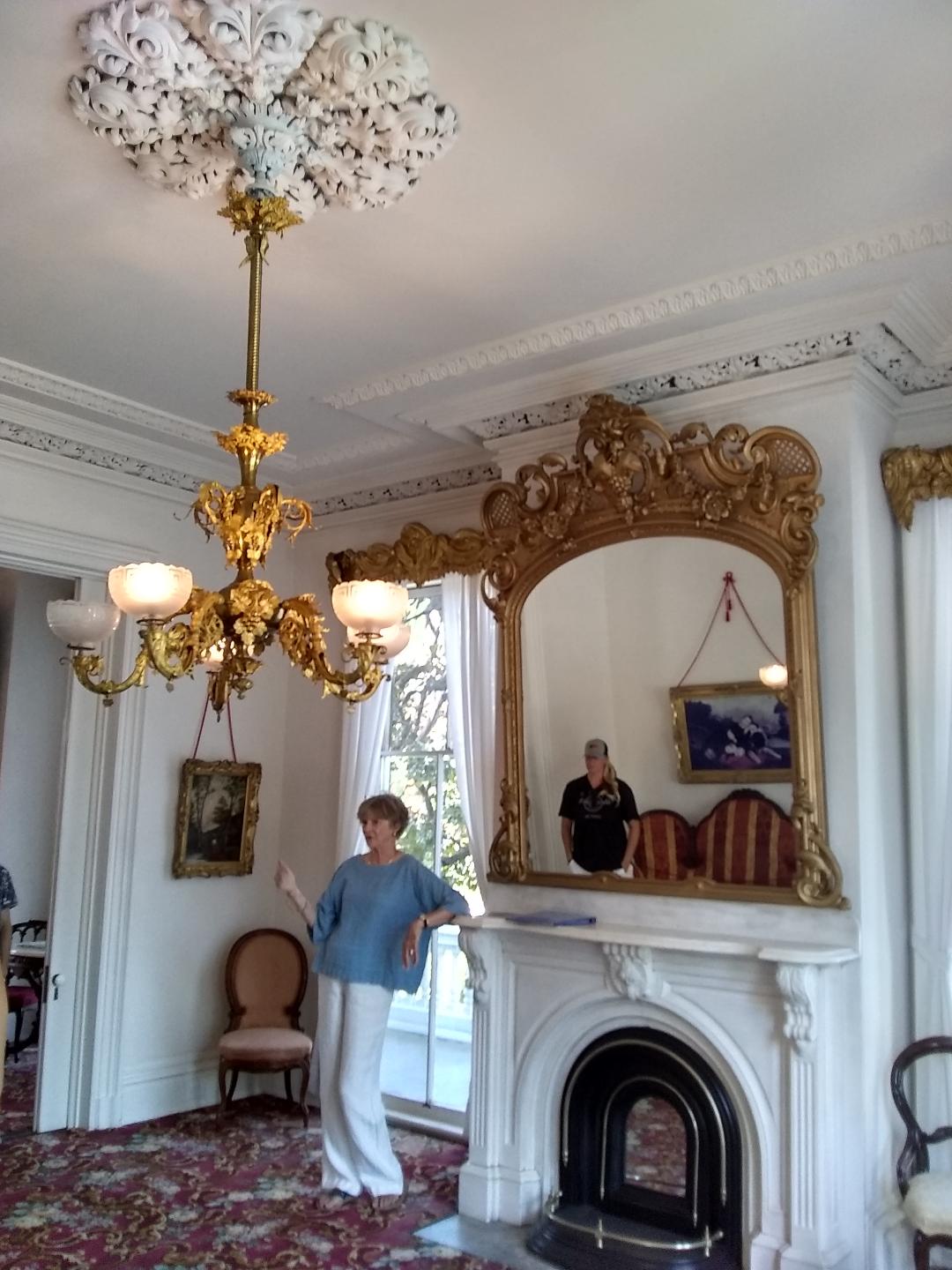
This lovely antebellum home was built in 1859 by slaves. Located on the highest bluff in the area it housed a family of 12 with 9 slave workers. John Bellamy was a doctor, business man, and plantation owner of pine trees. These trees provided tar for ship waterproofing, and John amassed a fortune from this venture. He and his wife, Eliza, had 10 children and descendants remain in the area.

The slave house, a recreation of the true home, is a must see on the tour.

The house has a long history with descendants living here through the 1940’s. It fell into disrepair and in 1972 was rescued by a North Carolina group who re-opened it post renovation in the 1990’s. During the summer months there are monthly jazz events with a September Happy Bellamy Birthday Celebration as well as movies, and Christmas holiday festivities.

There are other colonial homes in the area, however check schedules as many close on Sunday. Here are other homes to visit:

  • Poplar Grove Plantation
  • The Latimer House
  • Burgwin-Wright House and Gardens

Next, it was Downtown Wilmington which was a fun spot of shops, things to do and, of course, restaurants.

Stop by Chandler’s Wharf for more dining pleasure and rum cake. Yum.

Or take an excursion on land or water.

OR, if the heat index isn’t too high try a horse trolley tour.

Final stop, Wrightsville Beach for an evening cruise. Sandra Bullock once considered purchasing a home here. Sandy, I don’t know if you made the right decision. What a beautiful spot.

See you tomorrow for Day 2.