The Case Research Lab

What a phenomenal tour, and what a brilliant man Theodore Case was! For anyone interested in movies, and films, it is a must see if not only to give homage to this genius.

Theodore Case graduated from Yale with a chemistry degree. He, like his father, Willard E. Case, held a fascination for science. His father, a trained lawyer never practiced law, but was a businessman, and scientist. When Theodore returned from Yale the Research Labs were begun in 1916.

At the Lab Case began researching minerals to create photo electric cells which eventually became a film industry standard. At one point he met Earl Sponable, a Cornell graduate with a degree in chemistry becoming the first lab employee and his partner. Sponable later worked in Hollywood acquiring an Academy Award from his genius.

Both he and Sponable worked tirelessly on their projects. One of their projects was used during World War I where a signaling method to transfer light into electricity. While this worked ship to ship for a distance of 6 to 9 miles, this became the precursor of channeling sound into film.

Seen below is the actual device used.

The Chemical Room of the Lab.

The Lab Worktables.

These discoveries occurred while Case was in his 30’s, and Case sold his cell rights to the self-proclaimed, “Father of Radio,” Lee De Forest, which proved a poor business decision. After this Case was wary of business concerns, but eventually did join forces with William Fox and developed a sound film company, Movietown.

Case yearned to return to his Lab and sold his stock in Fox months before the stock market crash. He resumed his life in research and sold his home for $1. to those interested in developing a Cayuga County Museum. He lived his remaining life at his family home at Owasco Lake, and continued working at his lab. Dying prematurely at 55 years old he also left the lab to the Museum.

Case’s office at the Lab.

XXXXXX

Syracuse Airport

Took a 4 day jaunt to New York City. Started at Syracuse Airport and found the Airport to be one of the nicest and cleanest airports I have ever visited. It reminded me of my favorite airport, Daytona Beach, only four times the size. People were friendly, and helpful with only a spattering of retail shops and restaurants.

Hats off to Syracuse Airport. Go Orange.

The one thing that stood out at their Airport was their Escape Pod. Nice touch.

Cornell University

What a beautiful spring day I had for this visit. All trees and flowers were in bloom. The campus is a work of art.

The University is a campus surrounded by gorges and waterfalls.. Adjacent to the Museum is a bridge overlooking one of the many Ithaca waterfalls.

One must remember Cornell began as an agriculture school so you will find botanical gardens and arboretums as well as rows upon rows of greenhouses. Much agriculture research is conducted here. Get a map of the University at the Visitor Center in Ithaca, or Campus Store. Parking can be challenging but there are lots available.

All that said, let’s take in the campus buildings.

The Student Center – stop in to view the murals, fireplaces.

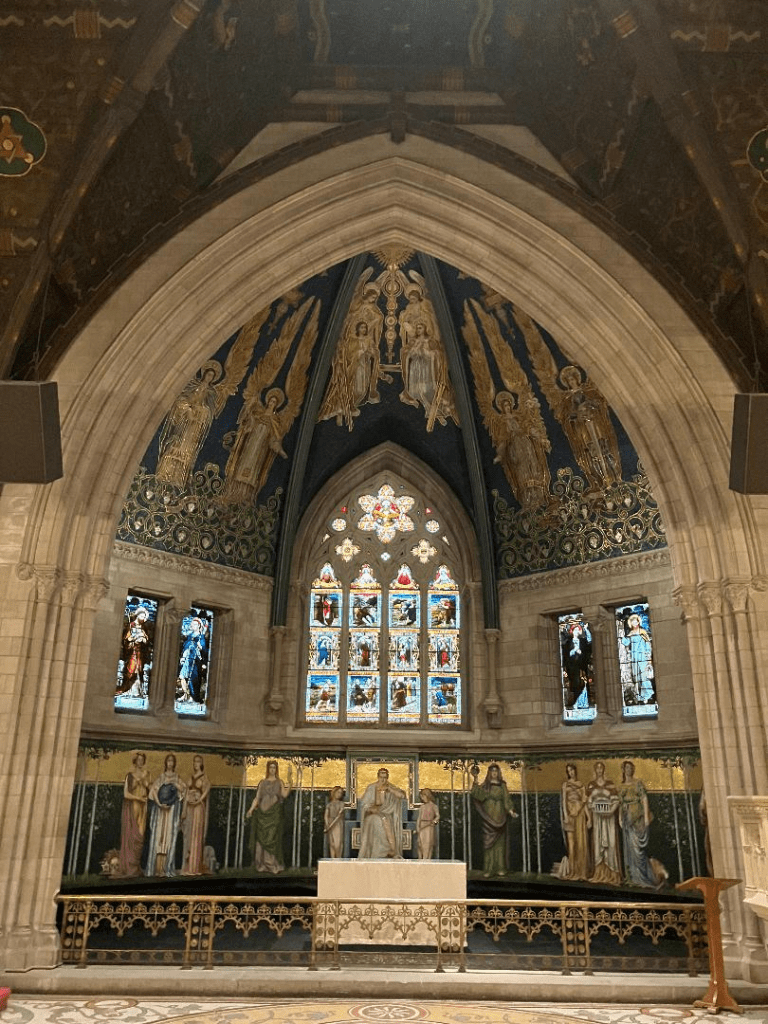
The Chapel – a must see. The stained glass, ceilings, mausoleums of the University founders were exquisite.

Stained glass tribute to 3 students who were slain during the 1964 Voter Registration Drive in Mississippi.

XXXXXXX

And don’t forget to stop at the Campus Store adjacent to the Chapel to pick up some Cornell memorabilia.

They have a great clearance section in the back of the Store.

Cornell University Art Museum

What an amazing Museum situated on Cayuga Lake.. If visiting the Museum start at the top level to capture the views. And for those unable here is a peek at what you are missing.

The Museum was donated by the SC Johnson Company of Johnson and Johnson fame which manufactures cleaning products. The individual who donated the Museum was a former alumni, and most of the works at the Museum were given by graduates or professors. The collection is amazing and has a vast range from ancient art to modern to Tiffany glass/lamps.

And the best part it was FREE ….

Let’s just get to it, and start with some ancient art.

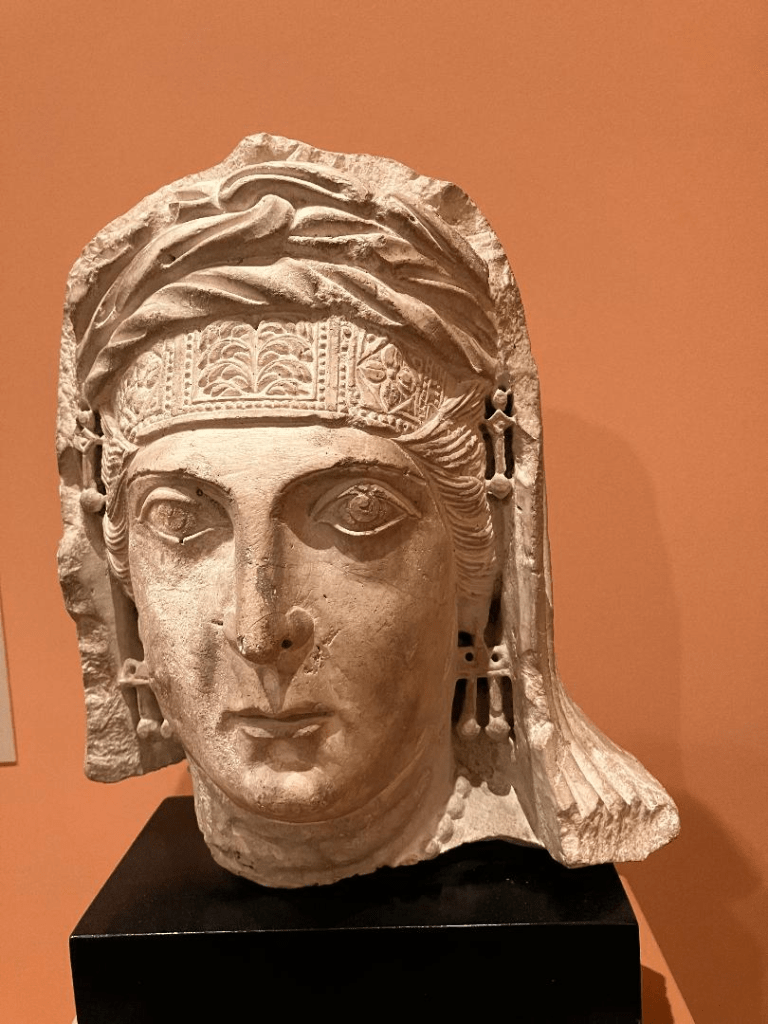
This lovely work dates to 150-200 AD and is a funereal portrait head of a women in limestone donated by a 1916 graduate. It is of Roman Syria descent.

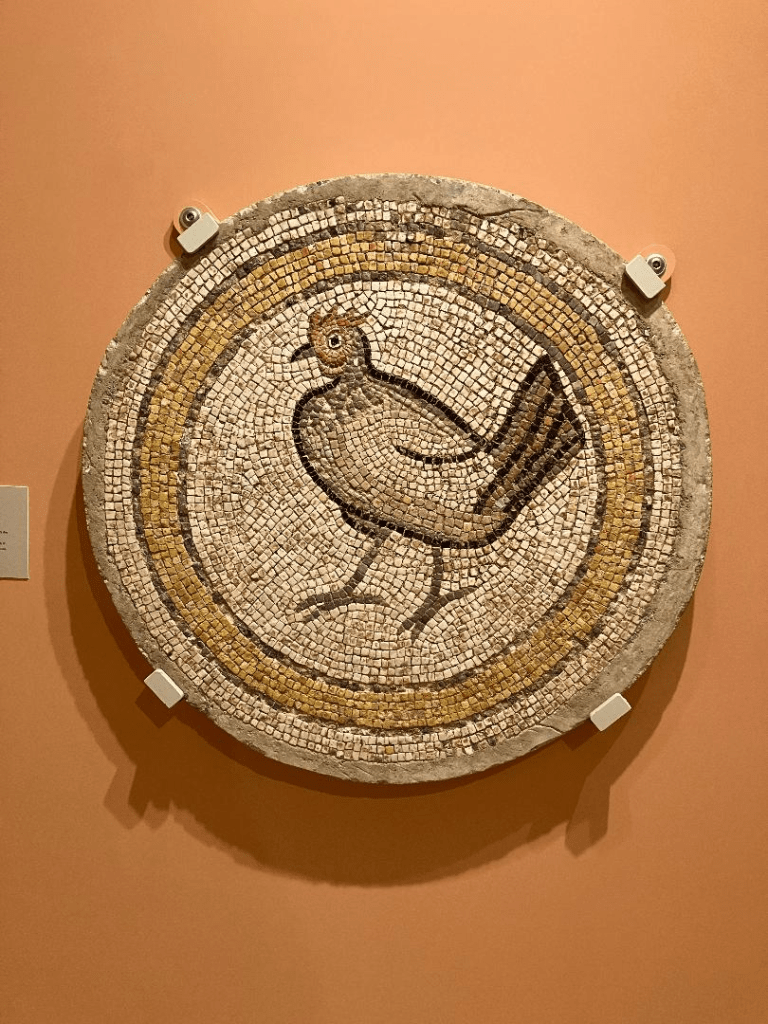
From 460 AD this mosaic of a rooster was exquisite. Often the floors and walls of Roman buildings held these pieces. The rooster symbolizes Christ’s resurrection.

An OOrinthian helmet from 660 BC of Greek Origin.

Religious Art

Statute of St. Anne with Mother and Child from the 1500’s. This was carved from a single block of oak.

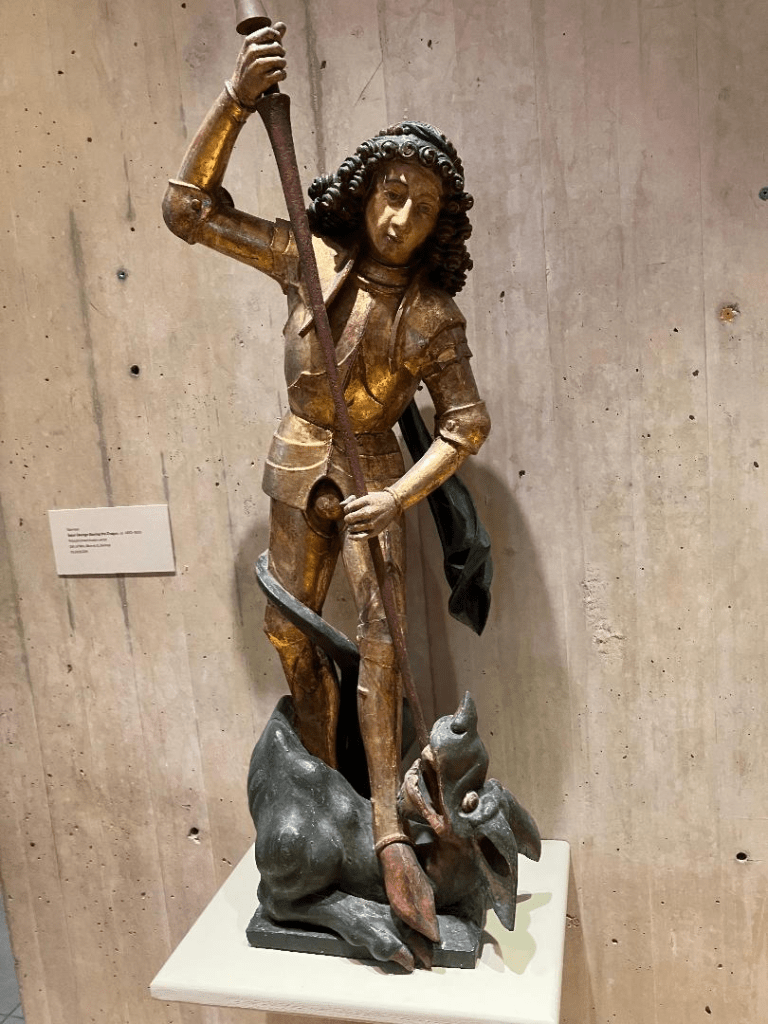
And a shout out to St Michael in this lovely work from the 15th century.

Asian Art

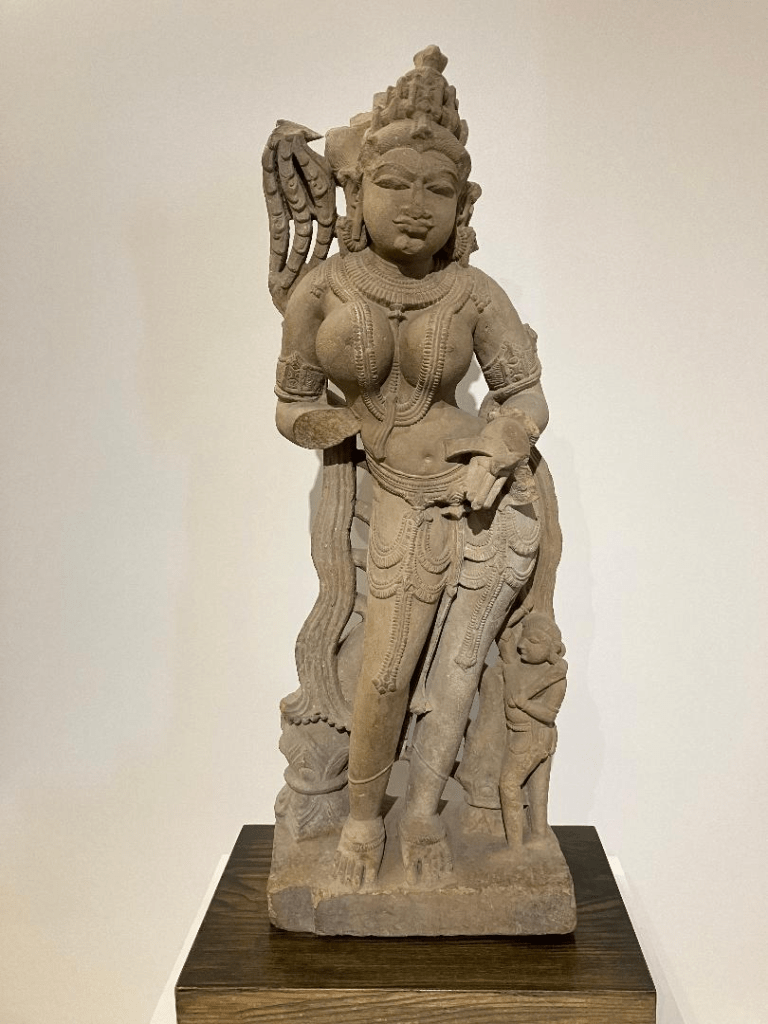
Yakshi with a love letter in hand from the 11th century, sandstone. Have never seen an Indian work with a voluptuous body such as this. Unique.

Some oils from the 1600-1700’s..

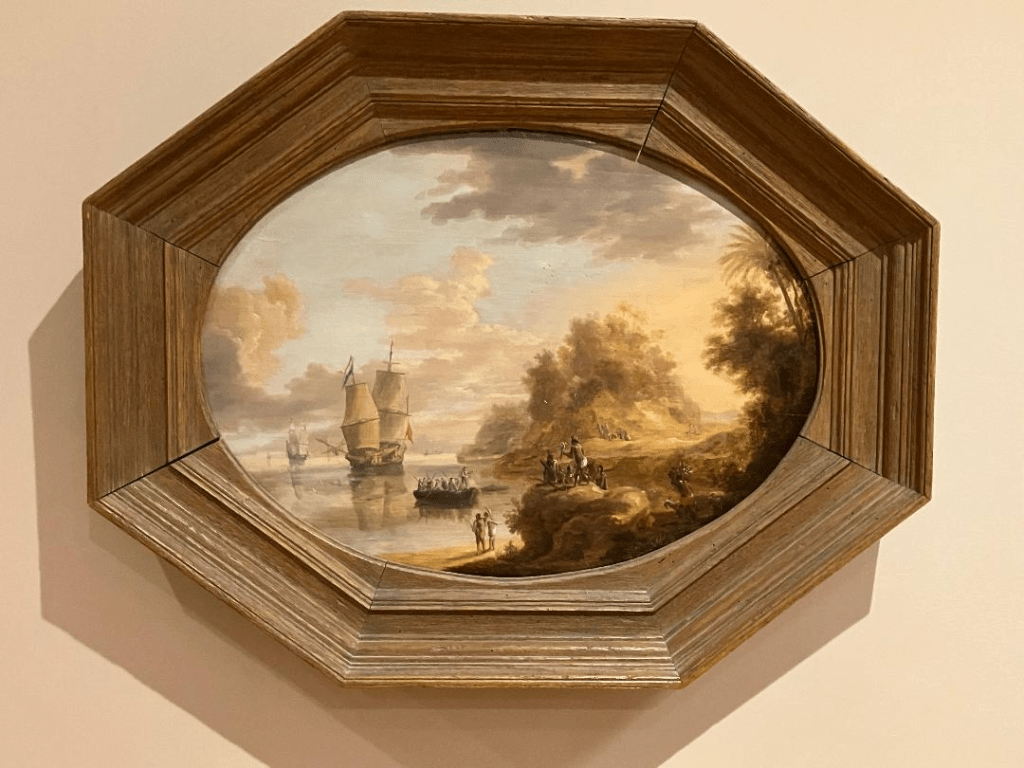
A Flemish work from Gilliss Peeters circa 1600’s. Dutch Ships Approaching the New World.

Another master – Dutch Cornelis van Spaendonck, Still Life of Flowers, 1793.

Modern Art

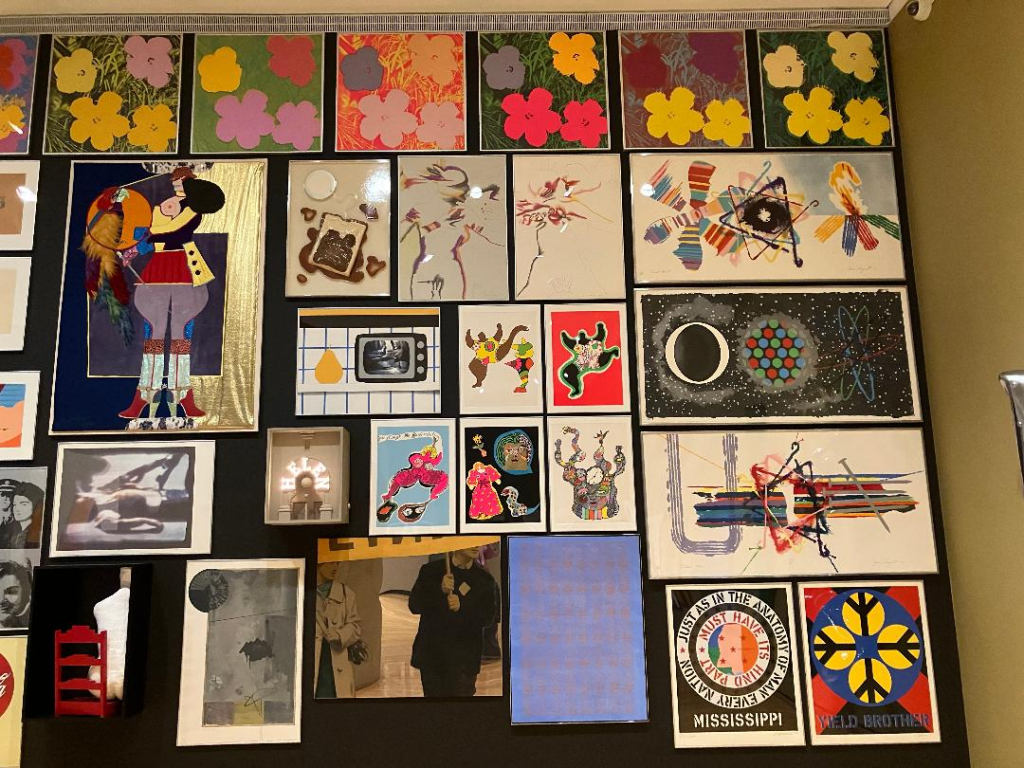
There is much modern art at the Museum with walls filled with works such as these.

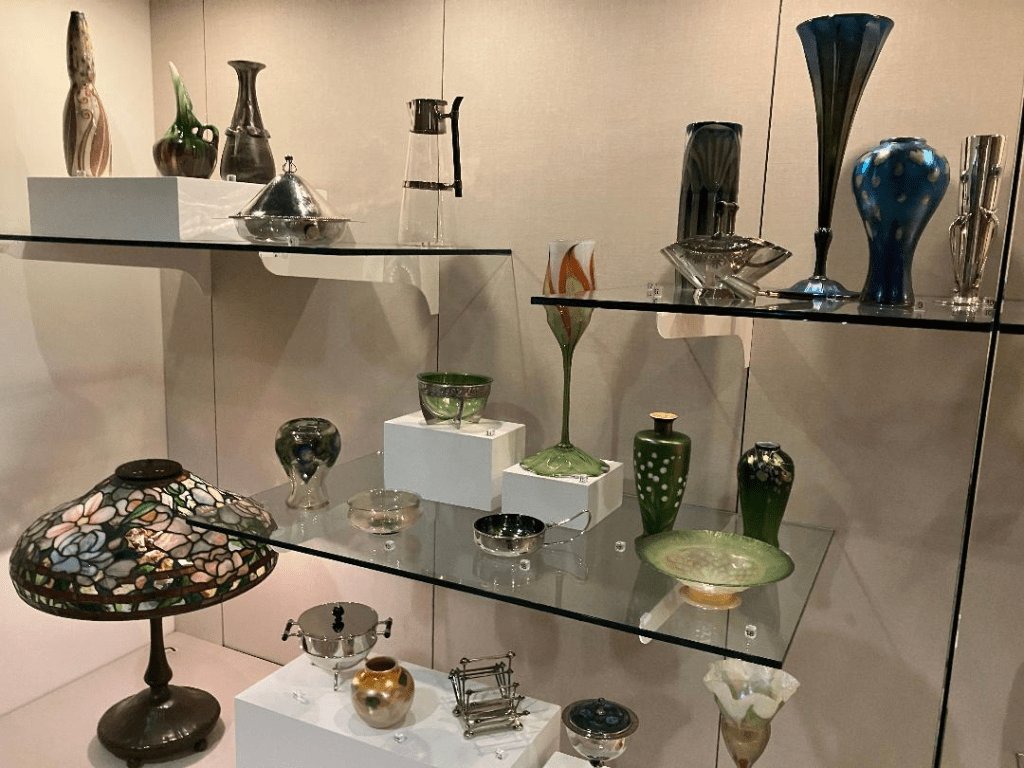
Tiffany and Frank Lloyd Wright had a small exhibit of their works.

And lastly, there was an exhibit with local Indian art.

A Shaman Mask, 20th century.

If you have the chance to visit plan on a 2-3 hours as there is much to view.

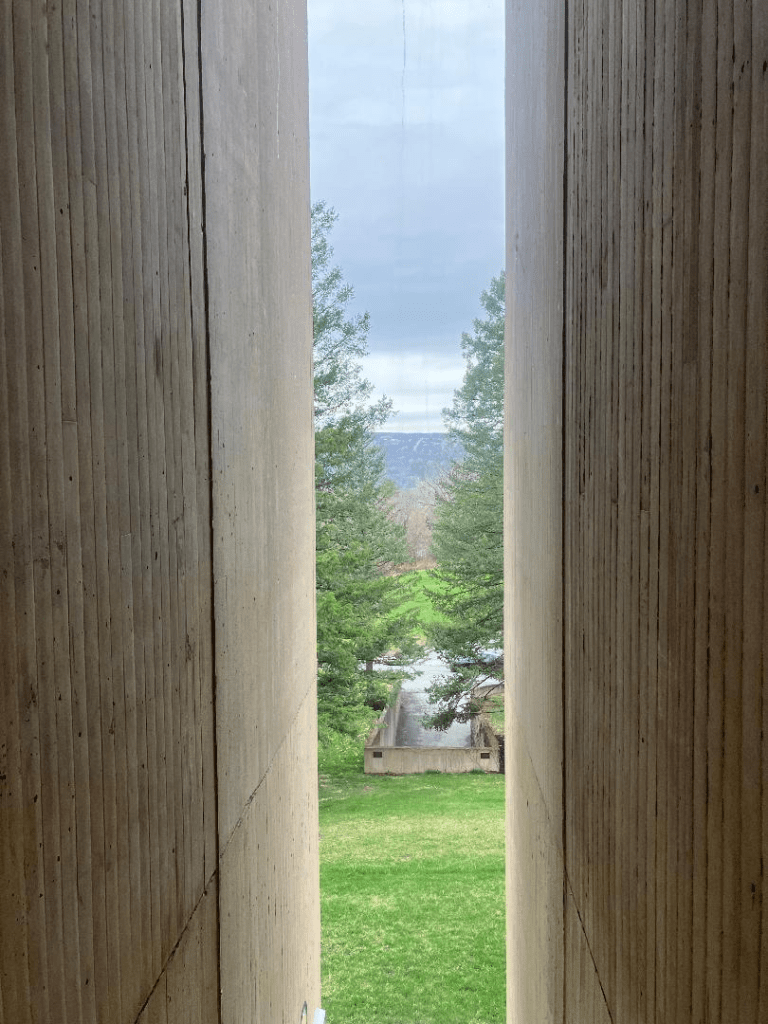
One final glimpse at nature from inside the Museum.

Quilts

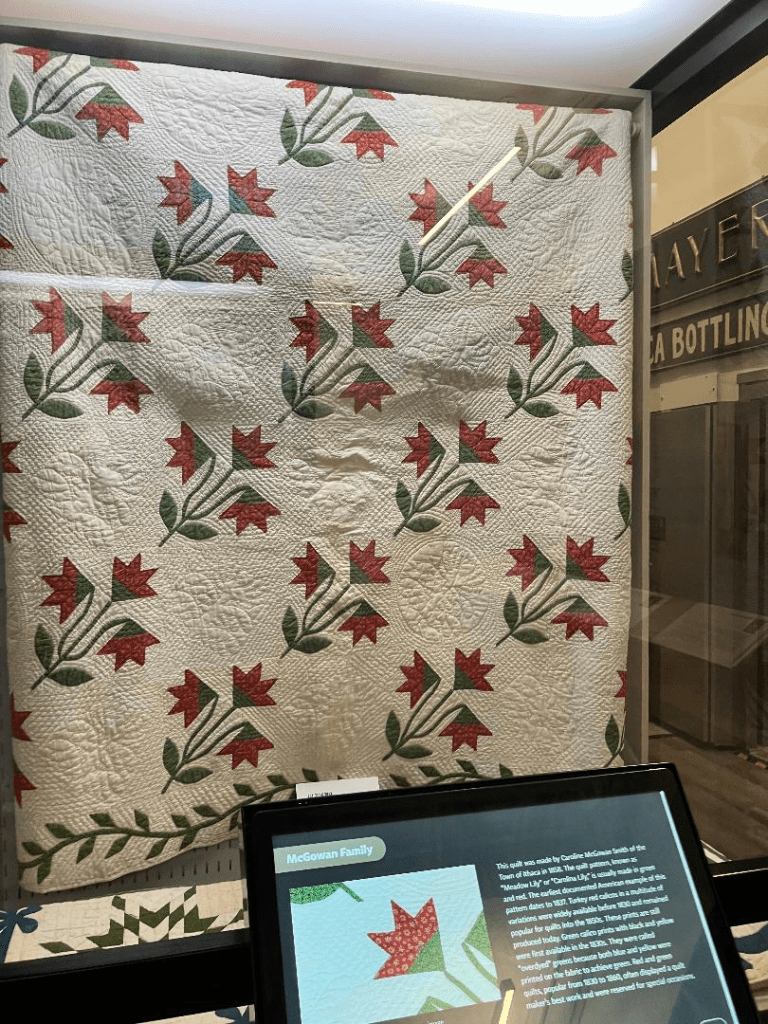
The Tompkins County Center for History and Culture also had a quilt exhibition with quilts made by local residents.

Here are some of the highlights.

And a Harriet Tubman tribute quilt.. Nice touch and so deserving.

Some other fun things at the Museum..

Folks can add to the loom being used to create a Museum wall hanging/rug. What a good idea for old clothing fabric – keeps the fabric in use and out of the landfill.

And who knew Ithaca built planes at one point in their history!

Next stop: Cornell University.

Tompkins Center For History and Culture, Ithaca, N.Y.

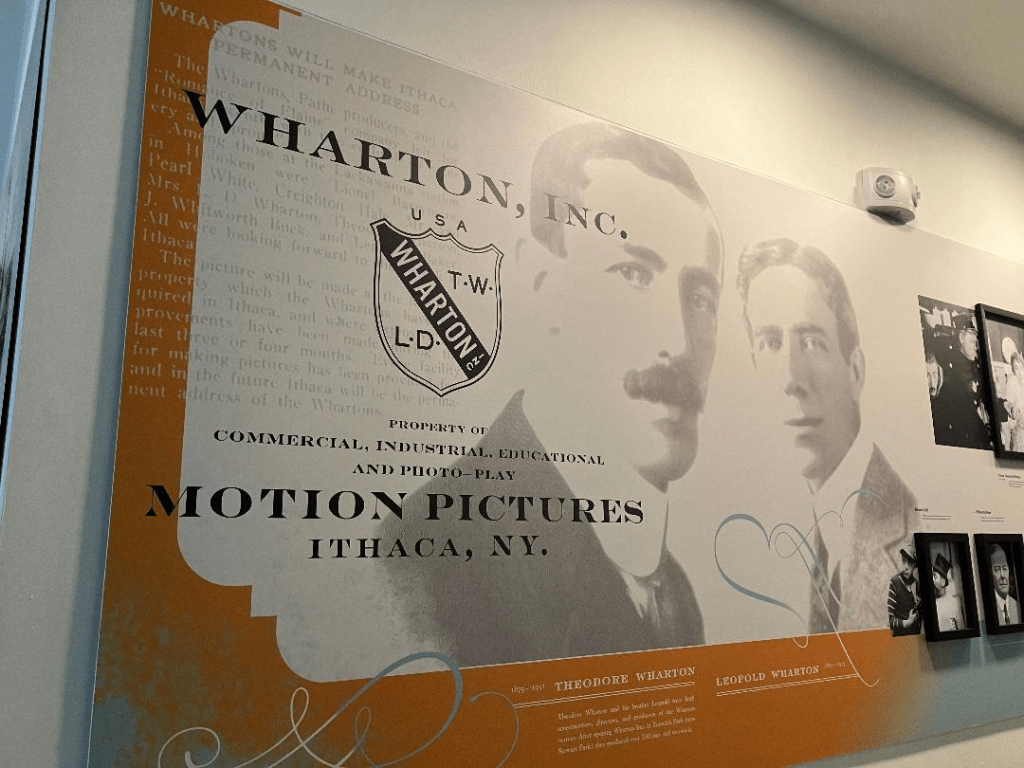
Central New York is in the process of developing a Film Trail Museum. Much of this comes from the work of Auburn man Theodore Case who developed “talkies.” In Ithaca they are beginning a museum exhibit surrounding silent film stars. Went to this museum to check out this piece of the Trail, but sadly only a wall of silent film actors pictures were present. Was hoping for some actual movies, but am sure that is to come..

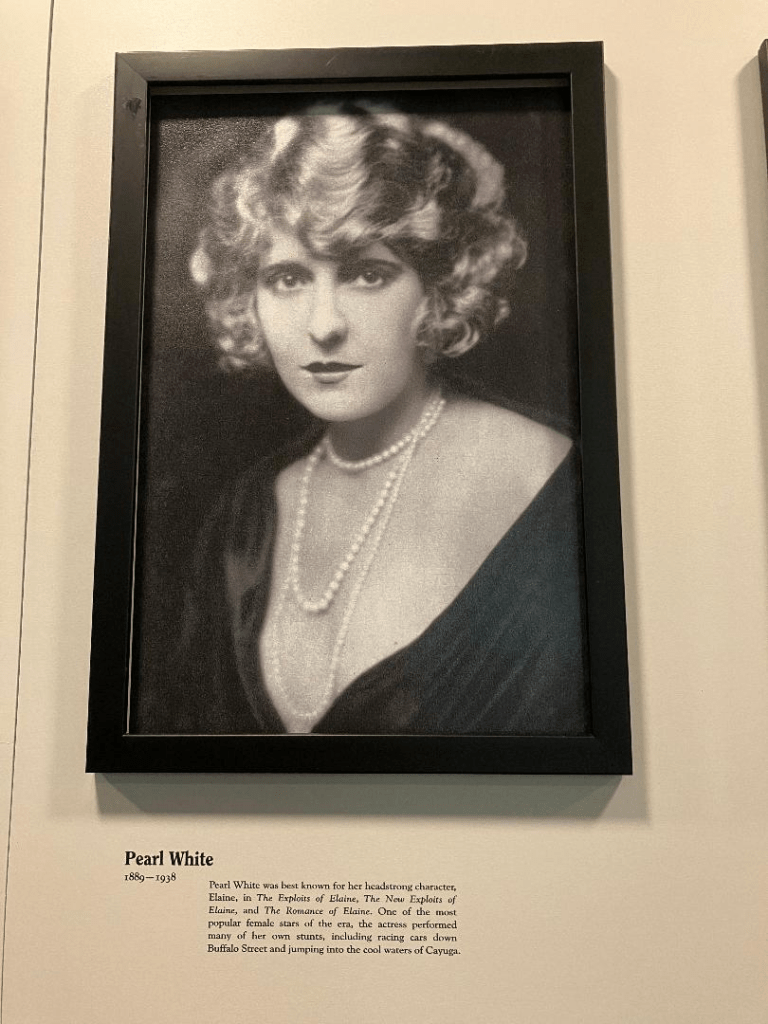
Here’s some of the actors who worked in this genre.

Perhaps the most famous is Lionel Barrymore – a relative of our beloved Drew Barrymore.

And what a handsome man he was!

And this beauty sadly came to an end early in her life, and this story remains a mystery..

This exhibit has the potential for a fascinating look back in film history…

Wayne County Museum continued…

The Museum has many interesting exhibits. Some of the uniforms on display are of great value. In fact, the Museum has had some of their items stolen. Someone knows the value of the items here..

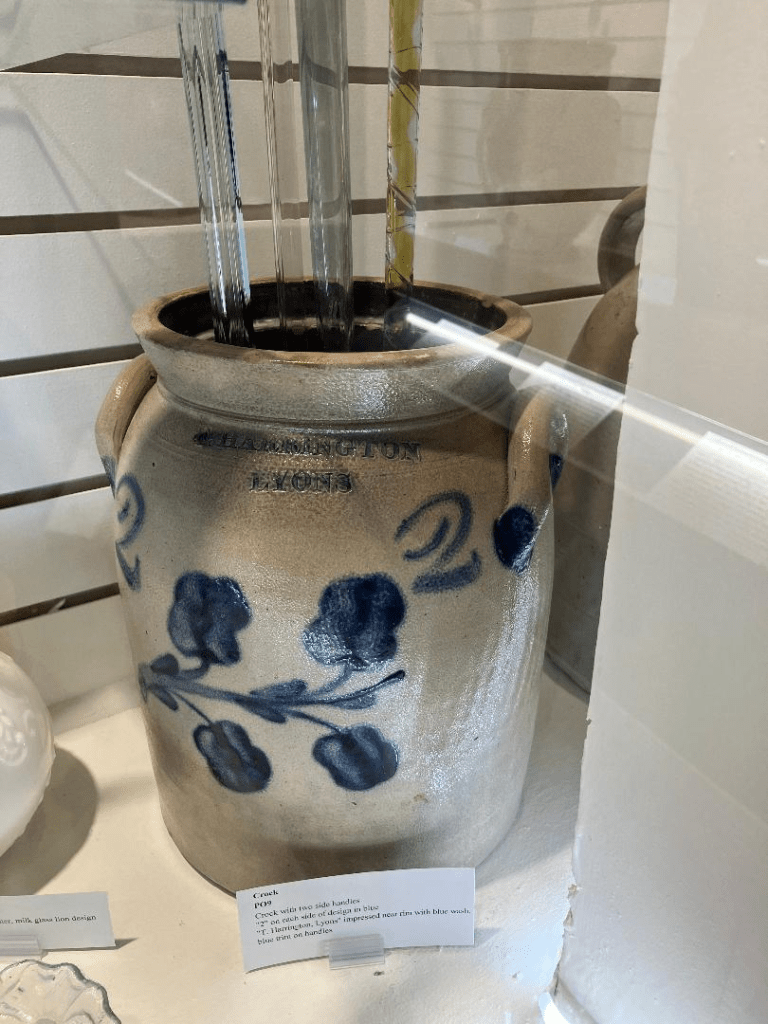
This area was also known for pottery making. Crocks often held pickled and salted vegetables/meats before refrigeration was available. The crocks on display were beautiful works of art in prime condition, and extremely valuable.

A heating system used in the 1800’s. It is a one of kind piece.

The Carriage House

In this two story barn there is many transportation items. While I could not enter due to cobwebs, in peeking through the windows found many interesting pieces.

XXXXX

After the visit found the Erie Canal stop which now under further construction.

The town of Lyons prospered and developed due to the Canal.

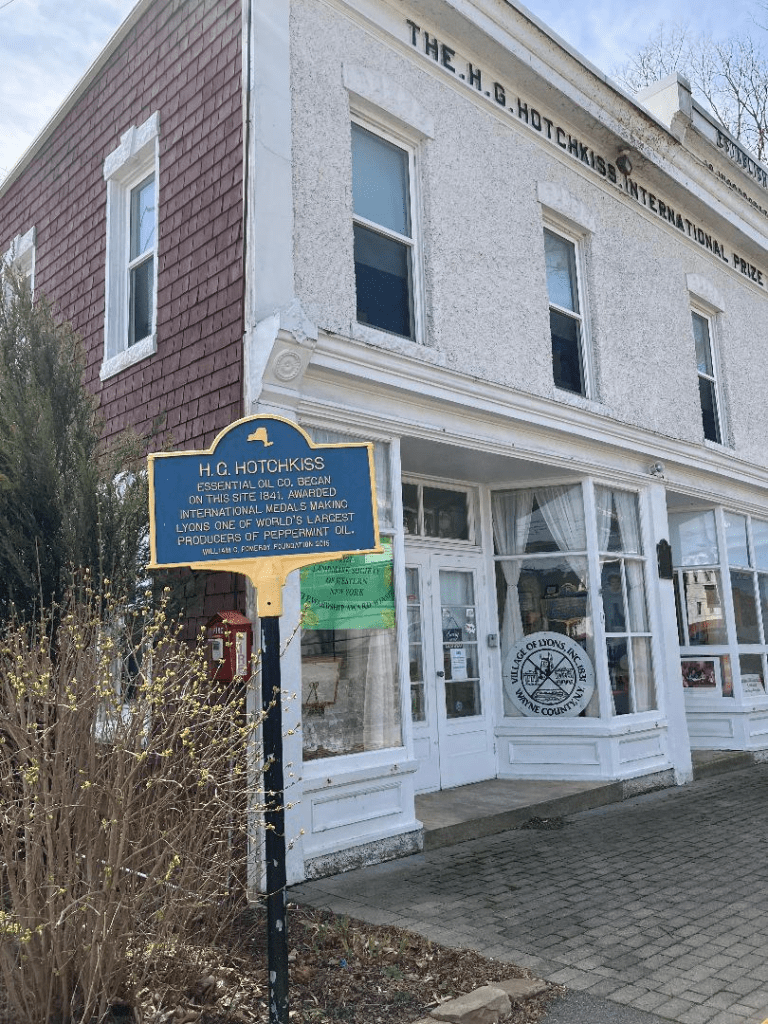
As an essential oil user found this company of particular interest. Peppermint oil is an amazing cure for headaches. Perhaps on my next visit it will be open..

Let’s hope.

And down the road ALDI’s – what a wonderful way to end the day!

Wayne County Historical Society Museum

As a former administrator with the New York State Department of Corrections for 13 years I conducted hundreds of prison site visits. At the time I was responsible for the health records in 71 correctional facilities, and attempted to see each prison, annually, and some more frequently. Sad note on society to have that many prisons, however, now I believe the number has dwindled to 54 New York State correctional facilities, and hopefully that number will decrease further in the next decade. All that said whenever I have the chance to visit a prison, especially one from a bygone era, I jump at the chance. This was the case at the Wayne County Historical Museum, which also was a prison in the 1850-1950 era.

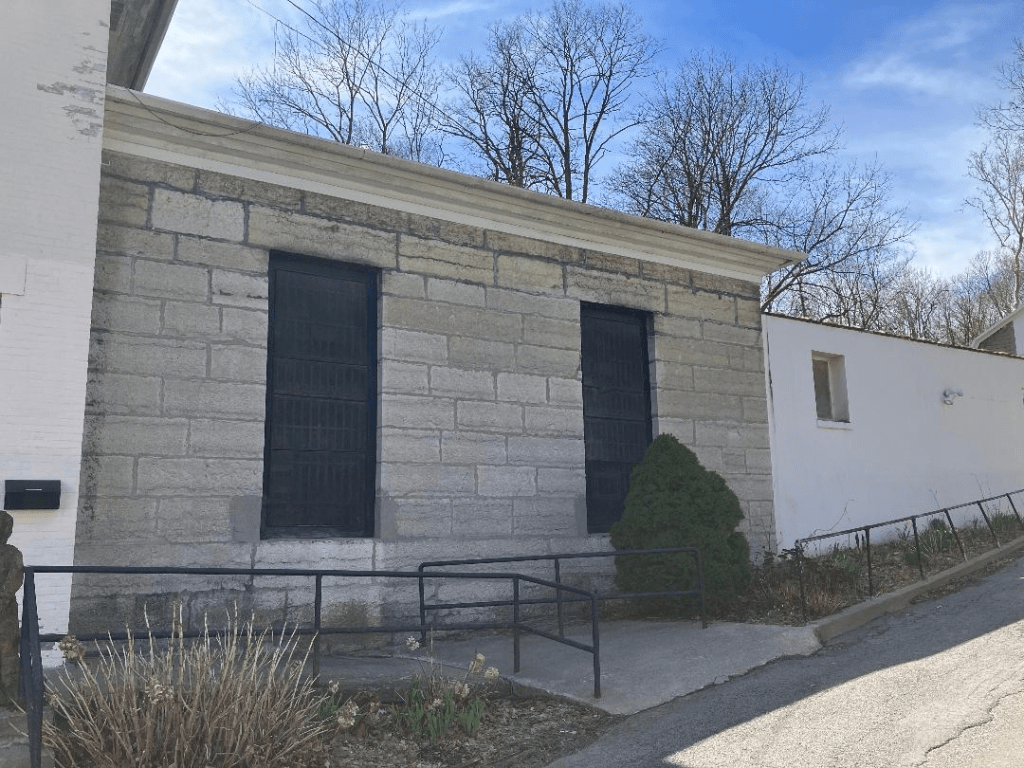
The Museum was also the jailer’s home as well as a prison. Sheriff’s served a 2 year term but after that they often remained as a Deputy. Side view of the home reveals the prison exterior.

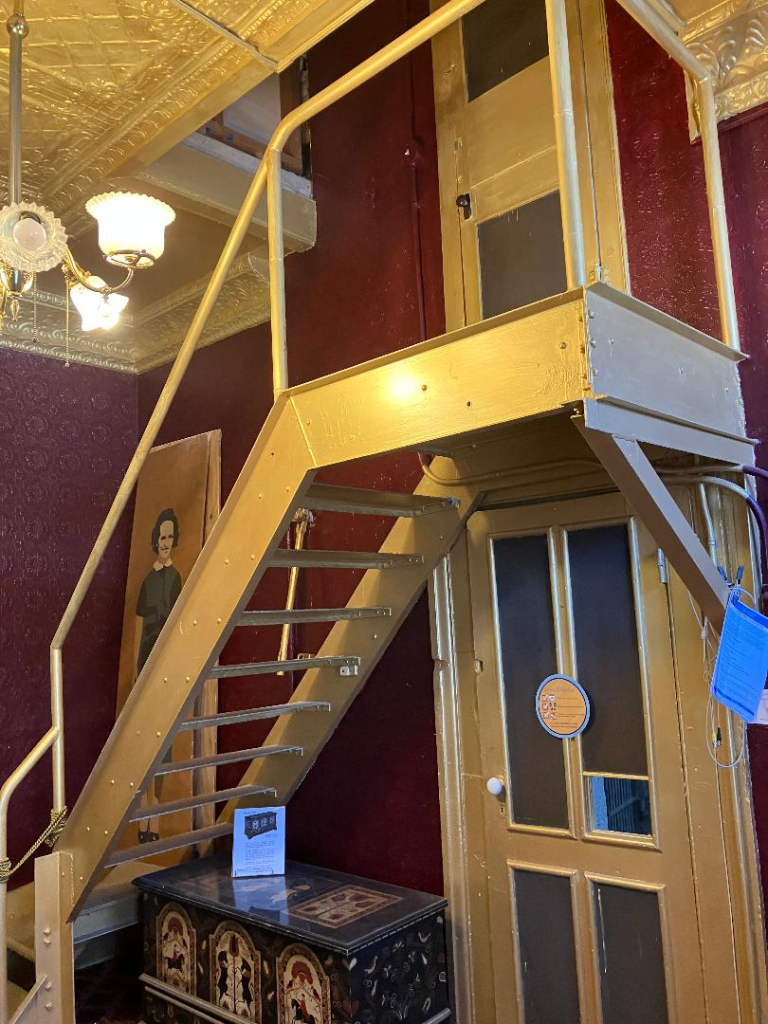
The stairs connecting the cell blocks to the Sheriff’s home.

The Cell block

Some interesting facts:

  • Sentencing was done by a circuit judge who visited the area twice a year. If incarcerated, the prisoner would wait 6 months till the circuit judge arrived.
  • The sheriff’s wife fed the inmates twice a day. Below is the stairs she walked to carry inmate food. What a woman! Forgot to ask if she was paid for this, however, doubtful.
  • There were no toilets till 1917, prior to that there was a pot on the floor.
  • In 1947, women and men’s cells were separated with women on the top block and men on the bottom.
  • The only executed inmate in the county occurred at this prison. He was an Irishman who killed a woman who was traveling solo along the road.

The actual gallows used.

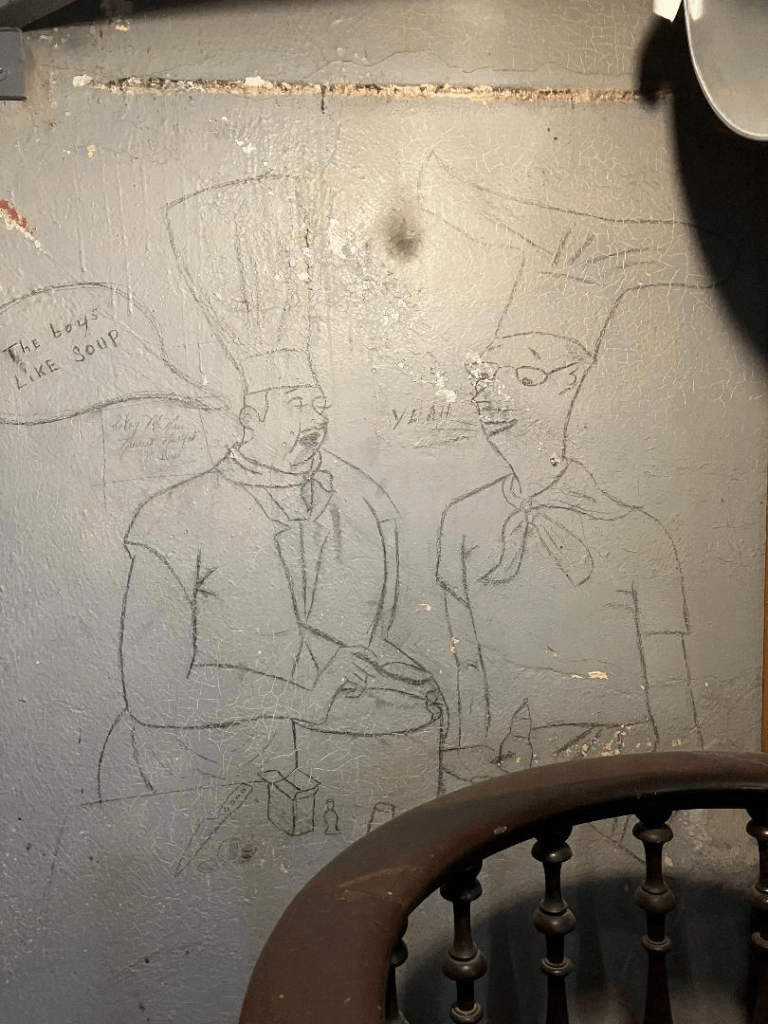
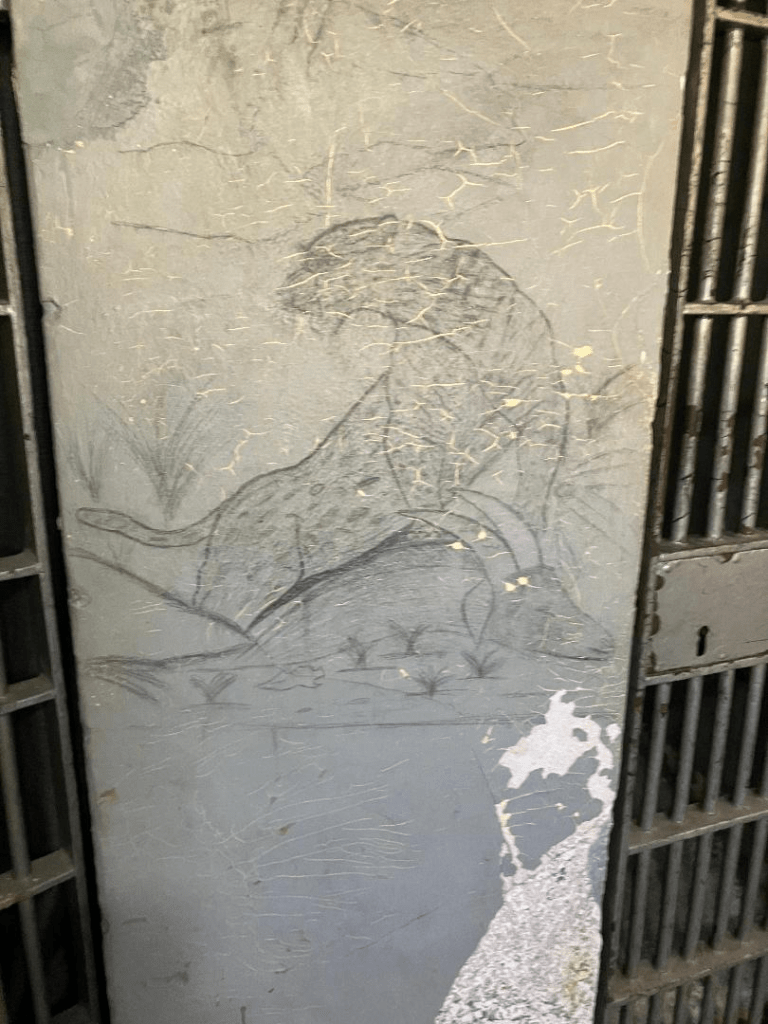
What really fascinated me was the art work which remains on the jail walls. Unsure of the dates but take a look.

The weapons used in the prisoner’s acts.

The Sheriff at his post.

Sheriff Collins served for 51 years and captured the famous American train robber Oliver Curtis Perry.

XXXXX

Next Blog: More of this interesting museum – you never know what you’ll find when you travel! 

Rainbow Bridge to Canadian Niagara Falls

There is minimal signage to guide tourists to Rainbow Bridge, and WAZE/Google Maps are confusing, so am hopeful with the upgrades on the American side this will change. Above are pictures to look for in your search for Rainbow Bridge.

First Views from Rainbow Bridge

More Views..

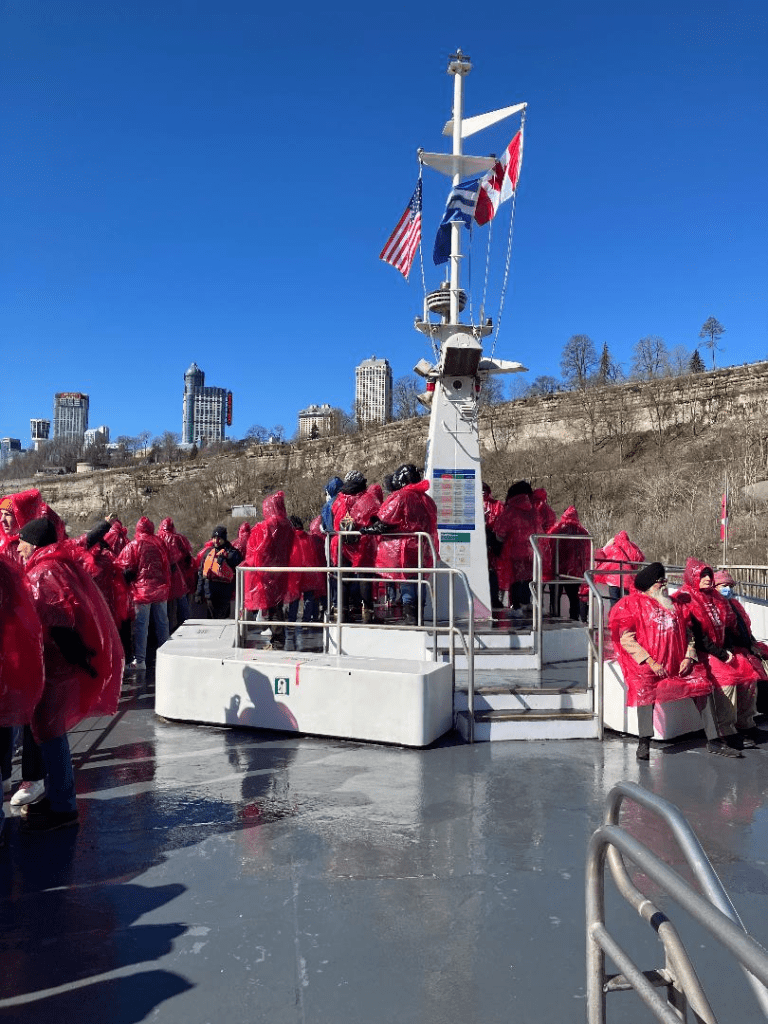
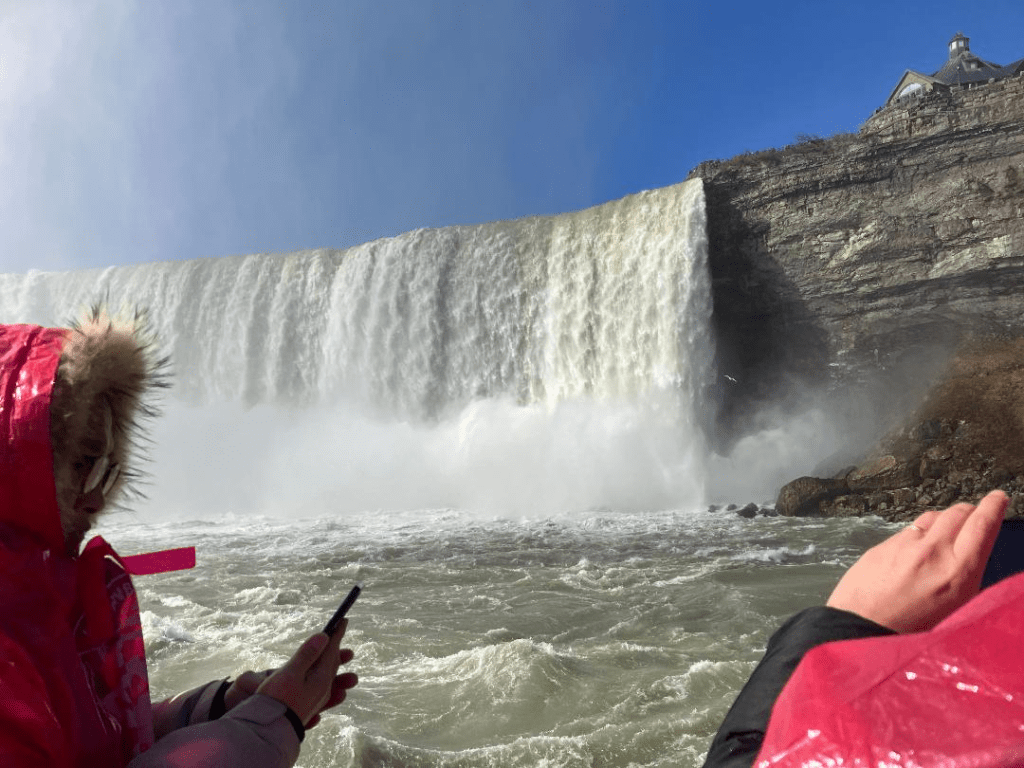
Took the boat ride on the Canadian side – cost $35 each, free for children. Worth the price for the 30 minute venture. There is much on the Canadian side for families to do – Zip lining, walking under the falls, museums, etc.. as well as numerous beautiful gardens along the Fall walk during the summer.

Where tickets are purchased for the boat ride.

Aerial View of the Boat area.

The Boat Ride

Once the adventure concludes there is a mall along the Canadian side which has souvenirs and food. Stop by the Tesla Monument on the path as he is integral to power.

And enjoy your stay at the 8th Wonder of the World.

Niagara Falls State Park

All these attractions were closed on the day of my early April visit. Call ahead.

And to visit the Canadian side a passport is required and a $1. fee to cross the Rainbow Bridge.

This Park was established in 1885, and it remains a glorious feat. What a beautiful spot with picnic tables and a beautiful bird trail. The bus stopped a stones throw from the Park, however, there is a trolley and bicycles to rent. The main island to visit on the American side is Goat Island, and off that is the Three Sisters Island. Since much of the American side is under construction did a walk through of this beautiful Park then journeyed over the Rainbow Bridge to the Canadian side for better views.

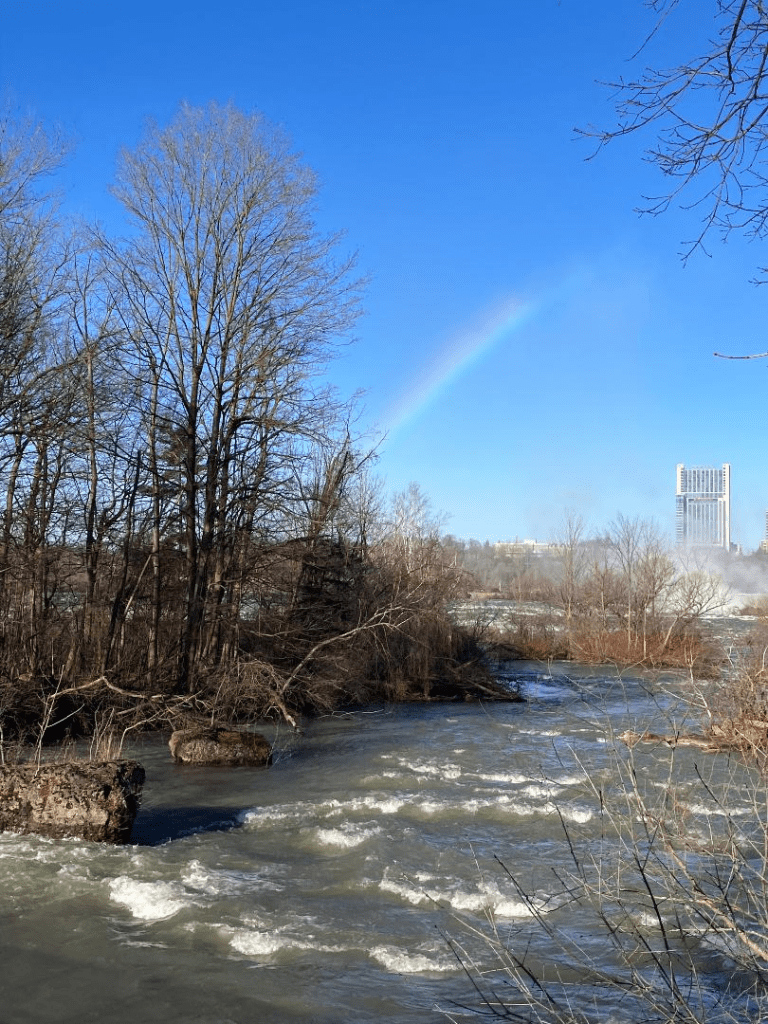
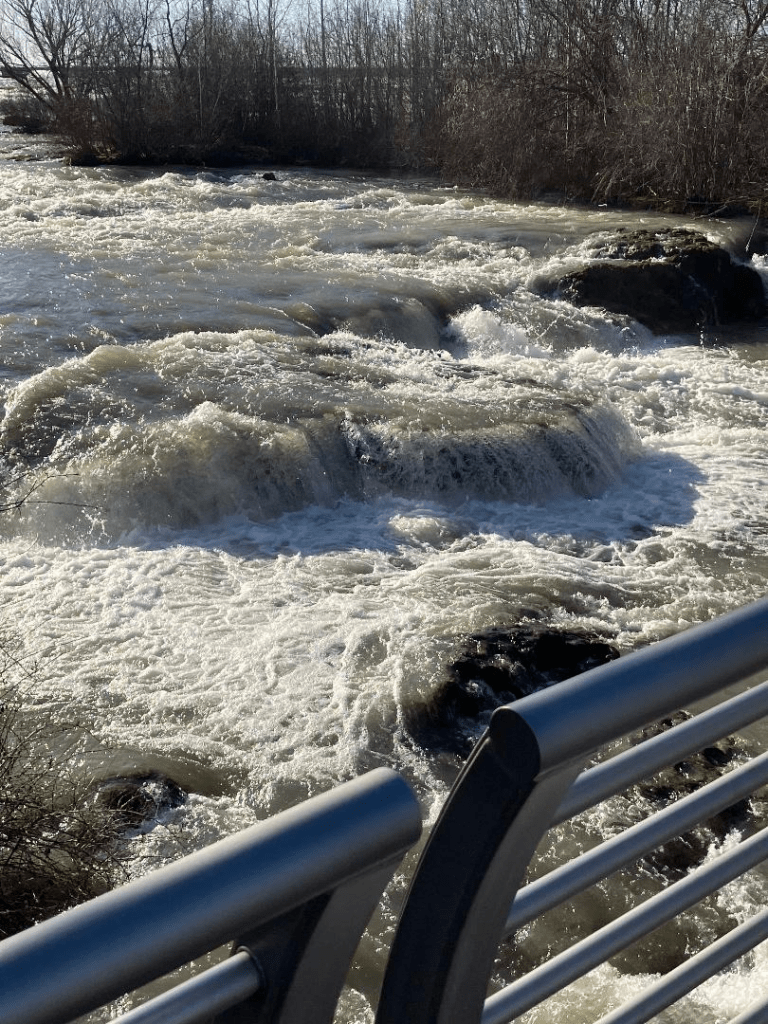
While the Park holds many picnic benches do not recommend bringing children, especially curious ones unless they are in a carriage or tethered. The rushing Niagara River has few barriers and is quite frankly scary. However, for us older folk it is a wonderful peek into the power of water.

The rushing Niagara River with views of the Canadian Skyline of Niagara Falls

75000 gallons of water fall over the Niagara’s per second.

Bird Trail – saw many beautiful birds on the walk along the Niagara. Sadly, only caught one on camera.

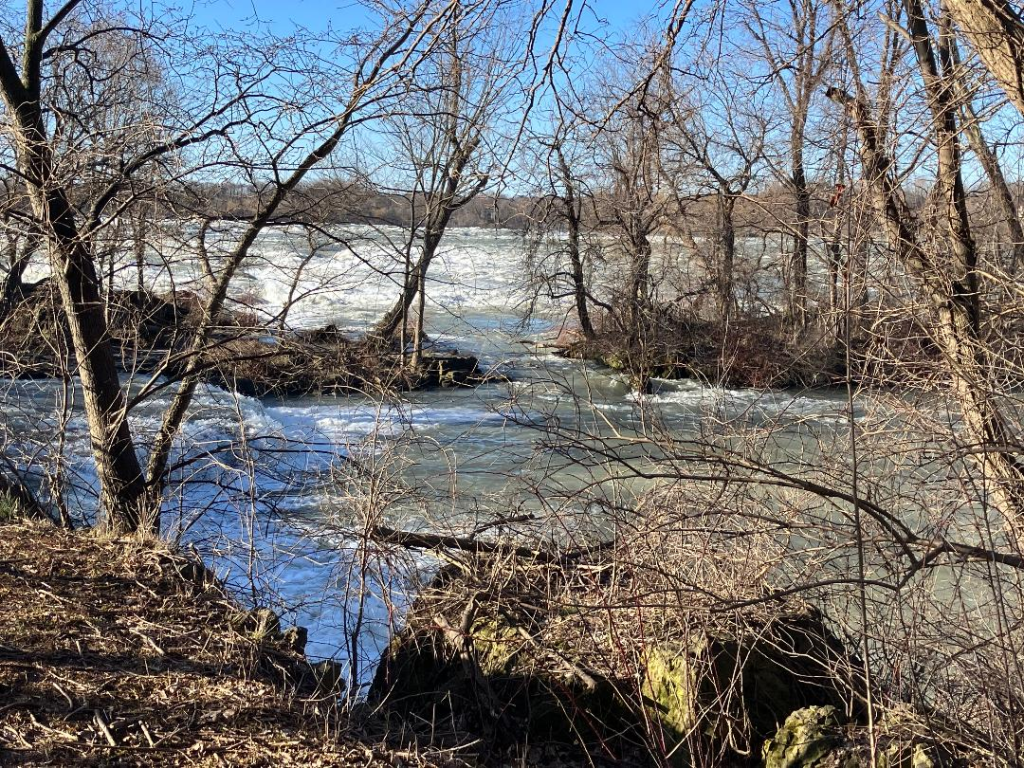
Views From 3 Sisters Island